ResidentialBusiness
Administrators
-
Joined
-
Last visited
Everything posted by ResidentialBusiness
-
 US vice-president says The President administration is ‘working very hard’ with Starmer government on tariffsView the full article
 -
When Paige DeSorbo was applying to colleges, her mom suggested broadcast journalism school. “You would be a great news anchor,” she said. DeSorbo agreed; she always loved reading off a teleprompter and ended up attending journalism school in upstate New York. Today, the Bravo reality TV star, 32, isn’t exactly reading off a teleprompter, but she is constantly addressing the public. DeSorbo and her best friend and former Summer House castmate Hannah Berner parlayed their weekly Instagram Live musings into a podcast, Giggly Squad, in 2020. There, they bring comedic takes to everything from tariffs (chamoy pickles should have an extra tariff, they decided recently) to the appropriate level of closeness between adult men and their mothers. With more than 44 million downloads as of last year, DeSorbo and Berner have gone on tour, appeared on The Tonight Show, and are now translating their charming and satirical advice into book form, with How to Giggle: A Guide to Taking Life Less Seriously, out today. DeSorbo spoke with Fast Company about the strategy that’s propelled her career so far: Choose a business partner like you pick a spouse I met Hannah my first weekend on Summer House, and we immediately hit it off. Not to jinx it, but we don’t see what we do as work because it’s just talking to each other. Of course, we have to make [business] decisions, but we don’t have a scheduled time during the week for that. We’re talking constantly and bring up work things the way we would any topic. We also have a shared Google Doc and Notes app. When things come up that you’d normally text your friend about, we write it down and wait until the podcast. We call ourselves low-maintenance friends. We’re low-maintenance business partners, as well. Hannah and I have never gotten into a fight about anything business-related because we think of things the same way. There’s so many other areas where Hannah and I are completely opposite, but we feel like Giggly Squad is our baby, and we’re co-parenting. It’s like getting married. It’s the biggest decision of your life, and you have to choose wisely. Know when to sacrifice hair and makeup When we were about to start the Giggly Squad podcast, Hannah and I had to literally go open a Giggly Squad bank account. Doing that with her, I felt like I was 13 years old, but we were represented at agencies. We had to make sure Giggly Squad felt authentic, like the Instagram Lives we’d been making before, even though we were making it more professional. That’s why we love our tour so much. On Instagram Live, you’re in the comments. With podcasts, you never get to interact with listeners. Our live shows are almost like we’re back in our Instagram Live days, but in person. When we first started touring, Hannah and I wanted to get our hair and makeup done [for every show]. This is the most non-Paige-coded thing ever, but Hannah suggested we do our own hair and makeup so we could nap during the day. I was like, that’s the best idea. I need to nap before the show. I’ll sacrifice hair and makeup. Now, we’ve gotten so good at doing it ourselves. Use your own voice When Simon & Schuster came to us to write a book, any Bravo person I talked to said you get a ghostwriter. But both Simon & Schuster and Hannah said it needed to be in our voices, because it’s comedy. We wrote the book fifty-fifty. Some of the stories are the same, but one version is from Hannah’s view and the other’s mine. It starts with how Hannah and I met. I love seeing her perspective. Then we have different personalized stories from our childhoods that have to do with our moms and growing up. We were influenced by magazines from when we were younger, full of quizzes, graphs, and charts. We wanted that element in our book because it’s fun and nostalgic for us. Now, I can’t imagine our book being written by a ghostwriter. Giggly Squad is so nuanced—we have so many inside jokes. Explaining that to someone would take too much time. Be fully present At this point in my life, in my early thirties, I’ve got passion for my career. It is my number-one focus. Not to say that I don’t want to get married and have children—I absolutely do. But it’s slowly [becoming] okay for women to say, “I’m going to wait on that part because I want to give it my all.” When I’m doing something, I want to be fully present. With Giggly Squad, writing a book, and going on tour, I want to be fully present. The same goes for motherhood and being a wife. Don’t believe the haters . . . or your fans Before I was on Summer House, I watched a lot of Bravo. When you’re watching it, you see people do things and think, ‘That is so crazy! How do you not remember you’re being filmed?’ Then when you film a reality TV show, you forget there’s cameras there, and you become so close with production. When they’re in the room, you forget they’re producers. A producer told me, before my first season even aired—he was preparing me for it being on TV—50% of people will like you and 50% will not. You can’t believe either [group]. You can’t believe your hype, but you also can’t believe the meanest thing anyone’s ever said about you. That was really good advice because when I started, I didn’t have that many followers on Instagram and didn’t think about that aspect. That helped me with all the social media reactions and opinions. Trusting your gut is the biggest part—and not just with your career, but in your entire life. There have been so many times in my career where people have questioned Giggly Squad or what I was doing on Summer House—anything. Knowing yourself and believing in your decisions and power is the most important career advice. View the full article

-
International Energy Agency says situation ‘fluid and substantial risks remain’View the full article
-
Never learned to play chess and don't know where to start? Duolingo, the gamified education app most famous for its language learning lessons, is adding chess lessons to the iPhone application later this month. You can learn how each piece moves before eventually moving on to tactics, all in the familiar Duolingo user interface. A "limited number of learners" on iOS will get the chess feature on Tuesday, April 22; it will roll out to other English-speaking iPhone users "in weeks following." Other operating systems, along with versions for non-English speakers, are "planned in the months ahead," according to Duolingo. This isn't the first offering outside of language learning offered by the application—the application currently has offered math and music lessons since 2023. The math lessons, which I've tried, are a great way to refresh your multiplication tables, while the music lessons go over the basics of music theory while also featuring rhythm-game-link sequences built around actual pop songs. The chess lessons are a departure, though, by teaching you to play a game instead of a language or academic subject. “Chess is an ideal fit for Duolingo,” Luis von Ahn, co-founder and CEO of Duolingo, said in a press release. “It sharpens your brain, it’s packed with strategy, and like language learning, it’s a skill that gets better with practice.” The app is intended to make chess more accessible, so it should be no surprise that the lessons themselves are intended for beginners, starting from the mechanics about how each piece moves before moving on to tactics and strategy. The average lesson is built around short puzzles—you may, for example, be asked to checkmate the opposition in a single move. There are also mini-matches, and even full chess games, all played against Oscar (the cartoon mustachioed man with a memorable deep voice, long featured in Duolingo's language learning courses). View the full article
-
Payrolled employment falls even as wage growth remains strongView the full article
-
President acknowledges companies ‘need a little bit of time’ before they can manufacture in USView the full article
-
Planning, diversified markets and control of strategic materials potentially give Beijing leverage — if it can bear the painView the full article
-
Delve into AI overviews that help connect your SEO initiatives to tangible revenue impacts and enhance your marketing strategies. The post AI & SEO-Driven Content Marketing: How To Calculate True ROI for B2B Companies in 2025 appeared first on Search Engine Journal. View the full article
-
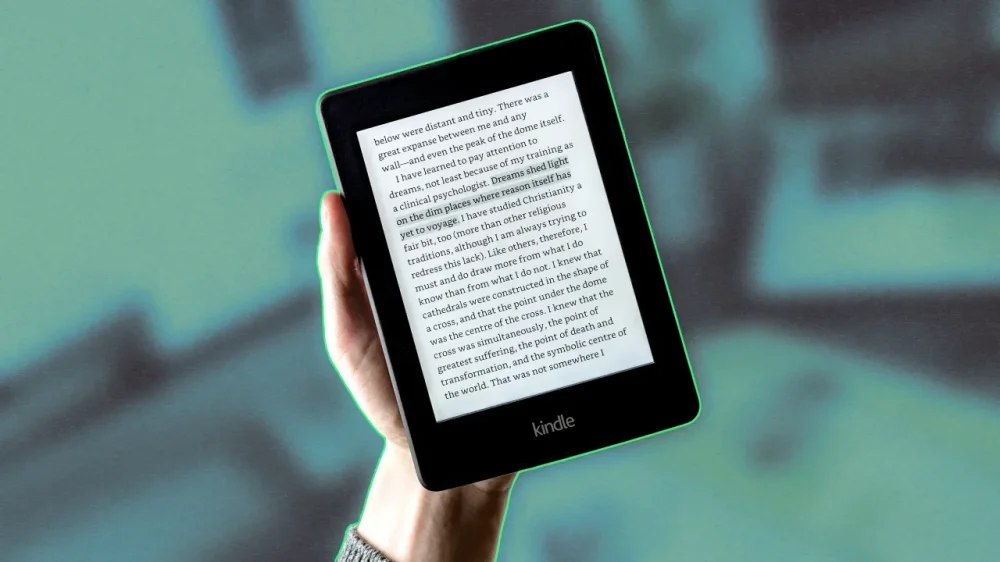
At first glance, your Kindle might seem like a no-frills reading device: straightforward, minimal, and focused on the basics. Kind of like an actual book, huh? But beneath its simple exterior lies a surprising range of features, tools, and tricks designed to make reading smoother, smarter, and more enjoyable. So, whether you’re a seasoned reader or new to Kindle, here are five hidden gems to take your reading experience to the next level. Double-Tap to Turn PagesAmazon may have killed off physical buttons, there’s a new feature that might help ease the pain. If you’ve got the most recent Kindle Paperwhite or the new Kindle Colorsoft, you now have access to double-tap functionality—available with the 5.18.1 update that dropped in March. It lets you turn pages with two quick taps to the side or back of your Kindle, making one-handed reading a far easier endeavor. Once your Kindle is updated to version 5.18.1, go to Settings > Device Options and toggle on “Double Tap to Page Turn.” Pinch to Adjust Font SizeI’m embarrassed that I didn’t know about this sooner and, frankly, shocked I never did it by accident. For the aging-eyed among us, there’s no need to dig track down your cheaters or dig through settings to change text size. Just pinch, baby. To try this, use two fingers to pinch or spread apart on the screen while reading. It’ll instantly adjusting the font size—easy as that. Send-to-Kindle for Easy File SharingOne of my favorite features lets you can transform your Kindle into an all-in-one reading hub by sending documents, PDFs, and even web articles directly to it. Locate your Kindle email address in Settings > Your Account > Send-to-Kindle Email, and then email files to that address. They’ll soon appear in your library after syncing. You can also use the Chrome browser extension for web articles to streamline the process. And you can go to Amazon.com/MyK to customize your Send-to-Kindle email address to make it easier to remember. Export Notes and HighlightsIf you make use of the note-taking and highlighting features, Kindle makes it easy to export your musings via email. To use this feature, tap the top of the screen while reading and select the Notes and Highlights icon in the upper-right corner, which looks like a little notebook. From there, tap the share icon in the upper-right corner and you’ll find the option to email your notes to yourself or someone else—just follow the prompts to complete the process. Whispersync for VoiceWhy choose between reading and listening when you can do both? Whispersync for Voice enables seamless transitions between the Kindle version of a book and its Audible counterpart. Purchase both versions of a book with Whispersync compatibility, open it, and tap “Switch to Audio” or let the Kindle automatically sync your position between formats. You can also use Amazon’s Matchmaker feature, which scans your Kindle library and offers a discount price for to add audio to audio-compatible books. View the full article
-
This post was written by Alison Green and published on Ask a Manager. It’s five answers to five questions. Here we go… 1. My coworker is making our friend break-up really weird I have a coworker who I was friends with outside of work for about a year. Due to various issues inside and outside of work (complaining about coworkers over Teams, asking the same basic questions over and over, not doing any bare-minimum problem-solving before asking for help, expecting a lot of emotional support while not providing it back, and just a lot of emotional immaturity), I ended our friendship last July with no possibility of being friends again. We’re in the same department and have almost identical schedules, so we still have to interact every day. Our managers are aware we were friends and I had issues with him, though I protected him maybe more than I should have and didn’t say anything about his complaining about coworkers. I had one issue with him right after ending the friendship where he was monitoring my breaks and tried to confront me on Teams. I went to management about it and haven’t had any other similar issues. He does still act really weird around me, though. He won’t make eye contact, he flinches when he sees me and doesn’t expect to or shrinks up when he walks past me like he’s expecting me to lash out, and will only talk to me over Teams, even to say thanks for helping him with something. He’s asked another coworker how to “get over his fear of another coworker.” I’ve never threatened him or even raised my voice at him. Right before I ended the friendship I snapped at him once and was irritable with him, but I’ve never been particularly mean and since ending the friendship I’ve been professional, though not very warm. I assume he’s scared that I’ll try to get him fired since I know he’s particularly anxious about that (asking me for constant reassurance about any judgment call or small mistake was one of my big issues with him). I’ve just been kind of rolling my eyes internally at his behavior, but it’s been months and it’s getting old. His communication with me is pretty inefficient, but overall it doesn’t hinder my work that much and seemingly vice versa. I don’t avoid any of my job duties that involve interacting with him. However, whenever something comes up in our work where he needs to be corrected, I don’t feel like I can go to him directly (I don’t supervise him but I outrank him and there are forms he sometimes has to fill out that go to me). When I was friends with him, if I asked him to communicate with me differently or set some kind of boundary, it would just make him more nervous and he would either avoid me or ask for more reassurance. I don’t really think that asking him to act normal around me will help. Is there anything I can really do at this point? Or do I just have to accept this as part of the job now? It doesn’t sounds like there’s anything you need to do (or could do, for that matter). In fact, this is a situation where, if you let it, the burden can be all on your coworker’s side. He’s the one feeling weird and anxious and flinching when he sees you … but you can just carry on as usual and let him feel however he’s going to feel about that. I know that’s easier said than done — when someone is reacting to you like this it’s hard not to think you have to modify your own behavior in some way — but you actually don’t! You can operate completely normally. For example, if you need to give him feedback, give him feedback. If he has feelings about that, so be it. As long as he’s not getting in the way of you doing your job, the best approach is to just decline to tiptoe around whatever is going on with him. If it does get to the point where it’s affecting your work or his, that’ something you’d need to raise with his manager. But otherwise, operate the way you normally would and let him deal with that however he’s going to deal with it. 2. My job is really flexible but it also sucks — is it time to go? I work remotely for a very small federally funded nonprofit, in a position that’s a step below my skillset and pay grade, with no upward mobility. I started it two years ago when I was desperate to find anything while unemployed. It’s not challenging or interesting, but I’ve really liked the people I worked under and the company’s mission, and I can perform most of the functions in my sleep. The hours are flexible enough that so long as I’m available 10 to 6, it doesn’t matter if I don’t log in right on the hour or a little later, or take time during the day to run a short errand. I’ve been content to hang around however long they needed me, even though I’ve been bored out of my skull and could really use a pay bump. My wife makes enough that we aren’t in the hole every paycheck, but only just barely — we have no savings. In the past few months, both people I’d been working under have left, and this has resulted in a culture shift. I still have some of the same flexibility as before, but the new department head has a more traditional management and communication style than I’m used to. I’ve gone from communicating mostly through Slack and email to getting phone calls out of the blue and my days filled with Zoom meetings, and I’m shocked at how miserable even that shift is making me. I’ve also been feeling overly scrutinized, any questions I have are met with condescension and the implication I should know the answer already, and today I was given a new duty that is way out of my skillset that I would have never in a million years signed up to do (and when I voiced my discomfort I was told, “You just have to practice and you’ll get good at it”). I have a feeling it might be time to move on and find something more along my desired career path — but when I brought it up to my wife, the idea of potentially disrupting our fragile financial stability by changing jobs really freaked her out, so I don’t have anyone to bounce my thoughts off of. (Not to mention any time now the DOGE axe could fall on our only funding source, and then the decision will be made for me.) I’ve been pretty spoiled with how easy and flexible this job has been so far, even with all the changes. What if all the things I’m starting to hate at my current job are just what I’d be dealing with at the next job anyway? I have no official educational background in my field (just experience), some major knowledge gaps, and am very out of practice after languishing for two years. Do I really want to leave my organization in the lurch and run all the risks that taking a new job entails … for a position I may not even be good at anymore? What if the job I have now is the best I could hope for? Do I suck it up and deal with these changes in exchange for flexibility and a light mental load? Or do I strike out for greener pastures and risk falling on my face in cow dung? You should job search. The reason you’ve stayed in a job that’s below your qualifications and doesn’t pay enough are now disappearing, so the calculus on this job doesn’t makes sense anymore. Moreover, since job’s funding is now precarious, it would make sense to be looking around at options in case you need them even if you were still super happy with the work and the people. Which you’re not. Job-searching doesn’t commit you to taking a new job just because it’s offered to you. You can be picky, you can ask probing questions about their culture, and you can do your due diligence to ensure that move is right for you. But given all you described, it would be foolish not to start looking. 3. Reaching out to very old work contacts when I have a serious diagnosis I’m finishing up treatment for my second cancer in five years. This second (completely different) cancer has a high chance of recurrence in the next two years. So while I’m gaining energy and feeling grateful for still living on the planet, I’m also thinking about some past work colleagues. Fortunately, I’ve enjoyed a wonderful 40-year career with some fantastic people who have made a real difference in my life. I would like to reach out to them, somehow. For the more recent folks in the past 10-15 years or so, I have email addresses and could use this to contact them. Do I just say something like, “Thanks for the impact you’ve had on my life. You have been special to me”? Is this too weird? Too sentimental? The majority of these people have no idea of my fight against cancer. For the more distant people, from 25-35 years ago, I do not have email addresses. I could possibly figure out mail addresses and send a hard copy letter. Most are retired now. I have not been in contact with some of them for many years. Should I drop off this section of people, as long out of touch colleagues? If not, should I preface a letter with more info, like my career timeline, since I’ve likely not connected with these folks for a few decades? Is it still too weird to reach out to long-lost contacts to say how they improved my work life a long time ago? I’ve toyed with the idea of hosting a happy hour/afternoon tea for work colleagues and inviting anyone I could contact. I could end the email or letter with this invite. Again, this means people I’ve not been in touch with for at least 10 and possibly 25-30 years. I did not get the opportunity to have a retirement party when I stopped working, so I think that is part of it. I would like to say good bye to these people, but I don’t want to seem morbid or too odd. Your thoughts? I think contacting any or all of them with a message about the impact they’ve had on your life and/or career would be lovely! You don’t need to explain your health situation, although you can if you want to. You don’t need to include a career timeline for the longer-ago people who won’t know it; you’re not writing to update them on what you’ve done in the last couple of decades, but to tell them about the impact they had on you. (Some of the career timeline stuff might come up organically in doing that, but don’t feel you need to provide your job history just for the sake of catching them up.) That said, if it will take detective work to track down addresses, it might be more practical to leave those people out — but it depends on how strongly you feel about the impact they had on you. A happy hour or tea is also a nice idea if a lot of the people are local to you. I would probably get back in touch with people first, partly to gauge potential interest, but I don’t think you have to do that first. 4. Do LinkedIn sob stories turn off hiring managers? Do LinkedIn sob stories turn hiring managers off? I keep seeing very emotional posts on LinkedIn as people talk of their desperate job searches, mortgages to pay, mouths to feed, with not even a whiff of an interview, despite searching day after day. As someone who hires people for my own team, I can’t help but think such vulnerability is counterintuitive. Rather than appear as an emotional wreck burnt out from months of fruitless applying, surely it’s more important than ever to keep the game face on and sell your skills with composure. I want to know (or at least believe) you are ready to hit the ground running, as well as that you want the position I’m offering (not just any job that comes available). I want to hire you because you’re the best person for the job, not because you are about to lose your house. This isn’t about being cold and callous but, rather, when times are tough, don’t do anything to work further against you. There are other private platforms to vent and fret if needs be. Yes, this is much more likely to hurt someone’s job search than to help it. Employers want to hire the best person for the job, not the person most in need of it, and candidates who appear bitter, pessimistic, or cynical are making themselves much less appealing. And that’s before we get into making employers worry that there’s some reason that all those other employers have passed on you. (That doesn’t mean there is! But it’s not helpful to raise that question.) It can also make you look like you have poor boundaries regarding what you share online and where you share it. Yes, this job market sucks and it’s demoralizing to apply for months without getting anywhere, and being unemployed can be incredibly scary and understandably makes people feel desperate. But LinkedIn is not the platform to talk about that; it’s a place to put your best professional foot forward. Related: does posting sob stories on LinkedIn hurt your job search? 5. Should my company fly my family to see me during an international assignment? My company would like me to work in our office in Europe for six months (I am normally based in the U.S.). As part of this, I asked that they cover airfare for my wife and son, since they will need to accompany me (spending six months apart is not in the cards). My company is refusing to cover their airfare. I find this kind of insulting, but I’m wondering if I’m off-base here. Is it common for companies to cover travel expenses for family members on assignments like this? Some companies do cover travel expenses for spouses and children when you’re on a long-term assignment, but many don’t. Often if they do, the assignment needs to be over a certain period of time (six months is right around the time you often see it kick in, if it’s going to). But I don’t think it’s particularly insulting if it’s not something they do; many companies don’t. That said, if you have flexibility in whether you go or not, you could try making it clear that your ability to accept the assignment would hinge on this. Alternately, would they pay for you to fly back home a couple of times during that six-month period, instead of flying your family out to you? View the full article
-
Titans of finance and business are beginning to realise they misread the president’s second-term prioritiesView the full article
-
The late Intel CEO proposed establishing a bank to back companies that scaled their factories in the USView the full article
-
Airlines and plane manufacturers are preparing to battle over who pays for the dutiesView the full article
-
Traders warn of ‘standstill’ as shipments through key hub of Antwerp drop 85 per centView the full article
-
Brussels says invoking ‘force majeure’ clause would allow contract termination without penaltiesView the full article
-
FCC chair Brendan Carr urges ‘western allies’ to pick Elon Musk’s Starlink satellite internet company View the full article
-
Move marks escalation in stand-off between White House and US universities View the full article
-
Key Takeaways Accessibility and Convenience: Start and manage your business anytime, anywhere using mobile apps designed for invoicing, customer service, and marketing. Cost-Effectiveness: Reduce overhead costs by leveraging digital tools and platforms, allowing for better cash flow and higher profit margins. E-commerce Opportunities: Easily launch mobile-optimized e-commerce stores to sell products globally, enhancing customer engagement and sales. Freelancing and Services: Utilize your smartphone to offer freelance services and connect with clients through various platforms, building a strong personal brand. Essential Tools for Management: Use project management and financial apps to streamline operations and monitor business performance directly from your phone. Effective Time and Work-Life Management: Implement time management strategies and establish boundaries to maintain a healthy work-life balance while you grow your business on the go. In today’s fast-paced world, starting a business has never been easier, especially with the power of your smartphone. Imagine launching a venture right from your pocket, managing everything from marketing to customer service without needing a traditional office. With just a few taps, you can turn your ideas into reality and tap into a global market. Benefits of Starting a Business on Your Phone Starting a business on your phone offers significant advantages in today’s fast-paced environment. You can manage nearly every aspect, from market research to customer service, effortlessly with just a few taps. Accessibility and Convenience You can access your business tools anytime, anywhere. Mobile applications provide essential functionalities, such as invoicing, accounting, and social media management. You can communicate with your target audience, handle customer inquiries, and conduct marketing campaigns directly from your device. Mobile platforms and e-commerce solutions enable you to launch your online store quickly, streamlining the sales process. Overall, the convenience of managing your business on the go enhances productivity and accelerates decision-making. Cost-Effectiveness Starting a business on your phone significantly reduces overhead costs. You avoid expenses related to leasing office space while utilizing cost-effective digital tools for branding and marketing. Many mobile apps provide free or low-cost options for critical services like website creation, social media management, and customer engagement. This environment enables bootstrapping and supports entrepreneurs who may seek funding options like crowdfunding or angel investors. By minimizing costs, you maintain a better cash flow, maximizing your profit margin early in your venture. Popular Business Ideas You Can Start on Your Phone Starting a small business from your phone has become increasingly accessible. Here are some viable options that can help you kickstart your entrepreneurial journey. E-commerce Stores Launching an e-commerce store through your phone simplifies the process of selling products online. Mobile-first design ensures your website is optimized for users, enhancing engagement and conversion rates. Platforms like BigCommerce enable you to create mobile-optimized storefronts, allowing for seamless integrations with payment methods like Apple Pay and Google Pay. Implementing a swift, secure checkout process that supports guest checkout, address lookup, and auto-fill minimizes barriers for customers and increases sales. Utilizing multiple currencies and localized experiences expands your reach to global customers, enhancing your market presence. Freelancing Services Offering freelance services directly from your phone can be a lucrative venture. You can find clients on platforms like Upwork and Fiverr, managing tasks like proposals and communication via mobile apps. Building a strong personal brand is crucial; utilize social media and content marketing to showcase your skills and attract a target audience. Pricing your services competitively while ensuring quality will lead to higher customer acquisition and repeat business. Mobile Apps Developing mobile apps is another innovative business idea you can pursue. If you identify a gap in the market, utilize app development platforms to create user-friendly applications. Consider networking with a business incubator or seeking mentorship to strengthen your business model. Focusing on user experience and incorporating feedback will help refine your app and increase its scalability. Monetization strategies like in-app purchases or subscriptions can help ensure steady cash flow and profitability. Tools and Apps for Mobile Business Management You can enhance your small business operations significantly by utilizing a variety of mobile tools and apps tailored for effective management. These applications streamline processes and improve productivity, enabling you to manage various aspects of your startup right from your phone. Project Management Tools Project management tools are vital for organizing tasks, tracking progress, and collaborating with your team. Consider these options: Trello: Offers a visual platform to manage projects through boards, lists, and cards. You can easily assign tasks and set deadlines. Asana: Facilitates managing projects and tracking team performance. You can customize workflows and integrations to fit your business needs. Slack: Serves as a communication hub, allowing for real-time messaging and file sharing. You can organize conversations into channels, improving team collaboration. Financial Management Apps Financial management apps help you monitor your business’s financial health on the go. Some recommended options include: QuickBooks Online: Tracks income and expenses in real-time, generates profit and loss statements, integrates with bank accounts, and automates invoicing. Zoho Books: Provides comprehensive accounting features, including sales tax automation, invoicing, and project management. A free version is available with limited features. Wave: A free app that tracks income, manages payroll, and generates unlimited invoices. Built-in accounting tools aid in tax preparation. These tools and apps equip you with essential resources to maintain a successful small business directly from your mobile device. Tips for Successfully Running a Business via Mobile Running a business from your phone offers convenience, but effective strategies are essential for success. Utilize these tips to enhance operations and achieve your business goals. Time Management Strategies Prioritize tasks daily by identifying high-impact activities that align with your business objectives. Focus on completing tasks that drive revenue, such as customer acquisition and product development. Set deadlines for each task to enhance accountability and maintain productivity. Use tools like calendars or task management apps to keep track of your schedule. Delegate responsibilities when possible. Assign tasks to team members or freelancers to ensure you focus on strategic aspects of your business, like growth strategy or marketing. Utilize productivity apps that streamline operations. Explore options for accounting, project management, and communication to minimize time spent on administrative tasks. Maintaining Work-Life Balance Establish boundaries to separate personal and professional time. Set specific work hours and avoid responding to business inquiries outside those times to ensure personal time remains productive. Incorporate breaks throughout your day. Short breaks can help you recharge, boost creativity, and support overall well-being. Leverage mobile technology to enhance flexibility. Use apps to handle customer service inquiries or market research while on the go, minimizing interruptions to your personal life. Stay connected with peers. Network with other entrepreneurs or consider joining a business incubator for mentorship and support. Engaging with a community can provide valuable insights for managing your business and work-life balance effectively. Conclusion Starting a business on your phone opens up a world of possibilities. You can turn your ideas into reality without the burden of traditional overhead costs. With the right tools and strategies at your fingertips, managing everything from marketing to customer service has never been easier. Embrace the flexibility that mobile entrepreneurship offers. Whether you’re launching an e-commerce store or providing freelance services, you can operate from anywhere and connect with a global audience. Remember to prioritize your time and maintain a healthy work-life balance as you navigate this exciting journey. With determination and the right resources, you can build a successful business right from your smartphone. The future of entrepreneurship is in your hands, so take that first step today. Frequently Asked Questions How has the smartphone changed the way we start businesses? Smartphones have made starting a business more accessible by allowing entrepreneurs to launch and manage their ventures directly from their mobile devices. This convenience enables handling marketing, customer service, and other tasks without needing a physical office. What are the benefits of running a business from a smartphone? Running a business from a smartphone offers increased accessibility and convenience. Entrepreneurs can manage various tasks like market research, invoicing, and customer communication from anywhere, significantly reducing overhead costs and maximizing profit margins. What types of businesses can be started from a smartphone? Popular business ideas that can be initiated from a smartphone include e-commerce stores, freelancing services, and mobile app development. These ventures leverage mobile technology for customer engagement and efficient management, making startup processes easier. What tools help manage a mobile business effectively? Various tools assist in mobile business management, such as project management apps like Trello and Asana and financial management tools like QuickBooks Online and Wave. These resources help organize tasks, track progress, and maintain financial health. What tips can improve success while running a business on mobile? Key tips for success include prioritizing high-impact tasks, setting deadlines, and delegating responsibilities. Maintaining a work-life balance and networking with peers are crucial for gaining insights and support in managing both business and personal life. Image Via Envato This article, "Start a Business on Your Phone: Unlocking Opportunities Anytime, Anywhere" was first published on Small Business Trends View the full article
-
Key Takeaways Accessibility and Convenience: Start and manage your business anytime, anywhere using mobile apps designed for invoicing, customer service, and marketing. Cost-Effectiveness: Reduce overhead costs by leveraging digital tools and platforms, allowing for better cash flow and higher profit margins. E-commerce Opportunities: Easily launch mobile-optimized e-commerce stores to sell products globally, enhancing customer engagement and sales. Freelancing and Services: Utilize your smartphone to offer freelance services and connect with clients through various platforms, building a strong personal brand. Essential Tools for Management: Use project management and financial apps to streamline operations and monitor business performance directly from your phone. Effective Time and Work-Life Management: Implement time management strategies and establish boundaries to maintain a healthy work-life balance while you grow your business on the go. In today’s fast-paced world, starting a business has never been easier, especially with the power of your smartphone. Imagine launching a venture right from your pocket, managing everything from marketing to customer service without needing a traditional office. With just a few taps, you can turn your ideas into reality and tap into a global market. Benefits of Starting a Business on Your Phone Starting a business on your phone offers significant advantages in today’s fast-paced environment. You can manage nearly every aspect, from market research to customer service, effortlessly with just a few taps. Accessibility and Convenience You can access your business tools anytime, anywhere. Mobile applications provide essential functionalities, such as invoicing, accounting, and social media management. You can communicate with your target audience, handle customer inquiries, and conduct marketing campaigns directly from your device. Mobile platforms and e-commerce solutions enable you to launch your online store quickly, streamlining the sales process. Overall, the convenience of managing your business on the go enhances productivity and accelerates decision-making. Cost-Effectiveness Starting a business on your phone significantly reduces overhead costs. You avoid expenses related to leasing office space while utilizing cost-effective digital tools for branding and marketing. Many mobile apps provide free or low-cost options for critical services like website creation, social media management, and customer engagement. This environment enables bootstrapping and supports entrepreneurs who may seek funding options like crowdfunding or angel investors. By minimizing costs, you maintain a better cash flow, maximizing your profit margin early in your venture. Popular Business Ideas You Can Start on Your Phone Starting a small business from your phone has become increasingly accessible. Here are some viable options that can help you kickstart your entrepreneurial journey. E-commerce Stores Launching an e-commerce store through your phone simplifies the process of selling products online. Mobile-first design ensures your website is optimized for users, enhancing engagement and conversion rates. Platforms like BigCommerce enable you to create mobile-optimized storefronts, allowing for seamless integrations with payment methods like Apple Pay and Google Pay. Implementing a swift, secure checkout process that supports guest checkout, address lookup, and auto-fill minimizes barriers for customers and increases sales. Utilizing multiple currencies and localized experiences expands your reach to global customers, enhancing your market presence. Freelancing Services Offering freelance services directly from your phone can be a lucrative venture. You can find clients on platforms like Upwork and Fiverr, managing tasks like proposals and communication via mobile apps. Building a strong personal brand is crucial; utilize social media and content marketing to showcase your skills and attract a target audience. Pricing your services competitively while ensuring quality will lead to higher customer acquisition and repeat business. Mobile Apps Developing mobile apps is another innovative business idea you can pursue. If you identify a gap in the market, utilize app development platforms to create user-friendly applications. Consider networking with a business incubator or seeking mentorship to strengthen your business model. Focusing on user experience and incorporating feedback will help refine your app and increase its scalability. Monetization strategies like in-app purchases or subscriptions can help ensure steady cash flow and profitability. Tools and Apps for Mobile Business Management You can enhance your small business operations significantly by utilizing a variety of mobile tools and apps tailored for effective management. These applications streamline processes and improve productivity, enabling you to manage various aspects of your startup right from your phone. Project Management Tools Project management tools are vital for organizing tasks, tracking progress, and collaborating with your team. Consider these options: Trello: Offers a visual platform to manage projects through boards, lists, and cards. You can easily assign tasks and set deadlines. Asana: Facilitates managing projects and tracking team performance. You can customize workflows and integrations to fit your business needs. Slack: Serves as a communication hub, allowing for real-time messaging and file sharing. You can organize conversations into channels, improving team collaboration. Financial Management Apps Financial management apps help you monitor your business’s financial health on the go. Some recommended options include: QuickBooks Online: Tracks income and expenses in real-time, generates profit and loss statements, integrates with bank accounts, and automates invoicing. Zoho Books: Provides comprehensive accounting features, including sales tax automation, invoicing, and project management. A free version is available with limited features. Wave: A free app that tracks income, manages payroll, and generates unlimited invoices. Built-in accounting tools aid in tax preparation. These tools and apps equip you with essential resources to maintain a successful small business directly from your mobile device. Tips for Successfully Running a Business via Mobile Running a business from your phone offers convenience, but effective strategies are essential for success. Utilize these tips to enhance operations and achieve your business goals. Time Management Strategies Prioritize tasks daily by identifying high-impact activities that align with your business objectives. Focus on completing tasks that drive revenue, such as customer acquisition and product development. Set deadlines for each task to enhance accountability and maintain productivity. Use tools like calendars or task management apps to keep track of your schedule. Delegate responsibilities when possible. Assign tasks to team members or freelancers to ensure you focus on strategic aspects of your business, like growth strategy or marketing. Utilize productivity apps that streamline operations. Explore options for accounting, project management, and communication to minimize time spent on administrative tasks. Maintaining Work-Life Balance Establish boundaries to separate personal and professional time. Set specific work hours and avoid responding to business inquiries outside those times to ensure personal time remains productive. Incorporate breaks throughout your day. Short breaks can help you recharge, boost creativity, and support overall well-being. Leverage mobile technology to enhance flexibility. Use apps to handle customer service inquiries or market research while on the go, minimizing interruptions to your personal life. Stay connected with peers. Network with other entrepreneurs or consider joining a business incubator for mentorship and support. Engaging with a community can provide valuable insights for managing your business and work-life balance effectively. Conclusion Starting a business on your phone opens up a world of possibilities. You can turn your ideas into reality without the burden of traditional overhead costs. With the right tools and strategies at your fingertips, managing everything from marketing to customer service has never been easier. Embrace the flexibility that mobile entrepreneurship offers. Whether you’re launching an e-commerce store or providing freelance services, you can operate from anywhere and connect with a global audience. Remember to prioritize your time and maintain a healthy work-life balance as you navigate this exciting journey. With determination and the right resources, you can build a successful business right from your smartphone. The future of entrepreneurship is in your hands, so take that first step today. Frequently Asked Questions How has the smartphone changed the way we start businesses? Smartphones have made starting a business more accessible by allowing entrepreneurs to launch and manage their ventures directly from their mobile devices. This convenience enables handling marketing, customer service, and other tasks without needing a physical office. What are the benefits of running a business from a smartphone? Running a business from a smartphone offers increased accessibility and convenience. Entrepreneurs can manage various tasks like market research, invoicing, and customer communication from anywhere, significantly reducing overhead costs and maximizing profit margins. What types of businesses can be started from a smartphone? Popular business ideas that can be initiated from a smartphone include e-commerce stores, freelancing services, and mobile app development. These ventures leverage mobile technology for customer engagement and efficient management, making startup processes easier. What tools help manage a mobile business effectively? Various tools assist in mobile business management, such as project management apps like Trello and Asana and financial management tools like QuickBooks Online and Wave. These resources help organize tasks, track progress, and maintain financial health. What tips can improve success while running a business on mobile? Key tips for success include prioritizing high-impact tasks, setting deadlines, and delegating responsibilities. Maintaining a work-life balance and networking with peers are crucial for gaining insights and support in managing both business and personal life. Image Via Envato This article, "Start a Business on Your Phone: Unlocking Opportunities Anytime, Anywhere" was first published on Small Business Trends View the full article
-
Bessent reiterated his interpretation of the decline being mainly a product of deleveraging, saying he had no evidence that sovereigns were behind the drop. View the full article

-
LinkedIn's new creator hub offers tools for optimizing your content strategy. It includes best practices, analytics tips, and format guides. The post LinkedIn Launches New Creator Hub With Content Strategy Tips appeared first on Search Engine Journal. View the full article
-
The Fast Company Impact Council is an invitation-only membership community of leaders, experts, executives, and entrepreneurs who share their insights with our audience. Members pay annual dues for access to peer learning, thought leadership opportunities, events and more. April is Earth Month and that means all I want to do is talk about plastic. Last August, I learned of a new study that revealed that the human brains studied were nearly 0.5% plastic by weight. Let that sink in. Plastic has infiltrated our bodies so thoroughly that it’s likely now a measurable part of our minds. Shouldn’t our brains just be, well, brain matter? How did we get here? For decades, we’ve been misled about plastic. Those blue recycling bins and chasing-arrow symbols gave us the illusion that the plastic we use is being recycled and repurposed. In reality, only 5-6% of plastic in the U.S. is actually recycled, depending on the municipality. The rest? Some of it is incinerated, releasing harmful emissions into the atmosphere. The majority is either buried in landfills or, worse, left to break down into microplastics and nanoplastics that now contaminate our environment—and our bodies. And even that small percentage of plastic that does get recycled? After just one or two cycles, it, too, ends up as waste. But the crisis isn’t just environmental anymore—it’s personal. Plastic pollution is now a major concern for our human health. Microplastics haven’t just been found in our brains; they’ve been found in our blood, breast milk, placentas, testicles, and arteries. These aren’t harmless splinters floating through our systems—they’re petrochemical-based materials that can leach toxins into our bodies, potentially increasing risks for serious health issues like heart disease, diabetes, and cancer. Recycling isn’t the answer When I decided to join Grove Collaborative, I had just read a book by William McCaskill that highlighted the importance of long-termism—how we should aspire to make decisions that are not just right today, but for future generations. This becomes more acute in parenthood (I’m a lucky father of three), where I quickly realized it’s not about me and us, but about kids—mine and others’—and future generations. We are surrounded by plastic, a petrochemical product that never biodegrades and instead breaks down into microplastics that live inside all of us—forever! As a business leader, I also feel an immense responsibility. The consumer products industry that I’m part of helped create this problem. For years, businesses assured consumers that plastic was fine and that recycling would solve the issue. But now we know that assurance turned out to be a lie. So what do we do now? A path forward First, we need to educate ourselves and others. The more we understand about how plastic affects our planet and our personal health, the more we can push for change. As each study comes out, we learn more about the impact of microplastics on our environment, but also our own health. Scientists, journalists, and researchers are increasingly sounding the alarm. Now it’s time for businesses and consumers alike to listen. Second, we must reduce our plastic consumption wherever possible. While going 100% plastic-free is nearly impossible (believe me, we’ve tried at Grove Collaborative), striving for progress rather than perfection is key. Small, mindful choices add up. When shopping for personal care, cleaning supplies, or food storage, opt for refillable or reusable formats, concentrated formulas, or materials with higher recycling rates, such as aluminum, glass, bamboo, or paper. Lean into the circular economy and repurpose items where you can by thrifting or shopping with Goodwill or ThredUp, and avoid companies like Temu and Shein that push fast fashion and consumerism. However, let’s be clear: This crisis cannot be solved by individuals alone. Industry must step up. As CEO of Grove Collaborative, I’m proud to lead a company committed to offering sustainable everyday essentials. Since our founding, we’ve focused on creating and curating brands that go beyond the norm—products are better for the planet without sacrificing performance. We’ve championed plastic reduction initiatives, but our mission is evolving. Packaging matters, but what’s inside the packaging matters just as much. We’ve long held ourselves to a higher standard when it comes to both ingredients and materials. Now, we’re deepening our commitment to educating consumers on why both are crucial—not just for environmental sustainability, but for human health as well. This approach goes against conventional business wisdom. The old saying goes, “You need to walk the walk before you talk the talk.” Too often, businesses master the art of talking without truly walking. We need more companies to be transparent—not just about their sustainability claims but about their actual impact. Consumers deserve to know what’s in their products, how they’re made, and the consequences of their production choices. This is not about corporate altruism. It’s about business—and the future of it. Millions of consumers are actively seeking healthier, more sustainable alternatives. The market is demanding change. We’re ready to meet that demand. Will you join us? Jeff Yurcisin is CEO of the Grove Collaborative. View the full article

-
The Fast Company Impact Council is an invitation-only membership community of leaders, experts, executives, and entrepreneurs who share their insights with our audience. Members pay annual dues for access to peer learning, thought leadership opportunities, events and more. PFAS contamination is everywhere: clothing, household products, even the water we drink. Per- and polyfluoroalkyl substances (PFAS), aka “forever chemicals,” are engineered to last, making them commonplace in manufacturing but devastating to human health and the environment. While regulators scramble to set new limits, traditional water treatment methods aren’t keeping up. For industry, this is an environmental crisis and a business imperative. Investing in PFAS removal and destruction technologies can help the industries contributing to PFAS contamination mitigate risks, open new markets, keep pace with regulations, and earn trust in an era where sustainability and operational efficiency are key business drivers. The true cost of inaction Studies suggest that PFAS has contaminated almost 50% of the U.S. tap water supply. These chemicals are linked to a growing list of health risks, including cancers and chronic diseases. Many global institutions have recently taken regulatory action. The U.S. Environmental Protection Agency (EPA) proposed stringent limits for PFAS in drinking water. Meanwhile, the European Union is considering a near-total PFAS ban in consumer products. But PFAS contamination isn’t just a regulatory headache, it’s also a massive financial burden. One report estimates that decontaminating Europe from PFAS could cost at least €100 billion annually and €2 trillion over two decades. In the U.S., the EPA projects that public drinking water systems will need $1.5 billion per year to meet proposed PFAS limits. The American Water Works Association suggests that cost could exceed $3.8 billion annually, and that’s for just two PFAS compounds (PFOA and PFOS) out of thousands. Beyond drinking water, recent studies expose another major PFAS concern: wastewater and sludge. Treated wastewater, often considered safe for reuse, has been found to still carry significant levels of PFAS. Even more concerning is the widespread practice of using treated sewage sludge as farm fertilizer. The EPA has warned that PFAS in sludge can contaminate crops, soil, and groundwater, creating a direct pathway from industrial chemical waste to the food we eat. Industries from agriculture to consumer goods face supply chain disruptions, product recalls, and legal battles over PFAS exposure. This is a problem that can’t be ignored. The question isn’t whether businesses should act, it’s whether they can afford not to. Why industry leadership is essential Government action alone isn’t enough to tackle PFAS contamination effectively. The private sector’s speed, resources, and innovation are crucial to addressing PFAS contamination. Public utilities and municipalities often lack the funding and technical expertise to implement cutting-edge solutions on their own. Businesses, especially those in water treatment, chemical manufacturing, and waste management, have both the responsibility and capability to lead the charge in PFAS decontamination. This leadership goes beyond compliance and represents a real opportunity. Companies that invest in next-generation PFAS treatment technologies will be well-positioned to meet growing demand from a range of stakeholders seeking to reduce their environmental footprint. Proactive companies can also shape industry standards, influence policy, and build reputations as sustainability leaders. Current solutions are falling short Many existing PFAS treatment methods are simply shifting the problem elsewhere. Most “treatments” remove the forever chemicals from water but create a new problem: concentrated waste. This waste is often incinerated or landfilled, practices that are costly, energy-intensive, and environmentally risky. In some cases, utilities transport PFAS-contaminated waste across state lines for disposal. This effectively increases costs and emissions and shifts the contamination burden from one community to another, without solving the core problem. The real solution? Destroying PFAS at its source. The business case for on-site PFAS destruction Emerging technologies like electrochemical oxidation and micro-foam fractionation can eliminate PFAS at the molecular level rather than just concentrating and relocating it. These technologies offer a dual advantage: environmental safety and economic efficiency. By treating PFAS on site, companies reduce the risk of these toxic substances re-entering the environment and provide a cost-effective solution for municipalities and industrial users. For industries that rely on water (manufacturing, energy, pharmaceuticals), adopting these technologies is about more than compliance—it’s about resilience. The time to lead is now A world in which PFAS no longer contaminates our food, water, or ecosystems is within reach. It requires bold industry action, leadership, and innovation. The fight against PFAS isn’t confined to one sector; it demands collaboration across industries, from fashion and pharmaceuticals to agriculture and water management. By investing in sustainable water technologies, companies can create new markets and this will drive economic growth. Most importantly, this investment will safeguard public health. The PFAS crisis is here. It’s global and it’s growing, but it is solvable. The question is not whether companies should address PFAS, but how fast they are willing to lead. With the right combination of innovation, investment, and accountability, businesses can turn the tide on PFAS pollution. Industry players who act now will be at the forefront of a cleaner and safer future, one that is more sustainable. Prakash Govindan is cofounder and COO of Gradiant. View the full article

-
More than 70% of people said they intend to support UK businessesView the full article
-
The Fast Company Impact Council is an invitation-only membership community of leaders, experts, executives, and entrepreneurs who share their insights with our audience. Members pay annual dues for access to peer learning, thought leadership opportunities, events and more. AI won’t replace doctors anytime soon. Despite the clickbait headlines and the reports of chatbots outperforming doctors on this-or-that clinical task, medicine will always depend—literally and figuratively—on human touch. What’s interesting, though, is how AI seems to be improving that human touch. Thanks to notetaking apps, doctors can stop typing and be more present in the precious minutes they spend with patients. AI-powered workflows are eliminating hours of admin work, easing care team burnout and freeing up clinicians to flex their human expertise where it’s needed most. ChatGPT is even coaching doctors on their bedside manner. Far from replacing them, AI is rehumanizing doctors and the patient experience. The hard work of accessing healthcare This melding of artificial and (human) emotional intelligence—which I call AI+EQ—is unlocking a new golden age in healthcare. The very best doctors and nurses have always had a rare mix of experience, expertise, empathy, and emotional intelligence. But before AI, that secret sauce was near-impossible to bottle up and scale. That’s exactly what we’re doing now. Recent advances in generative AI, building on decades of innovation in machine learning and big data, are putting healthcare’s collective wisdom and horsepower into the hands of care teams everywhere, with far-reaching implications for medical education, clinical practice, and patient care. Here’s the catch, though: The 15 minutes (or less) that people spend with their doctor is a sliver of the overall healthcare experience. The rest of the time is spent in a maze of paperwork, logistics, unanswered questions, and financial stress. Choosing a health plan during open enrollment. Searching for in-network physicians. Deciphering deductibles and copays—and then, a few weeks later, deciphering bills and statements. Sitting on hold with your health plan, waiting in line at the pharmacy, and then waiting months (if you’re lucky) for another 15 minutes with your doctor. This is the hard, frustrating work of accessing and navigating healthcare. It makes people give up, disengage, and delay essential care, which is making us sicker and driving healthcare costs through the roof. Too little EQ AI+EQ is just as critical here as it is in the doctor’s office. AI might be helping doctors become more human, but that will only take us so far if the rest of the system remains inefficient, impersonal, and dehumanizing. People want high-quality healthcare that’s simple, personalized, and fast. Delivering that experience, at scale, will require baking EQ—not just AI—into every layer of the system, from face time with doctors to the vast amounts of data generated by those face-to-face interactions and everything in between. Startups and established stakeholders will say they’re working on it. Health insurers are using AI to streamline claims processing and prior authorization. Navigation vendors are deploying chatbots to steer people to in-network physicians. Point solutions and digital health apps are using nudges to track patients and promote treatment adherence. Everybody—and I mean everybody—is using AI, or claiming to. (Except in this article, which is 100% human.) But as I look across the industry, I see a lot of AI and very little EQ. Be remembered as a person Too much innovation is happening in the same old silos. So much AI firepower is being deployed, and so little of it is connected or working in sync. We’re recreating—this time with chatbots—the same painful experience: filling out forms again and again, ferrying info from your doctor to your insurer (and back), logging into a dozen different apps. People basically now have a healthcare supercomputer on their smartphone, but they still need to introduce themselves to the system over and over, because the back end is as fragmented as ever. The friendliest chatbot in the world can only help you so much if it’s not talking to the other bots. The essence of a positive healthcare experience is feeling seen and heard—and remembered—as a whole person, not as a user ID or a number in a system. When you call to ask about a hospital bill, the person on the phone already knows who you are, and which benefits you have. Your PCP knows your cardiologist just prescribed a new medication. Your diabetes coach knows you have a therapy appointment next week. This type of holistic, integrated care depends on holistic, integrated data and systems—specifically, systems powered by AI and designed with EQ. How to implement AI+EQ What does AI+EQ look like at the systems level? First, it means building platforms and partnerships that break down data silos to thoughtfully (and securely) connect clinical insights, medical and pharmacy claims, info on social and financial context, and the myriad other data points that help us build a three-dimensional picture of individuals. Second, it means making that data visible and available to the entire team—not just doctors and nurses, but also pharmacists, case managers, advocates, support staff, and yes, chatbots—so they’re all looking at the same 3D person and can seamlessly communicate and collaborate. Third, and most important, the whole system needs to be led and overseen by clinicians, partnering with engineers and data scientists to use their collective EQ to ensure that AI models and algorithms are evidence-based, free from bias, informed by human empathy and expertise, and built to deliver optimal clinical and financial outcomes for everyone involved: patients, providers, and purchasers. If we want to create a modern and personalized healthcare experience, the doctor’s office is just the tip of the iceberg. The real transformation will flow from the hard work deep below the surface to ensure that AI and EQ are coming together system-wide to deliver the healthcare experience we humans have all been waiting for. Owen Tripp is cofounder and CEO of Included Health. View the full article