ResidentialBusiness
Administrators
-
Joined
-
Last visited
Everything posted by ResidentialBusiness
-
 Key Takeaways Franchising Empowerment: Franchises offer women a significant opportunity to achieve financial independence and flexibility in business ownership while balancing personal commitments. Diverse Opportunities: There is a wide variety of franchise options tailored for women, spanning sectors such as food and beverage, health and fitness, and retail, allowing for alignment with personal passions and lifestyle. Support and Training: Established franchises provide comprehensive training and ongoing support, making it easier for women entrepreneurs to navigate the business landscape and enhance their operational expertise. Multi-Unit Potential: Exploring multi-unit franchising can lead to increased profitability and enhanced brand recognition, providing a pathway for women to significantly expand their business presence. Successful Role Models: Inspirational success stories, like Challenge Island and Blo Blow Dry Bar, highlight the potential for women to thrive in franchising, showcasing innovative models and community impact. Strategic Planning: Conducting thorough research and seeking mentorship are crucial steps for women considering franchise ownership, enabling informed decisions that increase the chances of long-term success. In today’s dynamic business landscape, franchises are emerging as a powerful avenue for women entrepreneurs. With their proven business models and established brand recognition, franchises offer a unique opportunity for women to take charge of their financial futures while balancing personal and professional commitments. Imagine stepping into a role where you can harness your passion and leadership skills, all while being part of a supportive community. Franchises for women not only empower you to build a successful business but also provide the flexibility to thrive on your own terms. Whether you’re a seasoned businesswoman or just starting out, the world of franchising holds endless possibilities tailored to your aspirations. Overview of Franchises for Women Franchises present a strong business opportunity for women seeking financial independence and flexibility. By operating under a franchise model, you benefit from an established brand and proven business strategies. Franchisors often provide comprehensive franchise training, allowing you to navigate the business landscape with confidence. Women entrepreneurs find various franchise opportunities across multiple sectors, including food, retail, and services. The franchise industry is increasingly embracing diversity, encouraging female franchisees to join the franchising network. In a supportive environment, you’ll engage with fellow franchisees who can share insights and success strategies. Entering a franchise system requires an initial investment, which varies based on the franchise. Consider franchise fees, royalty fees, and additional costs like marketing and training. Analyze the franchise disclosure document to assess potential earnings and compliance needs. Franchise recruitment tools can assist in evaluating the best options for your goals. Embracing multi-unit franchising can further enhance your franchise success. Owning multiple units often leads to increased profitability, greater brand recognition, and more significant market presence. Franchising trends indicate a growing number of women are making this choice, tapping into their entrepreneurial spirit. Franchising offers women a structured path to business ownership with the backing of a franchise support system. Engage with franchise consultants for tailored advice, attend franchise expos to network, and conduct thorough franchise research to find the right match for you. Benefits of Franchising for Women Franchising offers numerous advantages tailored for women entrepreneurs, enhancing both business opportunities and personal balance. Flexibility and Work-Life Balance Franchising provides flexibility, allowing you to set your own schedule. Many franchise business models enable you to work from home, making it easier to manage family responsibilities. This work-life balance is essential, as it allows you to be present for your family, whether you’re available when your kids come home from school or you need to attend to household duties. Flexibility ranks high among the key benefits for women pursuing franchise opportunities, especially within the franchise network that encourages adaptability. Financial Independence Franchising empowers women to achieve financial independence through established business frameworks. With access to brand recognition, you can capitalize on proven marketing strategies that drive customer loyalty. The franchise training and support offered by franchisors streamline operations, reducing the learning curve associated with starting a small business. While the initial investment may include franchise fees and royalty fees, the potential profitability from a successful franchise model outweighs these costs. Engaging in multi-unit franchising further increases income potential, allowing you to maximize the franchise success within your exclusive territory. Understanding the franchise disclosure document can provide additional insights into earnings projections and compliance with franchise laws, ultimately guiding your business decisions. Popular Franchise Options for Women Franchises offer a diverse range of opportunities for women entrepreneurs, combining flexibility with established business models. These options span various industries, allowing you to select one that aligns with your passions and lifestyle. Food and Beverage Franchises Food and beverage franchises attract many women seeking entrepreneurial ventures. Brands like Dunkin’, Subway, and Smoothie King rank high due to their recognized branding and strong customer bases. These franchises typically provide comprehensive franchise training and marketing strategies. Initial investments vary, often encompassing franchise fees and equipment costs, but the potential for profitability remains substantial in this growing segment. Health and Fitness Franchises Health and fitness franchises like Anytime Fitness and Pure Barre appeal to women prioritizing wellness. These franchise systems emphasize flexibility in operations, enabling you to tailor your hours to fit your schedule. Multi-unit franchising opportunities often exist within these brands, allowing you to develop multiple locations within your exclusive territory. Engaging in health and fitness franchising often leads to strong community support and growth potential. Retail Franchises Retail franchises such as The UPS Store, Ace Hardware, and 7-Eleven represent another viable option for women entrepreneurs. These businesses provide strong brand recognition and extensive franchise support, including training and ongoing operational guidance. Franchise agreements in this sector often offer structured frameworks that facilitate compliance with local franchise laws, simplifying the path to ownership. Initial investments typically cover franchise fees, inventory costs, and location analysis, ensuring that you enter a successful franchise business model. By selecting from these options, you can integrate your personal interests with professional aspirations, setting yourself up for franchise success. Success Stories of Women in Franchising Women in franchising demonstrate remarkable success through innovation and perseverance, creating robust franchise business models. Challenge Island Founded by Sharon Duke Estroff M.A.T. in 2003, Challenge Island has grown into a prominent STEAM education franchise. Since starting its franchise system in 2012, it expanded to 232 franchise units worldwide. Estroff’s vision focuses on developing essential skills like creativity, critical thinking, and emotional intelligence in students. By nurturing a strong brand presence and community support, Estroff leads women to explore franchise opportunities within the educational sector. Blo Blow Dry Bar Conceived by two women in Vancouver, Canada, in 2007, Blo Blow Dry Bar quickly gained traction in the franchise industry. Acquisition by an investor group led by Vanessa and Ari Yakobson transformed it into a chain with over 100 locations. This franchise success story emphasizes the potential of strong branding and effective franchise marketing strategies, appealing to women looking for ownership opportunities in a growing market. These stories illustrate the important impact of women in the franchise network, empowering others to pursue their entrepreneurial dreams while benefiting from established systems and support structures in the franchise model. Tips for Starting a Franchise as a Woman Starting a franchise as a woman involves strategic planning and informed decisions. Adhering to a few essential tips can significantly enhance your potential for success. Research and Choose the Right Franchise Conduct thorough franchise research to identify the best franchise opportunity for your goals. Evaluate various franchise systems based on market demand, brand recognition, and potential returns. Analyze competitors and current trends in the franchise industry to discover lucrative niches. Utilize the franchise disclosure document to gain insights about initial investments, royalty fees, and support structures. Choosing a franchise that aligns with your interests and community needs sets the foundation for a thriving franchise business. Seek Support and Mentorship Seek guidance from experienced franchisees or franchise consultants for practical insights into the franchise model. Establish relationships with mentors who can help navigate franchise compliance, operational challenges, and marketing strategies. Engaging with franchise networks and attending franchise expos can provide valuable support and resources, fostering relationships that enhance franchise growth. Collaborating with fellow franchisees increases your chances of success and helps address common issues in franchise operations. Conclusion Franchising offers a powerful avenue for women to achieve their entrepreneurial dreams. With established brands and supportive networks at your fingertips you can navigate the business landscape with confidence. The flexibility and community within franchising empower you to balance work and personal life while pursuing financial independence. As you consider your options remember that thorough research and strategic planning are key. Engaging with mentors and franchise networks can enhance your journey and open doors to new opportunities. Embrace the potential that franchising holds and take the steps toward building a successful business tailored to your passions and goals. Frequently Asked Questions What is franchising and how can it benefit women entrepreneurs? Franchising enables women entrepreneurs to use established business models and brand recognition, allowing for financial independence and flexibility. The support from franchisors and the community within franchising helps women balance personal and professional lives while growing their businesses. What types of franchises are popular for women? Popular franchises for women include food and beverage options like Dunkin’ and Subway, health and fitness chains like Anytime Fitness and Pure Barre, and retail businesses like The UPS Store and Ace Hardware. These sectors offer strong brand recognition and support. What are the financial requirements for starting a franchise? The initial investment for a franchise includes franchise fees and additional costs like equipment or inventory. It’s important to review the franchise disclosure document to understand potential earnings and obligations clearly before committing. How can women achieve work-life balance through franchising? Franchising offers flexibility in scheduling and managing family responsibilities, enabling women to create a business that harmonizes with their personal life. This adaptability is crucial for many entrepreneurial women seeking a balanced lifestyle. Are there success stories of women in franchising? Yes, numerous success stories exist, such as Challenge Island, founded by Sharon Duke Estroff, and Blo Blow Dry Bar, created by two women in Vancouver. Their achievements showcase the potential for growth and innovation within the franchise model. How can women find the right franchise opportunity? Women should conduct thorough research to align a franchise with their personal goals and market demand. Seeking mentorship, engaging with franchises, and attending expos can provide insights and foster valuable connections in the franchising community. What resources are available for women starting a franchise? Women can access support from franchise consultants, networking opportunities, and mentorship from experienced franchisees. These resources are essential for informed decision-making and fostering success in franchise operations. What is multi-unit franchising, and why is it beneficial? Multi-unit franchising allows entrepreneurs to operate multiple franchise locations, enhancing profitability and market presence. This model benefits women by capitalizing on established brand strategies and maximizing growth potential within a secure framework. Image Via Envato This article, "Empower Your Future: Top Franchises for Women Entrepreneurs Today" was first published on Small Business Trends View the full article
 -
Key Takeaways Franchising Empowerment: Franchises offer women a significant opportunity to achieve financial independence and flexibility in business ownership while balancing personal commitments. Diverse Opportunities: There is a wide variety of franchise options tailored for women, spanning sectors such as food and beverage, health and fitness, and retail, allowing for alignment with personal passions and lifestyle. Support and Training: Established franchises provide comprehensive training and ongoing support, making it easier for women entrepreneurs to navigate the business landscape and enhance their operational expertise. Multi-Unit Potential: Exploring multi-unit franchising can lead to increased profitability and enhanced brand recognition, providing a pathway for women to significantly expand their business presence. Successful Role Models: Inspirational success stories, like Challenge Island and Blo Blow Dry Bar, highlight the potential for women to thrive in franchising, showcasing innovative models and community impact. Strategic Planning: Conducting thorough research and seeking mentorship are crucial steps for women considering franchise ownership, enabling informed decisions that increase the chances of long-term success. In today’s dynamic business landscape, franchises are emerging as a powerful avenue for women entrepreneurs. With their proven business models and established brand recognition, franchises offer a unique opportunity for women to take charge of their financial futures while balancing personal and professional commitments. Imagine stepping into a role where you can harness your passion and leadership skills, all while being part of a supportive community. Franchises for women not only empower you to build a successful business but also provide the flexibility to thrive on your own terms. Whether you’re a seasoned businesswoman or just starting out, the world of franchising holds endless possibilities tailored to your aspirations. Overview of Franchises for Women Franchises present a strong business opportunity for women seeking financial independence and flexibility. By operating under a franchise model, you benefit from an established brand and proven business strategies. Franchisors often provide comprehensive franchise training, allowing you to navigate the business landscape with confidence. Women entrepreneurs find various franchise opportunities across multiple sectors, including food, retail, and services. The franchise industry is increasingly embracing diversity, encouraging female franchisees to join the franchising network. In a supportive environment, you’ll engage with fellow franchisees who can share insights and success strategies. Entering a franchise system requires an initial investment, which varies based on the franchise. Consider franchise fees, royalty fees, and additional costs like marketing and training. Analyze the franchise disclosure document to assess potential earnings and compliance needs. Franchise recruitment tools can assist in evaluating the best options for your goals. Embracing multi-unit franchising can further enhance your franchise success. Owning multiple units often leads to increased profitability, greater brand recognition, and more significant market presence. Franchising trends indicate a growing number of women are making this choice, tapping into their entrepreneurial spirit. Franchising offers women a structured path to business ownership with the backing of a franchise support system. Engage with franchise consultants for tailored advice, attend franchise expos to network, and conduct thorough franchise research to find the right match for you. Benefits of Franchising for Women Franchising offers numerous advantages tailored for women entrepreneurs, enhancing both business opportunities and personal balance. Flexibility and Work-Life Balance Franchising provides flexibility, allowing you to set your own schedule. Many franchise business models enable you to work from home, making it easier to manage family responsibilities. This work-life balance is essential, as it allows you to be present for your family, whether you’re available when your kids come home from school or you need to attend to household duties. Flexibility ranks high among the key benefits for women pursuing franchise opportunities, especially within the franchise network that encourages adaptability. Financial Independence Franchising empowers women to achieve financial independence through established business frameworks. With access to brand recognition, you can capitalize on proven marketing strategies that drive customer loyalty. The franchise training and support offered by franchisors streamline operations, reducing the learning curve associated with starting a small business. While the initial investment may include franchise fees and royalty fees, the potential profitability from a successful franchise model outweighs these costs. Engaging in multi-unit franchising further increases income potential, allowing you to maximize the franchise success within your exclusive territory. Understanding the franchise disclosure document can provide additional insights into earnings projections and compliance with franchise laws, ultimately guiding your business decisions. Popular Franchise Options for Women Franchises offer a diverse range of opportunities for women entrepreneurs, combining flexibility with established business models. These options span various industries, allowing you to select one that aligns with your passions and lifestyle. Food and Beverage Franchises Food and beverage franchises attract many women seeking entrepreneurial ventures. Brands like Dunkin’, Subway, and Smoothie King rank high due to their recognized branding and strong customer bases. These franchises typically provide comprehensive franchise training and marketing strategies. Initial investments vary, often encompassing franchise fees and equipment costs, but the potential for profitability remains substantial in this growing segment. Health and Fitness Franchises Health and fitness franchises like Anytime Fitness and Pure Barre appeal to women prioritizing wellness. These franchise systems emphasize flexibility in operations, enabling you to tailor your hours to fit your schedule. Multi-unit franchising opportunities often exist within these brands, allowing you to develop multiple locations within your exclusive territory. Engaging in health and fitness franchising often leads to strong community support and growth potential. Retail Franchises Retail franchises such as The UPS Store, Ace Hardware, and 7-Eleven represent another viable option for women entrepreneurs. These businesses provide strong brand recognition and extensive franchise support, including training and ongoing operational guidance. Franchise agreements in this sector often offer structured frameworks that facilitate compliance with local franchise laws, simplifying the path to ownership. Initial investments typically cover franchise fees, inventory costs, and location analysis, ensuring that you enter a successful franchise business model. By selecting from these options, you can integrate your personal interests with professional aspirations, setting yourself up for franchise success. Success Stories of Women in Franchising Women in franchising demonstrate remarkable success through innovation and perseverance, creating robust franchise business models. Challenge Island Founded by Sharon Duke Estroff M.A.T. in 2003, Challenge Island has grown into a prominent STEAM education franchise. Since starting its franchise system in 2012, it expanded to 232 franchise units worldwide. Estroff’s vision focuses on developing essential skills like creativity, critical thinking, and emotional intelligence in students. By nurturing a strong brand presence and community support, Estroff leads women to explore franchise opportunities within the educational sector. Blo Blow Dry Bar Conceived by two women in Vancouver, Canada, in 2007, Blo Blow Dry Bar quickly gained traction in the franchise industry. Acquisition by an investor group led by Vanessa and Ari Yakobson transformed it into a chain with over 100 locations. This franchise success story emphasizes the potential of strong branding and effective franchise marketing strategies, appealing to women looking for ownership opportunities in a growing market. These stories illustrate the important impact of women in the franchise network, empowering others to pursue their entrepreneurial dreams while benefiting from established systems and support structures in the franchise model. Tips for Starting a Franchise as a Woman Starting a franchise as a woman involves strategic planning and informed decisions. Adhering to a few essential tips can significantly enhance your potential for success. Research and Choose the Right Franchise Conduct thorough franchise research to identify the best franchise opportunity for your goals. Evaluate various franchise systems based on market demand, brand recognition, and potential returns. Analyze competitors and current trends in the franchise industry to discover lucrative niches. Utilize the franchise disclosure document to gain insights about initial investments, royalty fees, and support structures. Choosing a franchise that aligns with your interests and community needs sets the foundation for a thriving franchise business. Seek Support and Mentorship Seek guidance from experienced franchisees or franchise consultants for practical insights into the franchise model. Establish relationships with mentors who can help navigate franchise compliance, operational challenges, and marketing strategies. Engaging with franchise networks and attending franchise expos can provide valuable support and resources, fostering relationships that enhance franchise growth. Collaborating with fellow franchisees increases your chances of success and helps address common issues in franchise operations. Conclusion Franchising offers a powerful avenue for women to achieve their entrepreneurial dreams. With established brands and supportive networks at your fingertips you can navigate the business landscape with confidence. The flexibility and community within franchising empower you to balance work and personal life while pursuing financial independence. As you consider your options remember that thorough research and strategic planning are key. Engaging with mentors and franchise networks can enhance your journey and open doors to new opportunities. Embrace the potential that franchising holds and take the steps toward building a successful business tailored to your passions and goals. Frequently Asked Questions What is franchising and how can it benefit women entrepreneurs? Franchising enables women entrepreneurs to use established business models and brand recognition, allowing for financial independence and flexibility. The support from franchisors and the community within franchising helps women balance personal and professional lives while growing their businesses. What types of franchises are popular for women? Popular franchises for women include food and beverage options like Dunkin’ and Subway, health and fitness chains like Anytime Fitness and Pure Barre, and retail businesses like The UPS Store and Ace Hardware. These sectors offer strong brand recognition and support. What are the financial requirements for starting a franchise? The initial investment for a franchise includes franchise fees and additional costs like equipment or inventory. It’s important to review the franchise disclosure document to understand potential earnings and obligations clearly before committing. How can women achieve work-life balance through franchising? Franchising offers flexibility in scheduling and managing family responsibilities, enabling women to create a business that harmonizes with their personal life. This adaptability is crucial for many entrepreneurial women seeking a balanced lifestyle. Are there success stories of women in franchising? Yes, numerous success stories exist, such as Challenge Island, founded by Sharon Duke Estroff, and Blo Blow Dry Bar, created by two women in Vancouver. Their achievements showcase the potential for growth and innovation within the franchise model. How can women find the right franchise opportunity? Women should conduct thorough research to align a franchise with their personal goals and market demand. Seeking mentorship, engaging with franchises, and attending expos can provide insights and foster valuable connections in the franchising community. What resources are available for women starting a franchise? Women can access support from franchise consultants, networking opportunities, and mentorship from experienced franchisees. These resources are essential for informed decision-making and fostering success in franchise operations. What is multi-unit franchising, and why is it beneficial? Multi-unit franchising allows entrepreneurs to operate multiple franchise locations, enhancing profitability and market presence. This model benefits women by capitalizing on established brand strategies and maximizing growth potential within a secure framework. Image Via Envato This article, "Empower Your Future: Top Franchises for Women Entrepreneurs Today" was first published on Small Business Trends View the full article
-
Tax Day is here. Many of us high achievers have already received our tax refunds—and are perhaps enjoying slightly larger checks than expected this year. While it might be tempting to spend that entire sum on a vacation or shopping spree, I recommend a more balanced approach. Enter the "1/3 rule": a simple and effective strategy to maximize the benefits of your tax refund. The 1/3 rule is straightforward: Divide your tax refund into three equal portions and allocate them to three different financial priorities. Allocate 1/3 for savingSet aside the first third of your refund for your financial future. I've recommended before that dividing your money into multiple accounts helps you see all your saving goals separately so they’ll be easier to track. The money set aside for emergencies goes to a different account than your dream vacation fund, and so on. This could mean: Adding to your emergency fund (aim for around six months of living expenses) Contributing to your retirement accounts like an IRA or 401(k) Saving for a major planned expense, like a home down payment Opening a high-yield savings account for short-term goals Allocate 1/3 for spendingIt's perfectly reasonable to enjoy some of your refund! A budget is like a diet—you need moderation, and you need to treat yourself here and there. Allow a portion of your refund to go to things that actually enrich your life, such as: A modest vacation or weekend getaway Home improvements or new furniture That gadget or item you've been eyeing (for me, it's this Garmin Forerunner) Experiences such as concert tickets or classes Allocate 1/3 for debt paymentsIt's easy to feel paralyzed by your debts, but finding the right payment strategy will help. You're no doubt feeling a major strain on your monthly budget, especially if you're one of the millions of Americans carrying a growing balance on high-interest credit cards. Use the final third to improve your financial position by paying down debt: Focus on high-interest debt first (typically credit cards). Make an extra payment on your student loans. Reduce your car loan or mortgage principal. Consolidate smaller debts for easier management. If you don't know where to begin with paying down your debts, check out my guide here. Alternative budgeting ideas for your tax refundWhile the 1/3 rule is a great technique to make the most of your refund, your specific financial situation (or simple preferences) might call for a different approach. Here are some other popular strategies you can use. The 50-30-20 ruleThis is the go-to system for most first-time budgeters. The principle behind it can also be applied to your tax refund: 50% toward needs (debt repayment, home repairs, medical expenses) 30% toward wants (entertainment, travel, non-essential purchases) 20% toward savings and investments The 80-20 ruleIf you want to simplify the 1/3 rule into just two parts, I recommend you break it down with the 80-20 rule: 80% toward long-term financial goals (retirement, investments, education funds) 20% for immediate enjoyment The debt avalanche methodIf you're struggling with significant debt, you should take advantage of this refund and tackle as much as you can: 70% toward paying off your highest-interest debt 20% for emergency savings 10% for something enjoyable to maintain motivation Making the most of this year's refundWith many taxpayers reporting slightly larger refunds this year, it's an excellent opportunity to make meaningful financial progress. Remember that a tax refund isn't "free money"—it's your money that you overpaid throughout the year. Treat it with the same intentions as your regular income, and you'll maximize its benefit. View the full article
-
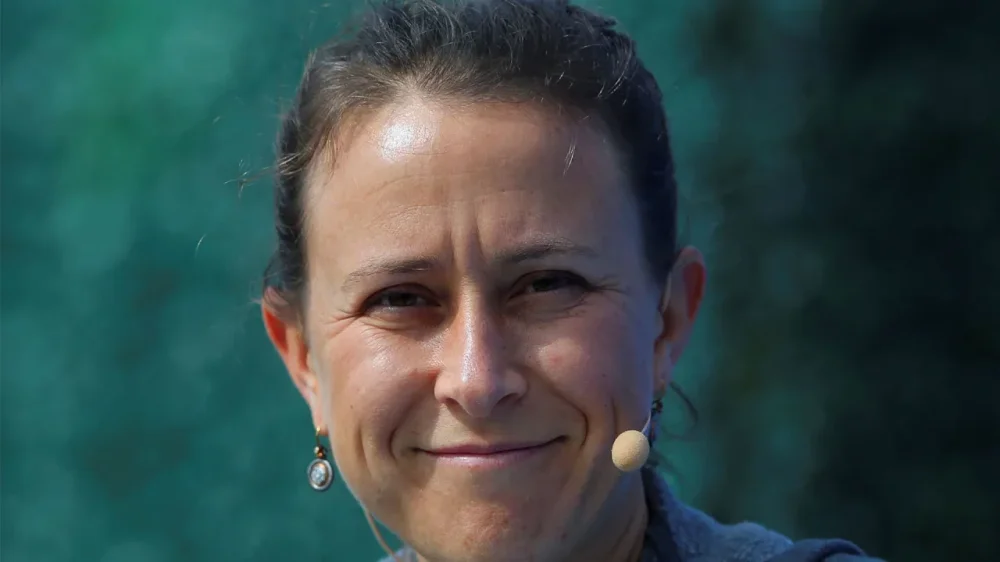
A U.S. House committee on Tuesday asked 23andMe’s co-founder to testify next month as it launched an investigation into the risk of genetic data being transferred to potential buyers amid the DNA testing company’s bankruptcy. James Comer, a Republican from Kentucky and the chairman of the House Committee on Oversight and Government Reform, sent a letter to 23andMe’s Anne Wojcicki, seeking her testimony on May 6 as well as documents and information from the genomics firm. The genomics firm filed for bankruptcy protection last month after struggling with weak demand for its ancestry testing kits. Wojcicki made multiple failed takeover bids for the company and resigned as its CEO in March. She is still a board member of the company. The bankruptcy filing has raised concerns about where the genetic data it collected would go. The company has said the bankruptcy process will not affect how it stores, manages, or protects customer data. 23andMe collects saliva samples to provide insights into ancestry and health risks. There were concerns the data on 23AndMe’s more than 15 million customers, if not protected sufficiently, could be accessed by countries such as China, or used for assessing higher insurance premiums, among other purposes, Comer said. “We need to ensure the safety of Americans’ data,” Comer said in the letter. The company was also the target of a hack in 2023, when personal data of nearly 7 million customers was exposed over five months. The company has also made at least 30 deals with pharmaceutical companies such as GSK, giving them access to its database. Most of its agreements remain undisclosed. 23andMe said in March any buyer will be required to comply with applicable laws about how customer data is treated. (This story has been refiled to correct the day of the week from ‘Monday’ to ‘Tuesday’ in paragraph 1) —Siddhi Mahatole, Reuters View the full article
-
Chinese carmaker’s absence from the US, once seen as a weakness, has turned into an assetView the full article
-
UPS announced two new ground shipping products recently, expanding its end-to-end logistics offerings with the launch of UPS Ground Saver and UPS Ground with Freight Pricing. The company says these options are designed to meet the diverse needs of both residential and commercial shippers, delivering flexibility, control, and value in a changing logistics environment. “UPS is on a mission to transform our customer experience by offering an end-to-end portfolio which provides delivery, returns and pickup services seven-days-a-week,” said UPS Chief Commercial and Strategy Officer Matt Guffey. “Ground Saver and Ground with Freight Pricing represent the first of many product enhancements UPS will roll out in 2025.” UPS Ground Saver The UPS Ground Saver service targets less urgent residential deliveries and leverages the UPS Smart Logistics Network to provide cost-effective shipping without compromising reliability. According to the company, Ground Saver offers delivery speeds comparable to UPS Ground plus one to two additional days, making it a suitable option for direct-to-consumer businesses shipping lower-value merchandise. The service also features enhanced consumer control through UPS My Choice, allowing recipients to upgrade their shipments to UPS Ground. Additional features include detailed product visibility and delivery photo confirmation. UPS Ground with Freight Pricing For heavier shipments, UPS has introduced Ground with Freight Pricing. This option is tailored for commercial customers shipping packages over 150 lbs. that don’t require a full pallet. The service aims to provide small package reliability with cost benefits typically associated with less-than-truckload (LTL) shipping. Key advantages of UPS Ground with Freight Pricing include predictable cost savings over traditional LTL carriers, no added fees for lift-gate or inside delivery, and comprehensive nationwide coverage. Guffey noted, “UPS is the only major U.S. small package carrier that offers parcel service at LTL pricing, which is a true differentiator.” The company sees significant opportunity in this segment, citing a projection from IBIS World that pegs the LTL market size at nearly $94.5 billion by 2025. The ability to service this market with small package infrastructure positions UPS for continued growth. Looking Ahead UPS plans to introduce additional enhancements to its premium portfolio throughout 2025. These updates will focus on increasing customer control, visibility, and choice, reinforcing the company’s strategy of delivering tailored solutions for a broad range of shipping needs. The launch of Ground Saver and Ground with Freight Pricing reflects UPS’s commitment to evolve alongside the logistics market, with a focus on efficiency, customer experience, and reliability. Image: UPS This article, "UPS Expands Ground Shipping Portfolio with New Saver and Freight Options" was first published on Small Business Trends View the full article
-
UPS announced two new ground shipping products recently, expanding its end-to-end logistics offerings with the launch of UPS Ground Saver and UPS Ground with Freight Pricing. The company says these options are designed to meet the diverse needs of both residential and commercial shippers, delivering flexibility, control, and value in a changing logistics environment. “UPS is on a mission to transform our customer experience by offering an end-to-end portfolio which provides delivery, returns and pickup services seven-days-a-week,” said UPS Chief Commercial and Strategy Officer Matt Guffey. “Ground Saver and Ground with Freight Pricing represent the first of many product enhancements UPS will roll out in 2025.” UPS Ground Saver The UPS Ground Saver service targets less urgent residential deliveries and leverages the UPS Smart Logistics Network to provide cost-effective shipping without compromising reliability. According to the company, Ground Saver offers delivery speeds comparable to UPS Ground plus one to two additional days, making it a suitable option for direct-to-consumer businesses shipping lower-value merchandise. The service also features enhanced consumer control through UPS My Choice, allowing recipients to upgrade their shipments to UPS Ground. Additional features include detailed product visibility and delivery photo confirmation. UPS Ground with Freight Pricing For heavier shipments, UPS has introduced Ground with Freight Pricing. This option is tailored for commercial customers shipping packages over 150 lbs. that don’t require a full pallet. The service aims to provide small package reliability with cost benefits typically associated with less-than-truckload (LTL) shipping. Key advantages of UPS Ground with Freight Pricing include predictable cost savings over traditional LTL carriers, no added fees for lift-gate or inside delivery, and comprehensive nationwide coverage. Guffey noted, “UPS is the only major U.S. small package carrier that offers parcel service at LTL pricing, which is a true differentiator.” The company sees significant opportunity in this segment, citing a projection from IBIS World that pegs the LTL market size at nearly $94.5 billion by 2025. The ability to service this market with small package infrastructure positions UPS for continued growth. Looking Ahead UPS plans to introduce additional enhancements to its premium portfolio throughout 2025. These updates will focus on increasing customer control, visibility, and choice, reinforcing the company’s strategy of delivering tailored solutions for a broad range of shipping needs. The launch of Ground Saver and Ground with Freight Pricing reflects UPS’s commitment to evolve alongside the logistics market, with a focus on efficiency, customer experience, and reliability. Image: UPS This article, "UPS Expands Ground Shipping Portfolio with New Saver and Freight Options" was first published on Small Business Trends View the full article
-
European Banking Authority says variable pay for some staff has risen to more than €1mn View the full article
-
Join us live to explore how today’s most advanced Google Ad strategies align with what actually drives business performance. The post Beyond ROAS: Aligning Google Ads With Your True Business Objectives [Webinar] appeared first on Search Engine Journal. View the full article
-
No matter how much Google has tried over the past couple of years, it's never managed to make Android updates as seamless as iOS updates. On the iPhone, every compatible iPhone across the globe gets the same updates, at the same time. On Android, it's anyone's guess. Google releases the latest and greatest Android updates for Developers and its Pixel devices, and then Android smartphone manufactures get started with developing their own versions. For instance, because Samsung's version of Android 15 is different from what OnePlus is doing, that can sometimes mean key features don't show up on your phone until quite a ways down the line. To mitigate this to some extent, Google has decided to take matters into its own hands, pushing out some security, privacy, and device tracking features to all Android devices at once, using a little known framework called Google Play system updates. And yes, it's confusing. It's not just about the Google Play Store or services, and it's something that you might never come across on your own. Google doesn't send notifications about it, nor is it a part of the regular Software Update screen. So what is it, where is it, and why is it so important? Why are Google Play system updates so important? Credit: Khamosh Pathak As I mentioned above, unless you're on a Pixel, any regular Android update comes straight from your phone's manufacturer, and not Google itself. This is usually where you get big Android updates, like how Samsung phones got updated to Android 15 with the One UI 7 update. But the Google Play System updates are different. It all started in 2019 with Project Mainline, where Google started to split some of the key components of the OS. With this project, Google can enhance Android's security and privacy features without going through the regular channels. This is why, in the past, Google has been able to push features like Android Theft Detection, Remote Lock, and Offline Lock to all Android phones running Android 10 and above overnight. Something like this just isn't possible with regular Android updates. While these are small features, they're not all that Play System updates give you. Google Play System updates are also responsible for Google Play Protect, the framework that scans and reports malicious apps on the Play Store, plus they add new features to the Google Play Store and Google Wallet. Unlike a regular Android update, which might show up at any time, Google Play system updates show up every month without fail. You can check out Google's website to see what's new each month. It's important to make sure you're getting these. Alongside their new features, they also introduce important security updates and bug fixes to the entire Google Play Services platform. Why don't you ever see Google Play system updates?These updates are critical. But sometimes months can go by before you actually have the newest one. That's because Google doesn't promote these updates in any fashion. There are no notifications for them, and they aren't even automatically installed when you perform a regular Android OS update. Weirdly, they are only automatically installed when you reboot your smartphone. And give how smartphones are used these days, that can be months apart. How to check for Google Play system updates Credit: Khamosh Pathak I can't say if Google will eventually change its ways and make Play system updates more prominent. But for now, there's only one way to check for them, and that is to manually install them in the Security updates section in the Settings app. Different phones have different menus, so I'll use Pixels as an example for how to find this page. If you're using a Google Pixel phone, go to Settings > Security & privacy > System & updates. You'll see two sections, Security update and Google Play system update. Tap the latter option to download and install the update. The update will be installed after your device reboots. On any other smartphone, search is going to be your friend. In the Settings app, search for "Play system update," which should help get you where you need to go. View the full article
-
Most email apps have strong opinions about what your inbox should look like. Notion Mail is the opposite. The new offshoot from productivity app Notion is all about flexibility. It lets you slice and dice your emails however you want: group them by date, create dedicated sections for specific contacts, add notes, or even turn your inbox into a list of action items. There’s also an AI labeling feature that can automatically sort things like package updates or health-related messages. It can feel overwhelming at first—but so can Notion itself. That hasn’t stopped the productivity platform from amassing 100 million users, with use cases ranging from simple note-taking to complex database management. Notion Mail is trying to bring that same level of adaptability to your inbox—and the more effort you put in, the more useful it gets. Notion Mail is available now for Gmail and Google Workspace users on the web and as a Mac app. An iOS app is coming soon, and support for more email providers is on the way. Roll your own inboxNotion Mail’s most interesting feature is the ability to customize what your default inbox view looks like, both in terms of how it’s organized and which emails you’ll see. For instance, I like having some visual separation between recent and older emails. By clicking the “Edit View” button and selecting “Groups,” you can choose a “Date” view that sorts emails into clusters for today, yesterday, last week, last month, and earlier. Notion Mail’s “Groups” feature has some other neat ways to partition your inbox, as well. You can have emails from specific people or domains appear at the top, separate read emails from unread ones, or group by label. Within the same “Edit View” menu, you can also set up filters to hide or show certain types of messages. This lets you filter out things like Gmail’s Promotions and Updates categories, certain keywords, or specific addresses. Where things get really interesting, though, is the “Properties” you can apply to each email. Some of these are standard things like the sender’s name or labels, but Notion also lets you append types of data, such as notes and status indicators. You can then use these properties to sort your inbox. By adding statuses like “in progress” or “pending” to your emails and then grouping them by status, for instance, you can turn your inbox into a kind of project management system. These views aren’t limited to your main inbox. Notion Mail’s left sidebar lets you create additional views, each with their own custom properties and groupings. That means you can keep a traditional inbox as your default, while also setting up a project management–style view for messages from colleagues. Like the main Notion app, Notion Mail includes several templates to help you get started, and it’ll eventually let users create and share their own. Occasionally iffy AI filteringNotion Mail’s other big feature involves using AI to organize your emails. With the “Auto Label” feature, you can enter the type of emails you’re looking for, and Notion will try to fetch messages that match. While Gmail’s own filtering rules can already label incoming messages automatically, Notion’s AI can make inferences that a normal keyword search wouldn’t pick up. An Auto Label rule for “medical/doctor,” for instance, might capture health-related emails even if those words didn’t appear in the message. This opens up some potentially clever use cases. I set up a rule for anything related to package arrivals, for instance, giving me a quick way to see the status of all my deliveries. I also made a “Suggest emails to delete” rule, then used Notion’s Unsubscribe button to remove myself from a bunch of mailing lists. The downside to this approach is that it can miss things. When I set up a “Florida 2025 trip” Auto Label, it tagged a bunch of unrelated emails and excluded a few relevant ones. You can help the labeling by tagging or untagging specific messages, but in some cases you’re just better off labeling emails manually. AI labeling is also how Notion plans to make money from its mail product. While Notion Mail is free, a $10 per month AI add-on is required to label more than a few hundred emails or so. That upgrade also adds AI composition features, and provides access to AI features in Notion proper. Tying it all togetherAfter a few days of using Notion Mail, I can see how it might dig its hooks in. It’s been a while since I’ve used Notion for everyday notetaking—I switched to Obsidian, an offline-first alternative, a couple years back—but I still remember how it won me over. I started off using it for simple note-taking, but before long had developed a branching system of subpages for different projects, and was using templates to organize some of my product reviews. The more time I spent tweaking my notetaking setup, the more personally invested in it I felt. Notion Mail has a pretty similar learning curve. My first step was to set up a basic inbox view with just a few personalized tweaks, but I’ve started to experiment with alternative views and can see how they might be better at organizing all the info that’s trapped inside Gmail. And I know that if I keep sinking more time into it, the harder it’ll get to use anything else. View the full article

-
This post was written by Alison Green and published on Ask a Manager. A reader writes: I keep finding myself in this weird situation at work. I’m a medical resident in an academic hospital system in a big progressive city. I keep finding myself in mandatory educational events where the facilitator introduces the concept of privilege as if no one’s ever heard of it and invites/demands everyone to share their privilege/lack thereof. Real examples: “Let’s all reflect on our positionality, and then go around the room. I’m Dr. LastName. As you know, I’m the head of this department. I’m the child of South Asian immigrants, and I’m able-bodied. I live with my wife and children. Your turn!” and, “I invite you to turn to your colleagues — preferably someone you don’t know — and introduce yourself in a way you never have before, considering some of the identities on this wheel of privilege.” I was in the same room as everyone else in my small program, my program director, and six other attending physicians who regularly evaluate me. It feels screamingly obvious to me that this is inappropriate. Are we … supposed to out ourselves? Are we supposed to out each other? Is this a therapy session that no one consented to? It’s like there’s this shared nonsensical belief that just because we’re all “progressive” that makes this a “safe space” and suddenly it’s no longer harassment to demand information about your colleagues’ sexuality, religion, or gender identity. Please, PLEASE tell me there are magic words to get this to stop. So far, I’ve tried saying things like, “Thank you, this is so important to reflect on, and this certainly isn’t the first time it’s come up. My name is Name, and I’m a fifth-year resident here at East University. I studied Basket Weaving at North University and did medical school at West University,” which results in awkward silence but at least then my peers feel empowered to do the same instead of introducing themselves as a collection of privileges and marginalizations. I’ve also tried, “You know, I’m reflecting on what’s appropriate to share with colleagues, and the importance of appropriate boundaries.” Both have resulted in disappointment from the facilitator and further boundary-pushing. HELP! Yeah, this is inappropriately invasive. I get that they’re trying to get you to reflect on areas of privilege or potential lack of privilege and to consider how different aspects of a person’s identity can intersect to create a more complex experience, but there are ways to do that that don’t push people to share information they may not be comfortable sharing in a work setting. Your trainers might argue that you only need to share things you’re comfortable with — but given the way they respond when you attempt to do that, that doesn’t seem to be true. You could try saying this: “I appreciate the point that’s being made about intersectionality, and I also think it’s important that people not be pushed to out themselves in ways they’d prefer not to, particularly in a professional context. So I’m going to stick with the things you can see about me and a few other basics, and hope that gives other people permission to do the same if they choose to.” But I would also push back hard on this in course evaluations if they do them, and possibly to whoever coordinates these trainings to begin with. Point out that demanding this kind of sharing will put people, particularly people with marginalized identities, in a position of vulnerability and risks opening them up to discrimination — an outcome that’s presumably directly the opposite of these sessions’ goals — and that no one should feel pressured into unwanted exposure at a work training. View the full article
-
Mid-tier firm MHA floats on London’s Aim as shake-up of sector gathers steamView the full article
-
Nvidia announced Monday that it will produce its artificial intelligence supercomputers in the United States for the first time. The tech giant said it has commissioned more than one million square feet of manufacturing space to build and test its specialized Blackwell chips in Arizona and AI supercomputers in Texas—part of an investment the company said will produce up to half a trillion dollars of AI infrastructure in the next four years. “The engines of the world’s AI infrastructure are being built in the United States for the first time,” Nvidia founder Jensen Huang said in a statement. “Adding American manufacturing helps us better meet the incredible and growing demand for AI chips and supercomputers, strengthens our supply chain and boosts our resiliency.” Nvidia’s announcement comes as the The President administration has said that tariff exemptions on electronics like smartphones and laptops are only a temporary reprieve until officials develop a new tariff approach specific to the semiconductor industry. White House officials, including President Donald The President himself, spent Sunday downplaying the significance of exemptions that lessen but won’t eliminate the effect of U.S. tariffs on imports of popular consumer devices and their key components. “They’re exempt from the reciprocal tariffs but they’re included in the semiconductor tariffs, which are coming in probably a month or two,” U.S. Commerce Secretary Howard Lutnick told ABC’s This Week on Sunday. Nvidia said in a post on its website that it has started Blackwell production at Taiwan Semiconductor Manufacturing Co. chip plants in Phoenix. The Santa Clara, California-based chip company is also building supercomputer manufacturing plants in Texas—with Foxconn in Houston and Wistron in Dallas. Nvidia’s AI supercomputers will serve as the engines for AI factories, “a new type of data center created for the sole purpose of processing artificial intelligence,” the company said, adding that manufacturing in the U.S. will create “hundreds of thousands of jobs and drive trillions of dollars in economic security over the coming decades.” Mass production at both plants is expected to ramp up in the next 12–15 months, Nvidia said. The company also plans on partnering with Taiwan-based company SPIL and Amkor for “packaging and testing operations” in Arizona. In a statement Monday, the White House called Nvidia’s move “the The President Effect in action.” The President “has made U.S.-based chips manufacturing a priority as part of his relentless pursuit of an American manufacturing renaissance, and it’s paying off—with trillions of dollars in new investments secured in the tech sector alone,” the White House said. Earlier this year, The President announced a joint venture investing up to $500 billion for infrastructure tied to artificial intelligence by a new partnership formed by OpenAI, Oracle and SoftBank. The new entity, Stargate, was tasked with building out data centers and the electricity generation needed for the further development of the fast-evolving AI in Texas, according to the White House. The initial investment is expected to be $100 billion and could reach five times that sum. —Sarah Parvini, AP Technology Writer View the full article

-
The best way to fail as a project manager is to avoid planning and just react to problems. Learn how to build a process improvement plan to make your processes more efficient, effective, and profitable. The post How to Create a Process Improvement Plan That Delivers Real Results appeared first on The Digital Project Manager. View the full article
-
Sometimes, the best way to solve a problem is sitting right in front of you. If your problem is that you need a webcam, you can try using your Android phone for the job instead of buying a dedicated device. This is especially useful if you have a spare Android phone lying around and you need it for video calls on your PC or Mac. You can also use your primary Android phone as a webcam, but its utility will be limited since you'll have to keep unplugging it, remembering to put it into do not disturb, or turning on airplane mode to ensure that your video call isn't interrupted. Here are all the ways you can use your Android phone as a webcam. Use the webcam mode on your Android phoneAs long as you have a phone running Android 14 or newer, you can use the built-in webcam mode on it. This is as easy as using a USB cable to connect your phone to a computer and enabling webcam mode. Here's what you need to do: Unlock your Android phone and use a USB cable that supports data transfer to connect it to your PC or Mac. The moment your phone is connected, you'll see a USB mode notification that will tells you the phone is currently charging. Tap this alert and select Webcam. This puts your phone in webcam mode and displays a notification with additional info. Tap the notification to see the viewfinder and adjust the frame to your liking. On your PC or Mac, open any video calling app, and under camera options, you'll see Android Device or Android Webcam as an available camera. Select this to have your phone serve as your webcam. Be sure to disable all notifications on your phone or put it in airplane mode in order to avoid interruptions. If someone calls your phone when it's being used as a webcam, your video call will be paused, and it'll only resume once the phone call has been disconnected. Using third-party apps to turn your Android phone into a webcam Credit: Camo The built-in method works great on Pixel devices and other phones running stock Android, but it may not always work correctly if your phone has a heavily customized Android variant. It's also not an option for people who use phones with older versions of Android, which is a good enough reason to turn to third-party apps to get the job done. The good old DroidCam (free, ad-supported) or its paid variant, DroidCamX ($5), are both quite handy for this job. Install the client on your PC or Linux computer and follow the on-screen instructions to set up the app on both devices. The advantage here is that you can connect over wifi and a USB cable, whereas the built-in method is wired only. The free version has ads and limitations that don't let you rotate or flip the camera, but otherwise, it's good enough for most people. There are no watermarks or other usage-related limitations in the free version. Camo is an extremely feature rich alternative for using your Android phone as a webcam. You can use this app with both Windows and Mac, which may appeal to a larger audience, since DroidCam lacks a Mac app. The app is free to use for up to 720p video, which is honestly good enough for video calls, but if you need up to 4K video for your webcam, you can subscribe to the pro tier ($50/year). This app supports both wifi and USB connectivity, but the developers recommend USB for initial setup and better performance, including lower latency. The setup is quite straightforward—just install the app on your phone and on Mac or Windows, connect your Android phone to your computer via USB, and follow the on-screen instructions. The advantage of using Camo is that it's not just a bridging app that connects your phone to the PC. It also works with dedicated webcams and features video effects such as Portrait mode (to blur the background) and lighting effects. It also lets you adjust the resolution, frame rate, and focus point in your videos. For more, read Camo's official guide to adjusting video settings. View the full article
-
Japanese regulators on Tuesday accused U.S. tech giant Google of violating anti-monopoly laws, echoing similar moves in the U.S. and Europe. Google Japan said in a statement that it found the action “regrettable.” It said it has invested in Japan significantly to promote innovation as a technology leader. The Japan Fair Trade Commission’s “cease and desist order” says Google must stop the preinstallation of the Google search engine in Android smartphones, which it said in effect shuts out competition. It’s unclear if Google, a subsidiary of Alphabet Inc., based in Mountain View in the Silicon Valley, will take legal action to fight the order. In the U.S., a judge ruled last year that Google’s ubiquitous search engine illegally exploited its dominance to squash competition. Google has denied the allegations, arguing that it’s immensely popular because people like what it offers. The appeals process is likely to take years. Japanese regulators began their investigation into Google in 2023. They said they consulted with overseas authorities dealing with similar cases. European regulators have also slammed what they see as Google’s monopolistic dominance. Tuesday’s move marks the first time the Japan Fair Trade Commission has taken such an action against a major global technology company. —Associated Press View the full article

-
As a project manager, your job isn’t just to hit deadlines—it’s to keep your team engaged, motivated, and mentally well along the way. Here's how to use ethical gamification to build a healthier team culture, without turning work into a points-based grind. The post The Dark Side of Karma & Unicorns—Why Gamifying Projects Doesn’t Work appeared first on The Digital Project Manager. View the full article
-
Expand capabilities, boost client satisfaction, and build thriving businesses—without sacrificing independence. The Disruptors With Liz Farr Go PRO for members-only access to more Liz Farr. View the full article
-
Expand capabilities, boost client satisfaction, and build thriving businesses—without sacrificing independence. The Disruptors With Liz Farr Go PRO for members-only access to more Liz Farr. View the full article
-
If you have a Samsung Galaxy phone, then you also have access to the Good Lock app from the Galaxy Store or the Play Store. This free app provides a host of extra ways to tweak and customize your handset, above and beyond what you get in One UI, and it covers everything from 3D wallpapers to advanced camera settings. There's a lot to explore in Good Lock, and you can pick and choose from its various modules (mini-apps) as needed. Samsung recently shared the three modules that have been most popular with users since Good Lock first launched back in April 2016, and they're good starting points for anyone new to the app or wanting to explore it further. When you open up Good Lock on your Galaxy phone, you'll see all the various modules listed under the Plugins tab—tap any of the filters at the top of the list to narrow down your search. When you've found something you want to use, tap the download button (the downward arrow) next to it on the right. Sound Assistant Tweaking the volume slider in Sound Assistant. Credit: Lifehacker Sound Assistant gives you access to a host of different tweaks for the sound settings on your device. For example, you can change how the volume slider looks, change how much the volume increases and decreases by every time you press either of the volume buttons, set specific volume levels for specific apps, and have alerts (for notifications and alarms) only sound through headphones rather than the phone speaker. Tap the top Customize volume panel option inside Sound Assistant to do just that. You're able to change the layout, lighting effects, and colors used in the panel as you see fit. If you then go back to the previous screen, you can drag across the Change step volume slider to set volume increments to anything from 1 to 10. The ability to set different volume levels for individual apps means that you can, say, keep your white noise app to a murmur while your podcast app is at full volume. Tap Individual app volumes to get started, then the + (plus) button to add an app. You then get a 0-100 percent slider for each of the apps you've selected. Theme Park Theme Park lets you play around with icon shapes and colors. Credit: Lifehacker The Theme Park module enables you to let loose when it comes to customizing the visual interface of your phone. You can edit the colors of your keyboard, the Quick Settings pane, and the volume panel, as well as change the shape and color of icons, and set up a gallery of wallpapers. You can switch between different theme options with a tap. Choose Create New and follow the instructions on screen to pick out an image to use for your phone wallpaper, which you can crop as needed. You then get suggestions for color schemes based on the wallpaper you've picked, which you can override. To save your new theme, tap the downward arrow (top right) and give it a name. The other tabs inside the module work in a similar way. It can take a little while to get a grip on everything in Theme Park, but most of it works intuitively, and if you invest some time and effort into your theme building, you can create something that looks quite different from the default One UI interface. One Hand Operation+ Setting up options in One Hand Operation+. Credit: Lifehacker The third module showcased by Samsung is One Hand Operation+. As the name suggest, this enables you to control more actions on your phone with a single thumb, whether you're right or left-handed, so it's easier to operate One UI and your apps if you only have one hand free. Once you've switched on the module, you get two "handles" at either side of the screen you can configure. You're able to assign different gestures to different actions via these handles. So a quick swipe in from the right, for example, will take you back to the home screen. You can have just one handle on either the left or the right, or use both of them. You can also change the size and touch sensitivity of the handles to make sure they work well for you, and there are additional settings to exempt specific apps from using the handles, and to disable the one-handed interface when certain conditions are met (such as you're watching a movie in landscape mode). Other modules You can tweak the lock screen clock and widgets with LockStar. Credit: Lifehacker Those are the three Good Lock modules that have proved popular with users down the years, but there are plenty of other ones to try. One I particularly like is LockStar, which gives you additional options for customizing how the lock screen looks: You can change the lock screen layout, switch between clock styles, and more. Home Up is also well worth a look. It lets you build a freeform home screen layout with the widgets and app icons of your choosing, and you can add stickers, tweak the gesture controls for navigating around, and even adjust animation speeds and smoothness. You also get more control over the share panel and the recent apps view in One UI. If you make a lot of use of the Camera app on your Galaxy phone, give Camera Assistant a look as well. The extra options it adds include zoom shortcuts, HDR handling, picture softening, switching between different camera lenses, and photo resolutions. View the full article
-
Recent wildfire updates include the Federal Housing Authority's waiving of quality-control reviews and the upheaval of the state's commercial real estate space. View the full article

-
Here is a recap of what happened in the search forums today, through the eyes of the Search Engine Roundtable and other search forums on the web. The Financial Times interviewed Google's head of search, Liz Reid. Google AI Overviews can link to itself over and over again...View the full article
-
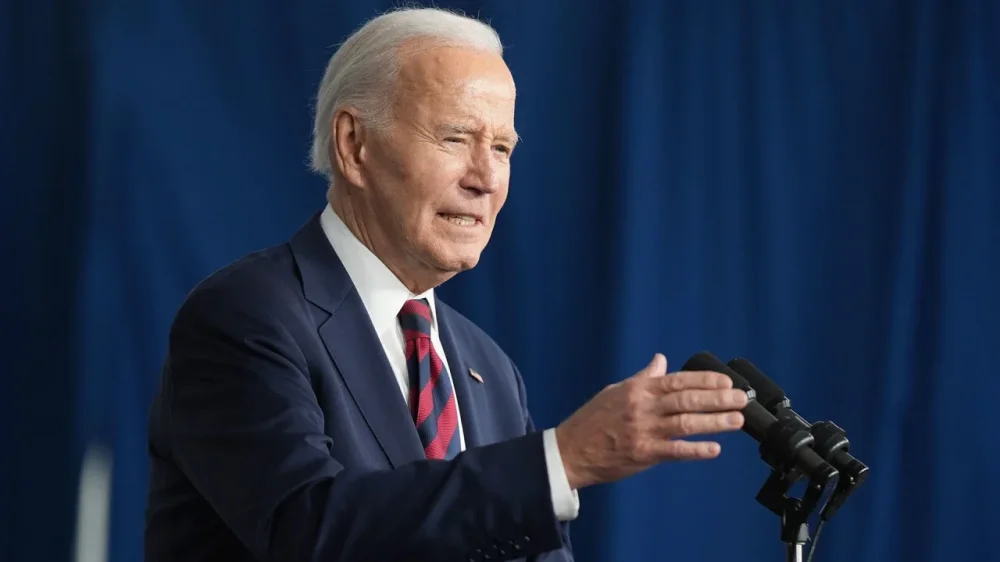
Former President Joe Biden returns to the national stage Tuesday to elevate liberal concerns that President Donald The President’s agenda is threatening the health of Social Security. The 82-year-old Democrat has largely avoided speaking publicly since leaving the White House in January. That’s even as The President frequently blames Biden for many of the nation’s problems, often attacking his predecessor by name. Biden is expected to fight back in an early evening speech to the national conference of Advocates, Counselors and Representatives for the Disabled in Chicago. While Biden has made a handful of public appearances in recent weeks, Tuesday’s high-profile address focuses on a critical issue for tens of millions of Americans that could define next year’s midterm elections. “As bipartisan leaders have long agreed, Americans who retire after paying into Social Security their whole lives deserve the vital support and caring services they receive,” said Rachel Buck, executive director of the ACRD. “We are thrilled the president will be joining us to discuss how we can work together for a stable and successful future for Social Security.” The President almost immediately began slashing the government workforce upon his return to the White House, including thousands of employees at the Social Security Administration. Along with a planned layoff of 7,000 workers and controversial plans to impose tighter identity-proofing measures for recipients, the SSA has been sued over a decision to allow Elon Musk’s Department of Government Efficiency to access individuals’ Social Security numbers and other personally identifiable information. Musk, the world’s richest man and one of The President’s most influential advisers, has called Social Security “the biggest Ponzi scheme of all time.” At the same time, Social Security recipients have complained about long call wait times as the agency’s “my Social Security” benefits portal has seen an increase in outages. Individuals who receive Supplemental Security Income, including disabled seniors and low-income adults and children, also reported receiving a notice that said they were “not receiving benefits.” The agency said the notice was a mistake. And the White House has vowed that it would not cut Social Security benefits, saying any changes are intended to reduce waste and fraud. Biden will be joined in Chicago by a bipartisan group of former elected officials, including former Sen. Roy Blunt, R-Mo., former Sen. Debbie Stabenow, D-Mich., and former Social Security Administrator Martin O’Malley. “Social Security is a sacred promise between generations,” O’Malley said. “We are deeply grateful to the President for joining us at ACRD to discuss how we can keep that promise for all Americans.” Biden is not expected to make frequent public appearances as he transitions into his post-presidency. He still maintains an office in Washington, but has returned to Delaware as his regular home base. The President has revoked his security clearances. While Biden may be in position to help his party with fundraising and messaging, he left the White House with weak approval ratings. Biden also faces blame from some progressives who argue he shouldn’t have sought a second term. Biden ended his reelection bid after his disastrous debate performance against The President and made way for then-Vice President Kamala Harris, who lost to The President in the fall. Just 39% of Americans had a favorable opinion of Biden in January, according to a Gallup poll taken shortly after The President’s inauguration. Views of the Democratic former president were essentially unchanged from a Gallup poll taken shortly after the November election. They broadly track with the steadily low favorability ratings that Biden experienced throughout the second half of his presidential term. Peoples reported from New York. Associated Press writer Linley Sanders contributed to this report. —Steve Peoples and Fatima Hussein, Associated Press View the full article
-
Key Takeaways Decentralization Empowers Creators: Web3 shifts control from centralized platforms to individual creators, allowing for direct engagement with audiences and enhanced profit margins through reduced reliance on intermediaries. Blockchain Technology Provides Transparency: Utilizing blockchain ensures secure transactions and protection of intellectual property, fostering trust and encouraging deeper audience engagement. Innovative Revenue Models with NFTs: Non-Fungible Tokens offer unique monetization opportunities for creators, allowing them to sell exclusive content and experiences, thus enhancing customer loyalty. Efficiency through Smart Contracts: Smart contracts automate transaction processes, improving cash flow management and freeing creators to focus on growth and marketing strategies. Networking and Collaboration: Engaging with the Web3 ecosystem opens doors for collaboration with fellow creators and potential investors, expanding growth opportunities in the creator economy. Adapting to Challenges: Awareness of technical barriers, regulatory concerns, and market volatility is crucial for navigating the Web3 landscape successfully while maintaining a sustainable business model. The digital landscape is evolving, and Web3 is at the forefront of this transformation. By shifting the power dynamics from centralized platforms to individual creators, Web3 is unlocking new possibilities for monetization and engagement. This decentralized approach allows you to take control of your content, connect directly with your audience, and build sustainable income streams. As the creator economy continues to grow, understanding how Web3 impacts your opportunities is crucial. You’ll discover how blockchain technology, NFTs, and decentralized applications are reshaping the way creators interact with their fans and monetize their work. Embracing these changes can empower you to thrive in a landscape where creativity and innovation reign supreme. Overview of Web3 Web3 signifies a radical shift in how you interact online, moving from centralized platforms to a decentralized web. This empowerment allows you to control your content and engage directly with your target audience. In this new paradigm, creators like you can establish sustainable income streams through innovative business models. Blockchain technology underpins Web3, offering transparency and security. It facilitates the use of digital currencies and smart contracts, making transactions more efficient. As you explore these options, you’ll discover how decentralized applications (dApps) can enhance your customer acquisition strategies. Non-fungible tokens (NFTs) present unique opportunities for monetization. NFTs allow you to offer exclusive content or experiences to your audience, adding value while protecting your intellectual property. Leveraging NFTs can differentiate your branding and reinforce loyalty among your supporters. Engaging with the Web3 ecosystem encourages collaboration and networking. You can connect with fellow creators and potential investors, expanding your growth strategy. Understanding how to navigate this landscape can amplify your small business’s reach and impact, positioning you for long-term success in the creator economy. Key Features of Web3 Web3 presents distinct features that reshape how you engage with your audience and monetize your work. Understanding these elements can enhance your journey as a small business owner or entrepreneur. Decentralization Decentralization removes the reliance on central authorities, enabling you to manage your intellectual property directly. You can distribute your content without intermediaries, such as publishers or record labels. This shift keeps revenue from going to third parties, increasing your profit margin. By building a direct connection with your target audience, you cultivate a loyal customer base that values your unique offerings. Blockchain Technology Blockchain technology is integral to Web3, serving as a secure and transparent ledger for transactions. This technology allows you to issue tokens that represent ownership stakes in your creative work. As a small business, you retain a larger portion of your earnings while ensuring that your digital assets are protected. Blockchain builds trust with your audience by providing them with undeniable proof of ownership, encouraging deeper engagement and repeat purchases. Smart Contracts Smart contracts simplify transactions by automating agreement execution once predetermined conditions are met. You can utilize these contracts to streamline operations, minimize legal complications, and ensure prompt payment. Smart contracts enhance your cash flow management by eliminating delays associated with traditional payment methods. This efficiency allows you to focus more on product development, marketing, and scaling your business, further driving your growth strategy. The Creator Economy Explained The creator economy enables you to monetize your passion through digital content creation. It provides a platform for content creators, influencers, and artists to thrive, offering diverse opportunities within various activities like social media influencing, blogging, videography, and NFT sales. Definition and Importance The creator economy refers to the economic landscape where individuals earn income from their creative outputs and engage directly with their audiences. This economic shift has transformed how over 50 million independent creators operate, allowing them to cultivate communities and monetize content without traditional gatekeepers. You can manage your intellectual property, set your own pricing, and develop unique business models that cater to your target audience. This sector empowers entrepreneurship by democratizing access to content creation tools and distribution channels. Creators from various backgrounds can express their expertise and passions on a global scale, enhancing their branding and fostering loyal customer relationships. By understanding this economy’s dynamics, you find innovative ways to turn your business idea into a thriving venture. Growth Factors Several growth factors fuel the expansion of the creator economy. Key among them is the rise of Web3 technologies, which shift power from centralized platforms to individual creators. Decentralization grants you greater control over your content, revenue, and audience engagement. Blockchain technology plays a pivotal role in enhancing transparency and security. Utilizing smart contracts allows you to automate transactions, improving cash flow management and freeing you to focus on scaling your operations. NFTs offer unique monetization opportunities, enabling you to sell exclusive content, which improves customer engagement. Networking within the creator economy opens doors to collaborations and partnerships, providing access to resources like mentorship and funding options. By leveraging these growth factors, you position yourself for long-term success in a rapidly evolving business landscape. How Web3 is Transforming the Creator Economy Web3 significantly impacts the creator economy by enabling greater ownership, innovative revenue streams, and enhanced empowerment for creators. Ownership and Control Web3 delivers decentralized ownership, empowering you to retain control of your intellectual property. With blockchain technology, you manage your content directly, eliminating the need for intermediaries. By issuing tokens that represent ownership stakes in your work, you secure a larger share of your earnings. This shift ensures that you maintain authority over how your content is distributed and monetized. New Revenue Streams Web3 fosters new revenue opportunities through innovative business models. As an entrepreneur, you can utilize Non-Fungible Tokens (NFTs) to offer exclusive content or experiences, attracting a dedicated audience. Crowdfunding through decentralized platforms allows you to access funding options directly from your community. Engaging with these new streams enhances your revenue potential while building a loyal customer base. Empowering Creators Web3 equips you with tools to communicate directly with your audience and promote your brand effectively. Decentralized applications (dApps) enable seamless interactions and transactions, enhancing customer acquisition strategies. Automating processes through smart contracts simplifies operations, giving you more time to focus on growth strategies and customer service. By integrating digital marketing techniques, you position yourself for success in the evolving creator economy. Challenges and Limitations Web3 presents opportunities for the creator economy, yet it also faces significant challenges that impact small businesses and entrepreneurs. Technical Barriers You encounter technical barriers when navigating Web3. Scalability issues arise as current blockchain technologies often struggle with increased demand. High transaction fees and slow processing times can hinder your ability to effectively monetize content and manage operations. User experience also poses a challenge. Complexities in blockchain and decentralized applications (dApps) may deter both you and your target audience from fully engaging with these platforms. Security concerns further complicate the landscape, as decentralized systems remain vulnerable to various threats. Regulatory Concerns Regulatory concerns play a crucial role in the adoption of Web3 for small businesses. You face the challenge of keeping abreast of evolving regulations surrounding blockchain technologies and digital currencies. The legal structure of your business may need adjustments to accommodate these shifts. Proper understanding of licensing, permits, and compliance requirements is essential. Engaging legal advice can help ensure your business aligns with regulations, protecting your interests as you venture into the Web3 space. Market Volatility Market volatility impacts your efforts to leverage Web3 platforms. Prices of digital assets can fluctuate dramatically, leading to uncertainty when planning your financial strategies. This volatility may complicate cash flow management, budgeting, and ultimately affect your profit margins. As a small business owner, you must incorporate risk assessment strategies into your growth plans. Monitoring market trends and developing a robust business model that includes potential contingencies will help protect your venture in this fast-paced environment. Conclusion Embracing Web3 can unlock new possibilities for your creative journey. The shift toward decentralization empowers you to take control of your content and revenue streams while fostering direct connections with your audience. As you navigate this evolving landscape, leveraging blockchain technology and innovative monetization strategies can enhance your brand and build loyalty among supporters. While challenges exist, such as technical barriers and market volatility, staying informed and adaptable will position you for success. By embracing the tools and opportunities that Web3 offers, you can thrive in the creator economy and pave the way for a sustainable future. It’s time to harness the power of Web3 and elevate your creative endeavors to new heights. Frequently Asked Questions What is Web3? Web3, or Web 3.0, refers to the next generation of the internet focused on decentralization, empowering individual creators, and utilizing blockchain technology. It aims to shift control from centralized platforms to users, enabling them to manage their own content and engage directly with their audiences. How does Web3 impact creators? Web3 significantly empowers creators by allowing them to have complete control over their intellectual property and earnings. With decentralized platforms, they can monetize their work through innovative models like NFTs and smart contracts, enhancing their ability to connect with fans while retaining more revenue. What are NFTs, and how do they relate to Web3? NFTs, or non-fungible tokens, are unique digital assets that represent ownership of specific content on the blockchain. In the Web3 ecosystem, NFTs provide creators with new monetization opportunities by allowing them to sell exclusive content or collaborations directly to their audience. What are decentralized applications (dApps)? Decentralized applications, or dApps, are software applications that run on a blockchain network rather than being hosted on centralized servers. dApps enhance user privacy, security, and transparency, making them ideal for creators looking to manage transactions and operations without intermediaries. What challenges does Web3 pose for small businesses? Web3 presents challenges including scalability issues, high transaction fees, and complex user experiences. Small businesses must also navigate regulatory concerns and market volatility, which can affect financial planning and cash flow management in this evolving landscape. How can creators succeed in the Web3 ecosystem? Creators can succeed in Web3 by leveraging decentralized platforms, building strong communities, and adapting innovative revenue models like NFTs and smart contracts. Networking within the creator economy and continuously engaging with their audience are also crucial for long-term success. Why is the creator economy important? The creator economy empowers over 50 million independent creators to monetize their passions, cultivate their communities, and produce content without traditional gatekeepers. This shift allows for diverse income streams and reinforces the value creators bring to the digital landscape. Image Via Envato This article, "Empowering Creators: The Impact of Web3 on the Creator Economy" was first published on Small Business Trends View the full article