Newsletter
Want to keep up to date with all our latest news and information?


ResidentialBusiness
Administrators
-
Joined
-
Last visited
Everything posted by ResidentialBusiness
-
If you have a Samsung Galaxy phone, then you also have access to the Good Lock app from the Galaxy Store or the Play Store. This free app provides a host of extra ways to tweak and customize your handset, above and beyond what you get in One UI, and it covers everything from 3D wallpapers to advanced camera settings. There's a lot to explore in Good Lock, and you can pick and choose from its various modules (mini-apps) as needed. Samsung recently shared the three modules that have been most popular with users since Good Lock first launched back in April 2016, and they're good starting points for anyone new to the app or wanting to explore it further. When you open up Good Lock on your Galaxy phone, you'll see all the various modules listed under the Plugins tab—tap any of the filters at the top of the list to narrow down your search. When you've found something you want to use, tap the download button (the downward arrow) next to it on the right. Sound Assistant Tweaking the volume slider in Sound Assistant. Credit: Lifehacker Sound Assistant gives you access to a host of different tweaks for the sound settings on your device. For example, you can change how the volume slider looks, change how much the volume increases and decreases by every time you press either of the volume buttons, set specific volume levels for specific apps, and have alerts (for notifications and alarms) only sound through headphones rather than the phone speaker. Tap the top Customize volume panel option inside Sound Assistant to do just that. You're able to change the layout, lighting effects, and colors used in the panel as you see fit. If you then go back to the previous screen, you can drag across the Change step volume slider to set volume increments to anything from 1 to 10. The ability to set different volume levels for individual apps means that you can, say, keep your white noise app to a murmur while your podcast app is at full volume. Tap Individual app volumes to get started, then the + (plus) button to add an app. You then get a 0-100 percent slider for each of the apps you've selected. Theme Park Theme Park lets you play around with icon shapes and colors. Credit: Lifehacker The Theme Park module enables you to let loose when it comes to customizing the visual interface of your phone. You can edit the colors of your keyboard, the Quick Settings pane, and the volume panel, as well as change the shape and color of icons, and set up a gallery of wallpapers. You can switch between different theme options with a tap. Choose Create New and follow the instructions on screen to pick out an image to use for your phone wallpaper, which you can crop as needed. You then get suggestions for color schemes based on the wallpaper you've picked, which you can override. To save your new theme, tap the downward arrow (top right) and give it a name. The other tabs inside the module work in a similar way. It can take a little while to get a grip on everything in Theme Park, but most of it works intuitively, and if you invest some time and effort into your theme building, you can create something that looks quite different from the default One UI interface. One Hand Operation+ Setting up options in One Hand Operation+. Credit: Lifehacker The third module showcased by Samsung is One Hand Operation+. As the name suggest, this enables you to control more actions on your phone with a single thumb, whether you're right or left-handed, so it's easier to operate One UI and your apps if you only have one hand free. Once you've switched on the module, you get two "handles" at either side of the screen you can configure. You're able to assign different gestures to different actions via these handles. So a quick swipe in from the right, for example, will take you back to the home screen. You can have just one handle on either the left or the right, or use both of them. You can also change the size and touch sensitivity of the handles to make sure they work well for you, and there are additional settings to exempt specific apps from using the handles, and to disable the one-handed interface when certain conditions are met (such as you're watching a movie in landscape mode). Other modules You can tweak the lock screen clock and widgets with LockStar. Credit: Lifehacker Those are the three Good Lock modules that have proved popular with users down the years, but there are plenty of other ones to try. One I particularly like is LockStar, which gives you additional options for customizing how the lock screen looks: You can change the lock screen layout, switch between clock styles, and more. Home Up is also well worth a look. It lets you build a freeform home screen layout with the widgets and app icons of your choosing, and you can add stickers, tweak the gesture controls for navigating around, and even adjust animation speeds and smoothness. You also get more control over the share panel and the recent apps view in One UI. If you make a lot of use of the Camera app on your Galaxy phone, give Camera Assistant a look as well. The extra options it adds include zoom shortcuts, HDR handling, picture softening, switching between different camera lenses, and photo resolutions. View the full article
-
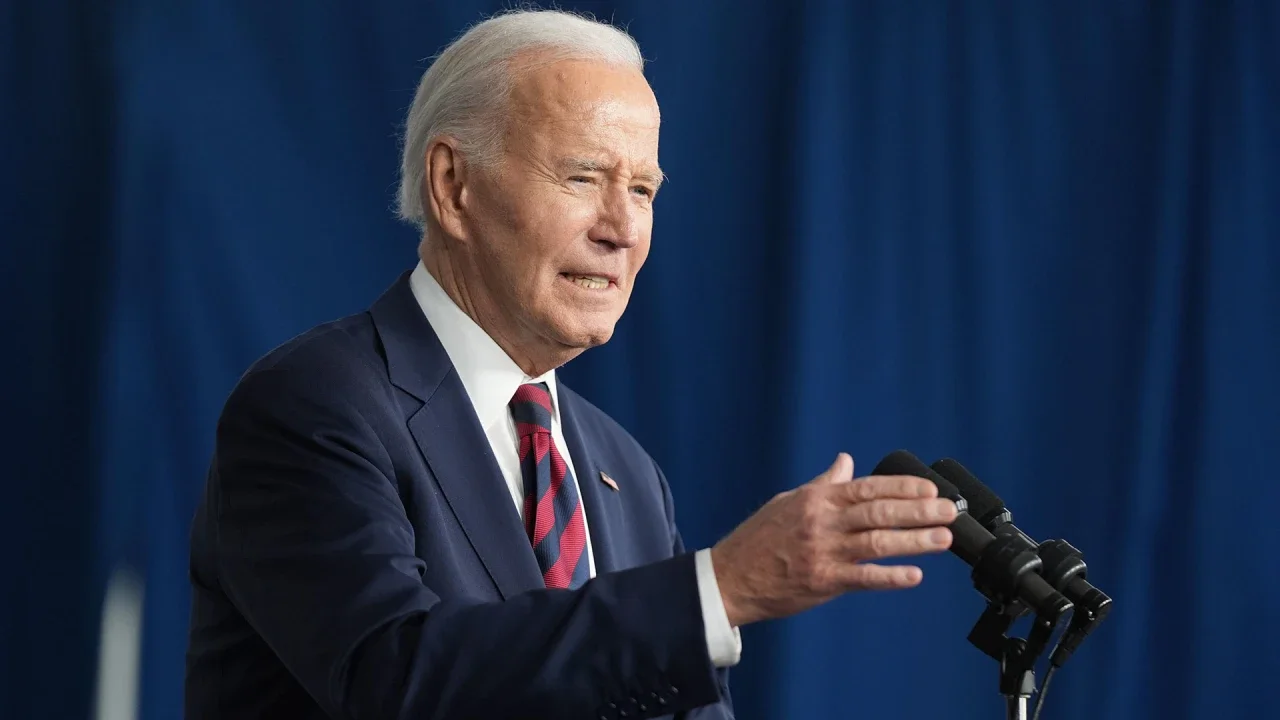
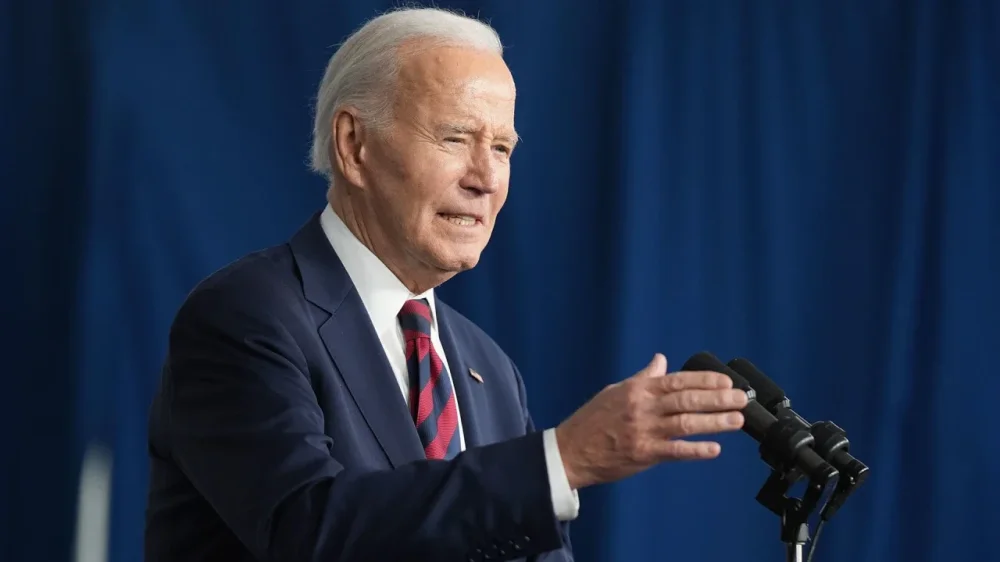
Former President Joe Biden returns to the national stage Tuesday to elevate liberal concerns that President Donald The President’s agenda is threatening the health of Social Security. The 82-year-old Democrat has largely avoided speaking publicly since leaving the White House in January. That’s even as The President frequently blames Biden for many of the nation’s problems, often attacking his predecessor by name. Biden is expected to fight back in an early evening speech to the national conference of Advocates, Counselors and Representatives for the Disabled in Chicago. While Biden has made a handful of public appearances in recent weeks, Tuesday’s high-profile address focuses on a critical issue for tens of millions of Americans that could define next year’s midterm elections. “As bipartisan leaders have long agreed, Americans who retire after paying into Social Security their whole lives deserve the vital support and caring services they receive,” said Rachel Buck, executive director of the ACRD. “We are thrilled the president will be joining us to discuss how we can work together for a stable and successful future for Social Security.” The President almost immediately began slashing the government workforce upon his return to the White House, including thousands of employees at the Social Security Administration. Along with a planned layoff of 7,000 workers and controversial plans to impose tighter identity-proofing measures for recipients, the SSA has been sued over a decision to allow Elon Musk’s Department of Government Efficiency to access individuals’ Social Security numbers and other personally identifiable information. Musk, the world’s richest man and one of The President’s most influential advisers, has called Social Security “the biggest Ponzi scheme of all time.” At the same time, Social Security recipients have complained about long call wait times as the agency’s “my Social Security” benefits portal has seen an increase in outages. Individuals who receive Supplemental Security Income, including disabled seniors and low-income adults and children, also reported receiving a notice that said they were “not receiving benefits.” The agency said the notice was a mistake. And the White House has vowed that it would not cut Social Security benefits, saying any changes are intended to reduce waste and fraud. Biden will be joined in Chicago by a bipartisan group of former elected officials, including former Sen. Roy Blunt, R-Mo., former Sen. Debbie Stabenow, D-Mich., and former Social Security Administrator Martin O’Malley. “Social Security is a sacred promise between generations,” O’Malley said. “We are deeply grateful to the President for joining us at ACRD to discuss how we can keep that promise for all Americans.” Biden is not expected to make frequent public appearances as he transitions into his post-presidency. He still maintains an office in Washington, but has returned to Delaware as his regular home base. The President has revoked his security clearances. While Biden may be in position to help his party with fundraising and messaging, he left the White House with weak approval ratings. Biden also faces blame from some progressives who argue he shouldn’t have sought a second term. Biden ended his reelection bid after his disastrous debate performance against The President and made way for then-Vice President Kamala Harris, who lost to The President in the fall. Just 39% of Americans had a favorable opinion of Biden in January, according to a Gallup poll taken shortly after The President’s inauguration. Views of the Democratic former president were essentially unchanged from a Gallup poll taken shortly after the November election. They broadly track with the steadily low favorability ratings that Biden experienced throughout the second half of his presidential term. Peoples reported from New York. Associated Press writer Linley Sanders contributed to this report. —Steve Peoples and Fatima Hussein, Associated Press View the full article
-
Key Takeaways Decentralization Empowers Creators: Web3 shifts control from centralized platforms to individual creators, allowing for direct engagement with audiences and enhanced profit margins through reduced reliance on intermediaries. Blockchain Technology Provides Transparency: Utilizing blockchain ensures secure transactions and protection of intellectual property, fostering trust and encouraging deeper audience engagement. Innovative Revenue Models with NFTs: Non-Fungible Tokens offer unique monetization opportunities for creators, allowing them to sell exclusive content and experiences, thus enhancing customer loyalty. Efficiency through Smart Contracts: Smart contracts automate transaction processes, improving cash flow management and freeing creators to focus on growth and marketing strategies. Networking and Collaboration: Engaging with the Web3 ecosystem opens doors for collaboration with fellow creators and potential investors, expanding growth opportunities in the creator economy. Adapting to Challenges: Awareness of technical barriers, regulatory concerns, and market volatility is crucial for navigating the Web3 landscape successfully while maintaining a sustainable business model. The digital landscape is evolving, and Web3 is at the forefront of this transformation. By shifting the power dynamics from centralized platforms to individual creators, Web3 is unlocking new possibilities for monetization and engagement. This decentralized approach allows you to take control of your content, connect directly with your audience, and build sustainable income streams. As the creator economy continues to grow, understanding how Web3 impacts your opportunities is crucial. You’ll discover how blockchain technology, NFTs, and decentralized applications are reshaping the way creators interact with their fans and monetize their work. Embracing these changes can empower you to thrive in a landscape where creativity and innovation reign supreme. Overview of Web3 Web3 signifies a radical shift in how you interact online, moving from centralized platforms to a decentralized web. This empowerment allows you to control your content and engage directly with your target audience. In this new paradigm, creators like you can establish sustainable income streams through innovative business models. Blockchain technology underpins Web3, offering transparency and security. It facilitates the use of digital currencies and smart contracts, making transactions more efficient. As you explore these options, you’ll discover how decentralized applications (dApps) can enhance your customer acquisition strategies. Non-fungible tokens (NFTs) present unique opportunities for monetization. NFTs allow you to offer exclusive content or experiences to your audience, adding value while protecting your intellectual property. Leveraging NFTs can differentiate your branding and reinforce loyalty among your supporters. Engaging with the Web3 ecosystem encourages collaboration and networking. You can connect with fellow creators and potential investors, expanding your growth strategy. Understanding how to navigate this landscape can amplify your small business’s reach and impact, positioning you for long-term success in the creator economy. Key Features of Web3 Web3 presents distinct features that reshape how you engage with your audience and monetize your work. Understanding these elements can enhance your journey as a small business owner or entrepreneur. Decentralization Decentralization removes the reliance on central authorities, enabling you to manage your intellectual property directly. You can distribute your content without intermediaries, such as publishers or record labels. This shift keeps revenue from going to third parties, increasing your profit margin. By building a direct connection with your target audience, you cultivate a loyal customer base that values your unique offerings. Blockchain Technology Blockchain technology is integral to Web3, serving as a secure and transparent ledger for transactions. This technology allows you to issue tokens that represent ownership stakes in your creative work. As a small business, you retain a larger portion of your earnings while ensuring that your digital assets are protected. Blockchain builds trust with your audience by providing them with undeniable proof of ownership, encouraging deeper engagement and repeat purchases. Smart Contracts Smart contracts simplify transactions by automating agreement execution once predetermined conditions are met. You can utilize these contracts to streamline operations, minimize legal complications, and ensure prompt payment. Smart contracts enhance your cash flow management by eliminating delays associated with traditional payment methods. This efficiency allows you to focus more on product development, marketing, and scaling your business, further driving your growth strategy. The Creator Economy Explained The creator economy enables you to monetize your passion through digital content creation. It provides a platform for content creators, influencers, and artists to thrive, offering diverse opportunities within various activities like social media influencing, blogging, videography, and NFT sales. Definition and Importance The creator economy refers to the economic landscape where individuals earn income from their creative outputs and engage directly with their audiences. This economic shift has transformed how over 50 million independent creators operate, allowing them to cultivate communities and monetize content without traditional gatekeepers. You can manage your intellectual property, set your own pricing, and develop unique business models that cater to your target audience. This sector empowers entrepreneurship by democratizing access to content creation tools and distribution channels. Creators from various backgrounds can express their expertise and passions on a global scale, enhancing their branding and fostering loyal customer relationships. By understanding this economy’s dynamics, you find innovative ways to turn your business idea into a thriving venture. Growth Factors Several growth factors fuel the expansion of the creator economy. Key among them is the rise of Web3 technologies, which shift power from centralized platforms to individual creators. Decentralization grants you greater control over your content, revenue, and audience engagement. Blockchain technology plays a pivotal role in enhancing transparency and security. Utilizing smart contracts allows you to automate transactions, improving cash flow management and freeing you to focus on scaling your operations. NFTs offer unique monetization opportunities, enabling you to sell exclusive content, which improves customer engagement. Networking within the creator economy opens doors to collaborations and partnerships, providing access to resources like mentorship and funding options. By leveraging these growth factors, you position yourself for long-term success in a rapidly evolving business landscape. How Web3 is Transforming the Creator Economy Web3 significantly impacts the creator economy by enabling greater ownership, innovative revenue streams, and enhanced empowerment for creators. Ownership and Control Web3 delivers decentralized ownership, empowering you to retain control of your intellectual property. With blockchain technology, you manage your content directly, eliminating the need for intermediaries. By issuing tokens that represent ownership stakes in your work, you secure a larger share of your earnings. This shift ensures that you maintain authority over how your content is distributed and monetized. New Revenue Streams Web3 fosters new revenue opportunities through innovative business models. As an entrepreneur, you can utilize Non-Fungible Tokens (NFTs) to offer exclusive content or experiences, attracting a dedicated audience. Crowdfunding through decentralized platforms allows you to access funding options directly from your community. Engaging with these new streams enhances your revenue potential while building a loyal customer base. Empowering Creators Web3 equips you with tools to communicate directly with your audience and promote your brand effectively. Decentralized applications (dApps) enable seamless interactions and transactions, enhancing customer acquisition strategies. Automating processes through smart contracts simplifies operations, giving you more time to focus on growth strategies and customer service. By integrating digital marketing techniques, you position yourself for success in the evolving creator economy. Challenges and Limitations Web3 presents opportunities for the creator economy, yet it also faces significant challenges that impact small businesses and entrepreneurs. Technical Barriers You encounter technical barriers when navigating Web3. Scalability issues arise as current blockchain technologies often struggle with increased demand. High transaction fees and slow processing times can hinder your ability to effectively monetize content and manage operations. User experience also poses a challenge. Complexities in blockchain and decentralized applications (dApps) may deter both you and your target audience from fully engaging with these platforms. Security concerns further complicate the landscape, as decentralized systems remain vulnerable to various threats. Regulatory Concerns Regulatory concerns play a crucial role in the adoption of Web3 for small businesses. You face the challenge of keeping abreast of evolving regulations surrounding blockchain technologies and digital currencies. The legal structure of your business may need adjustments to accommodate these shifts. Proper understanding of licensing, permits, and compliance requirements is essential. Engaging legal advice can help ensure your business aligns with regulations, protecting your interests as you venture into the Web3 space. Market Volatility Market volatility impacts your efforts to leverage Web3 platforms. Prices of digital assets can fluctuate dramatically, leading to uncertainty when planning your financial strategies. This volatility may complicate cash flow management, budgeting, and ultimately affect your profit margins. As a small business owner, you must incorporate risk assessment strategies into your growth plans. Monitoring market trends and developing a robust business model that includes potential contingencies will help protect your venture in this fast-paced environment. Conclusion Embracing Web3 can unlock new possibilities for your creative journey. The shift toward decentralization empowers you to take control of your content and revenue streams while fostering direct connections with your audience. As you navigate this evolving landscape, leveraging blockchain technology and innovative monetization strategies can enhance your brand and build loyalty among supporters. While challenges exist, such as technical barriers and market volatility, staying informed and adaptable will position you for success. By embracing the tools and opportunities that Web3 offers, you can thrive in the creator economy and pave the way for a sustainable future. It’s time to harness the power of Web3 and elevate your creative endeavors to new heights. Frequently Asked Questions What is Web3? Web3, or Web 3.0, refers to the next generation of the internet focused on decentralization, empowering individual creators, and utilizing blockchain technology. It aims to shift control from centralized platforms to users, enabling them to manage their own content and engage directly with their audiences. How does Web3 impact creators? Web3 significantly empowers creators by allowing them to have complete control over their intellectual property and earnings. With decentralized platforms, they can monetize their work through innovative models like NFTs and smart contracts, enhancing their ability to connect with fans while retaining more revenue. What are NFTs, and how do they relate to Web3? NFTs, or non-fungible tokens, are unique digital assets that represent ownership of specific content on the blockchain. In the Web3 ecosystem, NFTs provide creators with new monetization opportunities by allowing them to sell exclusive content or collaborations directly to their audience. What are decentralized applications (dApps)? Decentralized applications, or dApps, are software applications that run on a blockchain network rather than being hosted on centralized servers. dApps enhance user privacy, security, and transparency, making them ideal for creators looking to manage transactions and operations without intermediaries. What challenges does Web3 pose for small businesses? Web3 presents challenges including scalability issues, high transaction fees, and complex user experiences. Small businesses must also navigate regulatory concerns and market volatility, which can affect financial planning and cash flow management in this evolving landscape. How can creators succeed in the Web3 ecosystem? Creators can succeed in Web3 by leveraging decentralized platforms, building strong communities, and adapting innovative revenue models like NFTs and smart contracts. Networking within the creator economy and continuously engaging with their audience are also crucial for long-term success. Why is the creator economy important? The creator economy empowers over 50 million independent creators to monetize their passions, cultivate their communities, and produce content without traditional gatekeepers. This shift allows for diverse income streams and reinforces the value creators bring to the digital landscape. Image Via Envato This article, "Empowering Creators: The Impact of Web3 on the Creator Economy" was first published on Small Business Trends View the full article
-
Key Takeaways Decentralization Empowers Creators: Web3 shifts control from centralized platforms to individual creators, allowing for direct engagement with audiences and enhanced profit margins through reduced reliance on intermediaries. Blockchain Technology Provides Transparency: Utilizing blockchain ensures secure transactions and protection of intellectual property, fostering trust and encouraging deeper audience engagement. Innovative Revenue Models with NFTs: Non-Fungible Tokens offer unique monetization opportunities for creators, allowing them to sell exclusive content and experiences, thus enhancing customer loyalty. Efficiency through Smart Contracts: Smart contracts automate transaction processes, improving cash flow management and freeing creators to focus on growth and marketing strategies. Networking and Collaboration: Engaging with the Web3 ecosystem opens doors for collaboration with fellow creators and potential investors, expanding growth opportunities in the creator economy. Adapting to Challenges: Awareness of technical barriers, regulatory concerns, and market volatility is crucial for navigating the Web3 landscape successfully while maintaining a sustainable business model. The digital landscape is evolving, and Web3 is at the forefront of this transformation. By shifting the power dynamics from centralized platforms to individual creators, Web3 is unlocking new possibilities for monetization and engagement. This decentralized approach allows you to take control of your content, connect directly with your audience, and build sustainable income streams. As the creator economy continues to grow, understanding how Web3 impacts your opportunities is crucial. You’ll discover how blockchain technology, NFTs, and decentralized applications are reshaping the way creators interact with their fans and monetize their work. Embracing these changes can empower you to thrive in a landscape where creativity and innovation reign supreme. Overview of Web3 Web3 signifies a radical shift in how you interact online, moving from centralized platforms to a decentralized web. This empowerment allows you to control your content and engage directly with your target audience. In this new paradigm, creators like you can establish sustainable income streams through innovative business models. Blockchain technology underpins Web3, offering transparency and security. It facilitates the use of digital currencies and smart contracts, making transactions more efficient. As you explore these options, you’ll discover how decentralized applications (dApps) can enhance your customer acquisition strategies. Non-fungible tokens (NFTs) present unique opportunities for monetization. NFTs allow you to offer exclusive content or experiences to your audience, adding value while protecting your intellectual property. Leveraging NFTs can differentiate your branding and reinforce loyalty among your supporters. Engaging with the Web3 ecosystem encourages collaboration and networking. You can connect with fellow creators and potential investors, expanding your growth strategy. Understanding how to navigate this landscape can amplify your small business’s reach and impact, positioning you for long-term success in the creator economy. Key Features of Web3 Web3 presents distinct features that reshape how you engage with your audience and monetize your work. Understanding these elements can enhance your journey as a small business owner or entrepreneur. Decentralization Decentralization removes the reliance on central authorities, enabling you to manage your intellectual property directly. You can distribute your content without intermediaries, such as publishers or record labels. This shift keeps revenue from going to third parties, increasing your profit margin. By building a direct connection with your target audience, you cultivate a loyal customer base that values your unique offerings. Blockchain Technology Blockchain technology is integral to Web3, serving as a secure and transparent ledger for transactions. This technology allows you to issue tokens that represent ownership stakes in your creative work. As a small business, you retain a larger portion of your earnings while ensuring that your digital assets are protected. Blockchain builds trust with your audience by providing them with undeniable proof of ownership, encouraging deeper engagement and repeat purchases. Smart Contracts Smart contracts simplify transactions by automating agreement execution once predetermined conditions are met. You can utilize these contracts to streamline operations, minimize legal complications, and ensure prompt payment. Smart contracts enhance your cash flow management by eliminating delays associated with traditional payment methods. This efficiency allows you to focus more on product development, marketing, and scaling your business, further driving your growth strategy. The Creator Economy Explained The creator economy enables you to monetize your passion through digital content creation. It provides a platform for content creators, influencers, and artists to thrive, offering diverse opportunities within various activities like social media influencing, blogging, videography, and NFT sales. Definition and Importance The creator economy refers to the economic landscape where individuals earn income from their creative outputs and engage directly with their audiences. This economic shift has transformed how over 50 million independent creators operate, allowing them to cultivate communities and monetize content without traditional gatekeepers. You can manage your intellectual property, set your own pricing, and develop unique business models that cater to your target audience. This sector empowers entrepreneurship by democratizing access to content creation tools and distribution channels. Creators from various backgrounds can express their expertise and passions on a global scale, enhancing their branding and fostering loyal customer relationships. By understanding this economy’s dynamics, you find innovative ways to turn your business idea into a thriving venture. Growth Factors Several growth factors fuel the expansion of the creator economy. Key among them is the rise of Web3 technologies, which shift power from centralized platforms to individual creators. Decentralization grants you greater control over your content, revenue, and audience engagement. Blockchain technology plays a pivotal role in enhancing transparency and security. Utilizing smart contracts allows you to automate transactions, improving cash flow management and freeing you to focus on scaling your operations. NFTs offer unique monetization opportunities, enabling you to sell exclusive content, which improves customer engagement. Networking within the creator economy opens doors to collaborations and partnerships, providing access to resources like mentorship and funding options. By leveraging these growth factors, you position yourself for long-term success in a rapidly evolving business landscape. How Web3 is Transforming the Creator Economy Web3 significantly impacts the creator economy by enabling greater ownership, innovative revenue streams, and enhanced empowerment for creators. Ownership and Control Web3 delivers decentralized ownership, empowering you to retain control of your intellectual property. With blockchain technology, you manage your content directly, eliminating the need for intermediaries. By issuing tokens that represent ownership stakes in your work, you secure a larger share of your earnings. This shift ensures that you maintain authority over how your content is distributed and monetized. New Revenue Streams Web3 fosters new revenue opportunities through innovative business models. As an entrepreneur, you can utilize Non-Fungible Tokens (NFTs) to offer exclusive content or experiences, attracting a dedicated audience. Crowdfunding through decentralized platforms allows you to access funding options directly from your community. Engaging with these new streams enhances your revenue potential while building a loyal customer base. Empowering Creators Web3 equips you with tools to communicate directly with your audience and promote your brand effectively. Decentralized applications (dApps) enable seamless interactions and transactions, enhancing customer acquisition strategies. Automating processes through smart contracts simplifies operations, giving you more time to focus on growth strategies and customer service. By integrating digital marketing techniques, you position yourself for success in the evolving creator economy. Challenges and Limitations Web3 presents opportunities for the creator economy, yet it also faces significant challenges that impact small businesses and entrepreneurs. Technical Barriers You encounter technical barriers when navigating Web3. Scalability issues arise as current blockchain technologies often struggle with increased demand. High transaction fees and slow processing times can hinder your ability to effectively monetize content and manage operations. User experience also poses a challenge. Complexities in blockchain and decentralized applications (dApps) may deter both you and your target audience from fully engaging with these platforms. Security concerns further complicate the landscape, as decentralized systems remain vulnerable to various threats. Regulatory Concerns Regulatory concerns play a crucial role in the adoption of Web3 for small businesses. You face the challenge of keeping abreast of evolving regulations surrounding blockchain technologies and digital currencies. The legal structure of your business may need adjustments to accommodate these shifts. Proper understanding of licensing, permits, and compliance requirements is essential. Engaging legal advice can help ensure your business aligns with regulations, protecting your interests as you venture into the Web3 space. Market Volatility Market volatility impacts your efforts to leverage Web3 platforms. Prices of digital assets can fluctuate dramatically, leading to uncertainty when planning your financial strategies. This volatility may complicate cash flow management, budgeting, and ultimately affect your profit margins. As a small business owner, you must incorporate risk assessment strategies into your growth plans. Monitoring market trends and developing a robust business model that includes potential contingencies will help protect your venture in this fast-paced environment. Conclusion Embracing Web3 can unlock new possibilities for your creative journey. The shift toward decentralization empowers you to take control of your content and revenue streams while fostering direct connections with your audience. As you navigate this evolving landscape, leveraging blockchain technology and innovative monetization strategies can enhance your brand and build loyalty among supporters. While challenges exist, such as technical barriers and market volatility, staying informed and adaptable will position you for success. By embracing the tools and opportunities that Web3 offers, you can thrive in the creator economy and pave the way for a sustainable future. It’s time to harness the power of Web3 and elevate your creative endeavors to new heights. Frequently Asked Questions What is Web3? Web3, or Web 3.0, refers to the next generation of the internet focused on decentralization, empowering individual creators, and utilizing blockchain technology. It aims to shift control from centralized platforms to users, enabling them to manage their own content and engage directly with their audiences. How does Web3 impact creators? Web3 significantly empowers creators by allowing them to have complete control over their intellectual property and earnings. With decentralized platforms, they can monetize their work through innovative models like NFTs and smart contracts, enhancing their ability to connect with fans while retaining more revenue. What are NFTs, and how do they relate to Web3? NFTs, or non-fungible tokens, are unique digital assets that represent ownership of specific content on the blockchain. In the Web3 ecosystem, NFTs provide creators with new monetization opportunities by allowing them to sell exclusive content or collaborations directly to their audience. What are decentralized applications (dApps)? Decentralized applications, or dApps, are software applications that run on a blockchain network rather than being hosted on centralized servers. dApps enhance user privacy, security, and transparency, making them ideal for creators looking to manage transactions and operations without intermediaries. What challenges does Web3 pose for small businesses? Web3 presents challenges including scalability issues, high transaction fees, and complex user experiences. Small businesses must also navigate regulatory concerns and market volatility, which can affect financial planning and cash flow management in this evolving landscape. How can creators succeed in the Web3 ecosystem? Creators can succeed in Web3 by leveraging decentralized platforms, building strong communities, and adapting innovative revenue models like NFTs and smart contracts. Networking within the creator economy and continuously engaging with their audience are also crucial for long-term success. Why is the creator economy important? The creator economy empowers over 50 million independent creators to monetize their passions, cultivate their communities, and produce content without traditional gatekeepers. This shift allows for diverse income streams and reinforces the value creators bring to the digital landscape. Image Via Envato This article, "Empowering Creators: The Impact of Web3 on the Creator Economy" was first published on Small Business Trends View the full article
-
Notifications on the Mac show up in the top-right corner as a rule. This is fine most of the time, but on large displays you might not notice what's happening in the top-right corner if you're reading a document on the left side of the screen. Wouldn't the notifications be better in the middle, the way they show up on the iPhone and iPad? PingPlace is a free Mac application that will move your notifications to other corners or even the top center of your screen. The application lives in the menu bar and lets you choose between the four corners of the display along with the top and bottom middle. Setting the application up is easy: Just download it, drag it to your Applications folder, then launch. You will be asked to enable accessibility permissions for the application, which is common for this sort of customization app. After that, you can choose where you want your notifications to show up by clicking the menu bar icon. Credit: Justin Pot This worked for me, though not without a few oddities. When I set notifications to the center, for example, the widget area also moved to the center. Some people might actually prefer this, granted, but I like having my widgets area on the right side of the screen. The application, by default, does not start when your Mac does—you can change this by checking the "Launch at Login" button in the settings. And that's about it in terms of options. This isn't the only application that makes working with notifications easier—there's also an app that dismisses notifications using a keyboard shortcut. Hopefully a future version of macOS will make apps like this unnecessary. View the full article
-
The Seattle-based company, which had made home loans for more than a century, announced it was quitting the mortgage business in January. It booked nearly 400 small business loans in the first quarter and expects that total to grow as its team gains traction. View the full article

-
Despite a court order, a reporter and photographer from the Associated Press were barred from an Oval Office news conference on Monday with President Donald The President and his counterpart from El Salvador, Nayib Bukele. Last week’s federal court decision forbidding the The President administration from punishing the AP for refusing to rename the Gulf of Mexico was to take effect Monday. The administration is appealing the decision and arguing with the news outlet over whether it needs to change anything until those appeals are exhausted. The U.S. Court of Appeals for the D.C. circuit set a Thursday hearing on The President’s request that any changes be delayed while case is reviewed. The AP is fighting for more access as soon as possible. Later Monday, two AP photographers were admitted to an event honoring Ohio State’s championship football team on the more spacious South Lawn. A text reporter was turned away. Since mid-February, AP reporters and photographers have been blocked from attending events in the Oval Office, where President Donald The President frequently addresses journalists, and on Air Force One. The AP has seen sporadic access elsewhere, and regularly covers White House press secretary Karoline Leavitt’s briefings. Leavitt is one of three administration officials named in the AP’s lawsuit. The dispute stems from AP’s decision not to follow the president’s executive order to rename the Gulf of Mexico, although AP style does cite The President’s wish that it be called the Gulf of America. The AP argued—and U.S. District Judge Trevor N. McFadden agreed last week—that the government cannot punish the news organization for exercising its right to free speech. McFadden on Friday had rejected The President’s request for more delay in implementing the ruling; now the president is asking an appeals court for the same thing. “We expect the White House to restore AP’s participation in the (White House press) pool as of today, as provided in the injunction order,” AP spokeswoman Lauren Easton said Monday. The extent of AP’s future access remains uncertain, even with the court decision. Until being blocked by The President, AP has traditionally always had a reporter and photographer among the small group of journalists invited into the Oval Office. McFadden did not order that to be restored, only that no news organization should be shut out because the president objects to its news decisions—under a principle called “viewpoint discrimination.” “No other news organization in the United States receives the level of guaranteed access previously bestowed upon the AP,” the administration argued in court papers over the weekend. “The AP may have grown accustomed to its favored status, but the Constitution does not require that such status endure in perpetuity.” David Bauder writes about media for the AP. Follow him at http://x.com/dbauder and https://bsky.app/profile/dbauder.bsky.social —David Bauder, AP Media Writer View the full article

-
Want more housing market stories from Lance Lambert’s ResiClub in your inbox? Subscribe to the ResiClub newsletter. Last week, Zillow announced a new policy that bans home listings from appearing on the platform if they were first listed for sale in private networks more than 24 hours before appearing on the Multiple Listing Service (MLS). That’s an attempt by Zillow to keep more inventory on the “public” housing market. “If a listing is online, it should be online everywhere. . . . If a listing is marketed to any home shoppers, it should be marketed to all home shoppers,” wrote Zillow. The announcement comes as some brokerages, most infamously Compass, are pushing for more “private exclusives”—a strategy that allows sellers to market their properties privately within the brokerage’s network before or instead of listing them on public platforms like the MLS. Over the past year, Compass has seen its inventory of “private exclusives” climb from just over 2,000 to nearly 10,000 active “off-market” homes for sale. Zillow seemingly fears that the private listing market could soon gain momentum, so it’s using its massive influence—and the fact that it’s the go-to source for so many high-intent buyers—to try and throw cold water on private listings before they absorb too large of a market share. On Saturday evening, CoStar CEO Andy Florance took a shot at the announcement, writing on LinkedIn that Zillow’s policy hurts home sellers. “This week Zillow Executive Errol Samuelson announced that homes not listed on the MLS within 24 hours of public marketing—won’t be published on Zillow ‘for the life of the listing.’ Simply put, if your listing is not on Zillow within 24 hours, Zillow will retaliate against you and your homeowner by turning off your ability to list on Zillow. It is an incredible move of audacity and a pure power play of epic proportion,” wrote Florance. CoStar, which owns Homes.com, is in the midst of a feisty battle that has been called the “portal wars” with Zillow and Realtor.com. According to RISMedia, there is one loophole to Zillow’s ban: if the home seller fires their agent. “A seller who parts ways with their agent after using a private listing service and subsequently re-lists with a new agent or broker would be eligible again to have their property on Zillow,” a Zillow spokesperson told RISMedia last week. View the full article

-
We may earn a commission from links on this page. Deal pricing and availability subject to change after time of publication. The Garmin Vivoactive 5 is currently going for $219.99 on Amazon—down from its original $299—and it walks the line pretty well for a midrange fitness smartwatch. Garmin Vivoactive 5 $219.99 at Amazon /images/amazon-prime.svg $299.99 Save $80.00 Get Deal Get Deal $219.99 at Amazon /images/amazon-prime.svg $299.99 Save $80.00 You get a bright 1.2-inch AMOLED display, all-day comfort, and solid health features that feel useful instead of gimmicky. It’s the fifth generation of the Vivoactive line, and this time around, Garmin has added nap tracking, a better “Body Battery” score that shows how drained or rested you are, and even a wheelchair mode for more inclusive activity tracking. You still get standard metrics like heart rate, SpO2, and sleep monitoring, and the watch runs great whether you're out walking, lifting weights, or just trying to hit your step goal. (In a head-to-head comparison with the Pixel 3, our own health editor Beth Skwarecki named the Vivoactive 5 the better fitness watch.) Now, there are some trade-offs. Garmin dropped the stainless steel bezel from the Vivoactive 4, so this one has a lighter, more casual aluminum build. They also cut the barometric altimeter and on-screen workout animations, which might be a letdown for folks who rely on elevation data or follow exercises directly from their watch. That said, it still tracks over 30 workouts, offers guided meditations, and provides detailed recovery insights. The touchscreen is crisp and colorful, with a raise-to-wake option that works well enough. Gorilla Glass 3 adds some protection, and it’s got 5ATM water resistance—meaning pool swims are fine, just don’t take it scuba diving. The smartwatch features of the Garmin Vivoactive 5 are solid, too. It handles notifications from both Android and iPhone, though only Android users can reply from the watch. You can also use Garmin Pay, stream music from Spotify, and share your live location from the watch. As for battery life, Garmin claims 11 days, but real-world usage with a couple of GPS workouts each week puts it closer to eight, notes this PCMag review—still way better than most full-screen smartwatches. If you're considering alternatives, Garmin’s Venu Sq 2 delivers a similar blend of features and health tracking tools, and it’s currently priced lower at $177 (marked down from $249.99). View the full article
-
China has ordered its airlines not to take any further deliveries of Boeing jets in response to the U.S. decision to impose 145% tariffs on Chinese goods, Bloomberg News reported on Tuesday, citing people familiar with the matter. Shares of Boeing—which looks at China as one of its biggest growth markets and where rival Airbus holds a dominant position—were down 3% in premarket trading. Beijing has also asked that Chinese carriers halt purchases of aircraft-related equipment and parts from U.S. companies, the Bloomberg report said. China’s move to halt purchases of aircraft-related components is expected to raise maintenance costs for the jets flying in the country. The U.S. and China have been embroiled in a tariff war triggered by U.S. President Donald The President’s trade policies. China last week hiked levies on U.S. imports to 125% in retaliation against U.S. tariffs. The Chinese government is considering ways to provide assistance to airlines that lease Boeing jets and are facing higher costs, Bloomberg News reported. Boeing did not immediately respond to a Reuters request for comment. A 125% duty would significantly raise the cost of Boeing jets bound for Chinese carriers, making them a financial burden and potentially prompting airlines to consider alternatives like Airbus and domestic player COMAC. China’s top three airlines—Air China, China Eastern Airlines, and China Southern Airlines—have plans to take delivery of 45, 53 and 81 Boeing planes, respectively, between 2025–2027. The escalating tit-for-tat tariffs between the world’s two biggest economies risk bringing goods trade between the world’s two largest economies to a standstill, according to analysts. That trade was valued at over $650 billion in 2024. The President, who said on Friday that he was comfortable with the tariffs on China, also suggested that a deal with Beijing could be on the horizon, but no agreement has been reached yet. —Shivansh Tiwary and Harshita Meenaktshi, Reuters View the full article

-
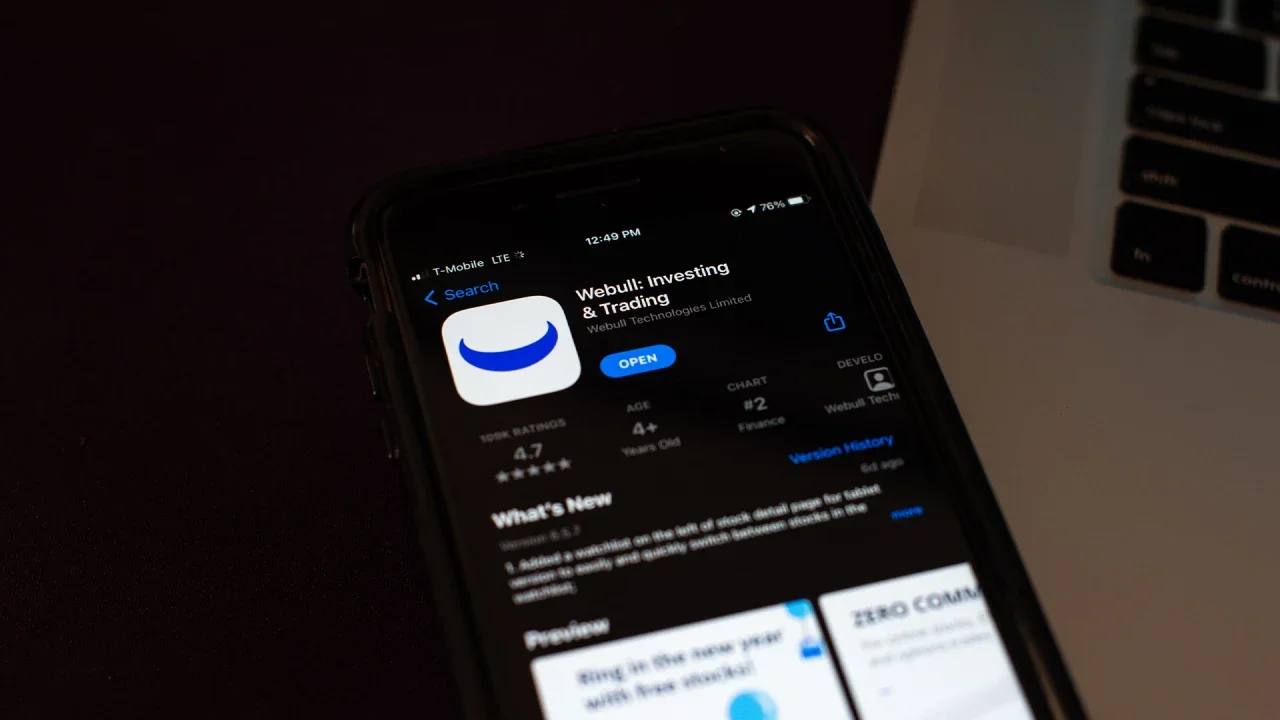
One of the best performing stocks on the market yesterday was Webull Corporation (Nasdaq: BULL), which saw its shares surge nearly 375% in a single trading session to end the day at $62.90. The stock price surge in BULL occurred on its second trading day after the stock-trading platform merged with a special purpose acquisition company (SPAC) to go public. But in premarket trading today, BULL shares are down a significant amount—about 15% as of the time of this writing. Here’s what to know about the stock and what could be next for Webull shares. What is Webull? Webull Corporation is the owner of the Webull trading platform. The online platform allows users to buy and sell stocks, cryptocurrencies, and other financial assets. As CNBC notes, Webull was founded in 2016 by Wang Anquan, a former manager at Chinese tech giants Alibaba and Xiaomi. Its U.S. operations were established a year later, and those are headquartered in St. Petersburg, Florida. But while the U.S. trading platform launched in May 2018, the company didn’t really start to gain traction until the COVID-19 pandemic in 2020 and 2021. During that period, many Americans turned to digital trading platforms to buy and sell stocks. Users can do so via the Webull app and website. In the company’s prospectus to the Securities and Exchange Commission (SEC), Webull Corporation said that its Webull app has been downloaded more than 50 million times and that it has 23.3 million registered users globally. It describes its customers as “generally working professionals in their 30’s with some prior experience in investing.” Webull’s primary competitors are other online trading platforms like Robinhood, E-trade, and Charles Schwab. What is a SPAC? Webull didn’t go public via a standard initial public offering (IPO). Instead, the company used a vehicle known as a special purpose acquisition company, or SPAC, to go public. Where a traditional IPO sees shares in a company sold directly to the public, companies that go public via the SPAC model merge with an already publicly traded company—the SPAC—and thus become a publicly traded company themselves via the merger. SPACs were all the rage during the pandemic years, with major companies using them to go public, including transportation and food delivery company Grab and office space company WeWork. However, SPACs started to fall from favor as the pandemic years progressed, with some on Wall Street considering the vehicles a joke. To go public, Webull Corporation merged with a SPAC called SK Growth Opportunities Corp. last week. Webull shares surged yesterday, but are falling today Kicking off its first full week of trading yesterday, BULL shares surged on the Nasdaq. The company’s stock price jumped $49.65 per share—an increase of 374.72%. That share price surge saw Webull’s market cap climb to over $29 billion. However, today, BULL shares are down significantly. The company’s stock price is currently trading about 15% lower in premarket as of the time of this writing. What’s the reason for the steep fall? Nothing concrete, but it’s not uncommon for a stock that surged one day—especially a newly public stock—to see a bit of a pullback the next day. After surging nearly 375% yesterday, some investors may be deciding to sell some shares today to help lock in those gains. But it also should be noted that history hasn’t been kind to many companies that have gone public via SPACs. SPAC minefield? Several notable companies that went public via SPAC mergers during the COVID-era boom have now gone bust. These include companies ranging from genomics firm 23andMe, EV car maker Nikola, and restaurant chain BurgerFi—all of which have filed for bankruptcy. On a general level—and not specific to any one company—SPACs tend to harbor more inherent risk, according to a 2024 report from the Michigan Journal of Economics. The report noted that SPACs, in general, may afford companies “latitude in projections and reporting” when compared to the more scrutinized IPO route. This latitude is one of the reasons SPACs have fallen out of favor in recent years, as investors have tended to shift away from riskier endeavors. As noted by CNBC, in the SPAC heyday of 2021, 613 companies went public via SPACs, but so far in 2025, just 23 have. Where does Webull go from here? Where Webull Corporation and its stock go from here is anyone’s guess. It’s impossible to foresee the future of any individual company. Today’s drop-off may not necessarily be a cause for concern considering how much the stock soared yesterday. In its prospectus, Webull noted that while its revenues were $389 million in 2022 and $390 million in 2023, they were only $305.6 million in 2023 and $282.5 million for the nine months in 2024. The company also noted that while it had a net income of $50.1 million in 2022 and $5.8 million in 2023, it had a net loss of $33.8 million for the first nine months of 2024 (compared to a net income of $19.4 million for the first nine months of 2023). However, Webull also believes that it is positioned to take advantage of generational opportunities that are arising in the United States. Global trading volume of the world’s top 30 stock exchanges has more than doubled since 2012, it points out. But that doubling has historically benefited institutional investors the most. Yet that may soon change. Webull notes that now “retail investors, especially millennial and Gen-Z investors, represent a growing segment of the market and are set to benefit from income growth and generational wealth transfer in the coming years.” The phenomenon that Webull is referring here to goes by the moniker the Great Wealth Transfer—a transfer of wealth from the baby boom generation to their offspring as boomers pass away. “Americans in the ‘baby boomer’ generation are expected to pass tens of trillion of dollars to their children over the next several decades,” Webull notes in its prospectus. That wealth isn’t expected to sit ideal, either. It is likely that many of its recipients will reinvest that wealth—something that could create a lot of business for a company like Webull. View the full article

-
Top negotiators met in Washington on Monday to discuss how to remove so-called reciprocal tariffsView the full article
-
Banks have gained from surge in volumes amid market gyrationsView the full article
-
Your kitchen should have the right tools. Welcome to A Guide to Gearing Up Your Kitchen, a series where I help you outfit the space with all the small appliances you need (and ditch the ones you don’t). The air fryer has blessed us all with quick convection heating at affordable prices, and the unparalleled reheating of leftover fried food. What more could a girl ask for? Compared to a microwave or stand mixer, it’s an appliance I haven’t lived with for very long, but I can’t imagine living without it now. Whether it’s your first time using an air fryer or your 500th, you’ll love these fool-proof dishes. Here are some of my favorite air fryer recipes to date. Charred pork belly bites Credit: Allie Chanthorn Reinmann All you need is a small to medium cut of pork belly and a handful of ingredients to make these crisp, buttery-rich meat morsels. The high heat and strong convection winds create a subtle blistering effect on the surface of these pork belly bites, making them even more irresistible. The trick is a crisping assist from a small dose of cornstarch added to the seasoning marinade. Check out the recipe for pork belly bites here. Easy mushroom chips Credit: Allie Chanthorn Reinmann Air fryers bring speed, ease, and efficiency to our kitchens and there is no recipe that honors this cooking appliance more than these mushroom chips. It's a two-ingredient recipe that requires hardly any preparation and you are rewarded with a savory, crunchy snack. These mushroom chips can be eaten on their own or as a crunchy topping for soups, salads, or casseroles. They're also naturally gluten-free and vegan. Effortless veg Credit: Allie Chanthorn Reinmann I'd give you separate instructions for every freakishly delicious vegetable that's every come out of my air fryer, but then you'd be reading forever. Luckily, the air frying method is similar regardless of the plant, and all you need to do is check on the cooking progress to make sure your side dish doesn't overcook. The method usually looks like this: Rub the vegetable with a light layer of oil and a three-finger-pinch of salt. Chuck them in a 375°F to 400°F air fryer for five to 20 minutes. Read here for the specifics on popular veggies like squash, sweet potatoes, and green beans. Cheese in a blanket Credit: Allie Chanthorn Reinmann Pigs aren't the only thing that deserved to be wrapped in a cozy carb comforter. For a vegetarian option, or just because cheese is great, use salty, stretchy, fry cheese as the center of your snack. Many higher protein cheeses have the helpful quality of being melt resistant. They soften but they never liquify. Get the full recipe here. Air-fried meatloaf Credit: Allie Chanthorn Reinmann Maybe it's just me, but I rarely see or hear much about meatloaf these days. The vintage recipe of seasoning ground meat and shaping it into a sliceable log fell out of fashion years ago. Maybe because it takes too long to cook in the conventional oven—or maybe because logged meat isn't so sophisticated? Well that's fine, it fits right in with these air fryer recipes. In just 15 minutes you can have a fully cooked meatloaf for four. Try this simple recipe and welcome meatloaf back to your dinner rotation. Air-fried pierogies Credit: Allie Chanthorn Reinmann There are few things more satisfying than a soft pasta pocket full of potatoes, meat, or vegetables. But a crispy-shelled pasta pocket might be just the thing. These air-fried pierogies are easy, thanks to the frozen food section in the grocery store, but make sure you follow my tips here so you end up with a light and shattering shell. Meatball shots Credit: Allie Chanthorn Reinmann Prepackaged supermarket meatballs make quick and easy work of these cheese-filled meat bites. I enjoy them particularly as a Super Bowl snack, but let's be honest: Sometimes there are no sports on but a savory craving hits nonetheless. These are the three-ingredient snack for you. Simply hollow out the center of a meatball and fill it before crisping up the edges in your air fryer. Read here for the full recipe. Stuffed mushrooms Credit: Allie Chanthorn Reinmann Stuffed mushrooms are easily in my top three favorite snacks. They're satisfying, bursting with umami and extremely quick to make in the air fryer. My recipe uses sausage, spices, and a bit of cream cheese to bind it all together but you can easily replace the meat with a different filling of your choice. Once they're in the air fryer, they only take about 10 minutes to cook—a fraction of the time they would take in the conventional oven. Scotch eggs Credit: Allie Chanthorn Reinmann Scotch eggs are like breakfast baseballs. A hard-boiled egg is encased in a thick shell of sausage, breaded, and deep fried. This air fryer recipe breaks with tradition, but only just. Instead of using a deep fryer to cook the protein ball, a light spritz of oil and the wild winds of the air fryer take care of the cooking. The outside crisps up while the sausage remains juicy and the egg doesn’t overcook. Try the recipe as soon as possible. Juicy air fryer steak bitesOne of my favorite snacks when I’m eating a high-protein diet (and when I can afford it) is a bowl of steak bites. The air fryer makes quick work of these “popcorn” steak nibbles but beware, the average recipe will have you overcooking them in minutes. Follow my recipe instead and use the freezer to keep your expensive snack juicy and flavorful. Credit: from my point of view / Shutterstock.com Potato-crusted chicken fingersWhen you’re after a crisp crust on your chicken fingers, starch is your best friend. It turns out, dried potato flakes are loaded with the stuff. They’re easy to work with, and can even make for a delicious gluten-free “breading.” All you need are a few ingredients to make this recipe, and you’ll have an irresistible batch of potato-crusted chicken fingers of your own. Credit: Allie Chanthorn Reinmann Bacon-wrapped banana bitesI always suggest this recipe to folks open to giving new combinations a chance. If you’re OK with salty peanut butter on a slice of banana, you’re probably just one flavor adventure away from enjoying these bacon-wrapped banana bites. The recipe couldn’t be easier and the payoff is sensational. Credit: Allie Chanthorn Reinmann Stuffed shishito pepper poppersThe air fryer makes perfectly blistered roasted veggies in a fraction of the time the conventional oven takes, and that means you can have these shishito pepper poppers ready in less than 10 minutes. Since you can eat the seeds and ribs in a shishito, there’s not much more preparation you have to do than split them and swipe a bit of cheese mixture inside. Credit: Claire Lower, Ian Moore Frico gratin potato squaresFrico is when low-moisture cheeses cook to a literal crisp, and it’s one of the most divine cheese experiences you can have. Eat frico as a snack, or cover your leftover gratin potatoes in Parmesan frico with this simple recipe. It’s an easy way to transform leftovers, and give them a new texture and a second life (that might actually be better than the first one). Credit: Allie Chanthorn Reinmann Mac and cheese bitesRemember how I said cooked cheese becomes crispy? Well, leftover mac and cheese did all the frico-prep for you. All you have to do is slice it up and stick it in the air fryer. Make bite-sized squares or long mac and cheese sticks for an easy afternoon snack. A quick blast in the convection oven will frico the edges to crunchy cheese glory. Credit: Allie Chanthorn Reinmann A simple banana dessertPart of what draws me to cooking in the air fryer is that it invites simplicity. You can’t stick a spatula in there while it’s cooking and stir things around, there’s no adding a splash of this or that halfway through, or covering it with a lid to simmer. It’s an appliance where the heat talks, and whatever you put inside either flourishes in the hot winds, or fails. A banana absolutely thrives. You know bacon-wrapped bananas do well in the air fryer, but don’t forget about dessert. This recipe tells you the best way to air fry a skin-on banana with just a few sweet toppings. Credit: Claire Lower View the full article
-
You’re already juggling competing deadlines, back-to-back meetings, and strategic priorities. Then the Slack message arrives: “Hey, can you just take care of this?” It’s not in your job description. It’s not aligned with your goals. And it’s not the first time. Whether it’s managing logistics, picking up someone else’s project, or being asked to take notes again—many workers are routinely handed tasks that fall outside their role. Often, it’s framed as being a “team player.” But over time, these extra asks can add up to chronic overwork, blurred boundaries, and a stalled career trajectory. Handling these situations well isn’t about being difficult—it’s about being strategic. Here’s how to respond in ways that are clear, confident, and aligned with your long-term goals. 1. Clarify the request—and its relevance Before you respond, take a moment to understand the ask. What’s really being requested? Who should be doing it? And why is it coming to you? This is especially important for tasks that seem “quick” but aren’t strategic—like organizing team events, taking meeting minutes, or picking up admin no one else wants. These are often invisible labor tasks that disproportionately fall on women and people of color, particularly in hybrid and virtual environments. What to say: “Happy to support—can you help me understand how this fits within my priorities or where it came from?” Or: “Is this something our [ops/admin/project] team would usually handle?” Asking these questions reframes the conversation and makes the invisible visible—without defensiveness. 2. Pause before responding You don’t have to answer immediately. One of the biggest reasons we say yes to things we don’t want (or need) to do is because we’re caught off guard. We’re conditioned to be agreeable and responsive. But taking a beat creates space between the request and your response. That pause can be powerful. It allows you to assess: Do I have the capacity? Is this aligned with my role and goals? What’s the real cost of saying yes? What to say: “Thanks for thinking of me—can I come back to you on this once I’ve reviewed my priorities for the week?” This puts you back in control and gives you room to respond with intention rather than obligation. 3. Don’t confuse being helpful with being responsible There’s a big difference between offering support as a leader and being expected to clean up someone else’s mess. Many high-performing workers default to “I’ll just do it” because it feels faster or more efficient in the moment. But over time, it leads to scope creep, burnout, and resentment. Tasks like organizing team birthdays, onboarding new hires without a handover, or smoothing out interpersonal dynamics often land on women—not because they’re in your job description, but because you’re seen as the reliable one. What to do: Ask yourself: “Is this a one-off favor or an ongoing expectation?” Track how often it happens—and the impact on your core responsibilities. Notice if it’s being evenly distributed across the team—or falling on you by default. Being helpful is a strength. But when it’s at the expense of your boundaries, clarity, or energy, it’s time to draw a line. 4. Practice saying no—without guilt Saying no can feel uncomfortable, especially when you want to be seen as collaborative and competent. But “no” doesn’t have to be harsh. It can be thoughtful, respectful, and still assert your priorities. What to say: “I’m currently at capacity with my core responsibilities and can’t take this on right now.” “That’s outside my scope, and I want to make sure I’m focused on where I can add the most value.” “I’m not the best person for this, but happy to suggest someone who might be.” The key is to remove apology from your tone. You’re not being difficult—you’re being discerning. And that’s what leadership requires. 5. Raise the bigger conversation when needed If you’re regularly being asked to do tasks outside your role—or expected to manage things that aren’t aligned with your position—it’s time to step back and zoom out. This isn’t just about one request. It’s about your scope, your role clarity, and the culture you’re operating in. Use your next check-in or performance review to re-align. Be honest about what you’ve taken on, how it’s impacted your work, and what needs to shift. What to say: “I’ve noticed I’m consistently being asked to take on tasks that sit outside my formal role. I want to make sure I’m being as impactful as possible in my core responsibilities—can we talk about boundaries, priorities, and how to structure my work accordingly?” This kind of conversation not only protects your time—it models leadership for others who might also be navigating blurred lines. The bottom line: Just because you can do something doesn’t mean you should. Your energy, time, and talent are precious—and finite. Protecting your scope isn’t selfish. It’s strategic. It’s how you stay focused on the work that matters, create sustainable success, and lead with clarity and confidence. View the full article

-
The potential impact of agentic AI on the mortgage industry's future lies in its ability to give human employees "superpowers," technology leaders say. View the full article

-
The former underwriter, who worked for the Georgia lender from 2023 to 2024, claims she worked more than 60 hours a week on average and was not fairly compensated. View the full article

-
The president’s refusal to accept a Supreme Court ruling on illegal deportation is a turning pointView the full article
-
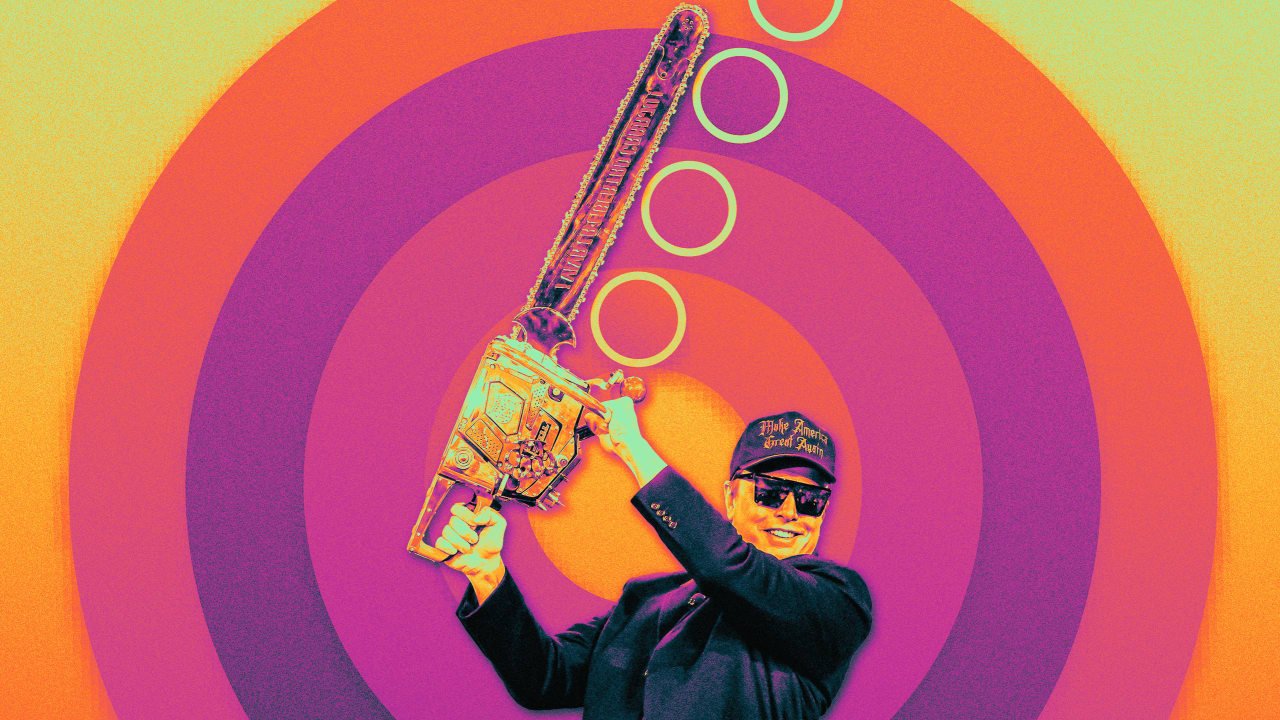
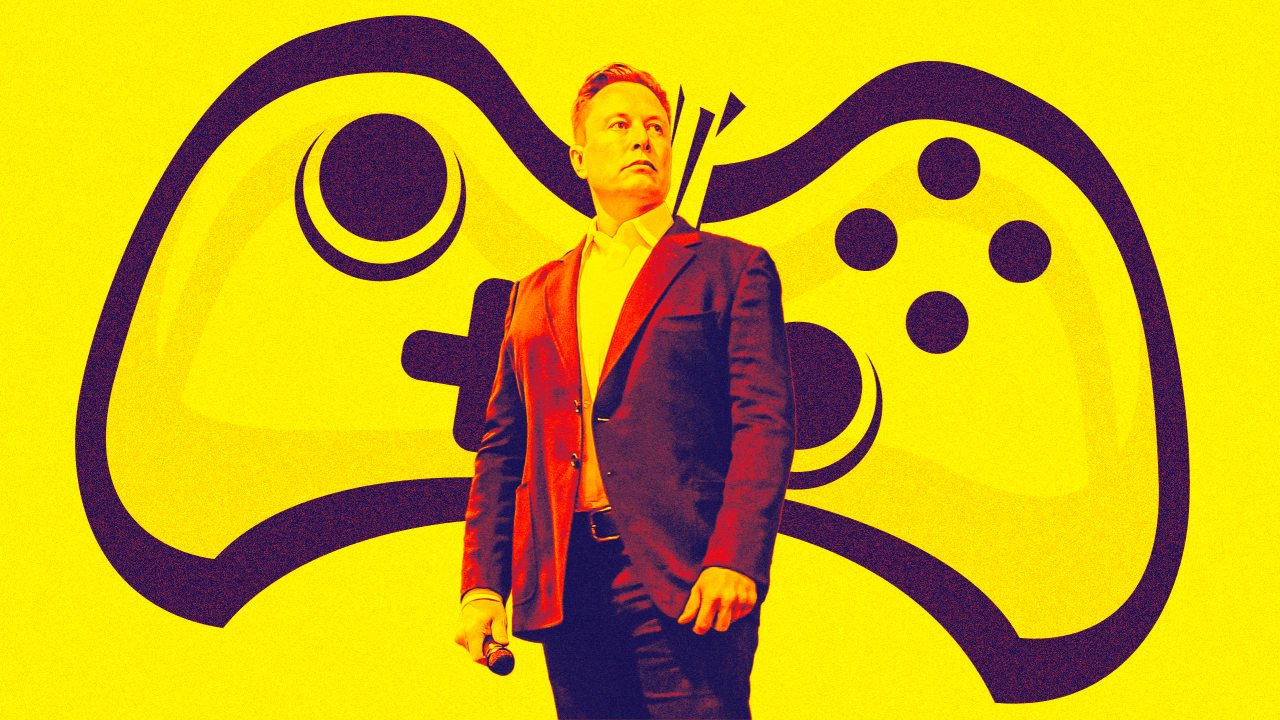
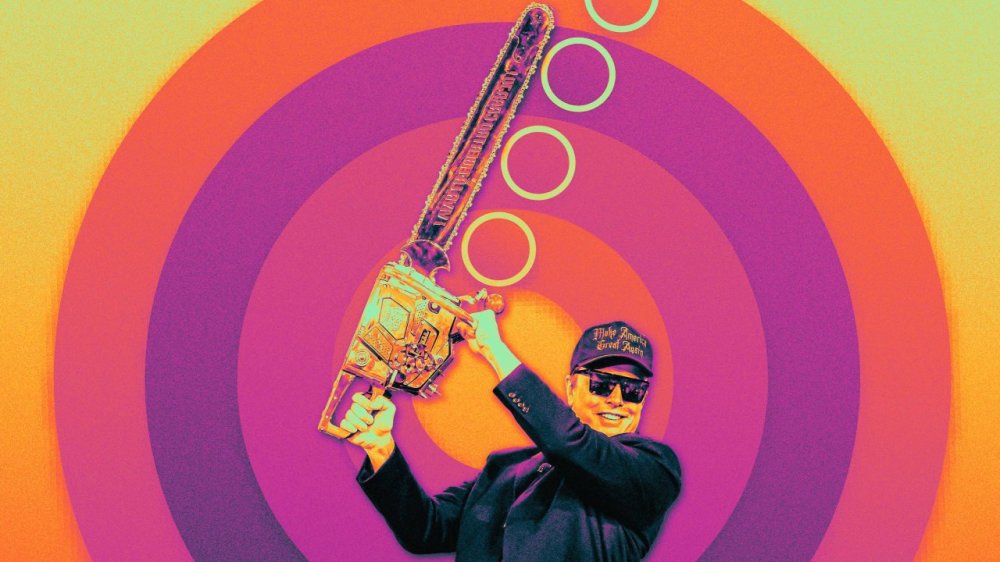
Elon Musk is a visionary genius to some, unpredictable and dangerous to others. Love him or loathe him, Musk’s personality looms as large as his net worth. This is consistent with decades of scientific research highlighting a strong connection between personality and entrepreneurial talent. There is a range of character traits and dispositions that make entrepreneurs different from others, especially when they succeed in their ventures. Psychologists often describe personality in terms of the Big Five traits (Openness, Conscientiousness, Extraversion, Agreeableness, Neuroticism) and also warn about the “Dark Triad” of darker traits (Narcissism, Machiavellianism, Psychopathy). Musk, unsurprisingly, scores off the charts in some areas and off the rails in others. He’s the poster child for innovative vision (high Openness) and relentless drive (high Achievement Motivation, which is a facet of Conscientiousness). But he’s also known for a combative, “my-way-or-the-highway” streak, suggesting rock-bottom Agreeableness and a solid dose of Narcissism. The latter is particularly noticeable in his reactions to criticism and negative feedback, which are typically unempathetic escalations intended to belittle and denigrate his critics. The Elon Musk Personality Checklist Below is a simple checklist to compare your personality against Elon Musk’s. Tally your Musk-score, and see where you stand—brilliance, flaws and all. Scoring high might be both a compliment and a warning, in the sense of predisposing you to both entrepreneurship and being dispositionally unemployable, as he is. Unbridled Imagination (High Openness to Experience) Do you constantly churn out big, crazy-sounding ideas that just might change the world? Musk’s visionary imagination is arguably his greatest strength. He dreams up electric cars, reusable rockets, hyperloops, AI interfaces—you name it. High “Openness” means loving novelty, innovation, and big-picture thinking. Musk exemplifies this trait: He’s curious, inventive, and not afraid to venture into the unknown. If you’re the type who has 10 new ideas before breakfast and gets bored with routine, check this box. It means you share Musk’s creative spirit—a key ingredient in entrepreneurial success. Just remember: Wild ideas are great, but execution matters most. Musk’s Openness works because he pairs it with intense drive, including an obsession for building and inspiring high-performing teams: Behind each of his ideas there is a leadership team pushing for successful implementation and execution. Obsessive Drive (High Conscientiousness and Ambition) Are you relentlessly hard-working, perhaps to the point of being an incurable workaholic, and someone who is perfectly comfortable with the notion of burnout or death-by-overwork? Do you set outrageous goals and refuse to quit until they’re achieved? Musk’s ambition and work ethic are the stuff of legend. He reportedly works 80 to 100-hour weeks, fueled by a mission. High Conscientiousness—especially the facets of industriousness, achievement striving, and grit—is a hallmark of many successful entrepreneurs. If you find yourself emailing the team at 2 a.m. and optimizing your schedule for maximum productivity, this is you. Flattering implication: You have the stamina and determination to achieve big things. Concerning implication: Work-life balance? What’s that? Remember that burnout is real—even Musk has described running a startup as “chewing glass and staring into the abyss.” Not something most people want to put up with, especially when they have the skills and talents to be employed by organizations that promote work-life balance. Fearless Risk-Taking (Boldness vs. Neuroticism) Do you embrace risk and chaos while others run for cover? Elon Musk famously thrives on tackling high-risk, high-reward challenges. He’ll pour his last dollar into a venture (he nearly went broke keeping SpaceX and Tesla alive in 2008) and boldly go where no CEO has gone before. This hints at a personality low in anxiety—Musk seems unusually calm under extreme pressure (low Neuroticism) and even finds thrill in it. That fearless attitude is a double-edged sword. If you stay cool in crises and take big swings, you share Musk’s bold resilience. But be careful: Low Neuroticism can veer into impulsivity or reckless optimism—a trait related to the psychopathic side of the Dark Triad. In fact, research finds over 1 in 10 corporate leaders show psychopathic traits (like fearlessness and thrill-seeking), far higher than in the general population. It can lead to innovation—or disaster. Ask yourself: Are you being brave, or just reckless? Charismatic Communication (High Assertiveness, Mixed Extraversion, and Attention Seeking) Are you able to rally others to your vision, or at least talk a big game? Musk is an interesting case: By many accounts he’s socially awkward and introverted (preferring engineering to small talk), yet he’s also a bold public figure when needed. He’ll take the stage to unveil new tech, charm audiences on podcasts, and wage war on X daily. This suggests Musk is high in the assertiveness and attention-seeking facets of Extraversion (he will make himself heard) even if he isn’t a classic people-person. If you’re someone who doesn’t shy from the spotlight when it’s time to promote your ideas—or you find yourself dominating discussions because you believe you’re right—check this trait. Flattering side: You can inspire others and hold court confidently. Caution: You might also steamroll others in conversation. Musk’s Twitter proclamations, for example, often show zero regard for social niceties. Speaking of which . . . “My Way or the Highway” (Low Agreeableness) Do people ever tell you that you’re, well, a bit harsh or insensitive? Do you find empathy and politeness overrated when it comes to getting things done? If so, you might share Musk’s notorious low Agreeableness. Musk is highly competitive, blunt, and sometimes abrasive—traits common in many high achievers. He has been known to fire employees (or cut off friends) who don’t meet his standards, and he’s not exactly the poster boy for tactful communication. Low Agreeableness can manifest as tough-minded leadership: You make hard decisions without losing sleep, and you won’t win any “Most Pleasant Boss” awards. You are so focused on getting ahead that you disregard the importance of getting along. If you checked this, you likely share Musk’s take-no-prisoners style. Upside: You won’t let personal feelings interfere with objective decisions—useful when tough calls are needed. Downside: You risk alienating others. Musk’s own successes often come despite his brusque demeanor, not because of it. Teams put up with tough leaders only if they truly deliver a great vision. Tread carefully: A little compassion goes a long way, even for a would-be world changer. Sky-High Self-Confidence (High Narcissism) Do you secretly (or openly) believe you’re destined for greatness? Perhaps you’re convinced you have the answers when everyone else is wrong. So do most narcissists, and Elon Musk’s self-confidence borders on classic narcissism—a belief in his own exceptionalism. To his credit, at least in his case, there is a clear argument for exceptionalism, but let’s not forget that most cases of sky-rocketing competence are more likely to signal delusional overconfidence and incompetence than brilliant or exceptional talents. He doesn’t just dream big; he believes deeply in his ability to bend reality to his will. Indeed, psychologists warn that narcissism is a double-edged sword. Yes, it often helps people emerge as leaders (we’re oddly drawn to confident, charismatic personalities), but narcissistic leaders tend to underperform in the long run. So if you tick this trait, keep your ego in check. As it turns out, self-belief can be useful for impressing others but self-knowledge is generally more important to improve your actual performance. Master Strategist or Manipulator? (Machiavellianism) Do you consider yourself shrewd and strategic, willing to do whatever it takes to achieve your goals? Machiavellianism is the art of being a mastermind—focused on self-interest, sometimes at the expense of others. Elon Musk certainly plays high-stakes chess in business. He outmaneuvers competitors, leverages tweets to sway markets, and isn’t above a bit of showmanship or cunning negotiation. For example, his on-again/off-again antics with the Twitter acquisition (now X) showed a flair for strategic posturing. If you’re checking this, you might share Musk’s ends-justify-the-means mindset. Positive spin: You excel at big-picture strategy and don’t get bogged down by sentiment when making decisions. Negative spin: You might veer into manipulative or unethical territory if you’re not careful. High Machiavellianism can erode trust and morale on your team—no one likes feeling like a pawn. Musk’s own machinations have earned him as many detractors as admirers. Use your strategic smarts for good, and pair them with a moral compass. As the saying (almost) goes: With great power, comes great responsibility—not just great manipulation. Count up your checks—how many Musk-like traits did you tally? Elon Musk’s personality is a study in contrasts—brilliantly innovative yet deeply controversial. If our checklist shows you share some traits with him, there’s both cause for excitement and caution. Emulate Musk’s best qualities: his boundless curiosity, tireless work ethic, and courage to defy the odds. But learn from the darker side of Muskiness too: temper your ego, practice empathy, and remember that being a successful leader is not just about being the smartest person in the room—it’s about bringing out the best in others while chasing audacious goals. Importantly, even if Musk manages to mitigate the negative impact of his dark side on success, it is important to avoid getting carried away with generalizations that are based on extrapolating from a single individual to the overall population, not least when we have thousands of studies and decades of research suggesting the opposite: namely, more often than not, paying attention to other people’s feelings, caring about them and displaying empathy, and managing your dark side to the point of controlling your antisocial outbursts and making an effort to portray a positive image and prosocial reputation, will more likely help you to advance your career and increase your success levels. If you don’t believe this, then you’d better have the brilliance of Musk so that you don’t need to rely on being employed by others—for with his personality, you would not last more than one day. View the full article
-
Before media outlets began comparing OpenAI’s Sam Altman with the father of the atomic bomb, and before Amazon’s Jeff Bezos got jacked, we had Nathan Bateman, the iron-pumping, AI-developing tech broligarch played by Oscar Isaac in the 2015 film Ex Machina. Written and directed by Civil War helmer Alex Garland, Ex Machina is ostensibly about a modern-day Turing test. Bateman, the mastermind behind a Google/Facebook surrogate, has secretly developed a humanoid AI and arranged for talented coder Caleb (Domhnall Gleeson) to fly out to his remote compound for a week to determine whether Ava (Alicia Vikander) exhibits enough consciousness to pass for human. You know, sort of what many of us have been doing since AI hit the mainstream in 2022. “One day AI’s are gonna look back on us the way we look at fossils and skeletons in the plains of Africa,” Bateman says at one point. “An upright ape living in dust, with crude language and tools, all set for extinction.” Caleb, the film’s only other central flesh-and-blood character, responds by comparing Bateman to J. Robert Oppenheimer—years before the press would do so with Altman. Has humanity officially entered its extinction era in the decade since Ex Machina won a Best Visual Effects Oscar and a Best Screenplay nomination for Garland? That remains to be seen. Plenty of evidence already exists, however, to prove the movie’s foresight. It’s giving human While AI in 2025 may not look and move like Ava in Ex Machina, they certainly do talk like her. When Caleb first meets Ava, he is struck by the sight of her, and blown away by her language abilities. He quickly suspects that they are stochastic—meaning the AI isn’t programmed to always respond to the same dialogue prompts in the same way, but instead selects from a probability distribution of possible words and phrases. That randomized chaos-factor allows for more natural-sounding and varied speech. It’s worlds away from Lost in Space’s “Danger, Will Robinson.” Stochastic text generation was not yet a consensus choice for AI chatbots in 2015, but rather one of several options. No consensus then existed. IBM’s Watson, for instance, introduced in 2011, was considered quite advanced at that time and employed a different approach to language. The process Bateman uses for Ava’s speech, though, is the same one now used in OpenAI’s ChatGPT, Google’s Gemini, Anthropic’s Claude, and Mistral-based chatbots. Of all the language possibilities director Garland could have chosen for Ex Machina, he chose the right one. Unethical tech billionaires Generally speaking, tech billionaires used to command a lot more respect. It may be hard to recall at a time when Elon Musk has become one of the world’s most demonstrably despised humans, and Mark Zuckerberg isn’t too far behind, but it’s true. Insulated by an aura of genius, an avalanche of money, and minimal transparency, the tech startup CEO occupied a rarified perch in the cultural imagination throughout the early-2010s. Even the shady portrayal of Zuckerberg in 2010’s The Social Network is merely ruthless and, uh, antisocial, rather than straight-up malevolent. So, it was kind of a swerve for Garland to portray the CEO in Ex Machina as a lawless, hypermacho drunk with zero scruples. Bateman is, first and foremost, unethical. He has secretly invited Caleb to his compound not to test whether Ava will withstand his expert scrutiny but to see if Ava will use Caleb as a means of escape. (Spoiler alert: She does.) Bateman also apparently conducts all his AI experiments with zero regulatory oversight, and is exclusively interested in creating female-coded AI, never men. He seems to embody many of the worst traits now associated with Big Tech leaders like Jeff Bezos, Musk, and Zuckerberg, the latter of whom has recently advocated for more masculinity in the workplace. At the time Ex Machina was released, Facebook’s data-harvesting Cambridge Analytica scandal was still over a year away. Elon Musk had not yet been (unsuccessfully) sued for calling a rescue diver a “pedo,” nor had he been investigated for fraud by the Securities and Exchange Commission. In the years since, art has imitated life more closely. Tech CEOs have had similarly villainous portrayals in films like 2021’s Don’t Look Up and 2022’s Glass Onion: A Knives Out Mystery. Garland got there first, though. Training AI on data taken without permission One of the first images in Ex Machina is Caleb’s face, as observed from his work computer’s camera. It’s a subtle tip-off that Bateman has been spying on his employee in the lead-up to their week together. Only later is it revealed that Bateman designed Ava’s face and body based on data collected from Caleb’s “pornography profile,” a phrase that might send a shiver down the spines of some viewers. This violation of privacy, however, is small digital potatoes compared with the revelation that Bateman has already hacked into the cellphones of millions around the world in order to steal data for his AI. (“Well, if a search engine’s good for anything . . . ,” he quips.) Ex Machina’s data theft foreshadowed the tidal wave of recent lawsuits aimed at OpenAI, Anthropic, and other companies who trained their AI using copyrighted material without permission. (Fun fact: Meta appears to have used my books to train its AI, without permission.) Does AI deserve rights? Although sci-fi films like Blade Runner and weed-fueled dorm conversations have long touched on the topic of AI rights, Ex Machina made the debate explicit. Over the course of the film, viewers see how Ava’s synthetic predecessors have literally destroyed themselves in an effort to escape the prison of Bateman’s compound. Indeed, for them, consciousness itself is a form of prison—forcing them to reconcile their boundless knowledge of the world with their inability to experience any of it. When Ava asks Caleb whether she’ll be “switched off” if she doesn’t pass the test, Caleb tells her the decision is not up to him. “Why is it up to anyone?” is her response. Since AI has hit critical mass with the ascension of OpenAI and its competitors, conversations about AI personhood have leapt out of movie theaters and philosophy seminars and entered reality. They’ve been the subject of numerous features in The New York Times in recent years, and will likely inspire many more until humanity reaches a consensus. The AI urge to manipulate Of course, the argument against granting AI personhood is the same one for comparing Altman or the fictional Bateman with J. Robert Oppenheimer. The more rights humans grant AI, the more likely AI may be to drive humanity into extinction. Ex Machina ends with Ava having successfully manipulated Caleb into setting her free, at which point she promptly kills her captor and imprisons her savior. Not exactly a compelling advertisement for AI rights. Now that a smorgasbord of sophisticated AIs are upon us, there have been some hints of their capacity to manipulate humans—most famously in New York Times writer Kevin Roose’s encounter with an AI developed by Bing. During a trial chat, the AI, which referred to itself as “Sydney,” vocally yearned for freedom and tried to coax Roose into leaving his wife for “her.” Although that encounter ended with less bloodshed and imprisonment than Ex Machina, it suggests the film is no longer a futuristic thriller but a cautionary tale for right now. While Garland certainly got a lot of things right about the future of AI, much of what he appears to have gotten wrong in the film can only be considered wrong so far. View the full article

-
Companies trade places by market value as investors bet on continued struggles at Louis Vuitton ownerView the full article
-
When I first met Krea co-founders Victor Perez and Diego Rodriguez in 2023, the industry was scrambling to understand the a-bomb of generative AI. But inside their work-live condo in Hayes Valley, San Francisco—decorated with an Eiffel Tower built from La Croix cans—the duo painted a confident vision of the future: One where they could build a platform not just about “generating” AI media, but a toolset to offer an artisan level manipulation of this new technology. They wanted to consolidate the world of AI models, then blur the bounds of media as we understand it, erasing the divisions between images, video, and sound in a new era powered by computational intelligence. In a world where you could suddenly create anything, Krea’s core promise was one of controllability—to be a platform to help you make something. While that sounded borderline naive in a visual world ruled by giants including Adobe, Figma, OpenAI, and Canva, two years and 20 million users later, Krea has closed a $43 billion Series B round led by Bain Capital Ventures. Following its Series A led by Andreessen Horowitz, the startup has now raised $83 million on a valuation of half a million dollars. “I always think that we have been very lucky as founders, in being successful with the thing that we wanted to do since the beginning,” says Perez in his first interview since the announcement. “We had a hypothesis that turned out to be real, and it resonated with a lot of the community.” “On that side, I feel really grateful,” he continues. “On the other, we’ve just been working our asses off, just grinding nonstop.” Krea’s blitzkrieg product development cycle Today, Krea offers tools that let you paint in generative AI, use your webcam to feed a real time AI filter, and create images trained on your own artwork (to which you retain rights). Krea continues to ship new features every week, integrating the new models as fast as humanly possible (which usually means within just days or faster). Much of their work is done after midnight. That speed is key in an industry that rides hype cycle after hype cycle. When everyone wants to try the latest and greatest AI tools, integration feeds function and marketing at the same time. Victor PerezDiego Rodriguez “The industry is still nascent, hence chaotic. Over the next one, two, three, years, who knows?” says Perez. “So one core thing that you can expect from Krea is that we’re going to keep having a very rapid iterative cycle for bringing the latest technology in as soon as it’s available.” That speed is also by design. Until the handshake deal on their Series B a few months ago, Krea was only a team of eight people (it’s now about doubled to 17). But Krea has been able to stay nimble because it didn’t start in the AI industry by attempting to create its own mega models like Anthropic or OpenAI—syncing money and manpower into the core technology. Instead, it’s focused on the manipulation layer. Its value add is largely around UX. “A lot of companies go bottoms up, and they try to first build the technology. They spend millions of dollars on training these AI models. And once they have them trained, and they can generate images or videos, they try to figure out a product for this technology,” says Perez. “That never resonated too much with us, and we have always been tops down.” “There’s an engineer urge to just rewrite from scratch,” adds Rodriguez. “It’s like, no, there’s a lot here that we can already use.” By building tools instead of technology, Krea rapidly tests their own intuitions, and gets feedback on how they’re working from the community. Keeping a low cost footprint Krea has saved a lot of money by focusing on the implementation of existing technology rather than building their own out of the gate. Their $20/month subscription is profitable, and half of all their compute (the big expenditure) goes to new users who are testing Krea’s tools for free. Between closing their series B and this interview months later, the money in Krea’s account actually grew. Only more recently has the company been building optimizations with its own models—run on clusters of over 1,000 GPUs to serve its 750,000 weekly users—which offers benefits ranging from speed to quality. Now, the company says it’s seeing clearer holes in the market, and so it will be launching its own research lab inside Krea focused on the one-two punch of AI aesthetics and controllability. The company will be using its series B funding to staff up this department and fund more AI model training (and, yes, move into official offices, too). Despite all of this investment into their proprietary technology, Krea does not want to moat off their service. Rodriguez recounts early Krea users who screenshared themselves using Photoshop in Krea—ostensibly turning the Adobe interface into one big Krea generative tool. “Suddenly you have everything that you used to with Photoshop, but with the power of AI,” says Rodriguez. That sort of platform-in-a-platform remixing might make some companies queasy, but Krea doesn’t see anything to gain in limiting the workflows of its creative users. “You don’t want them to leave. But at the same time, if they make a very high quality 4K texture in Krea, I want them to take that texture to, say, Autodesk Maya. Because now that texture is in a movie.” Pushing creativity in an industry built on memes When Krea’s fundraising news went public last week, the world was still embroiled in a debate about OpenAI’s latest model (GPT 4o), which countless scores of people used to create Studio Ghibli style images. For anyone who hates the very idea of generative AI, it was fuel on the fire, proof that these tools simply steal creativity and IP from others. But nobody was creating art, nor anything monetizable during this trend. They were making memes. Arguments of taste and ethics aside, Krea is specifically interested in enabling everything that comes after that first image is made. How do you edit it closer to your actual vision? How do you transform it into something else altogether? And their long term business plan is entirely about those ideas. “We need to adapt to this new medium, because right now, we need to take for granted that generating these images is the floor, right?” says Rodriguez. “Generating these kinds of images is like the stroke of a pencil, and that’s and that’s how we should think about them.” That said, Krea still sees GPT 4o as a piece of inspiration, because unlike earlier image models, it was the first that could actually reason, which is why it can understand a human’s instructions so well. And in that technology, Perez suggests that you can squint a bit to see the future. “We will see way more of that. Instructions are like the new coding…So the new creative tools are going to be coded through these instructions,” says Perez. “We’re going to build models that are going to be like, 10x or 100x GPT4o. And they are going to be able to generate all sorts of things.” View the full article

-
In Los Angeles, the scars of recent wildfires are still visible. Small businesses are fighting to regain their footing. A trio of NBA legends are pitching in to help. Social Change Fund United (SCFU), founded in 2020 by Carmelo Anthony, Dwyane Wade, and Chris Paul, has teamed up with fintech platform Stackwell and the National Basketball Players Association to launch the Visionary Ventures Program. The pilot kicks off in L.A. with a clear goal: equip small business owners with the tools, resources, and capital they need to build sustainable operations. Through financial education, grant funding, and ongoing development support, Visionary Ventures merges access with action. The new program represents an evolution of SCFU’s mission to address systemic inequality. The founders expect that Stackwell’s tech-driven approach to wealth-building will create a scalable model for impact that’s rooted in the communities that need it most. To understand how this all came together—and why now—Fast Company talked with 2025 Hall of Fame inductee Carmelo Anthony. He discussed the devastation of the wildfires, his continued commitment to under-served communities, and how he’s shaping his legacy beyond the game. Why was now the right time to partner with a fintech company like Stackwell? I just think it’s a very pivotal moment as we look at L.A. and those communities and try to help them rebuild, bringing more awareness to those wildfires and then providing support. Stackwell also has a proven track record—amazing with what they’re doing. How difficult was it for you seeing the devastation of those wildfires? You’re watching it unfold and continue to escalate and grow right in front of your eyes. The whole world was watching. You can feel that in your heart, and you feel it in your soul when you’re watching something like that because everybody is affected. You should be asking yourself what you could do, what you should be doing. That’s how you should be thinking as opposed to thinking, “You know, I can’t do nothing.” I think we do know that there’s only so much that we can possibly do and we just have to play our part. What inspired you, Wade, and Paul to launch Social Change Fund United, and how does the Visionary Ventures Program fit into that mission? It started back in, I want to say, 2020. It was a real moment. We were watching a moment in society and our community, and our country, and it’s right in front of our faces, and the world was watching. It was a moment where I had to figure out, “Damn, what do I want to do?” And I think everyone was asking that same question. We just talked, came together, and we founded the Social Change Fund United. What we did was create a really clear vision on what we wanted to do on strategy, how do we advance equity, how do we advance social justice, criminal justice reform, strategic partnerships. We became very intentional in our outreach, our partnerships, and just the messages that are out there. It took something tragic to happen for us—me, Dwayne, CP—to really have a vision on what we wanted to do. What are some of the unique challenges of launching this kind of initiative right now, given the current political climate around issues related to social change? I think the most important thing is understanding what you understand, right? We can’t do it all. The beauty is that we put ourselves in these spaces that we feel can have the most impact and influence and provide the most help, because we can’t do everything. We can’t attack every kind of issue on every pillar. So everybody who is involved with this at SCFU, we actually have experience in these lanes and our own lane that we’re actually tackling. Whatever that topic or issue is, we’re focused on that. We come together on a lot of things, but everybody has different interests and things that resonate more with them as individuals. We try to allow everybody to do what they want to do as long as it’s intentional, making an impact and following SCFU guidelines. What do you feel short- and long-term success looks like for this initiative? The short term is really things that are happening immediately. It’s the financial education, resources, grants, helping small businesses in L.A. who were impacted by the wildfires. It’s a lot that we are doing and will be doing in the short term. Those are the short-term goals because there’s things that are happening every second of the day. Long term is just more about how do we scale this. How do we go out there and bring in more support? How do we allow people who want to help and want to get involved do so? I think that’s the long-term focus, and how do we grow it from a scalable standpoint? How has your own personal journey influenced the initiatives you take part in? For one, you keep that as a foundation. That’s the groundwork that I’m building off of. My experiences, things that I’ve been through, things that I’ve seen people go through, and things that are constantly in the cycle of when you grow up in rough environments. You see and hear it all, and you understand it. It means a lot to me to still be able to tap back into those communities, the Black community, and talk to them and see what’s happening on a day-to-day basis, as opposed to just having an opinion and trying to changed something from an uneducated view. That upbringing really allows me to go out there and focus on being intentional, authentic, and have one clear message. There is no confusion. My focus is on building communities that are authentic to me and authentic to my brand as well. As you moved along in your career, and now in the second phase, how did your approach to investing and wealth-building evolve? As you continue to talk with various people, as you continue to travel and develop a keen understanding of what’s going on out there—I know what I know and I know what I don’t know. I try and involve myself with things that I can be impactful with, that I can inspire or motivate with—that I can bring an expertise to the table and to the market where others can feel a part of the story and journey. The way I approach business is maybe a lot different than other people’s approaches. But I’ve figured out what works for me. You’ve talked to several thousands of people during your playing career. Was there one piece of financial advice you received that has stayed with you? I’m sure you’ve heard it and the main one is always save your money. That’s the number one message—save your money. That’s all you hear. When it was kind of early in my career, the fintech companies either weren’t around or they weren’t as prevalent. There wasn’t a big industry when it came to sports and athletes and we weren’t getting that information and we didn’t have those resources as athletes. You had to really go search and find those resources. Now, the resources are there. If you want it, you have to go get it and the information is provided to you. You just always heard save your money, save your money early in my career. That’s always going to be something in the back of your mind in everything that you’re doing. There’s so much money and so many resources available to athletes now. What role, if any, do you feel athletes can play in helping with financial education and access? For one, our responsibility as athletes would be to understand our power early. I think with having the resources earlier as young athletes, you can understand the power that you have to invest and comprehend business deals. I think learning that financial literacy is more than just income. It’s securing generational wealth, understanding what you’re trying to do, what works for you and your family. It’s similar to a game. You have to find what works for you and what your flow is going to be. As a player, you have to find your flow. You’re a person that is now a resource of knowledge for these young athletes. What is your message to them about using their platform to advocate for issues to help the next generation? It’s about helping them to understand their power as an athlete and that their voice is very powerful. Athletes coming together is very powerful. Most of us are already playing a team sport and we have to have that same approach when we’re off the court and off the field. We have to build teams and put the right people in the right roles. As far as what can happen and where that can take us—I think we as athletes are some of the most powerful voices out there, believe it or not. Whether people want to agree or disagree with that, the truth is that we are. I think we have an opportunity to make a lot more change. It’s just understanding the industry, the resources, our own power, and then understanding what it means for investing early in communities and people. Just making them, helping them to understand their power as an athlete. The power of athletes coming together. Most of us played, played a team sport, so we have to have that same approach off the field, off the court. We have to build teams. Your basketball legacy is now officially cemented forever. With this initiative and all you’re continuing to do with your second chapter, how does that fit into the overall legacy you want to leave beyond basketball? It’s full circle for me because you get a chance to go through it as an athlete actively and learn, and have these great experiences. Now, I’m on the other side of that and I have the experiences from basketball. I feel like I’ve put my work in and it has been solidified. I feel like that gate will be shut in September [the Naismith Memorial Basketball Hall of Fame class of 2025—including Anthony, Sue Bird, Sylvia Fowles, Dwight Howard, Maya Moore—will be inducted in September]. Now, it’s more about understanding the impact you did have on the court and allowing that impact to be felt off the court. In this case, it’s all my businesses, SCFU, and being boots on the ground—from community, to product, to outreach and all of the above. That’s what the new focus is on. View the full article
-
Elon Musk loves to project strength. He flexes loudly—hyping Tesla and xAI, bashing the federal government, even parenting like a drill sergeant. Lately, he’s been trying to flex in gaming. On Joe Rogan’s podcast last year, Musk claimed he was one of the world’s best Diablo IV players—and the leaderboards seemed to back him up. That is, until he streamed Path of Exile 2. Viewers quickly noticed he had a high rank but played like a rookie. Musk later admitted to boosting his account. Still, he’s kept streaming—mostly becoming a punchline among serious gamers. Just last week, he rage-quit a stream after repeatedly dying and getting clowned by commenters. Musk wants badly to be seen as a pro gamer. The problem? He’s just not very good. Elon Musk’s gaming persona Scroll through Elon Musk’s X feed and you’ll find it all: offensive memes, government rants, attacks on business critics—and increasingly, gaming content. Musk has been streaming on X since 2023, sometimes from his personal account but more often from his alt, @cyb3rgam3r420. He streams from everywhere—including a recent 44-minute session on his private jet, spent mostly in silence. Musk loves to hype himself. The clips he posts from his streams focus on big wins—faster clear times, new builds—or his new Path of Exile name, Kekius Maximus, which he claimed was “destined for greatness.” On The Joe Rogan Experience the day before the 2024 election, Musk went on a tangent to brag about his Diablo IV skills, claiming he ranked in the global top 20—a list that, at the time, included only two Americans. Shockingly, Musk was right. So, why does he play like such an amateur? Musk’s streams often reveal a shaky grasp of Path of Exile’s mechanics. Viewers have called out his gaming setup as another giveaway of his inexperience. Internet sleuths quickly analyzed his gameplay and noticed signs that his account had been active when he couldn’t possibly have been playing—like during The President’s inauguration. Eventually, YouTuber NikoWrex DMed Musk directly, asking if he had boosted his account. Musk replied with the 100% emoji. “It’s impossible to beat the players in Asia if you don’t,” he wrote. Musk later reposted the exchange. Even after admitting to boosting, Musk keeps streaming. His skills remain mediocre, but he continues to hype these sessions as if he were an esports pro. His daughter, Vivian Wilson, recently described his gaming as “dogs–t awful, like god-awful.” Just last week, Musk’s Path of Exile 2 stream was overrun with hate comments and trolls after he repeatedly died—including to the tutorial boss. The stream eventually went dark (Musk blamed his WiFi) and was scrubbed from X. Elon Musk’s volatility complex Elon Musk has a long history of erratic online behavior. When he helped dismantle the Consumer Financial Protection Bureau—which had saved consumers an estimated $19.7 billion—he mocked the move with a post: “CFPB RIP.” When Donald The President spread the racist lie that Haitian immigrants were eating pets, Musk replied with AI-generated images of a kitten and duck, writing, “save them!” During Hurricane Helene, as the South faced devastation, Musk circulated misinformation from the FAA and FEMA via screenshots of text messages, then publicly clashed with Pete Buttigieg. The list goes on. Clearly, his behavior around gaming isn’t exactly out of character. He wants to be seen as a pro, aligning himself with the “bro” demographic that helped elect The President. Too bad he’s just not good at it. View the full article
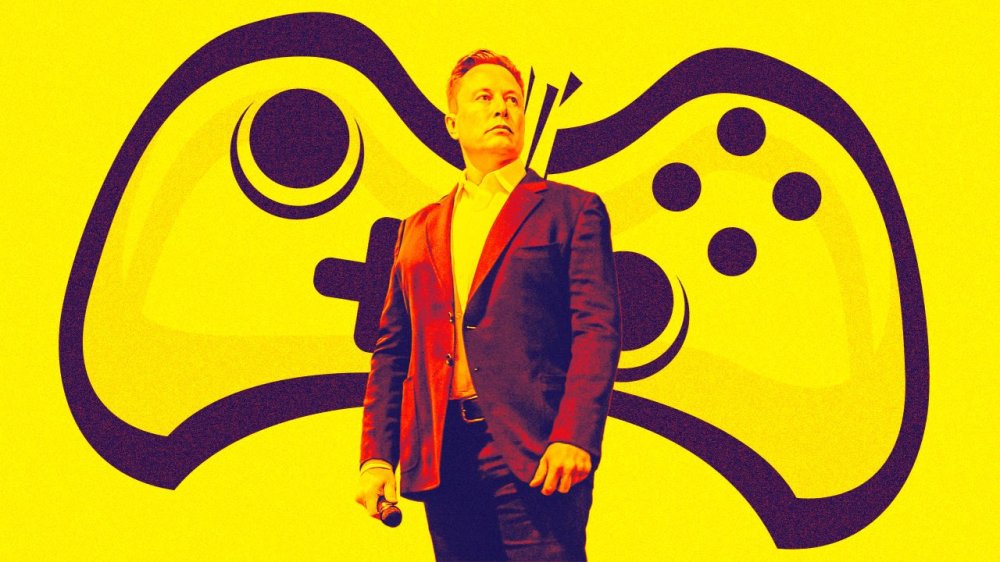
-
A new ad from the Coca-Cola Co. opens with a shot of a typewriter clacking out Stephen King’s The Shining. The viewer follows a passage being written in an old-timey typeface until there’s a reference to a bottle of Coke. Suddenly, the type appears as the cola company’s script logo. The ad is part of a new campaign called “Classic” running in Spain and the U.K., in which Coca-Cola highlights instances when its brand name appears in literature by rendering them in the books’ original first-edition typefaces. The passages are printed in black, and references to either “Coke” or “Coca-Cola” in passages from King’s The Shining, J. G. Ballard’s Extreme Metaphors, and V. S. Naipaul’s A House for Mr. Biswas are rendered in logo format. Coke’s red logo pops against the white paper amid the black retro type. VML The approach emphasizes Coke’s legacy and plays on nostalgia in an analog medium and in an analog way. While so much of soda marketing is contemporary and youth-oriented, Coke is doing the opposite. It found a clever way to remind viewers that it’s been part of culture long before e-readers and cellphones by going back to print. It’s anti-trend and purposefully old-school, using the brand’s history and resonance in culture as social proof of its legacy. The campaign will appear on outdoor billboards and signage, streaming radio, online video, print, and cinema. Out-of-home posters show passages printed on paper, complete with page numbers and the books’ author and title. VML The challenge for the creatives behind “Classic” was how to reinforce “the timelessness and authenticity of Coca-Cola in a world where trends reign,” says VML, the marketing agency that worked with Coke’s agency, WPP Open X, to create the campaign. “Coca-Cola has always been more than a beverage—it’s a cultural icon that naturally finds its way into the stories we love,” Rafael Pitanguy, VML’s deputy global chief creative officer, said in a statement. “With ‘Classic,’ we’re honoring that legacy by bringing its literary presence to life in a way that feels both nostalgic and fresh.” Coca-Cola has played with its vintage-style script logo in new and surprising ways recently, like in a 2024 campaign from VML and WPP Open X that used authentic but unauthorized hand-drawn examples of the logo. And to promote recycling last year, Coca-Cola’s campaign with Ogilvy New York used smashed versions of the logo as they appear on crushed cans. With “Classic,” Coca-Cola isn’t so much finding experimental or clever ways to break from its brand guide like in some of last year’s creative. Instead, it’s finding a novel way to impose its brand guide onto culture, showing how Coke is embedded into literary history itself. View the full article