ResidentialBusiness
Administrators
-
Joined
-
Last visited
Everything posted by ResidentialBusiness
-
 As a consultant, having a flow of high-quality clients is a must for steady, sustainable business growth (and making the rent every month). Thankfully, LinkedIn can make this a whole lot easier. While many lead generation channels need constant investment in ads or sales (things that solo consultants often don’t have the budget for), LinkedIn offers a way to bring new clients to you. In my three years as a consultant, I've found LinkedIn consistently delivers the highest quality leads with the least ongoing cost — once you understand how to use it effectively. In around that time, I’ve built up an audience of 14,000 followers on LinkedIn, which has been crucial in helping me find new clients. Or rather, helping them find me. In fact, around 80% of my 2024 clients reached out to me on LinkedIn. Here, I’ll share my exact process for establishing myself as a trustworthy expert in my field — one that clients want to work with. Why LinkedIn is the perfect platform for consultantsLinkedIn is still the go-to platform for professionals — particularly those with buying power. An impressive four out of five LinkedIn members drive business decisions, so your potential audience on LinkedIn has double the buying power of the average web audience. The platform's focus on professional networking and thought leadership creates an environment where consultants can easily showcase their expertise and build strong relationships in their industry My journey with LinkedIn started organically. Without any sales intentions, I began posting about my experiences as a marketer to share my problems and experiences with other marketing specialists and exchange ideas. At that time, I was working as a CMO at Hunter and just wanted to connect with other marketers in the field. What started as casual content sharing evolved when I started receiving consulting requests from viewers who resonated with my insights. The inquiries I started getting really highlighted LinkedIn's potential as a powerful lead-generation platform — especially when the focus is on providing genuine value rather than pushing a hard sell. Here’s exactly how I use LinkedIn to find new clients as a consultant: 1. I treat my LinkedIn profile like a sales pitchPotential clients may come across my content on their feeds, but they’ll definitely be visiting my profile to check out my experience and skills before they consider working with me. I see it as a step down my personal sales funnel — which is why I’ve been sure to include all these subtle, important factors: Strong personal brandingI put a lot of time, effort, and thought into my LinkedIn personal brand. The first step in getting this right, I feel, is to have a professional, yet still friendly and approachable, profile picture. Easily contactableAlso, I've made it really easy for potential clients to contact me by prominently displaying my email address and including a clear link to schedule a call. This removes friction from the connection process and shows I'm easy to get in touch with for business discussions. Social proofClient recommendations form a crucial part of my profile strategy. I actively contact past clients to request specific, results-focused testimonials. These recommendations highlight concrete outcomes and provide social proof of my expertise. Each recommendation tells a story of problems solved and goals achieved. Include important detailsI’ve optimized every profile section with details that matter to potential clients. My experience section focuses on measurable results and client outcomes rather than just responsibilities. My skills section highlights specific areas of expertise that align with client needs, backed by endorsements from industry peers. Clear messagingI’ve written a detailed ‘About’ section that clearly explains my services, highlights what makes my approach unique, and makes me stand out. When writing your own, be specific about the problems you solve and the results you deliver, giving potential clients a clear picture of how you can help them succeed. Focus on addressing their pain points and the tangible outcomes they can expect from working with you. 2. I build relationships on LinkedIn every dayConnecting with key decision-makers is part of my daily routine. I identify and connect with CMOs, COOs, and founders in my target market, always sending personalized connection requests that reference shared interests or mutual connections. Active engagement with industry leaders' content also forms a core part of my strategy. That means, when I come across posts that might tap into my skillset, I’ll share thoughtful, detailed comments that add value to discussions and demonstrate expertise. This visibility helps establish credibility with potential clients who follow these industry figures. Another important factor in building these relationships is a quick response time to messages and comments. This helps keep you top of mind with potential clients. I treat LinkedIn communications with the same priority as client emails, responding promptly during business hours. This responsiveness shows reliability and respect for others' time. When someone takes the initiative to reach out, their interest is highest at that moment, and delayed responses can mean lost opportunities. I've found that quick, thoughtful replies often lead to immediate conversations about potential projects, while delayed responses frequently result in cold trails. 3. I share value with every postMy content strategy centers on sharing practical, actionable value without asking for anything in return. This means posting detailed technical guides, proven frameworks, and real-world solutions from my consulting experience. I freely share tools like analytics templates, SEO templates, and marketing frameworks that others can immediately use in their work. When I identify industry trends or significant market changes, I provide in-depth analysis with specific, implementable recommendations. Each post focuses on solving a concrete problem or improving a specific business process, backed by metrics and examples from actual projects. This approach naturally establishes trust. Many of my current clients followed my content for months, implementing my free advice, before reaching out for consulting services. They chose to work with me because they had already experienced the value of my expertise through my content. Even during slower business periods, I maintain this focus on providing genuine value rather than self-promotion, as it consistently leads to stronger professional relationships and inbound client opportunities. 4. I do my best to post regularlyI maintain a consistent presence on LinkedIn by publishing two high-quality posts each week, typically Tuesday through Thursday mornings when my professional audience is most active. It took me some time to find the best schedule, but after many attempts, I realized these times are perfect for connecting with my audience and boosting engagement. Each week follows a strategic content mix: one post sharing technical insights from current consulting work, another analyzing relevant industry trends, or offering practical resources or frameworks. This regular posting schedule keeps my profile visible and demonstrates sustained expertise in my field. Through LinkedIn's analytics, I track which content generates the most engagement and refine my approach accordingly. While I prioritize consistency, I never sacrifice quality for quantity — I'd rather post less frequently than share content that doesn't provide real value to my network. 5. I stay focused on my nicheI concentrate solely on growth marketing for SaaS companies, specifically focusing on SEO. Rather than commenting on general marketing trends, my content consistently addresses specific challenges in this space. This narrow focus has established my reputation as a specialized expert rather than a generalist consultant. When SaaS founders and marketing leaders visit my profile, they find solutions to their exact challenges, supported by relevant metrics and case studies. By resisting the temptation to branch into other areas, even during slower periods, I've built a reliable reputation that attracts high-value clients specifically seeking SaaS growth expertise. 6. I use case studies to demonstrate my expertiseI regularly turn my consulting engagements into detailed case studies that showcase both successes and challenges. I use Canva to make my posts and carousels more visually friendly. Rather than presenting polished highlight reels, I share the complete journey, including setbacks and course corrections. Each case study follows a clear structure: the initial business challenge, our strategic approach, specific implementation steps, measurable results, and key lessons learned. I include practical details like actual messaging examples, tool recommendations, and budget breakdowns that provide immediate value to readers. This transparent approach, showing both wins and difficulties, helps potential clients understand exactly what working with me will be like. Here’s another great example of how to structure case studies in a simple way, by my teammate (and one of my favorite LinkedIn creators), Gaetano DiNardi. Here, he shares the exact strategy on how we grew Aura’s organic traffic: These detailed studies consistently bring in great potential clients — people will often reach out referencing specific cases that mirror their own challenges. By demonstrating real-world expertise rather than theoretical knowledge, these case studies help establish trust before the first conversation. 7. I offer free resources to add value and increase profile visibilityI regularly share resources that marketing teams can use immediately — the same tools I use with my consulting clients. When sharing these tools, I include clear implementation guidelines and real examples of their impact. I make all resources freely available without requiring email signups or other commitments. This approach consistently generates higher engagement. More importantly, when people successfully use these tools, they often reach out to discuss how I could help implement similar strategies in their businesses, naturally leading to consulting opportunities. 6. I share challenges, setbacks, and learnings, tooI openly share insights from both successes and failures in my consulting work. Instead of just highlighting wins, I break down what didn't work and why. Sharing detailed analyses of campaign performance, including metrics, challenges, and strategy adjustments, helps demonstrate real-world expertise. And funnily enough: These transparent posts consistently resonate more with my audience than polished success stories. When significant industry changes occur, I share data from actual projects and outline the specific strategies we're testing in response. This approach of combining industry analysis with practical, tested solutions helps establish credibility while contributing useful knowledge to the marketing community. 7. I crosspost for amplified reachI regularly publish articles on industry platforms and share them on LinkedIn with additional context and insights specific to my network. This combination of published work and LinkedIn commentary helps reach new audiences while providing extra value to my audience. For instance, sharing articles on LinkedIn can spark conversations in the comments, leading to direct engagement with potential clients or collaborators. Some people, like Gaetano, do it differently. He often repurposes LinkedIn posts into articles for his personal or business blog. This strategy not only saves time but also allows him to validate ideas and see what resonates with his audience before investing in a more detailed piece. A great example of this in action is Gaetano’s story about why he joined Aura. He initially shared a personal post on LinkedIn about being hacked in Mexico, which generated significant engagement: From that post, we developed an actionable guide based on his experience, designed to resonate with others facing similar challenges: By leveraging the original LinkedIn content and expanding on it, Gaetano not only provided value to his audience but also showcased his expertise, which can attract potential clients who trust his insights and relate to his experiences. This kind of crossposting doesn’t just amplify reach - it positions you as a thought leader, building trust and authority with audiences who may eventually become clients. Turn LinkedIn connections into long-term clientsIf you start looking at LinkedIn as a business development platform, rather than a professional social media outlet, you’ll start seeing results. The key is understanding that client relationships develop gradually, and people want to see top-quality, value-packed content. Your audience wants to learn with you — not feel like they’re being sold to. While a connection might follow your content for months before needing your services, each valuable interaction builds trust and credibility. Avoid the common mistake of immediately pitching services to new connections. Instead, engage meaningfully with their content, understand their business challenges, and contribute relevant insights to their discussions. When you do reach out directly, make it specific to their situation or continue a conversation that began through organic engagement. Your LinkedIn presence should reflect your professional practice. The same principles that make you successful with clients — delivering value, maintaining high standards, and building trust — apply to your LinkedIn strategy. This consistent, value-first approach transforms the platform from a simple networking tool into a sustainable source of qualified clients who already understand and trust your expertise. View the full article
 -
Boosting the bloc’s defences will be among the discussions at Munich’s security conference this week View the full article
-
Many things irk people about the way modern companies operate. Workplace communication tools and so-called enterprise social media platforms are among the low-stakes but high-impact bugbears. Reading through the latest dull update from that guy in accounts who continually spams the work comms platform, or worrying about when and how to engage with a problematic post can cause plenty of stress. Having to keep up with colleagues on a workplace communication platform annoys many. But new research suggests the much-maligned tools might actually serve a purpose—and can benefit workers and the businesses they work for. Princeton University professor Manoel Horta Ribeiro led a study (together with two Microsoft researchers) that looked at how people use Microsoft’s Viva Engage—the service formerly known as Yammer. The team analyzed 99 companies’ in-staff interactions before and after they adopted Viva Engage. The study found that using such tools increased the level of connectivity among staff by adding new ways to communicate, rather than shifting the existing ones online. It helped strengthen ties among workers, helped improve knowledge sharing and innovation within an organization, and was found to be more effective than email to allow people at different levels on the hierarchy of a business to communicate with one another. That idea of bridging the gap between different staff levels was one of the key benefits of such tools, according to Ribeiro, who notes that the use of workplace communication and corporate social media tools like those studied highlight how low-level staffers are often the linchpins who keep a business running. “We find that in corporate social media settings, low-level employees are actually more central in the network, meaning they are better positioned to spread communication throughout the company,” Ribeiro says. Still, despite the benefits and boons encountered in the research, the perception remains that these tools can be the bane of people’s working lives, rather than a means of improving them. So why do people hate platforms like Viva Engage? It’s not necessarily an issue with the tools themselves, but with the way people act on them. “The thing that people hate about these platforms isn’t exclusive to enterprise social media. It’s the same thing that’s happening with LinkedIn or mainstream social platforms,” Ribeiro says. “People are gaming the system to become content creators rather than making meaningful connections.” View the full article

-
Watch any Olympic event, and you’ll notice this universal ritual: The moment an athlete completes their performance, they turn to their coach for feedback. There’s no defensiveness—just a hunger to know how to improve. They understand that even the smallest adjustment could be the difference between standing on the podium or watching from the sidelines. For athletes, feedback is not criticism. It’s a tool for enhancement. This mindset isn’t confined to sports. High performers in every field—whether that’s business, academia, or the arts—share an insatiable appetite for actionable feedback. It’s their secret weapon for continual improvement. Why feedback fuels growth Feedback often gets a bad reputation. Many people mistakenly view it as a critique of past performance or decisions. But reframing feedback as an investment in future growth shifts the narrative. High achievers don’t see it as an attack on their abilities. They see it as an opportunity to elevate their performance. In organizations, feedback takes many forms: executives refining leadership skills through 360-degree reviews, entrepreneurs tweaking pitches after investor input, or creatives honing their craft with input from trusted peers. The best performers seek it proactively, seeing it as their competitive edge. They don’t just ask for feedback—they act on it. Here are some lessons that we can take from how high performers see feedback. 1. Feedback is a collaboration, not criticism Olympians focus on improvement, not excuses. Scott Hamilton, Olympic champion figure skater, shared with me the wise words his coach told him: “Never give excuses, offer reasons.” Excuses stall growth, Hamilton explained, but reasons illuminate areas for adjustment. Similarly, Microsoft CEO Satya Nadella emphasizes the value of being a “learn-it-all” over a “know-it-all.” This echoes psychologist Carol Dweck’s work on mindsets: Individuals with a growth mindset embrace feedback as fuel for improvement, while those with a fixed mindset see it as a threat. High performers treat feedback as a collaborative effort to refine their skills, not a critique of their character. 2. Small adjustments can lead to big impact Feedback doesn’t have to mean an overwhelming overhaul. Often, it’s minor tweaks—changing the tone of a presentation, adjusting priorities in a project—that lead to the biggest breakthroughs. 3. Don’t wait for feedback, ask for it High performers actively seek feedback instead of waiting for annual reviews or chance encounters. By asking for input, they demonstrate curiosity and a commitment to growth. People are often eager to help those who genuinely want to improve. When seeking feedback, specificity is key. Instead of asking, “Do you have any feedback?” try,“What’s one thing I could do to make this presentation more engaging?” Clear, targeted questions yield actionable insights. 4. Feedback is a continuous process Annual performance reviews aren’t enough. That’s because feedback is most effective in two forms: Reflection-in-action: Immediate insights during the task, like an Olympian receiving real-time coaching from their coach on the sidelines during a competition. Reflection-on-action: Deliberate analysis after the fact, such as debriefing a major presentation to identify lessons for the future. Turning feedback into action Over time, this continuous feedback loop drives incremental changes that compound into significant growth. To integrate feedback effectively, high performers follow these five strategies: Ask specific questions: Shift from vague to precise. Instead of, “How am I doing?” ask, “What’s one way I can make this project more impactful?” or, “What is an idea I should consider to shorten my time to closing a deal?” Build a feedback network: Seek diverse perspectives from managers, peers, clients, and stakeholders. Each offers unique insights. For example, ask, “What can I do to make this communication clearer?” Normalize feedback in teams: Foster a culture of regular, informal feedback. You can use after-action reviews—common in the military and healthcare—to refine processes and achieve better outcomes. When it becomes part of the tapestry of the organization, people learn to expect it. If you do it right, it offers an opportunity to extract a lesson from one event and use it in another. Act quickly: Show that you value input by implementing feedback as quickly as possible. Close the loop with the person who shared it—explain what you’ve changed or why you chose not to, which demonstrates intentional thought. Reflect and adjust: Self-reflection is as critical as external input. Review your work, look for areas of improvement, and experiment with new approaches. Consider recording yourself, practicing in front of a mirror, or viewing your performance from the perspective of key stakeholders. Reframing feedback as a growth tool Every project, like every athlete’s performance, is an experiment—a chance to refine and improve. By reframing feedback as an enabler of professional success, not a critique of abilities, you unlock the potential for lasting achievement. Olympians rely on their coaches to fine-tune their performance. In the same way, embracing feedback with a growth mindset transforms high potential into high performance. View the full article

-
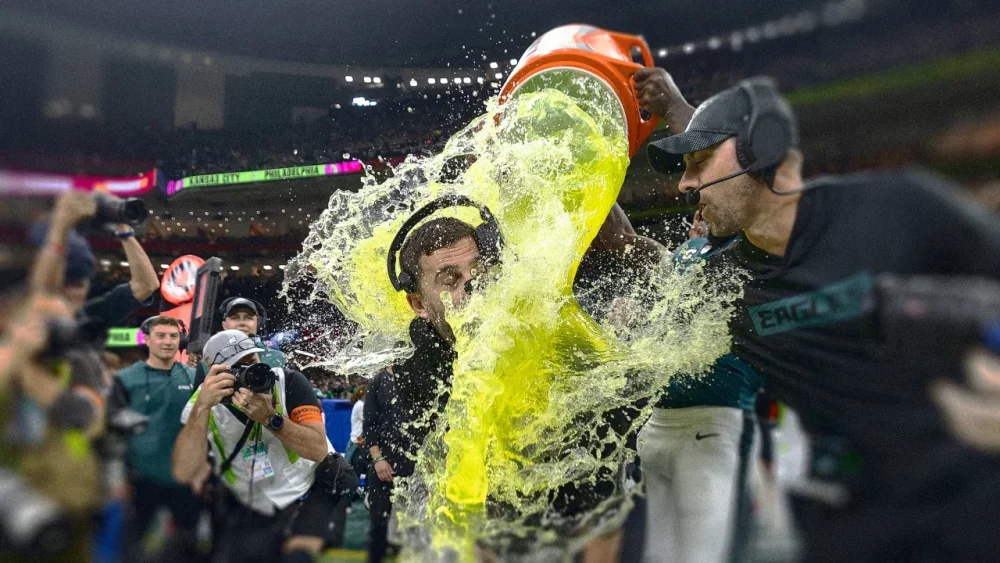
As the Super Bowl clock ticked just below three minutes left in the game, Eagles wide receivers A.J. Brown and DeVonta Smith picked up the giant Gatorade cooler, snuck behind head coach Nick Sirianni on the sideline, and hit him with the traditional shower celebration. It was probably one of the best ads of the Super Bowl, and it wasn’t even a commercial. And yet, it still told a story about how close the ties are between this brand and one of the most significant moments in sports. This year, Gatorade celebrates its 60th anniversary since Dr. James Cade first concocted his formula to keep the Florida Gators football team hydrated. Gatorade chief brand officer Anuj Bhasin says the brand is going to mark the occasion throughout the year with a strategy that aims to set things up for the next six decades. It’s a balance of honoring the past, while still pushing an image of innovation. The brand still holds more than 60% market share in sports drinks, but is also competing with brands like Liquid Death, all the energy drinks, water brands, and whatever else is available in the corner store fridge. The brand has been experimenting with various ways to move beyond just a sports drink to become an overall sports fuel brand for the past decade. That goal continues in earnest into its 60th year. “We have to think differently about how we use leading edge science to solve athlete problems,” says Bhasin. “We’re going to be thinking much more expansively about what what athletes might need and what they’re going to be having access to over the next 60 (years).” Linebacker Harry Carson of the New York Giants splashes a bucket of Gatorade over Head coach Bill Parcells after defeating the Denver Broncos during Super Bowl XXI on January 25, 1987, at the Rose Bowl in Pasadena, California. [Photo: Focus on Sport/Getty Images] Building on tradition There’s no doubt that Gatorade sponsorship investments keep the sports drink on the big league sidelines. In 2022, brand parent company PepsiCo renewed its deal with the NFL for another eight years, and actually codeveloped a new caffeine-infused sports drink called Fast Twitch with the league. No financial details were released, but the previous deal was reportedly $2 billion over 10 years. But the post-win shower was not a brand invention. It started 40 years ago during the 1984 NFL season, though there is a dispute about who started it—the New York Giants or the Chicago Bears. Last year, the brand launched an updated take on its classic “It Is In You?” campaign, starting with a spot narrated by Michael Jordan. It also brought back the brand’s classic aesthetic of black and white images, highlighted with colorful Gatorade-flavored sweat, now featuring Caitlin Clark, A’ja Wilson, Jayson Tatum, Sydney McLaughlin-Levrone, and Josh Allen all perspiring the brand colors. [Photos: Gatorade] That campaign helped boost the brand in a couple areas, according to a digital brand lift study with DISQO. First, Gatorade saw an 18% growth in the number of people who think Gatorade “improves athletic performance, and 12.6% lift in people who think it is “scientifically proven to rehydrate faster than water” (Even if that’s a very debatable point). Bhasin says the brand also made a pivot in its approach to its social marketing, shifting from moments the brand created—campaigns, ad launches—to reacting and capitalizing on moments in sports culture. This week, when Luka Doncic was set to make his debut as a Los Angeles Laker, Gatorade posted a video of the Hollywood sign flipping its “L”s to resemble the NBA star’s number 77 jersey. It attracted more than two million views on X alone. The brand is also pushing harder on a shift its made over the past year that is less centered on the brand, but led by its athletes, influencers, and scientific experts. “Consumers don’t have to listen to us. They can skip our commercials. They can skip our digital creative,” says Bhasin. “They will opt into it if the content is highly relevant, so developing content that is founded in sport culture and sport science is the biggest shift that we’re making.” Over the next few months, the newest batch of brand content will start rolling out. “Last year was hyper focused on resharpening who we were and what we stood for with athletes,” says Bhasin. “This year is about deepening that trust emotionally with them, while also showcasing a road map to the future.” View the full article
-
Militant group had threatened to suspend releases after accusing Israel of breaching ceasefire agreementView the full article
-
US activist hedge fund becomes oil major’s third-largest shareholder View the full article
-
EU capitals expressed shock and alarm at Ukraine appearing to be cut out of talks to end warView the full article
-
This jacket grows on trees. Vollebak, a London-based experimental clothing lab, has released a prototype garment made out of timber panels overlaid on a fabric interior. The long-sleeve hooded men’s Wooden Jacket is a feat of fashion design, turning a stiff material into pliable and stylish outerwear. Once it becomes available, the jacket will sell for $3,295. For now, there’s a waiting list “while we grow them,” Vollebak says. [Photo: Sun Lee/Vollebak] The jacket is par for the course for Vollebak, which experiments with sustainable materials to make its unlikely apparel. The company has also designed an antiviral jacket made from copper, a decomposable hoodie made from pomegranate peels, and a sweater made from natural fibers grown in a petri dish and assembled by a 3D knitting machine. Of course wood pulp can be used to make fibers like viscose and lyocell, which can be turned into fabric for clothing. What makes Vollebak’s jacket unique is that it’s not made with plant fibers extracted from wood. Rather, it’s made of the wood itself. The key to the Wooden Jacket’s functionality requires close inspection. While it appears to have a solid wood pattern with natural grain, closeups of the prototype fabric show the textured pattern is actually a pliable grid of tiny squares that give the garment flexibility. The prototype design also features two front patch pockets and zippers. [Photo: Sun Lee/Vollebak] On its website, Vollebak says it designed the Wooden Jacket just to prove it could, noting that “turning a tree into a jacket is an absurdly difficult technical challenge. . . . It forces us to tackle, then solve, technical challenges that would otherwise remain completely theoretical.” View the full article

-
Throughout Harvard Square, there are many bookshop brimming with the latest literary fiction and intellectual memoirs, patronized by scholarly types. But in January, a new bookshop popped up in the neighborhood that is nothing like the others. Lovestruck Books is a romance bookstore. It’s Instagrammable entrance is adorned with pink and purple flowers. There’s a coffee shop that transforms into a wine bar for evening events. Besides an enormous selection of romance novels, you can also purchase sex toys and tote bags emblazoned with “I read smut.” “We want to toe the lie a little bit with being provocative and edgy,” says Rachel Kanter, the store’s founder. “But the most important thing is that everything is done in a way that feels safe and welcoming.” Her plan seems to be working. The store has been packed since launch and Kanter has blown through all of her sales targets. Customers don’t just visit the store to discover new books; they come to gather with one another. On a recent Tuesday, I sat on a plush velvet sofa in the corner of the store with a cup of tea. Next to me, a woman was tearfully confiding to an older friend about her divorce. When they left, two women sat down and pondered whether Mark Zuckerberg’s newfound embrace of “masculine energy” would break up his marriage. Rachel Kanter [Photo: Reagan Byrne/Lovestruck] The Ripped Bodice in Ventura, California, was the first romance bookstore to open in the United States back in 2016. It was so successful that it went on to open another location in Brooklyn, and has paved the way for dozens more to open. There are now 30 romance bookstores around the country, including A Novel Romance in Louisville, Kentucky, and Blush Bookstore in Wichita, Kansas. Most of these bookstores are founded by women, and they’ve become safe spaces for their predominantly female and queer customers to gather and create community. This is abundantly clear on Valentine’s Day. While the holiday is purportedly about celebrating romance, these bookstores are choosing to focus on friendship. Lovestruck is hosting a conversation with best-selling novelist Ashley Poston about female friendships. Sweeter Than Fiction, a bookstore in downtown Charleston, South Carolina, has organized an outing for customers who love sports romance novels to attend a hockey game. [Photo: Sweeter Than Fiction] Romance goes mainstream Callie Lamb opened Sweeter than Fiction in Charleston last October. On opening day, a line of customers snaked around the block. “I exceeded my three month sales target on day one of being open,” she says. “Even now, I can’t keep books in stock.” Lamb had spent her career as a buyer for large retailers like Belk and Dollar Tree, but during the pandemic, she decided it was time to strike out on her own. In 2023, she came up with the idea of opening a romance bookstore. She found a prime location on King Street, Charleston’s shopping district, and poured her savings into transforming it into an aesthetically pleasing venue, with a plant wall, pink bookcases, and marble topped tables to display books. Romance, as a genre, exploded during the pandemic. This coincided with the rise of TikTok. Book lovers took to the platform to promote their favorite titles, driving sales. Today, romance is both a top-selling and fast-growing genre in fiction. In 2023, romance novels sold 39 million copies, more than double the number from 2020. Publishers are now flooding the market with even more titles across many sub-genres, including LGBTQ+ romance, paranormal romance, and romantasy (a blending of romance and fantasy). “Romance is a huge category, but most bookstores have a small section devoted to it,” Lamb says. “There’s a clear demand for a store that specializes in romance.” One reason that some bookstores don’t have more romance books is that the genre has has been stigmatized for decades. This taboo goes back centuries, scholars say, as the male-dominated literary establishment dismissed these books because they were primarily written by and for women. But while previous generations of women felt the need to hide their Harlequin romances, today’s readers are reading romances unapologetically. Indeed, some women want to reclaim the word “smut” as a form of female empowerment, since romance novels have done a great deal to center women’s desires, sexuality, and experiences. “There is a tendency to dismiss things that are geared towards women,” Kanter says. “Romance is a powerful way for women to reclaim something that belongs to them.” [Photo: Reagan Byrne/Lovestruck] A Feminine Energy While there’s are some men who feel comfortable admitting they read love stories, the vast majority of romance readers—and romance bookstore customers—are women. So it makes sense that romance bookstores are unapologetically feminine. The interior design tends to be saturated in shades of pink, red, and purple. They sell jewelry, throw cushions, and candles. Flowers are often part of the decor. For many of these romance bookstores, part of the business model is hosting events and talks. In just one month in business, Lovestruck has already hosted more than 3,400 people at in-store events. The talks tackle a wide range of topics, from discussions with best-selling authors to learning how to play mahjong to unpacking steamy love scenes in LGBTQ+ love stories. “The community in Harvard Square has come in out droves to support us,” Kanter says. “It’s clear they were hungry for this kind of gathering space.” For many people, romance bookstores have become a place to escape from current politics, which have increasingly restricted women’s rights as well as the LGBTQ+ community. Indeed, Lamb points out that part of the reason that romance took off during the pandemic is because readers wanted an escape from the harsh realities of life. “By definition, you get a happily ever after,” she says. Kanter concurs. Her store and events are deliberately designed to be fun and lighthearted. But at the same time, creating a place where women and queer folks can find joy in one another’s presence also feels like an act of resistance in this political climate. “Our customers are choosing to put their dollars towards supporting a woman-owned business that celebrates the female experience,” Kanter says. View the full article

-
Are your company’s business accounts at risk of ACH and wire fraud? If you’re uncertain, it’s important to investigate now. By learning about this type of fraud and putting preventative measures in place, you can safeguard your business from financial losses. This article will provide tips for ACH fraud protection and prevention, so continue reading to discover more. What Is ACH Fraud? ACH fraud refers to the unauthorized use of electronic funds transfer by banks and other financial institutions via the ACH network. This can include instances where an individual’s account information is stolen and used to make a fraudulent ACH transaction or when a scammer tricks a business into sending payments to the wrong account. Wire fraud, on the other hand, refers to the illegal use of wire communications for financial gain. Both ACH and wire fraud can result in significant financial losses for individuals and businesses. It’s a good idea to be aware of these scams as your first step to fraud protection. How Do ACH and Payment Fraud Happen? ACH and payment fraud can happen when unauthorized individuals obtain personal information, like bank accounts or routing numbers, enabling them to carry out fraudulent transactions via the ACH network. These criminals may use phishing scams, data breaches, or other methods to obtain this sensitive information. It is important for individuals and businesses to protect their information and closely monitor their accounts for ACH payment fraud prevention. Who Is At Risk for ACH Fraud? Business email compromise (BEC) scams target all companies that conduct ACH transfers, regardless of size or industry. These scams often involve fraudulent emails impersonating a company executive or vendor requesting an urgent transfer of funds. However, smaller businesses might be more vulnerable to these attacks because they often lack adequate security measures and training for recognizing fraudulent activity. Therefore, it is crucial for all businesses to remain vigilant and establish effective security protocols to prevent ACH fraud. How to Prevent Fraudulent ACH Transactions To prevent fraudulent ACH transactions, businesses must recognize the signs of fraud and implement measures to safeguard their bank accounts. Here are tips to ensure your business transactions remain safe and secure. Use a secure payment gateway Using a secure payment gateway is one of the best ways to prevent ACH fraud. A secure payment gateway will encrypt your customer’s information and protect it from being accessed by unauthorized individuals. Anti-virus and malware software Protect your computer by using anti-virus and malware software to prevent infections that could compromise your system and steal your customers’ information. Additionally, ensure that your software is always up-to-date! Be smart when creating passwords Create strong passwords, and don’t use the same password for multiple accounts. Avoid using easily guessed words like your name or birthday, and include a mix of letters, numbers, and special characters. Make sure websites are secure Only enter your credit card information on encrypted websites that start with “https://.” You can also check for a padlock icon in your browser’s address bar, which indicates that the site is secure. If the site starts with “http://” or you don’t see a padlock icon, do not enter your credit card information. Keep your firewall turned on A firewall helps protect your computer from hackers who might try to gain access to your system to steal your information. Always keep your firewall turned on and up-to-date. Financial institutions typically have their own fraud prevention measures in place, but it’s always good to have an extra layer of protection. Monitor your bank account regularly Monitoring your bank account regularly for unauthorized transactions is one of the best ways to prevent ACH fraud. Set up account alerts so you can be notified immediately if there is any suspicious activity. If you do see a fraudulent transaction, report it to your bank immediately. Educate your employees Educating your employees about safe online practices and ACH fraud is one of the best ways to prevent it. Make sure your employees know how to spot the signs of fraud and what to do if they suspect someone is trying to scam them. Verify requests for payment If you receive a request for payment, make sure to verify the request before sending any money. Verify the requestor’s identity and make sure you understand the purpose of the payment. If you have any doubts, contact the requestor directly to confirm. Don’t click on links in suspicious emails If you receive an email from a sender you don’t know, or if the email looks suspicious, don’t click on any links. These links could be malicious and lead you to a website that will steal your information. Don’t trust a sense of urgency Scammers often try to create a sense of urgency in order to get you to act quickly. Don’t let yourself be pressured into making a decision, and take the time to verify any requests for payment. Know your rights It’s important to know your rights in case you do become a victim of ACH fraud. The Federal Trade Commission has information on what to do if you’re a victim of identity theft, and the Consumer Financial Protection Bureau has information on your rights as a consumer. TipDescription Secure Payment GatewayUtilize a secure payment gateway to encrypt customer information, preventing unauthorized access. Anti-virus SoftwareInstall anti-virus and malware software to protect your system from malicious software and data theft. Strong PasswordsCreate strong, unique passwords for accounts, avoiding easily guessed information and including various characters. Secure WebsiteEnsure websites for financial transactions have "https://" and a padlock icon, indicating encrypted and secure connections. Firewall ProtectionKeep your computer firewall on to defend against hackers attempting unauthorized access and information theft. Regular Account ChecksMonitor your bank account regularly for suspicious activities and set up alerts for immediate notifications. Employee EducationEducate employees on identifying fraud signs and safe online practices, empowering them to prevent fraudulent activities. Payment Request VerificationVerify payment requests by confirming the requestor's identity and understanding the payment purpose before sending money. Avoid Suspicious LinksRefrain from clicking on links in suspicious emails, as they may lead to malicious websites designed to steal your information. Don't Rush DecisionsBe cautious of creating a sense of urgency; take time to verify payment requests and avoid making hasty decisions. Know Your RightsFamiliarize yourself with your rights as a consumer and how to respond if you fall victim to ACH fraud; consult resources like the Federal Trade Commission and Consumer Financial Protection Bureau. More Essentials to Prevent ACH Fraud Enhanced Verification Processes Implementing robust verification processes is essential in mitigating ACH fraud risks. Introducing multi-factor authentication and thorough verification for transactions can significantly reduce unauthorized access and fraudulent activities. This approach involves using a combination of something the user knows (like a password), something they have (like a mobile device), and something they are (like a fingerprint). This multi-layered defense strategy ensures that even if one factor is compromised, unauthorized transactions can still be prevented. Collaboration with Financial Partners Working closely with banks and financial institutions is key to enhancing ACH fraud prevention efforts. These partners often have access to advanced fraud detection tools and industry-specific insights that can be invaluable. By leveraging their expertise and resources, businesses can adopt more effective fraud prevention strategies and stay updated on the latest trends and threats in financial fraud. Regular Policy Reviews and Updates To effectively combat ACH fraud, it is essential to routinely review and update company policies concerning financial transactions. This proactive strategy guarantees that internal procedures align with the ever-changing industry best practices and regulatory requirements. Regular audits can uncover vulnerabilities and facilitate prompt updates to protocols, which in turn enhances the organization’s defenses against ACH fraud. Cybersecurity Education and Awareness Continuous education and awareness about cybersecurity are crucial in preventing ACH fraud. Regular training sessions for employees can help them recognize and report suspicious activities. Educating staff about the latest fraud tactics and prevention methods builds a knowledgeable workforce capable of identifying red flags and mitigating risks. Secure Communication Protocols Establishing secure communication protocols is vital, especially when handling sensitive financial data. Using encrypted communication channels can prevent data breaches and unauthorized access. This practice is critical not only in safeguarding the integrity of financial transactions but also in maintaining customer trust and compliance with data protection regulations. Investment in Advanced Security Technologies Investing in cutting-edge security technologies, such as AI-driven fraud detection systems, can provide an additional layer of protection. These systems can analyze transaction patterns and flag anomalies that might indicate fraudulent activities, enabling preemptive action to safeguard against ACH fraud. Incident Response and Recovery Plans Having a well-structured incident response and recovery plan is essential for minimizing the impact of ACH fraud. This plan should outline clear procedures for immediate action in case of a fraud incident, including steps for containment, investigation, notification, and recovery. It ensures a swift and coordinated response, reducing financial and reputational damage. Customer Education and Engagement Involving and educating customers about ACH fraud and common scam tactics plays a significant role in prevention. Informing customers about safe financial practices and encouraging them to report any suspicious activities can act as a crucial line of defense against fraudsters. Regular Audits and Assessments Regularly conducting audits and assessments of financial systems and processes is essential for identifying potential security vulnerabilities. These audits provide insights into the effectiveness of existing fraud prevention measures and highlight areas that need improvement or adjustment. Compliance with Regulatory Standards Following the appropriate regulatory standards and compliance requirements is not only a legal obligation but also a vital element in preventing ACH fraud. Compliance helps businesses implement best practices in financial security, thereby strengthening their overall protection against fraudulent activities. Who Is Liable for Automated Clearing House Fraud? The party responsible for ACH fraud is typically the bank which the fraudulent transaction originated from. However, if it can be proven that the account holder was negligent in protecting their account information and passwords, they may also be held liable. It is important for both individuals and businesses to regularly monitor their bank accounts and report any suspicious activity immediately to their financial institution. How Do Financial Institutions Investigate ACH Fraud? If someone were to commit fraud, financial institutions would investigate by closely monitoring account activity for unusual or suspicious behavior. They may also utilize fraud detection software to flag potentially fraudulent transactions. In cases of suspected fraud, the institution will conduct a thorough investigation and may even contact law enforcement if necessary. Understanding ACH and Wire Fraud Prevention Fraudulent activities, particularly ACH fraud and wire fraud, present considerable risks to businesses of all sizes. It is essential to be proactive in understanding and implementing preventive measures to protect your company’s financial health. Below, we explore effective strategies to safeguard your business against ACH fraud and wire fraud: Implement Employee Training Programs Educating your employees about the various forms of fraud, including ACH and wire fraud, can significantly reduce the risk of falling victim to scams. Training should cover identifying suspicious emails, verifying payment requests, and understanding the importance of secure practices. Multi-Layer Authentication Consider using multi-layer authentication for accessing sensitive financial systems. This approach requires users to provide multiple forms of verification before granting access, adding an extra layer of security against unauthorized access. Regularly Update Security Software Stay vigilant by consistently updating your security software, firewalls, and anti-virus programs. These updates often include patches to address new vulnerabilities, ensuring your systems are fortified against emerging threats. Conduct Periodic Risk Assessments Regularly assess your business’s exposure to fraud risks. Identify potential weak points in your financial processes and implement targeted measures to mitigate these risks effectively. Work with Your Financial Institution Collaborate closely with your bank or credit union to understand the security measures they have in place. Seek guidance on best practices for ACH and wire fraud prevention, as financial institutions often have specialized tools and recommendations. Regularly Review Transactions Assign personnel to regularly review transactions and financial statements. This practice can help identify any unauthorized or suspicious activities promptly, allowing for immediate action. Utilize Positive Pay Services Some financial institutions offer positive pay services that match incoming checks or electronic payments against your business’s authorized transactions. This can prevent unauthorized transactions from being processed. Secure Your Online Platforms Ensure that your online platforms, including banking portals and financial systems, are protected with robust passwords and two-factor authentication. Regularly update passwords and restrict access to authorized personnel. Establish Payment Approval Protocols Implement strict protocols for approving payments, especially those involving large sums. This may include requiring multiple levels of authorization or utilizing digital signatures for confirmation. Maintain Communication Channels Encourage open communication within your organization about potential fraud. Employees should feel comfortable reporting any suspicious activities, allowing for swift intervention and prevention. Develop an Incident Response Plan Prepare for the worst-case scenario by developing a comprehensive incident response plan. This plan should outline the steps your business will take if a fraud incident occurs, ensuring a quick and effective response. By taking these additional steps, you can fortify your business against the threat of ACH and wire fraud. Keep in mind that the landscape of fraud is constantly evolving, so staying informed and adaptable is essential to ensuring your business’s financial security. Conclusion As businesses increasingly rely on digital financial systems, the risk of ACH and wire fraud becomes ever more pronounced. This article has illuminated the intricate landscape of ACH fraud, wire fraud, and the strategies fraudsters employ to exploit vulnerabilities. Armed with this knowledge, you can take proactive steps to protect your business from potential financial losses. The journey toward ACH and wire fraud prevention begins with awareness. By understanding the mechanics of these fraud types, you lay a foundation for effective defense. Implementing preventative measures is the next crucial step. From secure payment gateways and anti-virus software to vigilant monitoring and employee education, each strategy contributes to a robust defense against fraud. Moreover, recognizing the dynamic nature of fraud, you must remain adaptable. Engage with financial institutions, utilize advanced security features, and foster a culture of vigilance within your organization. Through ongoing training, regular risk assessments, and open communication, you can fortify your business’s resilience against evolving fraud tactics. By integrating these strategies, you can shield your business from the detrimental impacts of ACH and wire fraud. Remember, the goal isn’t just to preserve financial stability; it’s to safeguard your business’s reputation and longevity in an increasingly digitized landscape. Image: Envato Elements This article, "How to Prevent ACH Fraud" was first published on Small Business Trends View the full article
-
Are your company’s business accounts at risk of ACH and wire fraud? If you’re uncertain, it’s important to investigate now. By learning about this type of fraud and putting preventative measures in place, you can safeguard your business from financial losses. This article will provide tips for ACH fraud protection and prevention, so continue reading to discover more. What Is ACH Fraud? ACH fraud refers to the unauthorized use of electronic funds transfer by banks and other financial institutions via the ACH network. This can include instances where an individual’s account information is stolen and used to make a fraudulent ACH transaction or when a scammer tricks a business into sending payments to the wrong account. Wire fraud, on the other hand, refers to the illegal use of wire communications for financial gain. Both ACH and wire fraud can result in significant financial losses for individuals and businesses. It’s a good idea to be aware of these scams as your first step to fraud protection. How Do ACH and Payment Fraud Happen? ACH and payment fraud can happen when unauthorized individuals obtain personal information, like bank accounts or routing numbers, enabling them to carry out fraudulent transactions via the ACH network. These criminals may use phishing scams, data breaches, or other methods to obtain this sensitive information. It is important for individuals and businesses to protect their information and closely monitor their accounts for ACH payment fraud prevention. Who Is At Risk for ACH Fraud? Business email compromise (BEC) scams target all companies that conduct ACH transfers, regardless of size or industry. These scams often involve fraudulent emails impersonating a company executive or vendor requesting an urgent transfer of funds. However, smaller businesses might be more vulnerable to these attacks because they often lack adequate security measures and training for recognizing fraudulent activity. Therefore, it is crucial for all businesses to remain vigilant and establish effective security protocols to prevent ACH fraud. How to Prevent Fraudulent ACH Transactions To prevent fraudulent ACH transactions, businesses must recognize the signs of fraud and implement measures to safeguard their bank accounts. Here are tips to ensure your business transactions remain safe and secure. Use a secure payment gateway Using a secure payment gateway is one of the best ways to prevent ACH fraud. A secure payment gateway will encrypt your customer’s information and protect it from being accessed by unauthorized individuals. Anti-virus and malware software Protect your computer by using anti-virus and malware software to prevent infections that could compromise your system and steal your customers’ information. Additionally, ensure that your software is always up-to-date! Be smart when creating passwords Create strong passwords, and don’t use the same password for multiple accounts. Avoid using easily guessed words like your name or birthday, and include a mix of letters, numbers, and special characters. Make sure websites are secure Only enter your credit card information on encrypted websites that start with “https://.” You can also check for a padlock icon in your browser’s address bar, which indicates that the site is secure. If the site starts with “http://” or you don’t see a padlock icon, do not enter your credit card information. Keep your firewall turned on A firewall helps protect your computer from hackers who might try to gain access to your system to steal your information. Always keep your firewall turned on and up-to-date. Financial institutions typically have their own fraud prevention measures in place, but it’s always good to have an extra layer of protection. Monitor your bank account regularly Monitoring your bank account regularly for unauthorized transactions is one of the best ways to prevent ACH fraud. Set up account alerts so you can be notified immediately if there is any suspicious activity. If you do see a fraudulent transaction, report it to your bank immediately. Educate your employees Educating your employees about safe online practices and ACH fraud is one of the best ways to prevent it. Make sure your employees know how to spot the signs of fraud and what to do if they suspect someone is trying to scam them. Verify requests for payment If you receive a request for payment, make sure to verify the request before sending any money. Verify the requestor’s identity and make sure you understand the purpose of the payment. If you have any doubts, contact the requestor directly to confirm. Don’t click on links in suspicious emails If you receive an email from a sender you don’t know, or if the email looks suspicious, don’t click on any links. These links could be malicious and lead you to a website that will steal your information. Don’t trust a sense of urgency Scammers often try to create a sense of urgency in order to get you to act quickly. Don’t let yourself be pressured into making a decision, and take the time to verify any requests for payment. Know your rights It’s important to know your rights in case you do become a victim of ACH fraud. The Federal Trade Commission has information on what to do if you’re a victim of identity theft, and the Consumer Financial Protection Bureau has information on your rights as a consumer. TipDescription Secure Payment GatewayUtilize a secure payment gateway to encrypt customer information, preventing unauthorized access. Anti-virus SoftwareInstall anti-virus and malware software to protect your system from malicious software and data theft. Strong PasswordsCreate strong, unique passwords for accounts, avoiding easily guessed information and including various characters. Secure WebsiteEnsure websites for financial transactions have "https://" and a padlock icon, indicating encrypted and secure connections. Firewall ProtectionKeep your computer firewall on to defend against hackers attempting unauthorized access and information theft. Regular Account ChecksMonitor your bank account regularly for suspicious activities and set up alerts for immediate notifications. Employee EducationEducate employees on identifying fraud signs and safe online practices, empowering them to prevent fraudulent activities. Payment Request VerificationVerify payment requests by confirming the requestor's identity and understanding the payment purpose before sending money. Avoid Suspicious LinksRefrain from clicking on links in suspicious emails, as they may lead to malicious websites designed to steal your information. Don't Rush DecisionsBe cautious of creating a sense of urgency; take time to verify payment requests and avoid making hasty decisions. Know Your RightsFamiliarize yourself with your rights as a consumer and how to respond if you fall victim to ACH fraud; consult resources like the Federal Trade Commission and Consumer Financial Protection Bureau. More Essentials to Prevent ACH Fraud Enhanced Verification Processes Implementing robust verification processes is essential in mitigating ACH fraud risks. Introducing multi-factor authentication and thorough verification for transactions can significantly reduce unauthorized access and fraudulent activities. This approach involves using a combination of something the user knows (like a password), something they have (like a mobile device), and something they are (like a fingerprint). This multi-layered defense strategy ensures that even if one factor is compromised, unauthorized transactions can still be prevented. Collaboration with Financial Partners Working closely with banks and financial institutions is key to enhancing ACH fraud prevention efforts. These partners often have access to advanced fraud detection tools and industry-specific insights that can be invaluable. By leveraging their expertise and resources, businesses can adopt more effective fraud prevention strategies and stay updated on the latest trends and threats in financial fraud. Regular Policy Reviews and Updates To effectively combat ACH fraud, it is essential to routinely review and update company policies concerning financial transactions. This proactive strategy guarantees that internal procedures align with the ever-changing industry best practices and regulatory requirements. Regular audits can uncover vulnerabilities and facilitate prompt updates to protocols, which in turn enhances the organization’s defenses against ACH fraud. Cybersecurity Education and Awareness Continuous education and awareness about cybersecurity are crucial in preventing ACH fraud. Regular training sessions for employees can help them recognize and report suspicious activities. Educating staff about the latest fraud tactics and prevention methods builds a knowledgeable workforce capable of identifying red flags and mitigating risks. Secure Communication Protocols Establishing secure communication protocols is vital, especially when handling sensitive financial data. Using encrypted communication channels can prevent data breaches and unauthorized access. This practice is critical not only in safeguarding the integrity of financial transactions but also in maintaining customer trust and compliance with data protection regulations. Investment in Advanced Security Technologies Investing in cutting-edge security technologies, such as AI-driven fraud detection systems, can provide an additional layer of protection. These systems can analyze transaction patterns and flag anomalies that might indicate fraudulent activities, enabling preemptive action to safeguard against ACH fraud. Incident Response and Recovery Plans Having a well-structured incident response and recovery plan is essential for minimizing the impact of ACH fraud. This plan should outline clear procedures for immediate action in case of a fraud incident, including steps for containment, investigation, notification, and recovery. It ensures a swift and coordinated response, reducing financial and reputational damage. Customer Education and Engagement Involving and educating customers about ACH fraud and common scam tactics plays a significant role in prevention. Informing customers about safe financial practices and encouraging them to report any suspicious activities can act as a crucial line of defense against fraudsters. Regular Audits and Assessments Regularly conducting audits and assessments of financial systems and processes is essential for identifying potential security vulnerabilities. These audits provide insights into the effectiveness of existing fraud prevention measures and highlight areas that need improvement or adjustment. Compliance with Regulatory Standards Following the appropriate regulatory standards and compliance requirements is not only a legal obligation but also a vital element in preventing ACH fraud. Compliance helps businesses implement best practices in financial security, thereby strengthening their overall protection against fraudulent activities. Who Is Liable for Automated Clearing House Fraud? The party responsible for ACH fraud is typically the bank which the fraudulent transaction originated from. However, if it can be proven that the account holder was negligent in protecting their account information and passwords, they may also be held liable. It is important for both individuals and businesses to regularly monitor their bank accounts and report any suspicious activity immediately to their financial institution. How Do Financial Institutions Investigate ACH Fraud? If someone were to commit fraud, financial institutions would investigate by closely monitoring account activity for unusual or suspicious behavior. They may also utilize fraud detection software to flag potentially fraudulent transactions. In cases of suspected fraud, the institution will conduct a thorough investigation and may even contact law enforcement if necessary. Understanding ACH and Wire Fraud Prevention Fraudulent activities, particularly ACH fraud and wire fraud, present considerable risks to businesses of all sizes. It is essential to be proactive in understanding and implementing preventive measures to protect your company’s financial health. Below, we explore effective strategies to safeguard your business against ACH fraud and wire fraud: Implement Employee Training Programs Educating your employees about the various forms of fraud, including ACH and wire fraud, can significantly reduce the risk of falling victim to scams. Training should cover identifying suspicious emails, verifying payment requests, and understanding the importance of secure practices. Multi-Layer Authentication Consider using multi-layer authentication for accessing sensitive financial systems. This approach requires users to provide multiple forms of verification before granting access, adding an extra layer of security against unauthorized access. Regularly Update Security Software Stay vigilant by consistently updating your security software, firewalls, and anti-virus programs. These updates often include patches to address new vulnerabilities, ensuring your systems are fortified against emerging threats. Conduct Periodic Risk Assessments Regularly assess your business’s exposure to fraud risks. Identify potential weak points in your financial processes and implement targeted measures to mitigate these risks effectively. Work with Your Financial Institution Collaborate closely with your bank or credit union to understand the security measures they have in place. Seek guidance on best practices for ACH and wire fraud prevention, as financial institutions often have specialized tools and recommendations. Regularly Review Transactions Assign personnel to regularly review transactions and financial statements. This practice can help identify any unauthorized or suspicious activities promptly, allowing for immediate action. Utilize Positive Pay Services Some financial institutions offer positive pay services that match incoming checks or electronic payments against your business’s authorized transactions. This can prevent unauthorized transactions from being processed. Secure Your Online Platforms Ensure that your online platforms, including banking portals and financial systems, are protected with robust passwords and two-factor authentication. Regularly update passwords and restrict access to authorized personnel. Establish Payment Approval Protocols Implement strict protocols for approving payments, especially those involving large sums. This may include requiring multiple levels of authorization or utilizing digital signatures for confirmation. Maintain Communication Channels Encourage open communication within your organization about potential fraud. Employees should feel comfortable reporting any suspicious activities, allowing for swift intervention and prevention. Develop an Incident Response Plan Prepare for the worst-case scenario by developing a comprehensive incident response plan. This plan should outline the steps your business will take if a fraud incident occurs, ensuring a quick and effective response. By taking these additional steps, you can fortify your business against the threat of ACH and wire fraud. Keep in mind that the landscape of fraud is constantly evolving, so staying informed and adaptable is essential to ensuring your business’s financial security. Conclusion As businesses increasingly rely on digital financial systems, the risk of ACH and wire fraud becomes ever more pronounced. This article has illuminated the intricate landscape of ACH fraud, wire fraud, and the strategies fraudsters employ to exploit vulnerabilities. Armed with this knowledge, you can take proactive steps to protect your business from potential financial losses. The journey toward ACH and wire fraud prevention begins with awareness. By understanding the mechanics of these fraud types, you lay a foundation for effective defense. Implementing preventative measures is the next crucial step. From secure payment gateways and anti-virus software to vigilant monitoring and employee education, each strategy contributes to a robust defense against fraud. Moreover, recognizing the dynamic nature of fraud, you must remain adaptable. Engage with financial institutions, utilize advanced security features, and foster a culture of vigilance within your organization. Through ongoing training, regular risk assessments, and open communication, you can fortify your business’s resilience against evolving fraud tactics. By integrating these strategies, you can shield your business from the detrimental impacts of ACH and wire fraud. Remember, the goal isn’t just to preserve financial stability; it’s to safeguard your business’s reputation and longevity in an increasingly digitized landscape. Image: Envato Elements This article, "How to Prevent ACH Fraud" was first published on Small Business Trends View the full article
-
Eric Migicovsky has barely started working on a successor to the Pebble smartwatch, and he’s already talking about being finished with it. Eight years ago, Migicovsky shut down the smartwatch startup he founded, having sold its software assets to Fitbit, which later became part of Google. But all this time, he and thousands of Pebble die-hards have continued to wear their watches, aided in part by a community that’s kept Pebble’s app store and core services alive. Last month, Migicovsky persuaded Google to make Pebble’s software open source, and now he’s started a company to build new watches. (They won’t be called Pebbles, though, since Google still owns the name.) While there’s plenty to do before new watches can ship, the longevity of current Pebbles taught Migicovsky a lesson: Not every gadget needs an annual release cycle, a steady cadence of software launches, and a change-the-world mindset. Instead, it’s possible to release a finished product that stays in its lane. This is an atypical approach to consumer tech, but it will be a defining trait for Pebble’s successor. “Pebble has not had a firmware update in eight years, and it still is—for me, at least, for the features I want—the best option on the market, which is crazy,” Migicovsky says. “Before that, we were updating every month . . . and I never once realized, or thought, or even considered: What if we were done?” Why Pebble is specialAs one of those last remaining active Pebble users, I understand where Migicovsky is coming from. I’ve worn a Pebble Time Steel on and off ever since it launched in 2015, and I even bought a couple more as backups in case of hardware failure (both of which I eventually had to start using). [Photo: Jared Newman]While I’ve dabbled in Apple Watches and Android’s WearOS models, I always drift back to Pebble. I’m not big into quantified health, so the increasing fitness focus of other watches doesn’t resonate with me. A watch that delivers notifications, music controls, and timers is good enough, and Pebble arguably does those things better than any modern smartwatch. The battery lasts for a week, so I can leave the charger at home on weekend outings, and side buttons let me control music or dismiss notifications without even looking at the screen. Meanwhile, Pebble’s lo-fi design has become part of its allure. The Game Boy aesthetic, fun animations, and thousands of installable watch faces give Pebble a geeky charm, made all the more novel by how many people wear identical Apple Watches on their wrists. Migicovsky says the aesthetics help explain why Pebble has maintained its enthusiastic community of users. [Photo: Jared Newman]“It was retro when it started, because of the black-and-white feel, and so I think it didn’t become dated because it was already dated,” Migicovsky says. “That stuck around in people’s memories, and on a lot of people’s wrists.” Bringing Pebble backYou can still find Pebble watches on sites like eBay, but getting them to work is a challenge. Pebble’s iPhone app departed the App Store in 2021 because no one kept up its Apple Developer account, so you have to sideload it using work-arounds like AltStore. On Android 15 and above, new security requirements make direct sideloading impossible, so you have to push the app to your phone from a computer. Even if you get the app installed, it won’t do much on its own because Pebble’s servers shut down in 2018. Fully reviving the watch requires a tool called Rebble Web Services, which hijacks the setup process to provide its own version of Pebble’s app store and online features, such as weather and voice dictation. It’s a miracle that any of this works, but the end result is a product that still fulfills its original purpose. [Screenshot: Rebble Store]All of which means that Migicovsky’s work is largely about delivering a functional product rather than a reimagined one. Existing Pebble owners will get a new app that works without any rigmarole, and newcomers will get modern hardware that preserves Pebble’s apps, watch faces, and core features, including an always-on e-paper screen and physical buttons. As for new functions, Migicovsky’s plans are surprisingly low-key. His to-do list includes things like adding more notification icons for apps that didn’t exist a decade ago and providing a standard weather API for watch face makers. He expresses some admiration for the “complications” features of Apple Watches but is noncommittal about bringing the idea to a Pebble successor. Meanwhile, Migicovsky flatly rejects some more ambitious concepts for Pebble that never came to fruition, like wristbands with extra features built in. (Pebble’s original attempt at that idea, called SmartStraps, went nowhere.) In a blog post following up on the original announcement, he warned people to temper their expectations. “Please don’t get your hopes up that the new watch will have X/Y/Z new feature,” he wrote, noting that Pebble will be “almost exactly” as users remember it, except now with open-source software that can be modified and improved. The open-source doorPebble was always amenable to tinkering by outside developers. Even before adding its own health features, Pebble allowed apps like Misfit to track steps and sleep in the background. And when Katharine Berry, a third-party developer, built a web-based tool for making watch apps, Pebble hired her and started recommending the tool itself. (Berry, who now works at Google, later became instrumental in developing Rebble Web Services and getting Google to open-source the Pebble operating system.) Now that anyone can use and modify Pebble’s source code, the door is open to even wilder modifications. While Migicovsky will stick to what sounds mostly like a Pebble rerelease, he’s content to let outside developers experiment. “We were an amazingly hackable smartwatch then. Now that the OS is open source, there’s nothing you can’t hack on it,” he says. “You can build new hardware. You can add new features. You can write a new mobile app.” Regardless of how much hacking actually happens, the approach at least gives Pebble’s successor a clearer identity. By Migicovsky’s admission, one reason Pebble failed is that it never settled on who it was for. The watch began as a geeky gadget, but later pitched itself as a productivity tool, then pivoted toward fitness features in a last-ditch attempt to compete with Fitbit and the Apple Watch. This time, Migicovsky won’t make that mistake. “If you had to take one of those three,” he says, “I’ll take geek every day.” View the full article

-
Super Bowl ad spots range from just 15 to 60 seconds, but their impact lives on through social media for the days, weeks, and sometimes even years that follow. Although around 50 brands bought broadcast time, less than a week later, only a handful are still being talked about. So how can brands best transform their (very expensive) ads from momentary entertainment to long-lasting conversation pieces? Data from Metricool, a social media analytics tool, shows that the Super Bowl ads with the largest reach and impact are ones that use social media to turn their seconds-long time slot into an all-encompassing experience. “Brands should focus on full-scope coverage, rather than putting all their eggs in a TV ad,” says Anniston Ward, a specialist at Metricool. “It takes a full experience to really create a lasting effect.” Poppi’s influencer marketing tactic, for one example, scaled beyond its brief TV spot to make a lasting post-Super Bowl impact. In the week leading up to the big game, the health-focused soda brand launched a series of giveaways, collaborations with influencers, and a high-profile stunt involving the brand sending neon pink branded vending machines to more than 30 influencers. Days later, people are still talking about Poppi’s tactics—though not all of the reception has been positive. Many online called Poppi “out of touch” for giving large amounts of free product to already wealthy influencers. “And now, ‘Poppi’ is in everyone’s mouths, whether it’s good or bad,” Ward says. Metricool observed that Poppi’s Instagram engagement reached 4%—which might seem a paltry figure, but Instagram’s industry average is 0.7%, and anything higher than 1% is considered a strong performance. The brand’s Instagram post likes spiked by nearly 100%. Carl’s Jr. also turned its Super Bowl ad spend into a weeklong online experience, featuring a scantily dressed Alix Earle biting into a Carl’s Jr. “hangover burger” to promote a “free burger day” on February 10. The company shared behind-the-scenes footage leading up to Super Bowl Sunday, and even released a snippet of the ad on Reels the Wednesday before the game. That reel secured the fast-food restaurant chain a 91% increase in Instagram followers and a 47% engagement rate—the top engagement of any Super Bowl social media promotion, Metricool observed. When an ad campaign is successful, the conversation around it can last for weeks. For Apple, the conversation’s been going for decades. Yes, more than 40 years later, Apple’s “1984” ad—which redefined Super Bowl commercials and permanently launched the company into the international spotlight—still sets the bar for branding brilliance. Last year’s best-performing Super Bowl spot also garnered international attention. Beyoncé’s announcement of her Cowboy Carter album, in collaboration with Verizon, is still having a positive ripple effect today: The album broke Spotify records upon its release, and Beyoncé paired up with Verizon yet again this year to announce her Cowboy Carter tour. “The Super Bowl is one of the largest marketing events of the year,” Ward says. “It can give us a footprint to how marketers can craft their campaigns for the next year, and use it as kind of a reference to what has worked well.” View the full article

-
When workers repaved part of Interstate 94 near Minneapolis last fall, it looked like they were pouring ordinary concrete. But instead the highway was the first to use a new, near-zero-emissions material. It’s one of a series of large projects to use material from C-Crete, a Bay Area-based startup. Shortly, the highway was repaved, and the company poured slabs and foundations at San Francisco International Airport. Earlier in the summer, it also poured a floor slab in a super-tall skyscraper under construction in Manhattan, the future headquarters of JPMorgan Chase. Other projects are underway now. [Photo: courtesy C-Crete Technologies] Producing cement, the glue that holds concrete together, is a major source of global emissions—around 8% to 9%, or three times as much as the aviation industry. But as startups are racing to bring low-emissions alternatives to market, some of those new products may be at a tipping point. “This is cost-competitive,” says C-Crete CEO Rouzbeh Savary, who began working on a more sustainable cement alternative as a PhD student at MIT. “We’re making binders that are the same cost, same performance, and no CO2.” Typical Portland cement, which has been in use for the past 200 years, is a big polluter for two reasons. First, it’s made by heating up limestone, which releases CO2 as the limestone breaks down. The process also uses a lot of energy, which is usually run on coal and other fossil fuels. JPMorgan, 270 Park Ave. [Photo: courtesy C-Crete Technologies] C-Crete replaces limestone with other rocks that don’t contain CO2, such as granite or zeolite. Some other startups are taking a similar approach. Brimstone, for example, a startup backed by Bill Gates’s Breakthrough Energy Ventures, uses calcium instead of limestone. Sublime Systems, another startup, dissolves calcium silicate with chemicals. (Sublime first poured concrete for a building in Boston a year ago, and won a DOE award in December to build a new, clean-cement factory in Massachusetts.) C-Crete says that it has a simpler process: Rather than extracting a single element from rocks, requiring multiple steps and creating waste, it found a way to use the full mix of materials inside granite and other rocks. The team spent years developing a process that worked. “We had thousands of failed formulas, so this didn’t come overnight,” Savary says. In the final process, rocks are pulverized, and then the company adds a mix of chemicals—calibrated for a particular rock’s composition—to reform a new, strong material. The process uses far less energy than making Portland cement; if it’s made renewable energy, the binder can be zero-emissions. (The other materials in concrete, like sand and water, are only a minor source of emissions.) The poured concrete also acts like a sponge, capturing CO2 from the air as it cures. [Photo: courtesy C-Crete Technologies] When the binder is used to make concrete, the material is as durable and strong as conventional concrete, the company says, meeting ASTM performance standards. It also flows and pumps like typical concrete, so construction methods don’t have to change. In its initial projects, C-Crete now produces cement itself. But the startup is now in discussions with ready-mix concrete companies around the country that can use its approach. Those companies already have quarries where they mine rocks like granite for aggregate. They can buy off-the-shelf equipment to pulverize the rocks, and then use binder materials from C-Crete; the changes can easily integrate into the existing construction industry without needing large-scale investments in manufacturing. San Francisco International Airport [Photo: courtesy C-Crete Technologies] Unsurprisingly, the construction industry is cautious about adopting new materials. But as a growing number of real-world projects demonstrate the performance of the concrete, it could scale up quickly. Some building owners might choose the material for sustainability reasons, but the biggest factor in its favor will likely be the affordability. While the material already competes on cost, it has the potential to become even cheaper than conventional concrete, since it’s more efficient to produce. “We believe that what we are doing is the most scalable, simplest, and most affordable way of decarbonizing concrete,” says Savary. View the full article

-
During the Great Resignation, employers offered signing bonuses at unprecedented rates and, while the labor market has since cooled, the cash incentive remains popular, especially among in-person roles. According to a recent study by Indeed’s Hiring Lab, the one-time bonus was included in less than 2% of job postings on the platform before the pandemic, and skyrocketed to a peak of 5.6% in September of 2022. Though the labor market is largely back to pre-pandemic norms, signing bonus offers remain nearly twice as common as they were in 2019, and are now attached to 3.7% of U.S. job postings. “In the last couple years, the trend line has actually diverged,” explains the report’s author and Indeed economist Cory Stahle. “In other words, we saw wage growth start slowing down really fast, and signing bonuses started slowing down too, but not nearly as fast.” According to the study, the jobs that are most likely to come with a signing bonus require a physical presence and tend to be in a medical field. Veterinarians, for example, have seen a nearly 50% spike in signing bonus frequency since February of 2020, with 12.1% of roles now offering one. The nursing profession also offers signing bonuses at similar rates, while the physician and surgeon, beauty and wellness, and medical technician fields round out the top five, with the bonus offered with roughly 10% of jobs in each. “Signing bonuses are most prevalent in jobs where employers are still actively recruiting people at really high levels, and if we look at where those jobs are, we see that those tend to be in healthcare, with a lot of in-person, skilled labor, hands-on jobs,” Stahle says. “On the flip side, signing bonuses are much less common in traditional white-collar, knowledge-work roles.” A Substitute for Flexibility? The elevated frequency of signing bonuses in roles that require a physical presence may suggest that in the age of remote work, employers that are unable to offer location flexibility need to find other ways to sweeten the pot. (The Indeed report did not collect data on the average size of signing bonus, but it varies depending on the role and industry.) According to a study conducted by Owl Labs, more than half of American workers prefer hybrid work, and more than 38% would not accept a role that required them to be in the office full time. “The data suggests that many employees value a work-life balance and are willing, in certain instances, to draw lower salaries if they are allowed the option to work remotely or hybrid,” says Owl Labs CEO Frank Weishaupt. “If employers want their employees to work in person, they will need to offer new and improved benefits.” Weishaupt adds that in-person requirements come with real financial costs to employees. According to the study, workers spend an average of $61 each day on commuting, food, and other expenses related to coming into the office—a 20% increase from 2023—and save about $42 each day they work from home. “We found that, on average, U.S. workers would sacrifice 8.3% of their annual salary for a flexible or remote working location,” Weishaupt says. “Since our report found that coming into the office can be more costly than working from home, a signing bonus, more than ever, is an acknowledgment that an extra incentive may be needed to fill those in-person roles.” Why Employers Should Proceed with Caution While the added upfront cash might help lure candidates, Weishaupt warns that a one-time payment may not be effective at retaining them over the long run. “Signing bonuses are short-term solutions for issues that will arise again; namely the desire by employees for work-life balance,” he says. Society for Human Resource Management CHRO Jim Link agreed that it’s risky to use a one-time payment to secure a long-time commitment. That is why he recommends attaching a few conditions to the increasingly popular perk. “If the employer is intending to pay those [bonuses] upon the start date, we encourage them to have a fallback agreement that says if that employee leaves after a specified period of time, they are due to pay back all or part of it,” he says. “That’s option one; option two, if you don’t want a claw back agreement, is to make that lump sum payment go into effect at a specified time, like after 90 days or 120 days, assuming certain conditions are met.” Skills Gaps and Economic Uncertainty The widespread desire for hybrid or remote work among employees may help explain why more companies are leaning on the signing bonus to lure workers into less flexible roles, but that doesn’t tell the whole story. After all, the bonus is just one of many tools employers could use to attract employees, and not a historically popular one in mostmore sectors. The signing bonus, however, is unique for presenting employers with a one-time cost, rather than an ongoing commitment, which may be particularly appealing in the current economic climate. “Employers in 2024 were very cautionary in their overall financial management, particularly as it relates to things that they would have to pay again and again, like substantial pay raises,” explains Link, pointing to both economic and political uncertainty. Furthermore, while the labor market has cooled, Link suggests certain roles remain in extremely high demand. “There’s a significant gap between what employers are looking for—whether it be in healthcare or other industries—versus what’s immediately available out there on the market,” he says. “We don’t see in the short-term anything coming that’s going to lessen that gap.” While those gaps remain, and with lingering uncertainty in the long-range economic forecast, Link believes employers will continue to choose the lump sum bonus over other employee perks for the foreseeable future. “My best guess is that this current rate overall that we’re seeing of employers across industries utilizing it, there’s nothing that I see forthcoming that would make me think that that number is going to either substantially increase or decrease,” he says. “This is the new normal.” View the full article

-
Digital cameras can be an important tool for a small business. If you have a website, social media channels, or any other digital outlet, you need a quality digital camera. But how do you figure out the best digital camera for your small business? While it may be tempting to simply use your smartphone camera for photos, this may not deliver the image quality you want. Smartphone cameras have greatly improved over the years and can be quite good, but your best bet for the highest quality photos and videos is to invest in a digital camera. It is an important point to note that photography and videography equipment can be very expensive. As a small business, you certainly don’t need to spend thousands of dollars on professional-level camera equipment. What you need is a good compact digital camera that can take quality pictures and videos and is easy for you to use. Compact Digital Camera Options: Our Top Picks Choosing the best compact digital camera is crucial for small businesses that need high-quality images for marketing or documentation purposes. It requires careful consideration of various features to achieve the best value and performance. Below, we outline our rating criteria, with each factor assessed on a scale from 1 to 5 according to its importance: Image Quality (5/5): For professional-looking photos, it’s crucial to have high-resolution images that exhibit excellent color accuracy. Ease of Use (4/5): The camera should have an intuitive interface and controls that are easy to master, even for those with limited photography experience. Portability (5/5): As a compact camera, it should be lightweight and easy to carry around, suitable for on-the-go shooting. Durability (4/5): The camera should be sturdy enough to withstand regular use, and ideally, some level of weather resistance is beneficial. Battery Life (4/5): Long battery life is important to ensure uninterrupted shooting, especially during lengthy events or projects. Versatility in Shooting Conditions (4/5): The ability to capture high-quality images in various lighting conditions, including low light, is crucial. Zoom Capability (3/5): A decent optical zoom range can be helpful, although it’s not as crucial as other factors for a compact camera. Video Capability (3/5): Good video quality is a plus, especially for businesses that might use the camera for multimedia purposes. Connectivity Options (3/5): Features like Wi-Fi or Bluetooth for easy sharing and transferring of images can be very convenient. Price (3/5): While cost is always a consideration, it should not come at the expense of image quality and essential features. By considering these criteria, we ensure that the compact digital cameras we recommend are well-suited for small business needs, offering a good balance between quality, functionality, and value. Panasonic LUMIX 4K Digital Camera Image stabilization, 60x optical zoom, and 4K video quality are just some of the features this point-and-shoot camera has to offer. The Lumix has a lightweight, compact camera body and travel-ready technology like USB charging makes it great for the on-the-go. The Lumix promises impressive image quality, even in low light. It has an electronic viewfinder, post-focus and focus stacking, and lots more. It is also reasonably priced, making it our pick for the best compact camera. Panasonic LUMIX FZ80 4K Digital Camera Buy on Amazon Sony Cyber-Shot Compact Zoom Digital Camera The Sony Cyber-Shot camera kit boasts a 20.1-megapixel lens with 35x zoom, along with a 720p HD movie mode and a 360° sweep panorama feature. The Cybershot is a compact camera with a 3″ LCD screen for easy viewing and edits. Included with the camera is SanDisk Ultra 32GB SD Card, Rechargeable NiMH AA batteries with charger, a camera bag accessory bundle, and an 8 ” table tripod. Reviewers mention the ease of use and excellent image quality of this camera. Sony Cyber-Shot DSC-H300/B Compact Zoom Digital Camera Buy on Amazon Kodak PIXPRO Friendly Zoom The Kodak PIXPRO Friendly Zoom is a user-friendly pocket camera that you can take anywhere. Some of its features include one-touch video, 4x optical zoom, red eye removal, and face detection. The PIXPRO pocket camera features a 27mm wide-angle lens and a 2.7-inch LCD screen display. This reliable and well-reviewed budget compact camera delivers image quality comparable to that of more expensive models. Kodak PIXPRO Friendly Zoom FZ55-BL 16MP Digital Camera with 5X Optical Zoom Buy on Amazon Nikon COOLPIX B500 Digital Camera Bundle Nikon produces some of the best cameras globally, and their Coolpix bundle offers excellent value for anyone in need of a digital camera along with additional accessories. This package includes the Coolpix B500, a 16MP premium compact camera equipped with impressive features such as a 40x optical zoom, 80x dynamic fine zoom, and lens-shift vibration reduction. With built-in WiFi, Bluetooth, and NFC, you can maintain a constant connection, allowing videos and photos to automatically download to your device. Along with the Coolpix camera, the bundle includes a compact deluxe gadget bag, a 32GB SDHC high-speed memory card, an AA charger with 4 AA Batteries, an HDMI to Micro-HDMI Gold A/V Cable, a 60″ tripod, a card reader, screen protectors, and a cleaning kit. Nikon COOLPIX B500 16MP 40x Optical Zoom Digital Camera 32GB Bundle Buy on Amazon OLYMPUS Tough TG-6 Waterproof Camera If you need a compact camera that can take a beating, the Olympus Tough TG-6 should be on your list. It is waterproof, dustproof, shockproof, and freezeproof, so there’s nowhere it can’t go. It even takes underwater shots with impressive image quality. The camera has a high-resolution F2.0 lens, back-illuminated CMOS image sensor, 5x zoom lens, and 4k video recording capability. OLYMPUS Tough TG-6 Waterproof Camera, Red Buy on Amazon Canon PowerShot G7 X Mark III Digital 4K Vlogging Camera This camera by Canon is aimed specifically at vloggers and content creators due to its capabilities to live stream and shoot vertically. 4K video quality recording and an external microphone terminal also make this the perfect camera for vloggers. It is a powerful compact camera that produces high image quality and fast operation. A 4.2x optical zoom lens, image stabilizer, and a 20.1 megapixel 1.0” stacked CMOS sensor round out the features of this high-end compact camera. Canon PowerShot G7X Mark III Digital 4K Vlogging Camera Buy on Amazon READ MORE: Best Livestream Camera for Podcasters GoPro HERO11 Black The GoPro Hero11 is not inexpensive, but it offers an impressive range of features and capabilities. The HERO11 Black’s new full-frame sensor is said to enhance photo resolution to 27MP and capture 5.3K60 video, providing remarkably smooth motion. This allows you to take breathtaking 24.7MP stills of your favorite moments. This camera includes a wide zoom range, Hypersmooth image stabilization, a large viewing screen, and a lens that repels water. GoPro HERO11 Black – Waterproof Action Camera Buy on Amazon Ricoh WG-70 Orange Waterproof Digital Camera 16MP Another compact camera that can stand up to harsh conditions, Ricoh’s WG-70 has a rugged, waterproof camera body and all the features you could want for great outdoor photos. A back-illuminated CMOS sensor boasting high optical efficiency and an effective 16-megapixel, the WG-70 takes low-noise photos with a wide dynamic range. It also has a digital microscope mode for macro photographs, 25 shooting modes, and full HD video recording. Ricoh WG-70 Orange Waterproof Digital Camera 16MP Buy on Amazon Canon EOS M50 Mark II This is another high-end camera with a high price tag, but reviewers claim it’s worth it. The Canon EOS is a 24.1-megapixel camera with auto lighting optimizer, vari-angle touchscreen LCD touchscreen, face and eye detection, electronic viewfinder, and lots more features. Besides the camera, you also receive an EF-M 15-45mm zoom lens. It also has built-in WiFi for live streaming. Canon EOS M50 Mark II + EF-M 15-45mm is STM Kit Black Buy on Amazon Fujifilm FinePix XP140 Waterproof Digital Camera Last up is Fujifilm’s FinePix digital camera, designed to be waterproof and rugged, making it perfect for outdoor adventure photography. However, even if you’re not an outdoor enthusiast, this camera boasts an impressive range of features, including Bluetooth connectivity, 4K video quality, a 5x optical zoom lens, a back-illuminated sensor, and optical image stabilization. This is a well-rounded pocket camera with a good zoom range, fast shutter speed, and great image quality. Fujifilm Finepix waterproof compact camera w 16 GB SD card Buy on Amazon Types of Compact Cameras Not all compact cameras are digital, and not all digital cameras are compact. Some types of digital cameras have interchangeable features, but there are some major differences between them as well: Point and Shoot Compact Cameras Compact cameras, also known as point-and-shoot cameras, are good entry-level digital cameras. They are usually small and lightweight and come with a lot of automatic features, such as an autofocus system, zoom lenses, built-in flashes, etc. This makes compact cameras great for beginner photographers. Zoom Compact Cameras These compact cameras are equipped with more powerful zoom lenses compared to point-and-shoot models. In addition to a variety of automated features, most models also provide manual controls and support HD recording. Advanced Compact Cameras These types of compact cameras are for the more experienced photographer. They are still lightweight and fairly easy to use, but they rely almost completely on manual controls. They take higher-resolution photos but are also quite expensive. YOU MIGHT ALSO LIKE: Best Studio Lights for Photography and Videos Best Gifts For Photographers The Best Suitcases for Business Travel Best Wrench Sets to Get the Job Done Best Extension Ladders for Your Business or Worksite Image: Amazon This article, "Best Compact Digital Camera Options for a Small Business" was first published on Small Business Trends View the full article
-
Digital cameras can be an important tool for a small business. If you have a website, social media channels, or any other digital outlet, you need a quality digital camera. But how do you figure out the best digital camera for your small business? While it may be tempting to simply use your smartphone camera for photos, this may not deliver the image quality you want. Smartphone cameras have greatly improved over the years and can be quite good, but your best bet for the highest quality photos and videos is to invest in a digital camera. It is an important point to note that photography and videography equipment can be very expensive. As a small business, you certainly don’t need to spend thousands of dollars on professional-level camera equipment. What you need is a good compact digital camera that can take quality pictures and videos and is easy for you to use. Compact Digital Camera Options: Our Top Picks Choosing the best compact digital camera is crucial for small businesses that need high-quality images for marketing or documentation purposes. It requires careful consideration of various features to achieve the best value and performance. Below, we outline our rating criteria, with each factor assessed on a scale from 1 to 5 according to its importance: Image Quality (5/5): For professional-looking photos, it’s crucial to have high-resolution images that exhibit excellent color accuracy. Ease of Use (4/5): The camera should have an intuitive interface and controls that are easy to master, even for those with limited photography experience. Portability (5/5): As a compact camera, it should be lightweight and easy to carry around, suitable for on-the-go shooting. Durability (4/5): The camera should be sturdy enough to withstand regular use, and ideally, some level of weather resistance is beneficial. Battery Life (4/5): Long battery life is important to ensure uninterrupted shooting, especially during lengthy events or projects. Versatility in Shooting Conditions (4/5): The ability to capture high-quality images in various lighting conditions, including low light, is crucial. Zoom Capability (3/5): A decent optical zoom range can be helpful, although it’s not as crucial as other factors for a compact camera. Video Capability (3/5): Good video quality is a plus, especially for businesses that might use the camera for multimedia purposes. Connectivity Options (3/5): Features like Wi-Fi or Bluetooth for easy sharing and transferring of images can be very convenient. Price (3/5): While cost is always a consideration, it should not come at the expense of image quality and essential features. By considering these criteria, we ensure that the compact digital cameras we recommend are well-suited for small business needs, offering a good balance between quality, functionality, and value. Panasonic LUMIX 4K Digital Camera Image stabilization, 60x optical zoom, and 4K video quality are just some of the features this point-and-shoot camera has to offer. The Lumix has a lightweight, compact camera body and travel-ready technology like USB charging makes it great for the on-the-go. The Lumix promises impressive image quality, even in low light. It has an electronic viewfinder, post-focus and focus stacking, and lots more. It is also reasonably priced, making it our pick for the best compact camera. Panasonic LUMIX FZ80 4K Digital Camera Buy on Amazon Sony Cyber-Shot Compact Zoom Digital Camera The Sony Cyber-Shot camera kit boasts a 20.1-megapixel lens with 35x zoom, along with a 720p HD movie mode and a 360° sweep panorama feature. The Cybershot is a compact camera with a 3″ LCD screen for easy viewing and edits. Included with the camera is SanDisk Ultra 32GB SD Card, Rechargeable NiMH AA batteries with charger, a camera bag accessory bundle, and an 8 ” table tripod. Reviewers mention the ease of use and excellent image quality of this camera. Sony Cyber-Shot DSC-H300/B Compact Zoom Digital Camera Buy on Amazon Kodak PIXPRO Friendly Zoom The Kodak PIXPRO Friendly Zoom is a user-friendly pocket camera that you can take anywhere. Some of its features include one-touch video, 4x optical zoom, red eye removal, and face detection. The PIXPRO pocket camera features a 27mm wide-angle lens and a 2.7-inch LCD screen display. This reliable and well-reviewed budget compact camera delivers image quality comparable to that of more expensive models. Kodak PIXPRO Friendly Zoom FZ55-BL 16MP Digital Camera with 5X Optical Zoom Buy on Amazon Nikon COOLPIX B500 Digital Camera Bundle Nikon produces some of the best cameras globally, and their Coolpix bundle offers excellent value for anyone in need of a digital camera along with additional accessories. This package includes the Coolpix B500, a 16MP premium compact camera equipped with impressive features such as a 40x optical zoom, 80x dynamic fine zoom, and lens-shift vibration reduction. With built-in WiFi, Bluetooth, and NFC, you can maintain a constant connection, allowing videos and photos to automatically download to your device. Along with the Coolpix camera, the bundle includes a compact deluxe gadget bag, a 32GB SDHC high-speed memory card, an AA charger with 4 AA Batteries, an HDMI to Micro-HDMI Gold A/V Cable, a 60″ tripod, a card reader, screen protectors, and a cleaning kit. Nikon COOLPIX B500 16MP 40x Optical Zoom Digital Camera 32GB Bundle Buy on Amazon OLYMPUS Tough TG-6 Waterproof Camera If you need a compact camera that can take a beating, the Olympus Tough TG-6 should be on your list. It is waterproof, dustproof, shockproof, and freezeproof, so there’s nowhere it can’t go. It even takes underwater shots with impressive image quality. The camera has a high-resolution F2.0 lens, back-illuminated CMOS image sensor, 5x zoom lens, and 4k video recording capability. OLYMPUS Tough TG-6 Waterproof Camera, Red Buy on Amazon Canon PowerShot G7 X Mark III Digital 4K Vlogging Camera This camera by Canon is aimed specifically at vloggers and content creators due to its capabilities to live stream and shoot vertically. 4K video quality recording and an external microphone terminal also make this the perfect camera for vloggers. It is a powerful compact camera that produces high image quality and fast operation. A 4.2x optical zoom lens, image stabilizer, and a 20.1 megapixel 1.0” stacked CMOS sensor round out the features of this high-end compact camera. Canon PowerShot G7X Mark III Digital 4K Vlogging Camera Buy on Amazon READ MORE: Best Livestream Camera for Podcasters GoPro HERO11 Black The GoPro Hero11 is not inexpensive, but it offers an impressive range of features and capabilities. The HERO11 Black’s new full-frame sensor is said to enhance photo resolution to 27MP and capture 5.3K60 video, providing remarkably smooth motion. This allows you to take breathtaking 24.7MP stills of your favorite moments. This camera includes a wide zoom range, Hypersmooth image stabilization, a large viewing screen, and a lens that repels water. GoPro HERO11 Black – Waterproof Action Camera Buy on Amazon Ricoh WG-70 Orange Waterproof Digital Camera 16MP Another compact camera that can stand up to harsh conditions, Ricoh’s WG-70 has a rugged, waterproof camera body and all the features you could want for great outdoor photos. A back-illuminated CMOS sensor boasting high optical efficiency and an effective 16-megapixel, the WG-70 takes low-noise photos with a wide dynamic range. It also has a digital microscope mode for macro photographs, 25 shooting modes, and full HD video recording. Ricoh WG-70 Orange Waterproof Digital Camera 16MP Buy on Amazon Canon EOS M50 Mark II This is another high-end camera with a high price tag, but reviewers claim it’s worth it. The Canon EOS is a 24.1-megapixel camera with auto lighting optimizer, vari-angle touchscreen LCD touchscreen, face and eye detection, electronic viewfinder, and lots more features. Besides the camera, you also receive an EF-M 15-45mm zoom lens. It also has built-in WiFi for live streaming. Canon EOS M50 Mark II + EF-M 15-45mm is STM Kit Black Buy on Amazon Fujifilm FinePix XP140 Waterproof Digital Camera Last up is Fujifilm’s FinePix digital camera, designed to be waterproof and rugged, making it perfect for outdoor adventure photography. However, even if you’re not an outdoor enthusiast, this camera boasts an impressive range of features, including Bluetooth connectivity, 4K video quality, a 5x optical zoom lens, a back-illuminated sensor, and optical image stabilization. This is a well-rounded pocket camera with a good zoom range, fast shutter speed, and great image quality. Fujifilm Finepix waterproof compact camera w 16 GB SD card Buy on Amazon Types of Compact Cameras Not all compact cameras are digital, and not all digital cameras are compact. Some types of digital cameras have interchangeable features, but there are some major differences between them as well: Point and Shoot Compact Cameras Compact cameras, also known as point-and-shoot cameras, are good entry-level digital cameras. They are usually small and lightweight and come with a lot of automatic features, such as an autofocus system, zoom lenses, built-in flashes, etc. This makes compact cameras great for beginner photographers. Zoom Compact Cameras These compact cameras are equipped with more powerful zoom lenses compared to point-and-shoot models. In addition to a variety of automated features, most models also provide manual controls and support HD recording. Advanced Compact Cameras These types of compact cameras are for the more experienced photographer. They are still lightweight and fairly easy to use, but they rely almost completely on manual controls. They take higher-resolution photos but are also quite expensive. YOU MIGHT ALSO LIKE: Best Studio Lights for Photography and Videos Best Gifts For Photographers The Best Suitcases for Business Travel Best Wrench Sets to Get the Job Done Best Extension Ladders for Your Business or Worksite Image: Amazon This article, "Best Compact Digital Camera Options for a Small Business" was first published on Small Business Trends View the full article
-
Demerged division will also trade in London and New YorkView the full article
-
Revenue and earnings come in above expectationsView the full article
-
Crude oil and gas prices fall as traders assess possible end to three-year warView the full article
-
Economists had forecast a 0.1% contraction, according to a poll from ReutersView the full article
-
Hackers are using Google Tag Manager to load malware into Magento sites, stealing credit card numbers during checkout The post Hackers Use Google Tag Manager to Steal Credit Card Numbers appeared first on Search Engine Journal. View the full article
-
This post was written by Alison Green and published on Ask a Manager. It’s five answers to five questions. Here we go… 1. Interview felt like an exam I had my first job interview in over 20 years yesterday, and it felt like an exam. Five people peppered me with a long list of questions, mostly hypotheticals. None of the questions were about my experience or my training. Only a couple were about what I had to offer the employer. The rest were, “What would you do if [thing that has never happened to me in all my many years working in this field] happened?” The thing was, I found myself answering all the questions not with what I would do, but with what Ms. Perfect would do, if she had a textbook to refer to while the crisis was unfolding. In the long ago past, I’ve had interviews that were more like “This is what we need someone to do. Have you done it before? Do you know how?” It left a bad taste in my mouth and left me wondering if I wanted to work with these people, although they seemed nice on the whole. Am I off-base here? Have interviews become more like this since I was last in the hot seat? Should I be studying lists of hypothetical questions? I’m not a fan of hypothetical questions in most interviews since they’re often easy for candidates to bluff their way through. Interviewers generally learn a lot more by probing into what people have actually done in situations they have actually experienced — which is why “tell me about a time when…” questions are used so much. That said, I’m even less a fan of “have you done X before?” or “do you know how to do X?” because anyone can respond to that with “yes” and it tells you nothing about their real-life abilities. Maybe they’ve done X but badly! Maybe they saw someone else do X and are confident they can too, when it takes more practice to do well. It sounds like these people just aren’t great at interviewing … but that’s pretty common. I’d pay more attention to what you’ve learned about the job, the manager, the culture, and the experiences of people working there. And if you don’t feel like you have a good sense of those things yet, ask plenty of your own questions before you accept an offer. 2. HR is sending everyone Valentine’s Day candy grams … from other coworkers I work in a niche section of the healthcare industry at a medium-sized company. For a variety of reasons, I am currently looking for a different job. One of the things upsetting me is that our HR department (which is all of two people, one of whom is the daughter of the VP in charge of HR, which is a whole other issue) is trying and failing to improve company morale with more and more “events” instead of substantive changes like paper towels in the bathrooms or pay increases. Last week, there was a rock-paper-scissors tournament during the workday, and in a late afternoon email the day before we were told it was an “opt out” event — if you didn’t opt out, you were pulled away from your job up to three or four times in a couple hours to play rock-paper-scissors against someone else in the company, even if you were remote, in a bracketed tournament until someone finally won a previously-undisclosed prize of a basket of cleaning supplies. This week is the annual chili cook-off, which may or may not have a prize (it has one out of three times, and it has not been announced if there is one this year). We just received an email stating that the company is sending candy grams to everyone for Valentine’s Day, and to “support” that, everyone has been randomly assigned a coworker to write a Valentine’s message for and it will be signed from us, not the company. I don’t even exchange valentines with my partner of a decade, much less with a coworker I have never met in person! I know this is trying to be nice, and I feel like pushing back is being a party pooper, but I feel really weird about it. I remember in school when some kids would get candy grams and get a bunch of nice personal messages, and others would get none or only one from the teacher, and that was always sad and awkward. I don’t want to make my coworker feel sad or awkward with a generic message, but I don’t know them outside of auditing their work! I don’t know how to approach this at all, either to participate or to try and argue against doing it. In the past, my boss has been very resistant to passing on feedback to other departments, especially HR, and she strongly encourages our department to participate in all company events, up to and including guilting us about missing them or opting out. I don’t care if the company wants to give everyone candy — just sign it from the company, not me! Yes, this is weird. But there’s no reason your message with the card can’t just be “Happy Valentine’s Day!” This is different from the school dynamic where it’s seen as a popularity contest, and I don’t think anyone will be sad not to get a more personal message from a random colleague … and I suspect a lot of people, maybe all, will be writing something similarly bland. That said, if it’s possible to opt out (it’s not clear if it is) and you want to do that, you should feel free to! You can do that with feedback attached (“I’m uncomfortable sending Valentine’s greetings to coworkers so please don’t include me in sending or receiving”) or without it. If you think your boss will care, you could simply say to her, “I try to participate in company events, but I prefer to opt out of this one.” 3. Assistant always prioritizes my peer’s projects over mine I work in a small office where support staff are in teams, and I have a dedicated secretary and a dedicated assistant (“Abby”). The issue I’m dealing with is Abby supports me and two others. Abby openly favors “Marcus,” who is my equivalent but much less experienced (think 25 years versus three years in the field). Abby will focus on and complete tasks and projects for Lucas first, and my projects will go on the back burner. When I press for updates or ask our supervisor for assistance, I’m told that Abby is very busy and to see if the other assistants can help. Because I’m not always privy to exact details, and I don’t want to create an adversarial office environment, I’ve started to just give Abby hard deadlines, whereas before I was more flexible to give her autonomy to avoid micromanaging her workflow. (I just started doing that, so I don’t know yet if it will work. But she has not responded to my new emails with the hard deadlines which might be a sign of resistance.) Our supervisor favors Abby and has openly defended her and made excuses for her, so he is not going to step in. What should I be doing? I’m frustrated and demoralized. I wish it was a couple of weeks from now so that we’d know if giving the deadlines was going to solve this, because it’s possible that it will. But meanwhile, one tweak I’d make to that plan: can you talk to Abby in person when giving her work so that you can say, “I need this back by (deadline). Is that doable?” so that you’re getting an answer from her on the spot? If that doesn’t work, can you ask to be assigned a different assistant? If it’s true that Abby is very busy, as your manager says, and can’t compete your work on time, it’s entirely reasonable to ask for an assistant who can. And if you can’t get a different assistant, then it’s reasonable to meet with Abby and Lucas together and ask to figure out some protocols for prioritizing work so that you’re not the one who always gets short shrift. 4. Nose-picking boss Over the years, I’ve had two different managers who openly pick their noses. It’s disgusting and I’m wondering if there’s an appropriate way to let them know how noticeable and off-putting the behavior is? I’m not talking about a discreet “scratch.” This is full-on digging, examining, flicking, and repeating going on. Years ago I experienced it in person and at one point offered my boss a box of Kleenex from my desk, which he declined and continued picking. Currently it’s happening on Zoom meetings (different company and manager). Both managers have very public-facing roles and general awareness of social decorum … they just both seem to be unaware of this behavior. WTF? When you’re in person, offering someone a tissue is a polite way of handling it and should alert them to the issue. If that doesn’t work, you could just hand them a tissue while saying, “Here, let me give you this.” But over Zoom and when it’s your boss, there’s not much you can do. Video conferencing software really needs to start offering non-hosts a “remove this person from view” option for other participants on the call. 5. Can an employer make you use FMLA for weekly medical appointments? Our HR team at work is typically stellar, but I’m confused about a recent announcement they made. They said if someone has a weekly medical appointment (i.e., physical or mental health therapy), they will deduct an hour from the person’s sick leave balance and an hour from the person’s FMLA balance. Is it correct that you can have time deducted from two places for one appointment? Yes. FMLA isn’t a form of paid leave; it’s job protection. It allows you to have up to 12 weeks off per year (for qualifying reasons) without putting your job at risk, but it’s not a separate bank of leave and employers can require it to be used concurrently with your PTO. View the full article
-
The world’s richest man now holds huge sway over its most powerful leader — and the US governmentView the full article