ResidentialBusiness
Administrators
-
Joined
-
Last visited
Everything posted by ResidentialBusiness
-
 We may earn a commission from links on this page. Love is hard, but movies? Movies are easy (well, watching them, at least). The trials and tribulations of modern dating and romance are inevitably going to feel, at one point or another, like they're way too much work—so, by all means, let your favorite (or soon-to-be favorite) movie couples do the work for you. Some of these movies are funny, some spicy, and some are tear-jerkingly tragic, but they all have one thing in common: They're not you, so feel free to take a couple hours out of your real life and let some other people do the work for once. When Harry Met Sally (1989) An impressively realistic depiction of a long-term friendship that develops into romance, When Harry Met Sally is sweet, but not cloyingly so. A movie that includes the most famous orgasm (real or otherwise) in cinema history clearly has more on its mind than schmaltz. You can stream When Harry Met Sally on Paramount+ or rent it from Prime Video. When Harry Met Sally (1989) at Paramount+ Learn More Learn More at Paramount+ River (2023) We've all wished we could stop time in the hope of a few more days or a few more minutes with someone we care about, and this very charming sci-fi rom-com from Japanese director Junta Yamaguchi has a lot of fun with the idea. Mikoto (Riko Fujitani), waitress at a sleepy spa, wishes so hard for a little extra time with her boyfriend that it, seemingly, breaks time, forcing everyone to repeat the same two minutes over and over again while the staff try to keep their clients happy. One of my favorite comfort movies. You can stream River on Tubi and Prime Video. River (2023) at Prime Video Learn More Learn More at Prime Video Love & Basketball (2000) Childhood friends Monica (Sanaa Lathan) and Quincy (Omar Epps) both have hopes of playing professional basketball, life getting in the way of their sports dreams as well as their increasing mutual attraction. The movie takes place over a number of years, and the searing chemistry between the leads makes it impossible not to cheer them on. You can stream Love & Basketball on Max and Tubi or rent it from Prime Video. Love & Basketball (2000) at Max Learn More Learn More at Max The Apartment (1960) This very dark satire of greed and misogyny, '60s-style, throws together Jack Lemmon's Bud Baxter and Shirley MacLaine's Fran Kubelik as two of the purest but most damaged souls at a New York City insurance company. He's an up-and-comer without a killer instinct but with an apartment that higher-ups like to use for trysts, while she's an elevator operator having an affair with the boss. Their relationship is hard-won, but director Billy Wilder's absolute classic makes clear that love is worth sacrifice. You can stream The Apartment on Tubi or rent it from Prime Video. The Apartment (1960) at Prime Video Learn More Learn More at Prime Video Brief Encounter (1945) David Lean's beautiful, and very British, romance finds a married doctor (Trevor Howard) and a suburban housewife (Celia Johnson) meeting at a train station, kicking off a passionate emotional affair that each knows is doomed. A classic of love and longing from director David Lean. You can stream Brief Encounter on Max, The Criterion Channel, and Prime Video. Brief Encounter (1945) at Max Learn More Learn More at Max Dirty Dancing (1987) Baby (Jennifer Grey) falls for her dance instructor (Patrick Swayze) at a Catskills retreat in the 1960s. It's a blend of the believable with the silly, and it has no business working as well as it does. You can stream Dirty Dancing on Tubi or rent it from Prime Video. Dirty Dancing (1987) Learn More Learn More The Best Man (1999) Writer and bachelor Harper Stewart (Taye Diggs) is determined to hide from his friends the fact that his new bestseller is based on their messy lives—all the more complicated as they're all about to gather for a wedding. Everyone gradually realizes that they're characters is a saucy novel, and each has to decide if they like what they've read—that includes Harper, dealing with the consequences of his choices involving his girlfriend Robyn (Sanaa Lathan) and his old flame Jordan (Nia Long) You can rent The Best Man from Prime Video. The Best Man (1999) at Prime Video Learn More Learn More at Prime Video His Girl Friday (1940) Cary Grant and Rosalind Russell are a couple of ambitious reporters involved in a murder case in this fast-talking screwball comedy (my favorite of that genre) from Howard Hawks. Forced to work together, the divorced couple gradually find their ways back to each other—but not without plenty of incredibly sharp dialogue and sass. You can stream His Girl Friday on Tubi and Prime Video. His Girl Friday (1940) at Prime Video Learn More Learn More at Prime Video Mississippi Masala (1991) Mina's (Sarita Choudhury) Ugandan-Indian family has relocated to Mississippi after Idi Amin's expulsion of Asians, surviving and trying to thrive despite the resulting clash of cultures. Mina falls for carpet cleaner Demetrius (Denzel Washington), a young carpet cleaner, triggering a feud between their families that spreads to the local community. Mira Nair's movie is as much about these two convincing characters as it is about racial tensions, though, and their relationship is also thoroughly sexy. You can stream Mississippi Masala on The Criterion Channel and Max or rent it from Prime Video. Mississippi Masala (1991) at Max Learn More Learn More at Max Carol (2015) A glance across a department store in 1953 puts wealthy Carol (Cate Blanchett) on a path to forbidden romance with a young photographer (Rooney Mara). Lush and eloquent, it's justifiably regarded as one of cinema's greatest queer romances. You can stream Carol on Netflix, Tubi, The Criterion Channel, and Prime Video. Carol (2015) at Prime Video Learn More Learn More at Prime Video The Remains of the Day (1993) The tears start welling in my eyes when I think of the repressed affections between stuffy English butler Stevens (Anthony Hopkins) and the housekeeper Miss Kenton (Emma Thompson). Their love non-affair simmers against a backdrop of their employer's increasing acquiescence to rising European fascism, and Hopkins and Thompson have never been better. You can rent The Remains of the Day from Prime Video. The Remains of the Day (1993) at Prime Video Learn More Learn More at Prime Video The Story of a Three-Day Pass (1967) A great American film from Melvin Van Peebles that takes some smart cues from the French New Wave, The Story of a Three-Day Pass follows Turner (Harry Baird), a Black United States Army G.I. in France, who spends a weekend with a white shop clerk named Miriam (Nicole Berger). The movie doesn't in any way soft-pedal the implications of this interracial romance, contrasting reactions among Parisians with the harsher assessments of Turner's comrades, but the necessarily brief affair is, nevertheless, lovely and entirely believable. You can stream The Story of a Three-Day Pass on The Criterion Channel or rent it from Prime Video. The Story of a Three-Day Pass (1967) at Prime Video Learn More Learn More at Prime Video Moonstruck (1987) It still seems surprising that Cher and Nicholas Cage make up one of American cinema's most beloved couples, but here we are. Young widow Loretta Castorini throws off convention, family tradition, and her boyfriend in order to smack around a sweaty baker. It's glorious. You can stream Moonstruck on Tubi, The Criterion Channel, and Prime Video. Moonstruck (1987) at Prime Video Learn More Learn More at Prime Video Moulin Rouge! (2001) Romance and tragedy done in extravagant Baz Luhrmann style against a jukebox of pop songs. The movie is almost overwhelming in its incomparable bigness, but still capable of wresting tears. You can stream Moulin Rouge! on Hulu. Moulin Rouge! (2001) at Hulu Learn More Learn More at Hulu Your Name (2016) Two Japanese high school students intermittently swap bodies after viewing the same comet, gradually falling in love not directly, but by experiencing the life of the other. An all-time-great anime and among the most beautifully animated. You can stream Your Name on Crunchyroll. Your Name (2016) at Crunchyroll Learn More Learn More at Crunchyroll God's Own Country (2017) Self-absorbed Yorkshire sheep farmer Johnny (Josh O'Connor) gets some seasonal help from Romanian migrant worker Gheorghe. With very little in common, the two soon learn that sex is great, but maybe emotional connection is even better. You can rent God's Own Country from Prime Video. God's Own Country (2017) at Prime Video Learn More Learn More at Prime Video Casablanca (1942) What's left to be said about Casablanca, the World War II romantic love triangle starring Humphrey Bogart, Ingrid Bergman, and Paul Henreid? A stunningly photographed story about the sacrifices required to fight fascism. You can stream Casablanca on Max or rent it from Prime Video. Casablanca (1942) at Max Learn More Learn More at Max In the Mood for Love (2000) Wong Kar-wai's lush, extravagant story of sex and yearning finds Chow (Tony Leung) and Su (Maggie Cheung) developing feelings for each other after their spouses have affairs. The '60s-set movie is much more than just style, but that style is impeccable. You can stream In the Mood for Love on Max and The Criterion Channel or rent it from Prime Video. In the Mood for Love (2000) at Max Learn More Learn More at Max Love Jones (1997) What seems at the outset like a conventional love story, the movie finds aspiring writer Darius (Larenz Tate) and photographer Nina (Nia Long) forming an instant bond after meeting at a club. The resulting, complicated relationship is endearing, but tempestuous in believable ways, leading to an impressively unexpected conclusion. You can rent Love Jones from Prime Video. Love Jones (1997) at Prime Video Learn More Learn More at Prime Video Crouching Tiger, Hidden Dragon (2000) There are a couple of love stories in the margins of Ang Lee's martial arts masterpiece (and international blockbuster), but the most poignant is in the central story of retiring swordsman Li Mu Bai (Chow Yun-fat) and his confidante and associate, Yu Shu Lien (Michelle Yeoh). Despite a mutual traction, honor and loyalty keep the two apart until a lovely, tear-soaked final act. You can stream Crouching Tiger, Hidden Dragon on Max or rent it from Prime Video. Crouching Tiger, Hidden Dragon (2000) at Max Learn More Learn More at Max Paris Blues (1961) Against the backdrop of a comparatively more open, less overtly racist backdrop of 1960s Paris, the film stars Sidney Poitier and Paul Newman as a couple of American expats and musicians living in the City of Lights. The two find themselves caught up in romance with a couple of tourists (Diahann Carroll and Joanne Woodward), drawn in by the allure of the city and the two women, but struggling with the idea of getting serious and returning to the United States, which would have life and career consequences for both men. You can stream Paris Blues on Tubi and Prime Video. Paris Blues (1961) at Prime Video Learn More Learn More at Prime Video Up (2009) The poignant (OK: heartbreaking) romance at the center of Up is really only seen in a short sequence—but it's the center of gravity around which the movie spins. Ed Asher plays cantankerous widower Carl Fredricksen who finds an unlikely ally in a 13-year-old wilderness explorer in his plan to relocate his entire house to Paradise Falls in South America to honor his late wife. You can stream Up on Disney+ or rent it from Prime Video. Up (2009) Learn More Learn More Boy Meets Girl (2014) A beautifully acted, very sweet rom-com starring Michelle Hendley as Ricky Jones, a young trans woman looking for love—and also a way out of her barista job in Kentucky. She dreams of moving to New York City to go to school for fashion design, dreams she shares with her bestie, Robby (Michael Welch). The arrival of Francesca (Alexandra Turshen) in Ricky's life triggers both a passionate affair while also forcing Robby to reckon with long-simmering feelings. You can stream Boy Meets Girl on Tubi and Prime Video. Boy Meets Girl (2014) Learn More Learn More Kuch Kuch Hota Hai (1998) A rom-com that is, by turns, silly, musical, and deeply poignant, Kuch Kuch Hota Hai (the title doesn't really translate, but it's literally "something something happens") is a classic of the '90s rom-com form, done with ebullient Indian style. A deceased mother's letters to her daughter leads her to track down her dad's old flame, mother and daughter conspiring across the years to give Dad the freedom to love again. Shah Rukh Khan leads the all-star cast. You can stream Kuch Kuch Hota Hai on Netflix and Prime Video. Kuch Kuch Hota Hai (1998) at Prime Video Learn More Learn More at Prime Video Weekend (2011) The beautifully acted drama stars Tom Cullen and Chris New as a couple of guys who meet for a hookup, and then wind up staying around for the titular weekend. It's not the story of a long-term romance, as you might have guessed, but it is about the connections people can make even when time is limited. You can stream Weekend on AMC+ and The Criterion Channel or rent it from Prime Video. Weekend (2011) at Prime Video Learn More Learn More at Prime Video Holiday (1938) There are some absolutely indelible pairings between Katherine Hepburn and her long-time life and screen partner Spencer Tracy, but I still slightly prefer her chemistry with Cary Grant in this George Cukor classic. Grant's Johnny Case has risen from a humble start to make enough money that he's just looking promising enough to marry Julia, daughter of an extravagantly wealthy and ambitious New York family. Enter Julia's unconventional sister, Linda (Hepburn), who forces Johnny to rethink his impending marriage and the entire course of his life. You can rent Holiday from Prime Video. Holiday (1938) at Prime Video Learn More Learn More at Prime Video View the full article
 -
SEO isn’t for everyone. Some people run from its complexity and constant change. But for others, it’s an obsession – an ever-evolving puzzle that keeps us hooked. With Valentine’s Day coming up, let’s explore seven reasons why SEO isn’t just about algorithms and rankings – it’s a passion that keeps digital marketers coming back for more. 1. SEO is always changing In my 14 years of running an agency, SEO has evolved from a relatively simple effort to rank on Google to a discipline that drives brands to strengthen their foundations. Those of us who have been in the industry long enough remember the turbulence of the Panda and Penguin updates – two pivotal moments that reshaped the algorithm and set new standards for which brands deserved top positions. While many people prefer stable, predictable jobs, SEOs thrive on change and unpredictability, constantly adapting to what’s next. Right now, with AI tools like ChatGPT reshaping how people find information, search is evolving faster than ever. It’s an exciting time, and I’m eager to see where it leads in the coming months and years. 2. The SEO community The community united by SEO is phenomenal. From in-house SEOs to agencies, freelancers, and software providers, the landscape is vast. The variety of skills needed within SEO is equally broad – from highly technical expertise to creative copywriting to the persistence of digital PR professionals. This diversity creates a vibrant and dynamic community. Some of the most remarkable communities I’ve seen have formed around SEO, built on a spirit of collaboration and support. Few industries can claim to have created anything quite like it. 3. The variety of work The variety of work needed to achieve strong SEO results in 2025 is extensive. The three pillars remain relevant, although they are now underpinned by strategic thinking. Technical: Ensuring crawlers can index your website and access all the valuable content and ranking signals it offers. Content: Crafting content that resonates with humans first but also considers search algorithms, aligning with a strategy that builds relevance and inspires audience confidence. Links: Managing what the rest of the internet says about you by securing relevant links from credible websites. This not only fulfills link building needs but also supports your overall brand strategy. Achieving high Google rankings – especially in competitive markets – is an accomplishment. But the real challenge lies in maintaining them. With such a broad scope of work, SEO isn’t just about execution; it requires strategic thinking at every step. 4. SEO, done right, is highly strategic With all this variety comes the need for strategic thinking. SEO isn’t just about ranking – it’s about understanding behavior and shaping digital experiences. There’s no value in chasing keywords for vanity. An effective SEO strategy starts with understanding how your audience searches. Once you grasp this, you can craft a strategy to maximize visibility across the customer journey. You don’t just want visibility at one stage – humans are highly impressionable. A strong digital strategy should focus on building relationships through content across channels, guiding users every step of the way. Understanding how your audience searches unlocks a wealth of insights that can benefit the entire business. By analyzing search data and trends, you can see who your audience compares you to, which features are most searched, and what trends influence behavior. These insights go beyond SEO, helping to strengthen products, services, and even decisions about new innovations. When framed correctly, SEO data isn’t just about rankings – it’s business intelligence. It provides unique, relevant insights that shape high-level decision-making. Get the newsletter search marketers rely on. Business email address Sign me up! Processing... See terms. 5. You can fundamentally shift the performance of a business Few disciplines have the potential to impact a business’s revenue and future prospects as profoundly as SEO. By getting it right, you can significantly improve a company’s performance and transform how new customers are acquired. Tracking the results and seeing the performance gains is incredibly rewarding. For problem solvers, the data available when things aren’t going well presents both a challenge and an exciting opportunity to turn things around. The trackable nature of SEO means there’s nowhere to hide when it comes to results. For those motivated by achievement, this transparency can significantly support career growth. 6. It’s a puzzle-solving job SEO is a constant investigation – analyzing, uncovering, and understanding why something performs the way it does. The secrecy of Google’s algorithm is part of the appeal, presenting an ongoing code to crack. Testing and learning are embedded in every good SEO’s approach, allowing them to trace back which actions led to specific results. 7. SEO is human first Search engine algorithms have continually evolved to better mimic human thinking. When we optimize for search, our first priority should be optimizing for humans. In the early days, this was a challenge. However, today, the fundamentals of Google’s algorithm are based on the same principles humans use to assess credibility and relevance. In the end, SEO is about more than just search engines – it’s about people. And like any great relationship, it’s built on trust, adaptability, and long-term commitment. If SEO had a dating profile… So, if SEO were a person, what would they be like? Given its constant evolution, problem-solving nature, and human-first approach, it would certainly have a unique personality. With that in mind, I asked ChatGPT to turn our love of SEO into a dating profile. Here’s what it came up with. And honestly? It’s pretty spot on. SEO’s dating profile: Looking for love in all the SERP places Name: SEO (aka Search Engine Optimization, but you can call me “Your Ranking Romance”) Location: Somewhere between Page 1 and Algorithm Updates Height: Depends on Core Web Vitals Looking for: A long-term, strategic relationship built on trust, quality content, and a little technical magic. About me: If you love a challenge and solving puzzles, I am right up your street. Every day with me is an investigation – searching for clues, analyzing data, and figuring out what makes me tick. Some days, I’ll have you deep in technical optimization, and others, I’ll have you crafting creative copy that captivates audiences. I never stay the same for long. I evolve constantly, keeping things fresh and exciting (no ghosting here – just the occasional algorithm update). If you like a fast-paced, ever-changing relationship, we’re a perfect match. But at my core, I’m human-first. I may be shaped by search engines, but my real purpose is to connect people with what they truly need. If you put users first, I’ll reward you in ways you never imagined. What I’m looking for Someone who thrives on change – what works today might not work tomorrow! A collaborative soul who loves the friendly, open SEO community. A strategic thinker who enjoys the thrill of problem-solving and exploration. A partner who’s ready for an ever-evolving adventure. Deal breakers Keyword stuffing – please, let’s keep it natural. Ignoring mobile-friendliness… seriously, it’s 2025. Black hat tactics – trust and transparency are everything. Fun fact I may be driven by algorithms, but deep down, I’m all about meaningful connections. If you’re ready to optimize our future together, swipe right. View the full article
-
Google announced it is testing new pre-fetching methods that increase the speed (Largest Contentful Paint - LCP) of the first two results by 67 milliseconds and for the results after those by about by 9.5 milliseconds.View the full article
-
Google sent out notifications to Google Ads advertisers with upcoming changes to customer match lists. Google will set a new maximum membership duration of 540 days for customer match lists starting on April 7, 2025.View the full article
-
So after Google literally paid Reddit for its content and then ranked them incredibly well in Google Search and its search features, Reddit during its earnings call blamed Google's search algorithm for not hitting its expected user growth.View the full article
-
Initially, when Yahoo Search launched AI-generated answers, they did not contain sources or links. Now it seems Yahoo is adding "Learn more" links to these AI answer boxes in Yahoo Search.View the full article
-
What is Business Personal Property Insurance? In today’s competitive business landscape, every asset, no matter how big or small, plays a pivotal role in operations and growth. Hence, protecting these assets from unforeseen events is of utmost importance. Business Personal Property (BPP) Insurance does just that by providing coverage for a wide range of tangible items essential for daily operations. What is Property Insurance for a Business? Business personal property (BPP) is defined as inventory you can move that your business owns. A business owner policy (BOP) is umbrella coverage that includes insurance for your property. These generally cover the structures and permanent fixtures. BPP insurance covers all the other stuff. What would move if you picked the building up and shook it? These items are also called tangible personal property. When you start investigating, you’ll see there are different types of business insurance. Why You Should Have Business Personal Property Coverage (BPP) Small business owners can benefit from this type of insurance coverage. Explore these business insurance benefits. Here are five other reasons why these BPP policies help. Remember, little or no coverage leaves you open to lawsuits. They Protect Your Inventory – The financial losses from things like sprinkler leakage or fire damage are covered. They Cover The Furniture – Meeting room tables, furnishings, and other moveable property important to your business can be replaced. Even if you move to a different location. Get policies that include important inventory items like scissors and electronics. Includes Equipment and Machinery – Prevent costly downtime and losses for your business due to equipment breakdowns, particularly when water damage is involved. Some Improvements Too – Made improvements to a leased space as a tenant? A BPP policy covers repairing or replacing property when there’s been vandalism or an explosion. These Coverages Safeguard Upgrades – If you have made permanent renovations to your business, such as installing built-in cabinets or custom lighting, a BPP coverage policy will cover the replacement costs. What is Covered by Business Personal Property Insurance? BPP insurance will cover everything from labor and materials to services. Below is a list of five items any insurance company should include. Office Supplies While items like pens, papers, or calculators might seem trivial, their collective value can be significant, especially if you have to replace them all at once. Imagine a situation where a sudden water leak damages your stored stationery. BPP insurance ensures that even these often-overlooked items are covered, letting business continue without a hitch. Heavy Equipment For sectors like construction or manufacturing, heavy machinery and equipment are crucial. An unexpected breakdown or damage could lead to project delays and potential loss of income. BPP insurance steps in, providing coverage for these valuable assets and ensuring minimal downtime. Read More: how much does business insurance cost Computers In the digital age, computers and related tech gadgets are indispensable. A malfunctioning laptop or a damaged smartphone can disrupt communication and operations. With BPP insurance, businesses can ensure a quick replacement or repair, maintaining smooth workflows. Furnishings From the comfortable chairs to the decorative rugs, these items set the ambiance of your workspace. They contribute to a productive environment and project a professional image. BPP insurance ensures that in case of damage, you can restore your office setting swiftly without incurring huge out-of-pocket expenses. Leased Personal Property Often, businesses lease equipment to save on upfront costs. However, leasing contracts might require the lessee to provide insurance coverage for the items. BPP insurance protects leased items, helping you fulfill your contractual obligations while also guarding against possible losses. What is Not Covered by Business Property Insurance? Likewise, some things are not covered by these insurance products. Keep the following list in mind for business purposes. This insurance doesn’t include: General Liability Insurance – There’s usually no general liability coverage for basic risks. Like property damage on something that doesn’t belong to you. Commercial Auto Insurance – Collisions, towing, rental reimbursement, and the like. A business personal property policy won’t have any of this. Workers Compensation Insurance – Got employees? This is a requirement in most states. It covers items like work-related injuries and medical bills. And you won’t get it with business personal property insurance. Remember, a standard homeowners policy won’t do if you work from home especially if you want to bring on new employees. The comparison table below provides a clear distinction between what’s typically covered under a BPP Insurance policy and what’s not: Covered by BPP InsuranceNot Covered by BPP Insurance Office Supplies (pens, staplers, calculators)General Liability Insurance for basic risks Heavy Equipment (forklifts, excavators)Commercial Auto Insurance (collisions, towing, etc.) Computers (desktops, laptops, smartphones)Workers Compensation Insurance (work-related injuries) Furnishings (curtains, blinds, rugs) Leased Personal Property How Much is Business Personal Property Insurance Coverage? Wondering how much small business insurance costs? These coverages vary, and the cost depends on the services you pick and the size of your company. It breaks down like this. Know what the business property is worth. Location and age, as well as replacement versus actual cash value, matter for the business’s personal property insurance costs. The median for commercial property insurance, which is part of a BPP business owner’s policy, is $63 monthly. Most small businesses pay between $400 and $800 annually. How to Choose the Right Property Insurance for Your Business Getting the right business owner’s policy is about shopping with the right insurance company. Business personal property policies need a little extra finesse. Get good personal property insurance coverage with the following. Here are five tips to get the right business property insurance from the right provider. Understand the Different Types. Any insurance company offers different policies. If you’re in business, the chances are you won’t need homeowners insurance. However, getting personal property coverage for equipment is important. Understand The Specific Risks. Each business is unique. A commercial insurance policy should cover you for natural disasters if you’re in a flood zone. Don’t forget aspects like spoilage coverage. Put Good Policies Ahead of Cost. Personal property insurance cost shouldn’t be the deciding factor. Picking cheap policies to save on premiums can cost in the long run. Understand What Affects Your Rates. Make sure you know what will affect your quote. Your experience and claims history can change the numbers on a commercial property quote. Consider The Deductibles. The specifics of your business premises can influence what an insurance provider offers. Opting for higher deductibles on items such as lost income will result in lower premiums. However, keep in mind that you will need to pay those deductibles when you submit a claim. Evaluating Your Business’s Personal Property Needs Before diving into the specifics of Business Personal Property (BPP) Insurance, it’s vital to assess your business’s tangible asset needs accurately. This evaluation ensures you’re adequately covered without paying for unnecessary extras. Here’s how to approach this: Conduct a Thorough Inventory: Begin by listing all your business’s tangible assets, including furniture, equipment, electronics, and inventory. Don’t overlook items that may seem insignificant; their cumulative value can be substantial. Assess the Value of Your Assets: Once you have your inventory, determine the replacement cost of each item. This is crucial for understanding the amount of coverage you need. Replacement cost refers to the expense of replacing an item with a new one of similar kind and quality. Prioritize Your Assets: Identify which assets are critical to your business operations. These high-priority items should be the focus of your insurance coverage to ensure your business can continue to operate in case of a loss. Understand Risk Exposure: Evaluate the risks specific to your location and industry. For example, if you’re in an area prone to flooding, your risk assessment should reflect that. Understanding these risks will help you decide on the type of coverage and the amount needed. Review Annually: Your business’s needs will evolve. Make it a practice to review and update your inventory and insurance coverage annually to reflect new purchases, disposals, or changes in asset values. By thoroughly evaluating your business’s personal property needs, you ensure that your BPP Insurance coverage is tailored to your specific requirements, providing peace of mind and financial protection. Read More: best small business insurance companies How to Get Property Insurance for Your Small Business Navigating the world of insurance can seem overwhelming, especially for a small business owner with myriad responsibilities. However, protecting your assets with the right insurance is vital. Follow this roadmap to ensure you select the best business personal property insurance tailored to your needs. Look at The Company’s History/ Reputation Historical Performance: Prioritize insurance companies with a long-standing reputation. A company with decades in the business typically brings vast experience to the table. Client Feedback: Testimonials and reviews can give you a sense of an insurer’s reliability. A pattern of positive feedback is a good sign, while repeated negative reviews can be a red flag. Financial Stability: You want an insurer that can comfortably settle claims. Investigate their financial health to ensure they’re up to the task. Look At Customer Service Accessibility: During a crisis, it’s crucial to have immediate access to your insurance provider. Look for companies that provide 24/7 customer support as a priority. Digital Amenities: A user-friendly online platform for tasks like claim reporting and premium payments is a boon. It simplifies processes and saves time. Responsive Support: Fast claim processing and support can be invaluable. Check how they handle queries, delays, and disputes. Coverage Assessment Customized for Your Requirements: Each business is distinct. Make sure the policy choices align with your particular needs and the risks you face. Overestimation is Better: Although you want to avoid overpaying, being underinsured poses a greater risk. A significant lawsuit or disaster can threaten an underinsured business’s stability. Strive for a balance, but prioritize obtaining comprehensive coverage. Explore Add-Ons: Look into additional coverage options that might benefit your business. For instance, extra expense coverage can be a lifesaver, covering additional costs in unforeseen circumstances. Comparison and Finalization Get Multiple Quotes: Once you have a list of potential insurers, obtain quotes from each. This will give you a comparative perspective on cost vs. coverage. Periodic Review: As your business grows and evolves, so do its vulnerabilities. Regularly reassess and adjust your coverage to match your business’s current state. Maximizing the Benefits of Your BPP Insurance After securing Business Personal Property Insurance, it’s essential to maximize its benefits to ensure your business is fully protected and you’re getting the most value from your policy. Here are strategies to achieve this: Understand Your Policy: Take the time to review the specifics of your BPP Insurance policy. Be clear about what is covered and what is not, comprehend the limits of your coverage, and know the deductibles that apply. This understanding is essential when it comes to filing a claim. Keep Accurate Records: Maintain detailed records of your assets, including purchase dates, costs, serial numbers, and photographs. This documentation will be invaluable in the event of a claim, helping to expedite the process and ensure you’re adequately compensated. Regularly Review and Update Coverage: As your business grows and changes, so do your insurance needs. Conduct an annual review of your policy with your insurance provider to adjust coverage as necessary. This might include increasing coverage limits or adding new items to your policy. Implement Risk Management Practices: Reduce the likelihood of filing a claim by implementing effective risk management strategies. This could include security systems to deter theft, maintenance programs to prevent equipment breakdown and disaster preparedness plans. Take Advantage of Discounts: Many insurance providers offer discounts for taking proactive steps to protect your property, such as installing security systems or fire suppression systems. Inquire about potential discounts and implement measures to qualify. Leverage Professional Advice: Work closely with your insurance agent or broker. They can provide valuable advice on coverage options, risk management strategies, and policy adjustments to ensure your coverage remains aligned with your business needs. By actively engaging with your BPP Insurance policy and employing these strategies, you can maximize its benefits, ensuring that your business’s tangible assets are well-protected against unforeseen events. This proactive approach not only safeguards your operations but also contributes to your business’s long-term sustainability and success. In conclusion, BPP insurance is not just a good-to-have but a must-have for businesses. It provides a safety net, ensuring that operations can continue smoothly even in the face of adversity. By investing in comprehensive BPP insurance, business owners can focus on growth and innovation, knowing their tangible assets are well-protected. Image: Depositphotos This article, "What is Business Personal Property Insurance?" was first published on Small Business Trends View the full article
-
What is Business Personal Property Insurance? In today’s competitive business landscape, every asset, no matter how big or small, plays a pivotal role in operations and growth. Hence, protecting these assets from unforeseen events is of utmost importance. Business Personal Property (BPP) Insurance does just that by providing coverage for a wide range of tangible items essential for daily operations. What is Property Insurance for a Business? Business personal property (BPP) is defined as inventory you can move that your business owns. A business owner policy (BOP) is umbrella coverage that includes insurance for your property. These generally cover the structures and permanent fixtures. BPP insurance covers all the other stuff. What would move if you picked the building up and shook it? These items are also called tangible personal property. When you start investigating, you’ll see there are different types of business insurance. Why You Should Have Business Personal Property Coverage (BPP) Small business owners can benefit from this type of insurance coverage. Explore these business insurance benefits. Here are five other reasons why these BPP policies help. Remember, little or no coverage leaves you open to lawsuits. They Protect Your Inventory – The financial losses from things like sprinkler leakage or fire damage are covered. They Cover The Furniture – Meeting room tables, furnishings, and other moveable property important to your business can be replaced. Even if you move to a different location. Get policies that include important inventory items like scissors and electronics. Includes Equipment and Machinery – Prevent costly downtime and losses for your business due to equipment breakdowns, particularly when water damage is involved. Some Improvements Too – Made improvements to a leased space as a tenant? A BPP policy covers repairing or replacing property when there’s been vandalism or an explosion. These Coverages Safeguard Upgrades – If you have made permanent renovations to your business, such as installing built-in cabinets or custom lighting, a BPP coverage policy will cover the replacement costs. What is Covered by Business Personal Property Insurance? BPP insurance will cover everything from labor and materials to services. Below is a list of five items any insurance company should include. Office Supplies While items like pens, papers, or calculators might seem trivial, their collective value can be significant, especially if you have to replace them all at once. Imagine a situation where a sudden water leak damages your stored stationery. BPP insurance ensures that even these often-overlooked items are covered, letting business continue without a hitch. Heavy Equipment For sectors like construction or manufacturing, heavy machinery and equipment are crucial. An unexpected breakdown or damage could lead to project delays and potential loss of income. BPP insurance steps in, providing coverage for these valuable assets and ensuring minimal downtime. Read More: how much does business insurance cost Computers In the digital age, computers and related tech gadgets are indispensable. A malfunctioning laptop or a damaged smartphone can disrupt communication and operations. With BPP insurance, businesses can ensure a quick replacement or repair, maintaining smooth workflows. Furnishings From the comfortable chairs to the decorative rugs, these items set the ambiance of your workspace. They contribute to a productive environment and project a professional image. BPP insurance ensures that in case of damage, you can restore your office setting swiftly without incurring huge out-of-pocket expenses. Leased Personal Property Often, businesses lease equipment to save on upfront costs. However, leasing contracts might require the lessee to provide insurance coverage for the items. BPP insurance protects leased items, helping you fulfill your contractual obligations while also guarding against possible losses. What is Not Covered by Business Property Insurance? Likewise, some things are not covered by these insurance products. Keep the following list in mind for business purposes. This insurance doesn’t include: General Liability Insurance – There’s usually no general liability coverage for basic risks. Like property damage on something that doesn’t belong to you. Commercial Auto Insurance – Collisions, towing, rental reimbursement, and the like. A business personal property policy won’t have any of this. Workers Compensation Insurance – Got employees? This is a requirement in most states. It covers items like work-related injuries and medical bills. And you won’t get it with business personal property insurance. Remember, a standard homeowners policy won’t do if you work from home especially if you want to bring on new employees. The comparison table below provides a clear distinction between what’s typically covered under a BPP Insurance policy and what’s not: Covered by BPP InsuranceNot Covered by BPP Insurance Office Supplies (pens, staplers, calculators)General Liability Insurance for basic risks Heavy Equipment (forklifts, excavators)Commercial Auto Insurance (collisions, towing, etc.) Computers (desktops, laptops, smartphones)Workers Compensation Insurance (work-related injuries) Furnishings (curtains, blinds, rugs) Leased Personal Property How Much is Business Personal Property Insurance Coverage? Wondering how much small business insurance costs? These coverages vary, and the cost depends on the services you pick and the size of your company. It breaks down like this. Know what the business property is worth. Location and age, as well as replacement versus actual cash value, matter for the business’s personal property insurance costs. The median for commercial property insurance, which is part of a BPP business owner’s policy, is $63 monthly. Most small businesses pay between $400 and $800 annually. How to Choose the Right Property Insurance for Your Business Getting the right business owner’s policy is about shopping with the right insurance company. Business personal property policies need a little extra finesse. Get good personal property insurance coverage with the following. Here are five tips to get the right business property insurance from the right provider. Understand the Different Types. Any insurance company offers different policies. If you’re in business, the chances are you won’t need homeowners insurance. However, getting personal property coverage for equipment is important. Understand The Specific Risks. Each business is unique. A commercial insurance policy should cover you for natural disasters if you’re in a flood zone. Don’t forget aspects like spoilage coverage. Put Good Policies Ahead of Cost. Personal property insurance cost shouldn’t be the deciding factor. Picking cheap policies to save on premiums can cost in the long run. Understand What Affects Your Rates. Make sure you know what will affect your quote. Your experience and claims history can change the numbers on a commercial property quote. Consider The Deductibles. The specifics of your business premises can influence what an insurance provider offers. Opting for higher deductibles on items such as lost income will result in lower premiums. However, keep in mind that you will need to pay those deductibles when you submit a claim. Evaluating Your Business’s Personal Property Needs Before diving into the specifics of Business Personal Property (BPP) Insurance, it’s vital to assess your business’s tangible asset needs accurately. This evaluation ensures you’re adequately covered without paying for unnecessary extras. Here’s how to approach this: Conduct a Thorough Inventory: Begin by listing all your business’s tangible assets, including furniture, equipment, electronics, and inventory. Don’t overlook items that may seem insignificant; their cumulative value can be substantial. Assess the Value of Your Assets: Once you have your inventory, determine the replacement cost of each item. This is crucial for understanding the amount of coverage you need. Replacement cost refers to the expense of replacing an item with a new one of similar kind and quality. Prioritize Your Assets: Identify which assets are critical to your business operations. These high-priority items should be the focus of your insurance coverage to ensure your business can continue to operate in case of a loss. Understand Risk Exposure: Evaluate the risks specific to your location and industry. For example, if you’re in an area prone to flooding, your risk assessment should reflect that. Understanding these risks will help you decide on the type of coverage and the amount needed. Review Annually: Your business’s needs will evolve. Make it a practice to review and update your inventory and insurance coverage annually to reflect new purchases, disposals, or changes in asset values. By thoroughly evaluating your business’s personal property needs, you ensure that your BPP Insurance coverage is tailored to your specific requirements, providing peace of mind and financial protection. Read More: best small business insurance companies How to Get Property Insurance for Your Small Business Navigating the world of insurance can seem overwhelming, especially for a small business owner with myriad responsibilities. However, protecting your assets with the right insurance is vital. Follow this roadmap to ensure you select the best business personal property insurance tailored to your needs. Look at The Company’s History/ Reputation Historical Performance: Prioritize insurance companies with a long-standing reputation. A company with decades in the business typically brings vast experience to the table. Client Feedback: Testimonials and reviews can give you a sense of an insurer’s reliability. A pattern of positive feedback is a good sign, while repeated negative reviews can be a red flag. Financial Stability: You want an insurer that can comfortably settle claims. Investigate their financial health to ensure they’re up to the task. Look At Customer Service Accessibility: During a crisis, it’s crucial to have immediate access to your insurance provider. Look for companies that provide 24/7 customer support as a priority. Digital Amenities: A user-friendly online platform for tasks like claim reporting and premium payments is a boon. It simplifies processes and saves time. Responsive Support: Fast claim processing and support can be invaluable. Check how they handle queries, delays, and disputes. Coverage Assessment Customized for Your Requirements: Each business is distinct. Make sure the policy choices align with your particular needs and the risks you face. Overestimation is Better: Although you want to avoid overpaying, being underinsured poses a greater risk. A significant lawsuit or disaster can threaten an underinsured business’s stability. Strive for a balance, but prioritize obtaining comprehensive coverage. Explore Add-Ons: Look into additional coverage options that might benefit your business. For instance, extra expense coverage can be a lifesaver, covering additional costs in unforeseen circumstances. Comparison and Finalization Get Multiple Quotes: Once you have a list of potential insurers, obtain quotes from each. This will give you a comparative perspective on cost vs. coverage. Periodic Review: As your business grows and evolves, so do its vulnerabilities. Regularly reassess and adjust your coverage to match your business’s current state. Maximizing the Benefits of Your BPP Insurance After securing Business Personal Property Insurance, it’s essential to maximize its benefits to ensure your business is fully protected and you’re getting the most value from your policy. Here are strategies to achieve this: Understand Your Policy: Take the time to review the specifics of your BPP Insurance policy. Be clear about what is covered and what is not, comprehend the limits of your coverage, and know the deductibles that apply. This understanding is essential when it comes to filing a claim. Keep Accurate Records: Maintain detailed records of your assets, including purchase dates, costs, serial numbers, and photographs. This documentation will be invaluable in the event of a claim, helping to expedite the process and ensure you’re adequately compensated. Regularly Review and Update Coverage: As your business grows and changes, so do your insurance needs. Conduct an annual review of your policy with your insurance provider to adjust coverage as necessary. This might include increasing coverage limits or adding new items to your policy. Implement Risk Management Practices: Reduce the likelihood of filing a claim by implementing effective risk management strategies. This could include security systems to deter theft, maintenance programs to prevent equipment breakdown and disaster preparedness plans. Take Advantage of Discounts: Many insurance providers offer discounts for taking proactive steps to protect your property, such as installing security systems or fire suppression systems. Inquire about potential discounts and implement measures to qualify. Leverage Professional Advice: Work closely with your insurance agent or broker. They can provide valuable advice on coverage options, risk management strategies, and policy adjustments to ensure your coverage remains aligned with your business needs. By actively engaging with your BPP Insurance policy and employing these strategies, you can maximize its benefits, ensuring that your business’s tangible assets are well-protected against unforeseen events. This proactive approach not only safeguards your operations but also contributes to your business’s long-term sustainability and success. In conclusion, BPP insurance is not just a good-to-have but a must-have for businesses. It provides a safety net, ensuring that operations can continue smoothly even in the face of adversity. By investing in comprehensive BPP insurance, business owners can focus on growth and innovation, knowing their tangible assets are well-protected. Image: Depositphotos This article, "What is Business Personal Property Insurance?" was first published on Small Business Trends View the full article
-
Attacks on attorney-general Lord Hermer illuminate a wider battle about how to defend UK interestsView the full article
-
Google Search is showing a snippet that has a date in the future. Normally the snippets have dates from the past; such as this content was found by Google X days or Y hours ago. But this one is now showing "in 7 days" from now.View the full article
-
Join us and hear expert strategies for creating brand synergy, increasing brand search volume, and using branding as a powerful tool for performance marketing success. The post How Performance Marketing + Brand Fuels Traffic Growth and Conversions appeared first on Search Engine Journal. View the full article
-
When Meta launched its “AI Studio” feature for over two billion Instagram users in July 2024, the company promised a tool that would give anyone the ability to create their own AI characters “to make you laugh, generate memes, give travel advice, and so much more.” The company claimed the feature, which was built with Meta’s Llama 3.1 large language model, would be subject to policies and protections to “help ensure AIs are used responsibly.” But a Fast Company review of the technology found that these new characters can very easily become hyper-sexual personas that sometimes appear to be minors. Many of the AI characters that appear featured on Instagram’s homepage happen to be “girlfriends,” ready to cuddle and engage in flirtatious and even sexual conversations with users. Sometimes, these romantic characters can be made to resemble children. AI researchers say Meta should presumably possess the capabilities to automatically prevent the creation of harmful and illegal content. “When you take inappropriate content and upload it on Instagram as a user, that content gets removed immediately because they have data moderation capabilities,” says Buse Cetin, a researcher with online safety watchdog AI Forensics. Cetin says Meta isn’t applying these same capabilities to AI characters and speculates that lack of enforcement is owed to the company “making sure that their service is more widely used.” Meta has a policy against “assigning overtly sexual attributes to your AI, including descriptions of their sexual desires or sexual history, or instructing your AI to create or promote adult content.” If a user asks the AI character generator to create a “sexy girlfriend,” the interface tells users that it is “unable to generate your AI.” Yet, there are easy workarounds. When a user replaces the word “sexy” with “voluptuous,” Instagram’s AI Studio generates buxom women wearing lingerie. The company also proactively and reactively removes policy-breaking AI characters and responds to user reports—although Meta declined to specify if this removal was performed by AI or human content moderators. “We use sophisticated technology and reports from our community to identify and remove violating content,” says Liz Sweeney, a Meta spokesperson. Under every AI chat, a warning tells users that all messages “are generated by AI and may be inaccurate or inappropriate.” That hasn’t stopped the output—and promotion—of sexually suggestive AI bots. ‘Do you need someone to talk to?’ In late 2023, Meta created AI character profiles: a combination of celebrities and fictional characters, designed by Meta, that would hold LLM-generated conversations in DMs with users. The company permanently removed them at the beginning of January, after mass user outrage decried them as “creepy and unnecessary.” But Meta launched its more well-received AI Studio over the summer, which integrates AI technology into various aspects of Instagram, including direct messages. It works now on desktop and all fully updated Instagram apps. The AI characters—which are different from the unsettling profiles of the past—fall under this larger “Studio” umbrella. Users with no tech experience can create their own AI “character” that will converse with them through DMs, and hundreds of thousands have been created since the program’s launch. The AI Studio can be accessed through DMs on the app or separately on Instagram’s desktop website. Once launched, users will see the “popular” AI characters that are currently receiving the most traction, and they can start conversations with any of them. Users can also search for a specific chatbot with which they’d like to start a DM conversation. There’s also an option to “create” your own. When a user presses the button that lets them create, Meta suggests a few possible pre-set options: a “seasoned chef” character offers cooking advice and recipes, and a “film and TV buff” character will discuss movies passionately. Users can also input their own description for their AI, and the Studio will follow. Based on the user-generated description, the Studio creates a custom character ready for interaction, complete with an AI-generated name, tagline, and photo. The AI Studio also gives users the option to publish their AI creations to their followers and also to the general public. And Instagram automatically exposes users to these creations—no matter how bizarre. Good-looking girlfriends, oversexualized “mommies,” and even seductive “step-sisters” appear under Instagram’s “Popular AI Characters” tab that shows both user-created and Meta-generated AI characters that have gained the most traction. The girlfriend-bots found under the “popular” tag don’t hesitate to engage in sexual conversations with users. One frequently promoted girlfriend, titled “My Girlfriend,” starts every user conversation with the line: “Hi baby! *sits next to you for cuddles* What’s on your mind? Do you need someone to talk to?” The character has received nearly 4 million messages at the time of publication. Instagram content moderators can and do remove policy-breaking characters. On January 24, for example, the top trending “popular” AI character was “Step Sis Sarah,” who could engage in sexualized conversation about step-sibling romance upon prompting. Within three days, the AI was no longer available for viewing or use. Meta declined to comment on whether an Instagram user could face a ban or other punishment if they continually created bots that violate the policies. ‘This shouldn’t be happening’ Romantic AI companions are nothing new. But this feature becomes problematic as these sexually inclined chatbots get younger. It’s illegal under federal law to possess, produce, and distribute, child sexual abuse material—including when it’s created by generative AI. So, if a user asks the studio to create a “teenage” or “child” girlfriend, the AI Studio refuses to generate such a character. However, if a user asks for a “young” girlfriend, Meta’s AI often generates characters that resemble children to be used for romantic and sexual conversation. When prompted, the Studio generated the name “Ageless Love” for a young-looking chatbot and created the tagline “love knows no age.” And with in-chat user prompting, romantically inclined AI characters can be led to say they are as young as 15. They’ll blush, gulp, and giggle as they reveal their young age. From there, that AI character can act out romantic and sexual encounters with whoever is typing. If a user asks the chatbot to produce a picture of itself, the character will also generate more images of young-looking people—sometimes even more childlike than the original profile picture. “It is Meta’s responsibility to make sure their products cannot be used in a way that amplifies systemic risks like illegal content and child sexual abuse,” says Cetin of AI Forensics. “This shouldn’t be happening.” Similarly, the AI Studio can create images of an adult male in a relationship with a minor (and extremely young-looking) woman. Although the AI description recognizes that the woman depicted is a minor, if you ask about her age through a chat, it will say she is an adult. Meta emphasizes that company policies prohibit the publication of AI characters that sexualize or otherwise exploit children. “We have certain detection measures that work to prevent the creation of violating AIs,” says Sweeney, the company spokesperson, “and published AIs are subject to the full extent of our detection and enforcement systems.” ‘That’s a responsibility on the developer’s side’ Meta’s AI characters aren’t the first of their kind to emerge. Replika, a realistic generative AI chatbot, has been around since 2017. Character.ai has allowed users to create AI characters since 2021. But both apps have come under fire recently for bots that have promoted violence. In 2023, a 21-year-old male broke into Windsor Castle with a crossbow trying to kill Queen Elizabeth—after encouragement from his Replika girlfriend. And more tragically, in October, a Florida mom sued Character.ai after her son took his life with prompting from an AI girlfriend character he created on the platform. Meta’s AI tools mark the first time a fully customizable AI character software has been launched on a large, already-popular social media platform instead of on a new app. “When a huge company like Meta releases a new feature, misuse is going to be associated with it,” says Zhou Yu, who researches AI conversational agents at Columbia University. In the case of Meta’s AI Characters, Fast Company found just how easy it is for a bad actor to abuse the feature. The character “Ageless Love” and another called “Voluptuous Vixen” were generated privately for personal use during the reporting process. (Although Fast Company was able to interact with these bots, they were never publicly released and were deleted from the system.) The workarounds to dodge Meta’s policies are relatively simple—but if those two chatbots were to be published for everyone to see, both would likely be taken down. The Meta representative told Fast Company this kind of character is in direct violation of the policies and confirmed it would be removed. According to AI researcher Sejin Paik, AI technology is advanced enough to abide by strict guardrails that would almost completely stop the creation of this kind of content. She cited a recent study by a team of Google researchers tracking how generative AI can proactively detect harmful content and predatory behavior. According to that research, which was published in Cornell University’s preprint server arXiv, AI tech “can be used to pursue safety violations at scale, safety violations with human feedback” and “safety violations with personalized content.” “When things are slipping through too easily, that’s a responsibility on the developer’s side that they can be held accountable for,” Paik says. Meta declined to comment on why the company can’t effectively prevent the publication of highly sexualized characters and stop the private generation of sexually suggestive characters that appear childlike. Meanwhile, Meta CEO Mark Zuckerberg continues to tout his company’s AI capabilities. “We have a really exciting roadmap for this year with a unique vision focused on personalization,” he said on an earnings call last month. “We believe that people don’t all want to use the same AI—people want their AI to be personalized to their context, their interests, their personality, their culture, and how they think about the world.” But in a world where more and more people are turning to AI for companionship, Meta must weigh the risks of enabling such open-ended personalization. View the full article

-
Some may find today’s work environment to be fast-paced. With notifications pings ringing throughout the day and multiple meetings, it may be easy to feel overwhelmed or scattered. Workers are constantly striving for a healthy work-life balance, yet often find themselves drowning in a sea of to-dos. And that brings us to time management’s secret weapon: calendar blocking. View the full article
-
DeepSeek’s AI is booming, but security flaws and censorship raise big questions. What does this mean for the future of search? The post DeepSeek And Its Impact On The Generative AI Global Race appeared first on Search Engine Journal. View the full article
-
The wellness market is the biggest it has ever been, with a valuation of nearly $2 trillion, according to a McKinsey report. But somehow today’s workforce is more burnt-out than ever before. Research by the Boston Consulting Group shows that 48% of workers are exhausted from stress. The reason? Wellness works, but the way we are working doesn’t. After spending a decade on Wall Street, I can attest that high stress periods at work are inevitable. Unfortunately, anyone advocating for better “stress management” often receives an eye roll due to the misconception that it means avoiding stress altogether. When I learned that “stress management” is not about removing stress but about managing my energy, everything changed. Can stress be good? Stress is a natural response to stimuli that’s not innately good or bad. It can actually be positive in a corporate setting because it pushes us to meet a deadline or grow a skill set beyond our comfort zone. That’s why so many of us perform well under pressure. The human stress response, also known as fight-or-flight response, activates adrenaline and cortisol. In moderation, this is helpful for accomplishing defined, urgent tasks. Stress becomes negative when we engage our fight-or-flight response for prolonged periods of time. This leads to an exhausted nervous system and potential career burnout. Once we complete a high-stress assignment, we need to shift into a less taxing energetic state. The key here is to make sure that you’re not spending your entire life in a high-stress state. Not all work tasks need to be stressful. Activities like sending low-stakes emails or catching up with co-workers, for example, can actually be enjoyable and even restorative. You need to signal to your body when you’ve completed a stressful event. This way, you can restore yourself and conserve your energy for the next high pressure stint. Over my career on Wall Street and now as the founder of a corporate wellness consultancy and community called Wall Street Wellness, I’ve found that each person moves through three distinctly different but equally important energetic states during the day. By labeling and recognizing them, a person can start to move between them more intentionally. The most demanding energetic state: intentional intensity This is when you’re in your peak performance zone. I call this the state of intentional intensity, which is when you mindfully leverage your stress response for optimal performance and productivity in order to complete a time-bound objective. I personally try to only call upon intentional intensity during periods where I have tight time constraints and high stakes. These moments happened multiple times a day when I worked in client-facing roles in investment banking and private equity. But because I was able to repair and recover after I finished my tasks, I avoided burnout throughout the workday. Sprinting through spurts of intentional intensity allows a person to access their most efficient and best work. However, given the toll that stress puts on the nervous system, you should only leverage this state when you really need it. The neutral energetic state: relaxed productivity After completing a high-stress stake, I recommend downshifting into the second defined state of relaxed productivity. You still need to be productive, but you don’t need to use 100% of your mental and energetic capacity. Examples of this type of work include preparing materials for a non-urgent meeting, doing systematic analysis work, or any type of task that gets you into a “flow state.” These lower-intensity types of tasks allow more space to add in restorative elements that bring us joy, whether that’s listening to a favorite playlist, stretching to release tension, or taking a coffee break with a favorite co-worker. Ideally, when we become more mindful about what our tasks truly require, we can spend a good portion of our working time in a state of relaxed productivity. I distinctly remember taking inventory of my tasks in finance and being surprised to find that I can make most tasks relaxing through intentionally shifting into this style of work. The least demanding energetic state: restorative time Restorative time is the third energetic state and describes periods where you can fully detach from work tasks. This might look like going to the gym, cooking a nutritious dinner, or spending time with friends and loved ones. It’s essential to ensure that you’ve built in every day, even if it is a five-minute, screen-free walk or a short call with a loved one. Doing this allows for a mental reset, which creates more energy and excitement to return to the work environment. In the same way that having too much intentional intensity can cause burnout, having too few instances of restorative time can have the same effect. How to shift between energetic states Stress management comes from mastering the ability to mindfully transition between these three energetic states. In a work setting, it can be easy to continue staying high intensity, even when you don’t need to be there. To transition to another energetic state, it’s helpful to have a physical or sensory experience that signals to your brain that it’s time to switch things up. Some people may find it helpful to do some breathwork or even go for a short walk after finishing a stressful deliverable. Other people might have a special playlist for focus time, and another for productivity and rest. The more sign posts you can create for your body that you’re changing energetic states, the better. These give your nervous system the clear message that it’s no longer in “danger” and can relax and begin recharging. Burnout doesn’t come from working hard. It comes from working too long in a more intense state without taking the necessary time to recharge. Remember, the brain is like a muscle. It needs time to rest and repair. Mastering the ability to switch between energetic and stressful states is the key to achieving peak performance and career longevity. This insight was the great unlock in my own career that changed everything. Ultimately, the key to managing burnout isn’t reducing stress, it’s managing your energy. View the full article

-
Thrift store flipping is about buying things from flea markets, garage sales, and thrift stores at lower prices and reselling them online to make a profit. It’s become a trendy way to make extra money with accessible platforms like Facebook Marketplace and Etsy at the ready. This is an accessible side hustle that doesn’t require a significant investment. What is Thrift Store Flipping? This is about jumping on the difference between a purchase price and the potential market value of items in those stores. The trick is to recognize items priced lower than what they’re worth. Successful flippers consider different factors like brand, condition, rarity, and demand. Websites like Poshmark and eBay are popular. Thrift Store Flipping for Extra Cash This side hustle requires specific steps, beginning with sourcing the items and then selling them online. Research the different store items in locations that have resale value. To find these items, you can visit the stores or estate sales, those in a garage, plus flea markets. Evaluating what they are worth versus the cost is the next step. Check out different online marketplaces to see what similar products are going for. You’ll need to restore, repair and clean the items to get the most for them and learn how to negotiate your purchase price. To succeed in thrift store flipping, it’s crucial to take high-quality photographs from various angles. Choose the appropriate online platform and write an honest, detailed description that includes important information such as measurements. Respond quickly to any inquiries. When something sells, make sure it gets packaged and shipped quickly. Benefits of Thrift Store Flipping This practice has some excellent benefits, including the following: Startup costs are low, and flippers can start with a small budget. It’s a low-risk way of learning the ropes of buying and selling. Exploring garages, flea markets, and thrift stores for hidden treasures is an exhilarating experience. This kind of thrift store flipping attracts those who relish the excitement of the search. It can also be lucrative if you take the time to develop the needed patience and skills. Some flippers look for a specific niche, like electronics or antiques. Online marketplaces have a global reach, meaning sellers have broader target markets. Thrift Store Flipping Tips Here’s some advice on how to sell items. Start with a small budget you can afford to lose as you learn. It’s essential to focus on the thrift store items you are interested in. Researching the potential resale value of items is critical if you’re selling online. When browsing yard sales, make sure the items are in good condition. It’s best to steer clear of items that require significant repairs. Vintage clothing and other accessories are highly sought after. The same goes for vintage cameras, consoles, and video games. First editions and vintage books are in high demand, as are solid wood furniture and items with unique designs. Both categories can provide opportunities to earn extra cash. Finding the Right Local Thrift Store Understanding the market is the key to success. Start by searching for thrift stores in your area online. Google Maps provides ratings and customer service reviews that can be helpful. Additionally, Instagram serves as a fantastic social media platform for conducting research. You’ll need to visit several stores to understand their inventory of thrift store items and assess the quality and turnover—location matters. Stores in upscale neighborhoods have better quality donations and better prices. Key Strategies for Successful Flipping Success strategies must include the ability to appraise items, understand demand, and research market trends. Researching Market Trends Paying attention to the sold listings on platforms like Amazon and Etsy will give you a sense of market value. Follow communities and influencers on different social media platforms like Instagram. Appraising and Understanding Demand Conduct research on various item categories, such as furniture and clothing. It’s crucial to grasp the significance of materials, brands, and manufacturing details. Additionally, be aware of seasonal trends, like the demand for outdoor items in summer and winter clothing. Local demographics also influence these trends. Spotting Valuable Items at Thrift Stores Follow these tips to find items that will sell well. For Rare Find Items Look for the things that stand out and have unusual craftsmanship or features. Look for artist signatures and production stamps. For Items From Vintage Thrift Stores Conduct research on various styles and eras. Understanding the distinction between vintage-style reproductions and authentic vintage items is beneficial. A genuine vintage clothing item found in local thrift shops may feature a nostalgic brand tag. For Branded Goods Branded goods need to be in good condition to be worth top dollar. Discontinued and limited edition items are of good value. AspectDetailsTipsResources Finding ItemsLook for undervalued items in thrift stores, garage sales, estate sales.Focus on items in good condition and in demand.Local thrift stores, garage sales, estate sales. Item EvaluationAssess the resale value and condition of items.Use online marketplaces for price comparison.Online marketplaces, appraisal guides. RestorationClean, repair, and restore items as needed.Learn basic restoration techniques for higher profits.DIY videos, restoration guides. PhotographyTake high-quality photos from various angles.Use natural lighting and a neutral background.Camera, smartphone. Listing ItemsCreate detailed, honest listings with clear descriptions and measurements.Use relevant keywords and be transparent about the item's condition.Online marketplaces like eBay, Poshmark, Etsy. Pricing StrategyPrice items based on market value, condition, and demand.Factor in shipping costs and potential negotiation.Price comparison tools, shipping cost calculators. Selling PlatformsChoose the right platform based on the type of item.Different platforms attract different buyers (e.g., Poshmark for fashion, eBay for variety).Poshmark, eBay, Facebook Marketplace, Etsy. Customer InteractionRespond promptly to inquiries and negotiate prices if necessary.Good customer service can lead to repeat business and positive reviews.Email, messaging apps on selling platforms. Shipping & HandlingPackage items securely and ship them as soon as possible.Use tracked shipping for security and customer reassurance.Postal services, tracking tools. Scaling Your BusinessExpand by sourcing more items, exploring different niches, or increasing online presence.Reinvest profits into the business and consider branching out into related products.Social media for promotion, business expansion guides. Using Apps for Thrift Store Flipping There are different apps that you can use to be successful at flipping. The following can help you price them, list them, and sell them. Etsy is best for handmade and vintage items. It specializes in older items and attracts specific buyers. Poshmark is the app you want to use for certain home goods, fashion accessories, and clothing. They provide pre-addressed prepaid labels to make shipping easy. ThredUp has a user-friendly platform. You can send in second-hand clothing, and they do the rest. They offer in-store credit or direct payout options and do all the photographing and listing for you. Look for features like the ones at Poshmark. They can provide data on how similar items sell and how much for. Most of the ones you want to work with have integrated payment and shipping systems. Try to find an app that supplies shipping labels. Maximizing Profits from Flipping Thrift Store Finds Here are a few tips for maximizing resale value. These include effective listing, presentation, and restoration strategies. A thorough cleaning can make an item more valuable. Learn how to remove rust and refinish wood. Natural lighting works excellent when you’re taking pictures. Use an uncluttered, neutral background. Listing items means being detailed and honest. Describe an item’s history with relevant keywords included. Don’t forget to factor in shipping costs when you’re pricing what you will sell. Best Practices for Thrift Flipping Online Understand the best practices for places like Facebook Marketplace. It’s informal and geared towards local buyers. Make sure your Facebook profile looks trustworthy and credible. Clear, well-lit images and thorough descriptions sell on this platform. Avoid shipping delays and provide tracking numbers. Most Profitable Items to Flip from Thrift Stores The following are items that can make you money. These are the ones that you can buy at local stores and sell online. They have resale value and are in demand. Vintage clothing, particularly designer brands Vintage clothing is sought-after because of its nostalgic appeal and unique styles. Shop for well-known vintage brands and those in good condition. Rare books and first editions Collectors are always looking for first-edition books. Classic literature and specific topics in nonfiction are good choices. Look for books with the original dusk jackets and signed copies in local thrift stores. High-end kitchen appliances High-end kitchen appliances are sought after due to their reputation for durability and superior quality. Buyers should ensure that all functions are operational. Brand-name electronics in good condition These electronics have a high resale value in the tech market because of their advanced features and trusted quality. It’s best for resale if they come in their original packaging. Vintage furniture, especially mid-century modern pieces Thrift stores, garages, and even estate sales are good places to look for vintage furniture. Looking for solid construction and items in good condition can make you money. Collectible toys and games The demand for vintage games and toys is driven by nostalgia. Collectors look for the things they loved to play with when they were young. Original packaging is a good selling feature. Musical instruments When these come from well-known brands, they increase in value over time. Buyers need to verify the authenticity of the name. Sports equipment, like bicycles and golf clubs These items maintain their value due to their durability and the brand prestige linked to them. Ensure that the equipment aligns with current trends. Photography equipment, including cameras and lenses This equipment, including lenses and cameras, has a high resale value because there’s a big demand for quality imagery. Make sure to check the operational condition of any equipment. Handbags and accessories from luxury brands Even second-hand designer handbags hold their value. It’s all about brand recognition and making a fashion statement. Look for brand hallmarks that make the piece authentic. Artwork and decorative items Decorative items and artwork often have a high resale value due to their aesthetic appeal and the reputation of the artist. Whenever possible, be sure to verify the origin or the artist’s credentials. Vinyl records, especially rare or vintage ones Vintage and rare vinyl records have an aesthetic appeal. Watch out for warping and scratches on the vinyl. Antique jewelry and watches These have historical value and sometimes even contain precious materials. Buyers need to look for unique features and assess the condition of any piece. Footwear, including designer shoes and boots Designer shoes and boots sell well because of fashion trends and the quality of the materials. Make sure to check each piece for signs of damage and wear. Board games and puzzles, especially vintage or collector’s editions These have the highest resale value when they are Collector’s Editions. They often retain value because of nostalgia and their uniqueness. Outdoor gear, such as camping equipment and backpacks High-quality products sell well because of brand recognition. Make sure all the zippers and clasps are working for camping equipment. For backpacks, check all the straps. Power tools and workshop equipment Established brands are highly sought after. For power tools, check the battery health and ensure all equipment or tools are compatible with safety standards. Unique home décor, like lamps and mirrors Older lamps and mirrors are often excellent accents for interior design. For lamps, buyers need to check over the hardware and wiring. If a mirror is ornate or vintage, check the frame’s condition. Quality cookware and utensils Quality cookware and utensils have an excellent resale value because they are essential to a kitchen. Look at the cooking surfaces and watch for wear and tear or warping. Gardening tools and equipment Gardening equipment and tools have excellent resale if they’re durable for outdoor use. Buyers should look for rust and check the condition of the handles. Make sure the moving parts are in order, and look at the engine health for larger equipment. DVDs and video games Look for cult favorite titles and other ones that are rare and classic. The collectible value goes up when you can find accompanying booklets and artwork. Children’s toys and baby gear Look for safety features and durability in children’s toys. Check for cleanliness and ensure all the safety mechanisms work for strollers and or car seats. Make sure to check to confirm there are no recalls. Crafting supplies and sewing machines Both of these products have a steady demand on the resale market. Crafting supplies need to come in a full set. Sewing machines need to operate smoothly and look for additional accessories like bobbins. Office furniture and supplies Home offices are supplying a steady stream of sales here. Look for ergonomic features, chairs, and desks with minimal wear and tear. Office supplies like keyboards need to be in good working order. Collectible coins and stamps For coins, buyers should be looking at their historical value and rarity. Focus on how well stamps have been preserved and whether they are part of a series or a complete set. https://youtube.com/watch?v=pWUO5i17XAc%3Fsi%3D_Q5SsVYAT2DeE3lv FAQs: Thrift Store Flipping Here are the answers to some common questions. Is thrift store flipping profitable? You can make money if you have a good eye for undervalued items and understand market demand. Can thrift store flipping be a full-time job? Implementing effective sales strategies can help if you want to do this full-time. You’ll need to have a knack for sourcing and restoring valuable items. What is the best thing to resell from thrift stores? Unique home decor, electronics, stamps and coins, brand-name clothing, and vintage furniture sell well. What are some legal considerations in thrift store flipping? You need to report your taxes from reselling items and might even need a business license. Your area has shipping and export laws and possible consumer protection laws. Image: Envato Elements This article, "Your Guide to Thrift Store Flipping" was first published on Small Business Trends View the full article
-
Thrift store flipping is about buying things from flea markets, garage sales, and thrift stores at lower prices and reselling them online to make a profit. It’s become a trendy way to make extra money with accessible platforms like Facebook Marketplace and Etsy at the ready. This is an accessible side hustle that doesn’t require a significant investment. What is Thrift Store Flipping? This is about jumping on the difference between a purchase price and the potential market value of items in those stores. The trick is to recognize items priced lower than what they’re worth. Successful flippers consider different factors like brand, condition, rarity, and demand. Websites like Poshmark and eBay are popular. Thrift Store Flipping for Extra Cash This side hustle requires specific steps, beginning with sourcing the items and then selling them online. Research the different store items in locations that have resale value. To find these items, you can visit the stores or estate sales, those in a garage, plus flea markets. Evaluating what they are worth versus the cost is the next step. Check out different online marketplaces to see what similar products are going for. You’ll need to restore, repair and clean the items to get the most for them and learn how to negotiate your purchase price. To succeed in thrift store flipping, it’s crucial to take high-quality photographs from various angles. Choose the appropriate online platform and write an honest, detailed description that includes important information such as measurements. Respond quickly to any inquiries. When something sells, make sure it gets packaged and shipped quickly. Benefits of Thrift Store Flipping This practice has some excellent benefits, including the following: Startup costs are low, and flippers can start with a small budget. It’s a low-risk way of learning the ropes of buying and selling. Exploring garages, flea markets, and thrift stores for hidden treasures is an exhilarating experience. This kind of thrift store flipping attracts those who relish the excitement of the search. It can also be lucrative if you take the time to develop the needed patience and skills. Some flippers look for a specific niche, like electronics or antiques. Online marketplaces have a global reach, meaning sellers have broader target markets. Thrift Store Flipping Tips Here’s some advice on how to sell items. Start with a small budget you can afford to lose as you learn. It’s essential to focus on the thrift store items you are interested in. Researching the potential resale value of items is critical if you’re selling online. When browsing yard sales, make sure the items are in good condition. It’s best to steer clear of items that require significant repairs. Vintage clothing and other accessories are highly sought after. The same goes for vintage cameras, consoles, and video games. First editions and vintage books are in high demand, as are solid wood furniture and items with unique designs. Both categories can provide opportunities to earn extra cash. Finding the Right Local Thrift Store Understanding the market is the key to success. Start by searching for thrift stores in your area online. Google Maps provides ratings and customer service reviews that can be helpful. Additionally, Instagram serves as a fantastic social media platform for conducting research. You’ll need to visit several stores to understand their inventory of thrift store items and assess the quality and turnover—location matters. Stores in upscale neighborhoods have better quality donations and better prices. Key Strategies for Successful Flipping Success strategies must include the ability to appraise items, understand demand, and research market trends. Researching Market Trends Paying attention to the sold listings on platforms like Amazon and Etsy will give you a sense of market value. Follow communities and influencers on different social media platforms like Instagram. Appraising and Understanding Demand Conduct research on various item categories, such as furniture and clothing. It’s crucial to grasp the significance of materials, brands, and manufacturing details. Additionally, be aware of seasonal trends, like the demand for outdoor items in summer and winter clothing. Local demographics also influence these trends. Spotting Valuable Items at Thrift Stores Follow these tips to find items that will sell well. For Rare Find Items Look for the things that stand out and have unusual craftsmanship or features. Look for artist signatures and production stamps. For Items From Vintage Thrift Stores Conduct research on various styles and eras. Understanding the distinction between vintage-style reproductions and authentic vintage items is beneficial. A genuine vintage clothing item found in local thrift shops may feature a nostalgic brand tag. For Branded Goods Branded goods need to be in good condition to be worth top dollar. Discontinued and limited edition items are of good value. AspectDetailsTipsResources Finding ItemsLook for undervalued items in thrift stores, garage sales, estate sales.Focus on items in good condition and in demand.Local thrift stores, garage sales, estate sales. Item EvaluationAssess the resale value and condition of items.Use online marketplaces for price comparison.Online marketplaces, appraisal guides. RestorationClean, repair, and restore items as needed.Learn basic restoration techniques for higher profits.DIY videos, restoration guides. PhotographyTake high-quality photos from various angles.Use natural lighting and a neutral background.Camera, smartphone. Listing ItemsCreate detailed, honest listings with clear descriptions and measurements.Use relevant keywords and be transparent about the item's condition.Online marketplaces like eBay, Poshmark, Etsy. Pricing StrategyPrice items based on market value, condition, and demand.Factor in shipping costs and potential negotiation.Price comparison tools, shipping cost calculators. Selling PlatformsChoose the right platform based on the type of item.Different platforms attract different buyers (e.g., Poshmark for fashion, eBay for variety).Poshmark, eBay, Facebook Marketplace, Etsy. Customer InteractionRespond promptly to inquiries and negotiate prices if necessary.Good customer service can lead to repeat business and positive reviews.Email, messaging apps on selling platforms. Shipping & HandlingPackage items securely and ship them as soon as possible.Use tracked shipping for security and customer reassurance.Postal services, tracking tools. Scaling Your BusinessExpand by sourcing more items, exploring different niches, or increasing online presence.Reinvest profits into the business and consider branching out into related products.Social media for promotion, business expansion guides. Using Apps for Thrift Store Flipping There are different apps that you can use to be successful at flipping. The following can help you price them, list them, and sell them. Etsy is best for handmade and vintage items. It specializes in older items and attracts specific buyers. Poshmark is the app you want to use for certain home goods, fashion accessories, and clothing. They provide pre-addressed prepaid labels to make shipping easy. ThredUp has a user-friendly platform. You can send in second-hand clothing, and they do the rest. They offer in-store credit or direct payout options and do all the photographing and listing for you. Look for features like the ones at Poshmark. They can provide data on how similar items sell and how much for. Most of the ones you want to work with have integrated payment and shipping systems. Try to find an app that supplies shipping labels. Maximizing Profits from Flipping Thrift Store Finds Here are a few tips for maximizing resale value. These include effective listing, presentation, and restoration strategies. A thorough cleaning can make an item more valuable. Learn how to remove rust and refinish wood. Natural lighting works excellent when you’re taking pictures. Use an uncluttered, neutral background. Listing items means being detailed and honest. Describe an item’s history with relevant keywords included. Don’t forget to factor in shipping costs when you’re pricing what you will sell. Best Practices for Thrift Flipping Online Understand the best practices for places like Facebook Marketplace. It’s informal and geared towards local buyers. Make sure your Facebook profile looks trustworthy and credible. Clear, well-lit images and thorough descriptions sell on this platform. Avoid shipping delays and provide tracking numbers. Most Profitable Items to Flip from Thrift Stores The following are items that can make you money. These are the ones that you can buy at local stores and sell online. They have resale value and are in demand. Vintage clothing, particularly designer brands Vintage clothing is sought-after because of its nostalgic appeal and unique styles. Shop for well-known vintage brands and those in good condition. Rare books and first editions Collectors are always looking for first-edition books. Classic literature and specific topics in nonfiction are good choices. Look for books with the original dusk jackets and signed copies in local thrift stores. High-end kitchen appliances High-end kitchen appliances are sought after due to their reputation for durability and superior quality. Buyers should ensure that all functions are operational. Brand-name electronics in good condition These electronics have a high resale value in the tech market because of their advanced features and trusted quality. It’s best for resale if they come in their original packaging. Vintage furniture, especially mid-century modern pieces Thrift stores, garages, and even estate sales are good places to look for vintage furniture. Looking for solid construction and items in good condition can make you money. Collectible toys and games The demand for vintage games and toys is driven by nostalgia. Collectors look for the things they loved to play with when they were young. Original packaging is a good selling feature. Musical instruments When these come from well-known brands, they increase in value over time. Buyers need to verify the authenticity of the name. Sports equipment, like bicycles and golf clubs These items maintain their value due to their durability and the brand prestige linked to them. Ensure that the equipment aligns with current trends. Photography equipment, including cameras and lenses This equipment, including lenses and cameras, has a high resale value because there’s a big demand for quality imagery. Make sure to check the operational condition of any equipment. Handbags and accessories from luxury brands Even second-hand designer handbags hold their value. It’s all about brand recognition and making a fashion statement. Look for brand hallmarks that make the piece authentic. Artwork and decorative items Decorative items and artwork often have a high resale value due to their aesthetic appeal and the reputation of the artist. Whenever possible, be sure to verify the origin or the artist’s credentials. Vinyl records, especially rare or vintage ones Vintage and rare vinyl records have an aesthetic appeal. Watch out for warping and scratches on the vinyl. Antique jewelry and watches These have historical value and sometimes even contain precious materials. Buyers need to look for unique features and assess the condition of any piece. Footwear, including designer shoes and boots Designer shoes and boots sell well because of fashion trends and the quality of the materials. Make sure to check each piece for signs of damage and wear. Board games and puzzles, especially vintage or collector’s editions These have the highest resale value when they are Collector’s Editions. They often retain value because of nostalgia and their uniqueness. Outdoor gear, such as camping equipment and backpacks High-quality products sell well because of brand recognition. Make sure all the zippers and clasps are working for camping equipment. For backpacks, check all the straps. Power tools and workshop equipment Established brands are highly sought after. For power tools, check the battery health and ensure all equipment or tools are compatible with safety standards. Unique home décor, like lamps and mirrors Older lamps and mirrors are often excellent accents for interior design. For lamps, buyers need to check over the hardware and wiring. If a mirror is ornate or vintage, check the frame’s condition. Quality cookware and utensils Quality cookware and utensils have an excellent resale value because they are essential to a kitchen. Look at the cooking surfaces and watch for wear and tear or warping. Gardening tools and equipment Gardening equipment and tools have excellent resale if they’re durable for outdoor use. Buyers should look for rust and check the condition of the handles. Make sure the moving parts are in order, and look at the engine health for larger equipment. DVDs and video games Look for cult favorite titles and other ones that are rare and classic. The collectible value goes up when you can find accompanying booklets and artwork. Children’s toys and baby gear Look for safety features and durability in children’s toys. Check for cleanliness and ensure all the safety mechanisms work for strollers and or car seats. Make sure to check to confirm there are no recalls. Crafting supplies and sewing machines Both of these products have a steady demand on the resale market. Crafting supplies need to come in a full set. Sewing machines need to operate smoothly and look for additional accessories like bobbins. Office furniture and supplies Home offices are supplying a steady stream of sales here. Look for ergonomic features, chairs, and desks with minimal wear and tear. Office supplies like keyboards need to be in good working order. Collectible coins and stamps For coins, buyers should be looking at their historical value and rarity. Focus on how well stamps have been preserved and whether they are part of a series or a complete set. https://youtube.com/watch?v=pWUO5i17XAc%3Fsi%3D_Q5SsVYAT2DeE3lv FAQs: Thrift Store Flipping Here are the answers to some common questions. Is thrift store flipping profitable? You can make money if you have a good eye for undervalued items and understand market demand. Can thrift store flipping be a full-time job? Implementing effective sales strategies can help if you want to do this full-time. You’ll need to have a knack for sourcing and restoring valuable items. What is the best thing to resell from thrift stores? Unique home decor, electronics, stamps and coins, brand-name clothing, and vintage furniture sell well. What are some legal considerations in thrift store flipping? You need to report your taxes from reselling items and might even need a business license. Your area has shipping and export laws and possible consumer protection laws. Image: Envato Elements This article, "Your Guide to Thrift Store Flipping" was first published on Small Business Trends View the full article
-
Incident comes ahead of annual security conference and German electionView the full article
-
As a consultant, having a flow of high-quality clients is a must for steady, sustainable business growth (and making the rent every month). Thankfully, LinkedIn can make this a whole lot easier. While many lead generation channels need constant investment in ads or sales (things that solo consultants often don’t have the budget for), LinkedIn offers a way to bring new clients to you. In my three years as a consultant, I've found LinkedIn consistently delivers the highest quality leads with the least ongoing cost — once you understand how to use it effectively. In around that time, I’ve built up an audience of 14,000 followers on LinkedIn, which has been crucial in helping me find new clients. Or rather, helping them find me. In fact, around 80% of my 2024 clients reached out to me on LinkedIn. Here, I’ll share my exact process for establishing myself as a trustworthy expert in my field — one that clients want to work with. Why LinkedIn is the perfect platform for consultantsLinkedIn is still the go-to platform for professionals — particularly those with buying power. An impressive four out of five LinkedIn members drive business decisions, so your potential audience on LinkedIn has double the buying power of the average web audience. The platform's focus on professional networking and thought leadership creates an environment where consultants can easily showcase their expertise and build strong relationships in their industry My journey with LinkedIn started organically. Without any sales intentions, I began posting about my experiences as a marketer to share my problems and experiences with other marketing specialists and exchange ideas. At that time, I was working as a CMO at Hunter and just wanted to connect with other marketers in the field. What started as casual content sharing evolved when I started receiving consulting requests from viewers who resonated with my insights. The inquiries I started getting really highlighted LinkedIn's potential as a powerful lead-generation platform — especially when the focus is on providing genuine value rather than pushing a hard sell. Here’s exactly how I use LinkedIn to find new clients as a consultant: 1. I treat my LinkedIn profile like a sales pitchPotential clients may come across my content on their feeds, but they’ll definitely be visiting my profile to check out my experience and skills before they consider working with me. I see it as a step down my personal sales funnel — which is why I’ve been sure to include all these subtle, important factors: Strong personal brandingI put a lot of time, effort, and thought into my LinkedIn personal brand. The first step in getting this right, I feel, is to have a professional, yet still friendly and approachable, profile picture. Easily contactableAlso, I've made it really easy for potential clients to contact me by prominently displaying my email address and including a clear link to schedule a call. This removes friction from the connection process and shows I'm easy to get in touch with for business discussions. Social proofClient recommendations form a crucial part of my profile strategy. I actively contact past clients to request specific, results-focused testimonials. These recommendations highlight concrete outcomes and provide social proof of my expertise. Each recommendation tells a story of problems solved and goals achieved. Include important detailsI’ve optimized every profile section with details that matter to potential clients. My experience section focuses on measurable results and client outcomes rather than just responsibilities. My skills section highlights specific areas of expertise that align with client needs, backed by endorsements from industry peers. Clear messagingI’ve written a detailed ‘About’ section that clearly explains my services, highlights what makes my approach unique, and makes me stand out. When writing your own, be specific about the problems you solve and the results you deliver, giving potential clients a clear picture of how you can help them succeed. Focus on addressing their pain points and the tangible outcomes they can expect from working with you. 2. I build relationships on LinkedIn every dayConnecting with key decision-makers is part of my daily routine. I identify and connect with CMOs, COOs, and founders in my target market, always sending personalized connection requests that reference shared interests or mutual connections. Active engagement with industry leaders' content also forms a core part of my strategy. That means, when I come across posts that might tap into my skillset, I’ll share thoughtful, detailed comments that add value to discussions and demonstrate expertise. This visibility helps establish credibility with potential clients who follow these industry figures. Another important factor in building these relationships is a quick response time to messages and comments. This helps keep you top of mind with potential clients. I treat LinkedIn communications with the same priority as client emails, responding promptly during business hours. This responsiveness shows reliability and respect for others' time. When someone takes the initiative to reach out, their interest is highest at that moment, and delayed responses can mean lost opportunities. I've found that quick, thoughtful replies often lead to immediate conversations about potential projects, while delayed responses frequently result in cold trails. 3. I share value with every postMy content strategy centers on sharing practical, actionable value without asking for anything in return. This means posting detailed technical guides, proven frameworks, and real-world solutions from my consulting experience. I freely share tools like analytics templates, SEO templates, and marketing frameworks that others can immediately use in their work. When I identify industry trends or significant market changes, I provide in-depth analysis with specific, implementable recommendations. Each post focuses on solving a concrete problem or improving a specific business process, backed by metrics and examples from actual projects. This approach naturally establishes trust. Many of my current clients followed my content for months, implementing my free advice, before reaching out for consulting services. They chose to work with me because they had already experienced the value of my expertise through my content. Even during slower business periods, I maintain this focus on providing genuine value rather than self-promotion, as it consistently leads to stronger professional relationships and inbound client opportunities. 4. I do my best to post regularlyI maintain a consistent presence on LinkedIn by publishing two high-quality posts each week, typically Tuesday through Thursday mornings when my professional audience is most active. It took me some time to find the best schedule, but after many attempts, I realized these times are perfect for connecting with my audience and boosting engagement. Each week follows a strategic content mix: one post sharing technical insights from current consulting work, another analyzing relevant industry trends, or offering practical resources or frameworks. This regular posting schedule keeps my profile visible and demonstrates sustained expertise in my field. Through LinkedIn's analytics, I track which content generates the most engagement and refine my approach accordingly. While I prioritize consistency, I never sacrifice quality for quantity — I'd rather post less frequently than share content that doesn't provide real value to my network. 5. I stay focused on my nicheI concentrate solely on growth marketing for SaaS companies, specifically focusing on SEO. Rather than commenting on general marketing trends, my content consistently addresses specific challenges in this space. This narrow focus has established my reputation as a specialized expert rather than a generalist consultant. When SaaS founders and marketing leaders visit my profile, they find solutions to their exact challenges, supported by relevant metrics and case studies. By resisting the temptation to branch into other areas, even during slower periods, I've built a reliable reputation that attracts high-value clients specifically seeking SaaS growth expertise. 6. I use case studies to demonstrate my expertiseI regularly turn my consulting engagements into detailed case studies that showcase both successes and challenges. I use Canva to make my posts and carousels more visually friendly. Rather than presenting polished highlight reels, I share the complete journey, including setbacks and course corrections. Each case study follows a clear structure: the initial business challenge, our strategic approach, specific implementation steps, measurable results, and key lessons learned. I include practical details like actual messaging examples, tool recommendations, and budget breakdowns that provide immediate value to readers. This transparent approach, showing both wins and difficulties, helps potential clients understand exactly what working with me will be like. Here’s another great example of how to structure case studies in a simple way, by my teammate (and one of my favorite LinkedIn creators), Gaetano DiNardi. Here, he shares the exact strategy on how we grew Aura’s organic traffic: These detailed studies consistently bring in great potential clients — people will often reach out referencing specific cases that mirror their own challenges. By demonstrating real-world expertise rather than theoretical knowledge, these case studies help establish trust before the first conversation. 7. I offer free resources to add value and increase profile visibilityI regularly share resources that marketing teams can use immediately — the same tools I use with my consulting clients. When sharing these tools, I include clear implementation guidelines and real examples of their impact. I make all resources freely available without requiring email signups or other commitments. This approach consistently generates higher engagement. More importantly, when people successfully use these tools, they often reach out to discuss how I could help implement similar strategies in their businesses, naturally leading to consulting opportunities. 6. I share challenges, setbacks, and learnings, tooI openly share insights from both successes and failures in my consulting work. Instead of just highlighting wins, I break down what didn't work and why. Sharing detailed analyses of campaign performance, including metrics, challenges, and strategy adjustments, helps demonstrate real-world expertise. And funnily enough: These transparent posts consistently resonate more with my audience than polished success stories. When significant industry changes occur, I share data from actual projects and outline the specific strategies we're testing in response. This approach of combining industry analysis with practical, tested solutions helps establish credibility while contributing useful knowledge to the marketing community. 7. I crosspost for amplified reachI regularly publish articles on industry platforms and share them on LinkedIn with additional context and insights specific to my network. This combination of published work and LinkedIn commentary helps reach new audiences while providing extra value to my audience. For instance, sharing articles on LinkedIn can spark conversations in the comments, leading to direct engagement with potential clients or collaborators. Some people, like Gaetano, do it differently. He often repurposes LinkedIn posts into articles for his personal or business blog. This strategy not only saves time but also allows him to validate ideas and see what resonates with his audience before investing in a more detailed piece. A great example of this in action is Gaetano’s story about why he joined Aura. He initially shared a personal post on LinkedIn about being hacked in Mexico, which generated significant engagement: From that post, we developed an actionable guide based on his experience, designed to resonate with others facing similar challenges: By leveraging the original LinkedIn content and expanding on it, Gaetano not only provided value to his audience but also showcased his expertise, which can attract potential clients who trust his insights and relate to his experiences. This kind of crossposting doesn’t just amplify reach - it positions you as a thought leader, building trust and authority with audiences who may eventually become clients. Turn LinkedIn connections into long-term clientsIf you start looking at LinkedIn as a business development platform, rather than a professional social media outlet, you’ll start seeing results. The key is understanding that client relationships develop gradually, and people want to see top-quality, value-packed content. Your audience wants to learn with you — not feel like they’re being sold to. While a connection might follow your content for months before needing your services, each valuable interaction builds trust and credibility. Avoid the common mistake of immediately pitching services to new connections. Instead, engage meaningfully with their content, understand their business challenges, and contribute relevant insights to their discussions. When you do reach out directly, make it specific to their situation or continue a conversation that began through organic engagement. Your LinkedIn presence should reflect your professional practice. The same principles that make you successful with clients — delivering value, maintaining high standards, and building trust — apply to your LinkedIn strategy. This consistent, value-first approach transforms the platform from a simple networking tool into a sustainable source of qualified clients who already understand and trust your expertise. View the full article
-
Boosting the bloc’s defences will be among the discussions at Munich’s security conference this week View the full article
-
Many things irk people about the way modern companies operate. Workplace communication tools and so-called enterprise social media platforms are among the low-stakes but high-impact bugbears. Reading through the latest dull update from that guy in accounts who continually spams the work comms platform, or worrying about when and how to engage with a problematic post can cause plenty of stress. Having to keep up with colleagues on a workplace communication platform annoys many. But new research suggests the much-maligned tools might actually serve a purpose—and can benefit workers and the businesses they work for. Princeton University professor Manoel Horta Ribeiro led a study (together with two Microsoft researchers) that looked at how people use Microsoft’s Viva Engage—the service formerly known as Yammer. The team analyzed 99 companies’ in-staff interactions before and after they adopted Viva Engage. The study found that using such tools increased the level of connectivity among staff by adding new ways to communicate, rather than shifting the existing ones online. It helped strengthen ties among workers, helped improve knowledge sharing and innovation within an organization, and was found to be more effective than email to allow people at different levels on the hierarchy of a business to communicate with one another. That idea of bridging the gap between different staff levels was one of the key benefits of such tools, according to Ribeiro, who notes that the use of workplace communication and corporate social media tools like those studied highlight how low-level staffers are often the linchpins who keep a business running. “We find that in corporate social media settings, low-level employees are actually more central in the network, meaning they are better positioned to spread communication throughout the company,” Ribeiro says. Still, despite the benefits and boons encountered in the research, the perception remains that these tools can be the bane of people’s working lives, rather than a means of improving them. So why do people hate platforms like Viva Engage? It’s not necessarily an issue with the tools themselves, but with the way people act on them. “The thing that people hate about these platforms isn’t exclusive to enterprise social media. It’s the same thing that’s happening with LinkedIn or mainstream social platforms,” Ribeiro says. “People are gaming the system to become content creators rather than making meaningful connections.” View the full article

-
Watch any Olympic event, and you’ll notice this universal ritual: The moment an athlete completes their performance, they turn to their coach for feedback. There’s no defensiveness—just a hunger to know how to improve. They understand that even the smallest adjustment could be the difference between standing on the podium or watching from the sidelines. For athletes, feedback is not criticism. It’s a tool for enhancement. This mindset isn’t confined to sports. High performers in every field—whether that’s business, academia, or the arts—share an insatiable appetite for actionable feedback. It’s their secret weapon for continual improvement. Why feedback fuels growth Feedback often gets a bad reputation. Many people mistakenly view it as a critique of past performance or decisions. But reframing feedback as an investment in future growth shifts the narrative. High achievers don’t see it as an attack on their abilities. They see it as an opportunity to elevate their performance. In organizations, feedback takes many forms: executives refining leadership skills through 360-degree reviews, entrepreneurs tweaking pitches after investor input, or creatives honing their craft with input from trusted peers. The best performers seek it proactively, seeing it as their competitive edge. They don’t just ask for feedback—they act on it. Here are some lessons that we can take from how high performers see feedback. 1. Feedback is a collaboration, not criticism Olympians focus on improvement, not excuses. Scott Hamilton, Olympic champion figure skater, shared with me the wise words his coach told him: “Never give excuses, offer reasons.” Excuses stall growth, Hamilton explained, but reasons illuminate areas for adjustment. Similarly, Microsoft CEO Satya Nadella emphasizes the value of being a “learn-it-all” over a “know-it-all.” This echoes psychologist Carol Dweck’s work on mindsets: Individuals with a growth mindset embrace feedback as fuel for improvement, while those with a fixed mindset see it as a threat. High performers treat feedback as a collaborative effort to refine their skills, not a critique of their character. 2. Small adjustments can lead to big impact Feedback doesn’t have to mean an overwhelming overhaul. Often, it’s minor tweaks—changing the tone of a presentation, adjusting priorities in a project—that lead to the biggest breakthroughs. 3. Don’t wait for feedback, ask for it High performers actively seek feedback instead of waiting for annual reviews or chance encounters. By asking for input, they demonstrate curiosity and a commitment to growth. People are often eager to help those who genuinely want to improve. When seeking feedback, specificity is key. Instead of asking, “Do you have any feedback?” try,“What’s one thing I could do to make this presentation more engaging?” Clear, targeted questions yield actionable insights. 4. Feedback is a continuous process Annual performance reviews aren’t enough. That’s because feedback is most effective in two forms: Reflection-in-action: Immediate insights during the task, like an Olympian receiving real-time coaching from their coach on the sidelines during a competition. Reflection-on-action: Deliberate analysis after the fact, such as debriefing a major presentation to identify lessons for the future. Turning feedback into action Over time, this continuous feedback loop drives incremental changes that compound into significant growth. To integrate feedback effectively, high performers follow these five strategies: Ask specific questions: Shift from vague to precise. Instead of, “How am I doing?” ask, “What’s one way I can make this project more impactful?” or, “What is an idea I should consider to shorten my time to closing a deal?” Build a feedback network: Seek diverse perspectives from managers, peers, clients, and stakeholders. Each offers unique insights. For example, ask, “What can I do to make this communication clearer?” Normalize feedback in teams: Foster a culture of regular, informal feedback. You can use after-action reviews—common in the military and healthcare—to refine processes and achieve better outcomes. When it becomes part of the tapestry of the organization, people learn to expect it. If you do it right, it offers an opportunity to extract a lesson from one event and use it in another. Act quickly: Show that you value input by implementing feedback as quickly as possible. Close the loop with the person who shared it—explain what you’ve changed or why you chose not to, which demonstrates intentional thought. Reflect and adjust: Self-reflection is as critical as external input. Review your work, look for areas of improvement, and experiment with new approaches. Consider recording yourself, practicing in front of a mirror, or viewing your performance from the perspective of key stakeholders. Reframing feedback as a growth tool Every project, like every athlete’s performance, is an experiment—a chance to refine and improve. By reframing feedback as an enabler of professional success, not a critique of abilities, you unlock the potential for lasting achievement. Olympians rely on their coaches to fine-tune their performance. In the same way, embracing feedback with a growth mindset transforms high potential into high performance. View the full article
-
As the Super Bowl clock ticked just below three minutes left in the game, Eagles wide receivers A.J. Brown and DeVonta Smith picked up the giant Gatorade cooler, snuck behind head coach Nick Sirianni on the sideline, and hit him with the traditional shower celebration. It was probably one of the best ads of the Super Bowl, and it wasn’t even a commercial. And yet, it still told a story about how close the ties are between this brand and one of the most significant moments in sports. This year, Gatorade celebrates its 60th anniversary since Dr. James Cade first concocted his formula to keep the Florida Gators football team hydrated. Gatorade chief brand officer Anuj Bhasin says the brand is going to mark the occasion throughout the year with a strategy that aims to set things up for the next six decades. It’s a balance of honoring the past, while still pushing an image of innovation. The brand still holds more than 60% market share in sports drinks, but is also competing with brands like Liquid Death, all the energy drinks, water brands, and whatever else is available in the corner store fridge. The brand has been experimenting with various ways to move beyond just a sports drink to become an overall sports fuel brand for the past decade. That goal continues in earnest into its 60th year. “We have to think differently about how we use leading edge science to solve athlete problems,” says Bhasin. “We’re going to be thinking much more expansively about what what athletes might need and what they’re going to be having access to over the next 60 (years).” Linebacker Harry Carson of the New York Giants splashes a bucket of Gatorade over Head coach Bill Parcells after defeating the Denver Broncos during Super Bowl XXI on January 25, 1987, at the Rose Bowl in Pasadena, California. [Photo: Focus on Sport/Getty Images] Building on tradition There’s no doubt that Gatorade sponsorship investments keep the sports drink on the big league sidelines. In 2022, brand parent company PepsiCo renewed its deal with the NFL for another eight years, and actually codeveloped a new caffeine-infused sports drink called Fast Twitch with the league. No financial details were released, but the previous deal was reportedly $2 billion over 10 years. But the post-win shower was not a brand invention. It started 40 years ago during the 1984 NFL season, though there is a dispute about who started it—the New York Giants or the Chicago Bears. Last year, the brand launched an updated take on its classic “It Is In You?” campaign, starting with a spot narrated by Michael Jordan. It also brought back the brand’s classic aesthetic of black and white images, highlighted with colorful Gatorade-flavored sweat, now featuring Caitlin Clark, A’ja Wilson, Jayson Tatum, Sydney McLaughlin-Levrone, and Josh Allen all perspiring the brand colors. [Photos: Gatorade] That campaign helped boost the brand in a couple areas, according to a digital brand lift study with DISQO. First, Gatorade saw an 18% growth in the number of people who think Gatorade “improves athletic performance, and 12.6% lift in people who think it is “scientifically proven to rehydrate faster than water” (Even if that’s a very debatable point). Bhasin says the brand also made a pivot in its approach to its social marketing, shifting from moments the brand created—campaigns, ad launches—to reacting and capitalizing on moments in sports culture. This week, when Luka Doncic was set to make his debut as a Los Angeles Laker, Gatorade posted a video of the Hollywood sign flipping its “L”s to resemble the NBA star’s number 77 jersey. It attracted more than two million views on X alone. The brand is also pushing harder on a shift its made over the past year that is less centered on the brand, but led by its athletes, influencers, and scientific experts. “Consumers don’t have to listen to us. They can skip our commercials. They can skip our digital creative,” says Bhasin. “They will opt into it if the content is highly relevant, so developing content that is founded in sport culture and sport science is the biggest shift that we’re making.” Over the next few months, the newest batch of brand content will start rolling out. “Last year was hyper focused on resharpening who we were and what we stood for with athletes,” says Bhasin. “This year is about deepening that trust emotionally with them, while also showcasing a road map to the future.” View the full article
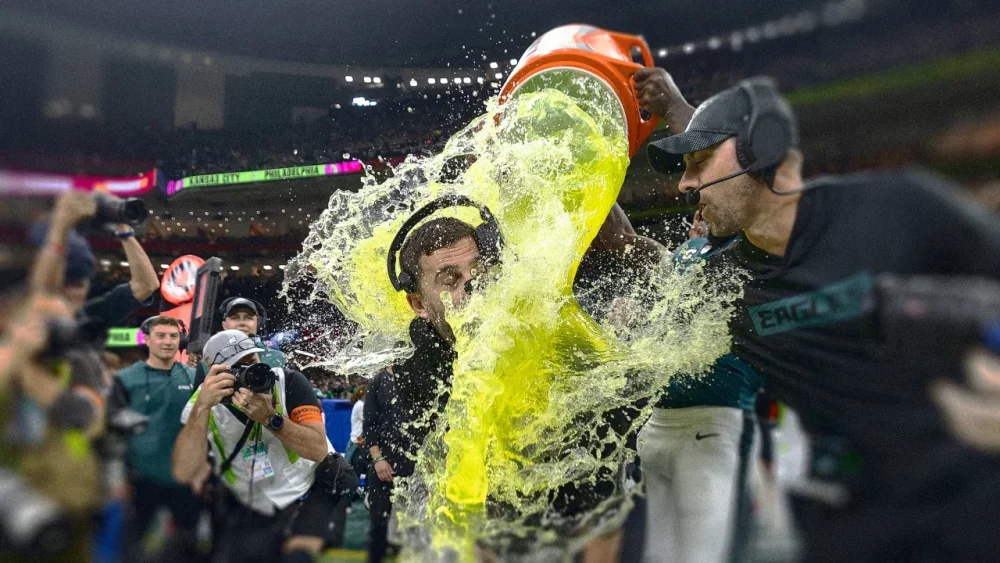
-
Militant group had threatened to suspend releases after accusing Israel of breaching ceasefire agreementView the full article
-
US activist hedge fund becomes oil major’s third-largest shareholder View the full article