ResidentialBusiness
Administrators
-
Joined
-
Last visited
Everything posted by ResidentialBusiness
-
 Google is testing a new version of AI Mode responses in the wild, directly in the Google Search AI Mode interface. Google even tells the searcher, "You're giving feedback on a new version of Al Mode. Which response do you prefer?"View the full article
 -
Google added a new promotion method in Google Merchant Center for Top-performing products. This lets you just promote your best performing products in Google Shopping and Google Search.View the full article
-
AI companies vowed not to support their use for voting choice so why are they recommending parties? View the full article
-
Google is testing an update to the reviews services summary box. We know Google does ask for services attributes and other attributes from both the business owner and reviewers but this review box seems newish.View the full article
-
Zohran Mamdani was elected mayor of New York on Tuesday, capping a stunning ascent for the 34-year-old, far-left state lawmaker, who promised to transform city government to restore power to the working class and fight back against a hostile The President administration. In a victory for the Democratic party’s progressive wing, Mamdani defeated former Gov. Andrew Cuomo and Republican Curtis Sliwa. Mamdani must now navigate the unending demands of America’s biggest city and deliver on ambitious — skeptics say unrealistic — campaign promises. With his commanding win, the democratic socialist will etch his place in history as the city’s first Muslim mayor, the first of South Asian heritage and the first born in Africa. He will also become New York’s youngest mayor in more than a century when he takes office on Jan. 1. “The conventional wisdom would tell you that I am far from the perfect candidate. I am young, despite my best efforts to grow older. I am Muslim. I am a democratic socialist. And most damning of all, I refuse to apologize for any of this,” Mamdani declared to a roaring crowd at his victory party. He cast his win as a boon for blue-collar workers struggling to get by. “New York, tonight you have delivered a mandate for change,” he said, vowing to “wake up each morning with a singular purpose: To make this city better for you than it was the day before.” More than 2 million New Yorkers cast ballots in the contest, the largest turnout in a mayoral race in more than 50 years, according to the city’s Board of Elections. With roughly 90% of the votes counted, Mamdani held an approximately 9 percentage point lead over Cuomo. Mamdani’s unlikely rise gives credence to Democrats who have urged the party to embrace more progressive candidates instead of rallying behind centrists in hopes of winning back swing voters who have abandoned the party. He has already faced scrutiny from national Republicans, including President Donald The President, who have eagerly cast him as a threat and the face of a more radical Democratic Party that is out of step with mainstream America. The President has repeatedly threatened to cut federal funding to the city — and even take it over — if Mamdani won. A commanding win At his victory party in Brooklyn, Mamdani supporters cheered and embraced, some tearfully, after The Associated Press called the race. Campaign posters flew through the air, as one person hoisted the official flag of New York City and Bad Bunny played from the speakers. The mood was far more muted at Cuomo’s party at a midtown Manhattan theater. In his concession speech, a defiant Cuomo called his campaign “a caution flag that we are headed down a dangerous, dangerous road” and noted that “almost half of New Yorkers did not vote to support a government agenda that makes promises that we know cannot be met.” Still, he corrected his supporters when they began to boo at the mention of Mamdani’s name. “No, that is not right,” he said, offering to help the incoming mayor in any way. “Tonight was their night.” Mamdani’s grassroots campaign centered on affordability, and his charisma spoiled Cuomo’s attempted political comeback. The former governor, who resigned four years ago following allegations of sexual harassment that he continues to deny, was dogged by his past throughout the race and was criticized for running a negative campaign. Mamdani will also have to deal with The President, who not only threatened retribution against the city but also suggested he might try to arrest and deport Mamdani if he won. Mamdani was born in Uganda, where he spent his early childhood, but was raised in New York City and became a U.S. citizen in 2018. In his speech, Mamdani addressed The President head on. “New York will remain a city of immigrants, a city built by immigrants, powered by immigrants and as of tonight, led by an immigrant,” he said, adding that, “If anyone can show a nation betrayed by Donald The President how to defeat him, it is the city that gave rise to him.” The President appeared to acknowledge Mamdani’s challenges, posting “…AND SO IT BEGINS!” on his Truth Social site. New mayor will pursue an ambitious agenda Mamdani, who was criticized throughout the campaign for his thin resume, will now have to begin staffing his incoming administration and planning how to accomplish the ambitious but polarizing agenda that drove him to victory. Among the campaign’s promises are free child care, free city bus service, city-run grocery stores and a new Department of Community Safety that would send mental health care workers to handle certain emergency calls rather than police officers. It is unclear how Mamdani will pay for such initiatives, given Democratic Gov. Kathy Hochul’s steadfast opposition to his calls to raise taxes on wealthy people. His decisions around the leadership of the New York Police Department will also be closely watched. Mamdani was a fierce critic of the department in 2020, calling for “this rogue agency” to be defunded and slamming it as “racist, anti-queer & a major threat to public safety.” He has since apologized for those comments and has said he will ask the current NYPD commissioner to stay on the job. Mamdani’s campaign was driven by his optimistic view of the city and his promises to improve the quality of life for its middle and lower classes. Cuomo, Sliwa and other critics assailed him over his vehement criticism of Israel ‘s military actions in Gaza. Mamdani, a longtime advocate of Palestinian rights, has accused Israel of committing genocide and said he would honor an arrest warrant the International Criminal Court issued for Israeli Prime Minister Benjamin Netanyahu. Mamdani won over the city while Cuomo faltered Mamdani began his campaign as a relatively obscure state lawmaker, little known even within New York City. Going into the Democratic primary, Cuomo was the presumed favorite, with near-universal name recognition and deep political connections. Cuomo’s chances were buoyed further when incumbent Mayor Eric Adams bowed out of the primary while dealing with the fallout of his now-dismissed federal corruption case. But as the race progressed, Mamdani’s natural charm, catchy social media videos and populist economic platform energized voters in the notoriously expensive city. He also began drawing outside attention as his name recognition grew. Mamdani trounced Cuomo in the primary by about 13 points. The former governor relaunched his campaign as an independent candidate for the general election, vowing to hit the streets with a more energetic approach. However, much of his campaign continued to focus on attacking opponents. In the race’s final stretch, he claimed Mamdani’s election would make Jews feel unsafe. Meanwhile, supporters packed Mamdani’s rallies, and he held whimsical events, including a scavenger hunt and a community soccer tournament. Cuomo also juxtaposed his deep experience in government with Mamdani’s less than five years in the state Legislature. But the former governor also faced his own political baggage, as his opponents dredged up the sexual harassment allegations that led to his resignation, as well as his decisions during the early days of the COVID-19 pandemic. Sliwa, the creator of the Guardian Angels crime patrol group, also had his moments — mostly in the form of funny quips on the debate stage — but had difficulty gaining traction as a Republican in an overwhelmingly Democratic city. He conceded the race about a half hour after the polls closed, wishing Mamdani “good luck because if he does well, we do well.” But he also issued a warning: “If you try to implement socialism, if you try to render our police weak and impotent, if you forsake the people’s public safety, we will become the mayor-elect and his supporters’ worst enemies.” Associated Press writers Jennifer Peltz, Philip Marcelo and Jake Offenhartz contributed to this report. —Anthony Izaguirre and Jill Colvin, Associated Press View the full article

-
Google's Robby Stein announced three new agentic capabilities within AI Mode - (1) booking event tickets (2) booking beauty appointments and (3) wellness appointments.View the full article
-
FTSE 100 group’s ice cream business calls Anuradha Mittal’s position into question ahead of €15bn spin-offView the full article
-
A practical guide to using GA4 Attribution Paths to correct misaligned bidding, evaluate funnel impact, and justify budget allocations across campaigns. The post Using Attribution Paths To Transform Your Google Ads Strategy appeared first on Search Engine Journal. View the full article
-
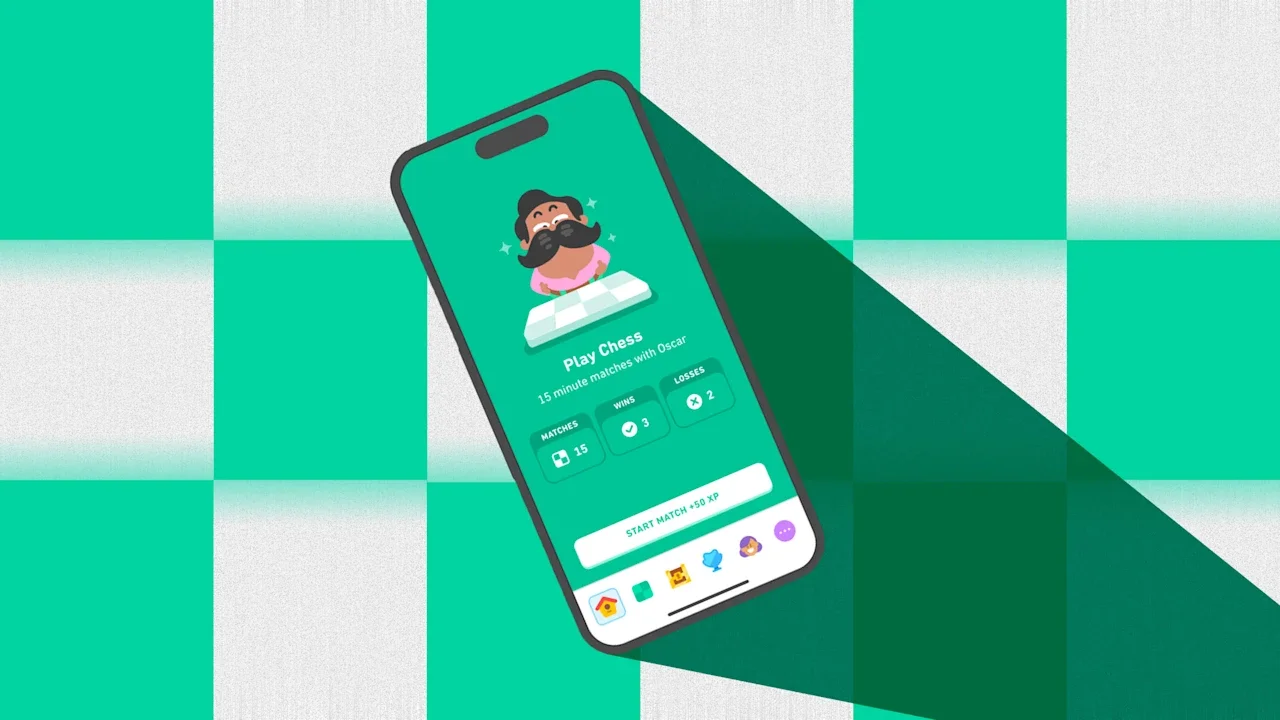
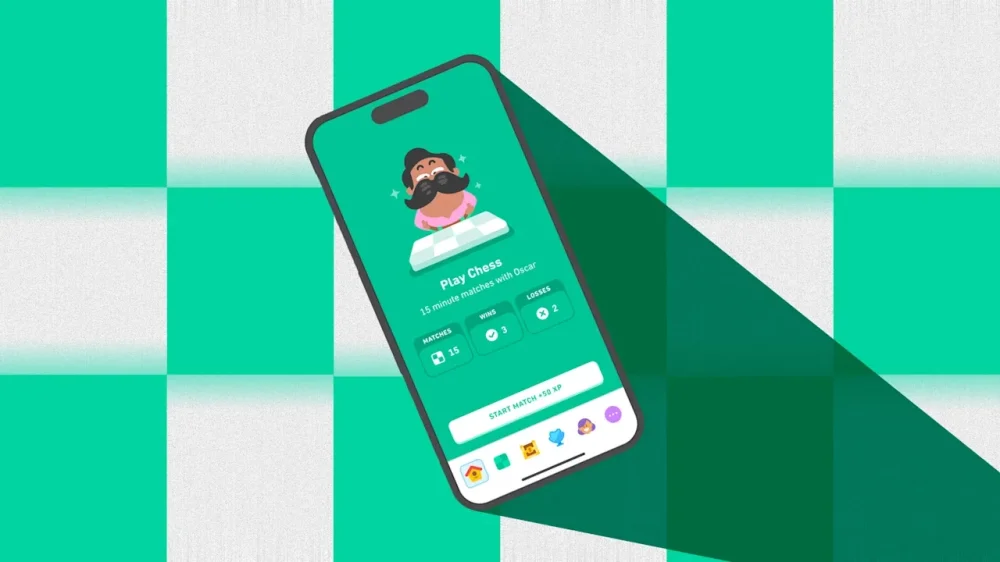
Duolingo has been through a lot of changes over the past few years. What was once solely a language-learning app has grown into a social media marketing machine, a destination for math and music lessons, and now an online chess tutor. In June, Duolingo launched a Duolingo Chess course to teach beginners the basic rules and moves by allowing them to play against an AI tutor named Oscar. This month, the company is taking the course further, launching a multiplayer version of the game where users can compete against one another. Duolingo, which is on track to surpass $1 billion in revenue this year, has 48 million daily active users and 11 million paying subscribers. Though the company doesn’t reveal user numbers for the free chess course, at the Fast Company Innovation Festival in September, cofounder and CEO Luis von Ahn said that it had already notched “millions and millions of users” within three months. Even more remarkable: Von Ahn greenlit the development of the chess course only nine months before it launched. The story of how Duolingo created its hit chess course is the clearest illustration of how AI is transforming the company. Fast Company spoke with two of the principals behind the chess course. As they make clear, AI is not replacing engineers, but it is giving them a head start. Vibe coding has become a phenomenon, but we don’t have any high-profile examples of a hit product that relied on it. Until now. Chess as education Von Ahn admits to being skeptical about offering chess lessons when the idea was first pitched to him a couple of years ago. He didn’t want Duolingo to turn into an app for games. But a conversation with Guatemala’s minister of education changed his mind. (Von Ahn was born and raised in Guatemala.) The minister was so frustrated with the education system in her country that she said she was thinking about sending every student a chess board so that at least they’d learn how to play. That helped von Ahn see the game through an educational lens. He greenlit the idea and handed it to the pair of employees who initially pitched it: “Neither of them knew how to play chess, and neither of them were engineers,” von Ahn says. But they didn’t need those skills to get started. They simply vibe coded a prototype. AI has been an important part of Duolingo’s workflow strategy. Earlier this spring, von Ahn sent a memo to his staff outlining plans to make Duolingo an AI-first company to remove bottlenecks and inspire employees to focus on creative work and real problems rather than repetitive tasks. The memo sparked a backlash. On social media, people accused von Ahn of using AI to eliminate jobs. At Fast Company’s Innovation Festival, von Ahn cleared the air, saying that the goal isn’t to save money. “We have never done a layoff. We have not laid off a single full-time employee,” he said. “The goal is not to replace human employees. The goal is to do a lot more and get closer to our mission.” How to vibe code the game of chess The development of Duolingo’s chess course kicked off in September 2024 with Edwin Bodge, senior staff product manager, and Tyler Murphy, Duolingo’s chief product designer. Bodge and Murphy, who had worked together to launch the math and music products for Duolingo, had grown interested in chess when they were brainstorming ideas for a strong third subject. They saw the correlation between learning chess and language learning. To begin the prototyping, they tried a combination of products, including the popular AI-generated coding platform Cursor. Using Cursor, they created an initial version of the chess experience. Bodge says the first steps in prototyping were relatively easy. They began by describing a chess board on the Cursor platform, then added other elements, such as a character (which eventually became the AI tutor, Oscar), a progress bar, and the actual lessons and puzzles. But as Bodge and Murphy layered on more curriculum, things became much more complicated. They started to have a difficult time visualizing the course, so Bodge created multiple chess boards on Cursor to play through each version of the prototype. Soon, they had something fully formed enough to show to colleagues. “It was a pretty janky prototype,” Bodge admits. “But we were able to put it into people’s hands and say, ‘Well, here’s the curriculum we’ve been writing. Here’s all this stuff that we’ve been teaching and how we think it’s going to work.’ And from that moment, it just became so much more natural.” Bodge notes that there are still some aspects of the prototype that are incorporated into the final product, including the curriculum and some of the AI-generated code that he and Murphy developed. “That core of the vibe code and prototype is very much in the production app,” he says. Building the final product Within a few months, Bodge and Murphy began handing off the project to Duolingo engineers to create the code that would bring the course to life. Sammi Siegel, staff software engineer, was instrumental in building the final product. Thanks to the prototypes that Bodge and Murphy had developed, “there was a pretty strong vision for what [the course] should look like,” Siegel says. “The first few months were implementation, heads down, and coding everything all at once.” Siegel says the chess game was the first time the team had launched a new subject within the existing Duolingo app. (The math and music classes were built to be stand-alone apps, and then eventually merged into Duolingo.) “We were building [a course] within the current system, so we were able to prove how much faster that [process] was,” Siegel explains. Siegel’s team was also helped by the amount of open-source work that exists around chess. She and her team were able to take advantage of publicly available chess engines, which analyze chess positions and the best moves. And then there’s the visual simplicity of chess. “Chess is pretty simple,” Siegel says. “It’s just a board and a guy telling you what he wants you to do on the board, so that made the implementation phase shorter. We were able to get a lot further with a very simple interface.” (To build the chessboard, Siegel says the team used a software called Rive, which is cross-platform compatible and can be built in one go for iOS and Android.) Duolingo released the course in beta in April and launched it to the public in June. Now it’s ready for the next step: introducing player-versus-player mode, which entails a complex coding process. Siegel says creating real-life, player-versus-player functionality is tougher than building matches against a predictable bot, like Oscar. “You’re coordinating two humans who think, pause, and play at their own pace,” she explains. “With Oscar, we can guarantee that you’ll get matched with a bot that’s pretty close to your skill level.” Siegel adds that keeping both devices in sync is “a challenging engineering problem,” noting, “We’ve had to invest in anti-cheating systems and thoughtful handling of disconnections to ensure every match feels fair and stable.” A new generation of online chess players By incorporating chess into Duolingo, the company is introducing the game to people who may have never considered learning it before. “We talk internally about chess as a very male-dominated game, so it’s interesting to see how we can widen the scope of folks who have access to that kind of education,” Siegel says. Bodge says when they first started developing the product, they had a hypothesis that it would appeal to a lot of people. But they wanted to make sure that it felt accessible and engaging, rather than elite and academic. That’s why, in classic Duolingo style, they use an animated character—Oscar—to play the role of the easygoing tutor. “There are a lot of people who we’ve basically activated as chess players,” Bodge says. “We’re ushering in a new generation of players.” View the full article
-
Martech debt builds up through manual reporting, fragile integrations, and silos. These issues fragment customer data, break campaign attribution, and force teams to rely on shadow spreadsheets to fill gaps between platforms. Current maturity models focus on technology adoption (hello AI!) rather than business outcomes. This misses the structural shift required to escape this cycle. Semrush Enterprise evaluates maturity across five interconnected pillars: Search Traffic Behavior Social Brand Progress means moving from patchwork operations to a unified engine where insight, execution, and impact connect and scale together for strategic effect. Marketing maturity progresses through five interconnected levels, each marked by deeper integration and growing automation roles across digital marketing specialties. Level 1: Siloed Teams hit individual goals but miss collective impact. Teams operate as isolated units, protecting their own metrics while critical insights die inside departmental boundaries. Individual goals get hit while campaigns lose ground because no one understands cross-pillar impact. Silos block productive feedback loops: teams deepen expertise but miss the compounding lift when signals transfer. Isolated metrics become absolute targets (Goodhart’s Law), pushing teams to game numbers at the expense of real growth while eroding the unified experience customers expect. At this level, every pillar runs its own optimization race, blind to system impact and blind to what real performance should look like. The results? Fragmented customer data. Inconsistent messaging across touchpoints. Broken attribution. Spot the symptoms of a siloed marketing department Siloed operations generate specific, identifiable symptoms such as: SEO and PPC campaigns run in parallel; no knowledge is shared. Funnel drop-offs are reported but never explained. PR teams measure media coverage volume but have no concept of SEO outcomes. The content team drives engagement, but the data isn’t handed off, so no other team learns. Concrete example : the Lidl case study A viral TikTok case study presented by Mathilde Høj from TRANSACT Denmark at BrightonSEO demonstrated how TikTok content can dramatically impact search behavior and website traffic. SEO and social media teams operated in silos, meaning when viral TikTok content drives massive search demand, the brand lacks the cross-functional collaboration needed to capitalize on it. The disconnect becomes particularly costly when organic social teams identify what’s resonating with audiences in real-time, but paid/performance teams and SEO teams have no visibility into these insights to act quickly. Ultimately, siloed workflows prevent brands from delivering a unified customer journey across discovery, consideration, and conversion. Level 2: Connected Faster problem solving and leaner workflows At Level 2, teams connect some dots manually, creating symbiosis (i.e., interdependent relationships between search, traffic, behavior, social, and brand). Campaigns can now pivot faster and answer “what’s working?” with a bit more clarity. Leaner workflows, selective data sharing, and better targeting all drive sharper engagement and conversions. In the real world, it can look something like this: When social media shares drive engagement signals to content optimized for search. SEO often gains from brand awareness campaigns that increase branded search volume, even when brand teams don’t optimize specifically for organic search. Search engines value cross-channel signals: social media interactions generate social signals that indirectly influence SEO through increased content reach and backlink opportunities. When users share and engage with content across platforms, it signals relevance and authority. Social media profiles now appear in search engine results pages (SERPs), creating additional brand touchpoints. Quick win: Pair up two specialties for a quarterly project. Demand a shared outcome and document what worked. Dig deeper. SEO & Content Playbook for Agencies with Andy Crestodina. Level 3: Integrated Shared KPIs locked by cross-functional playbooks Integrated marketing teams hit revenue and scaling goals faster because every team stays focused on shared objectives while customizing tactics to get the best results for each channel. Every specialist knows where their work plugs into the pipeline. Real-time feedback and joint campaign planning become the new default and help achieve compounding results. Concrete example: automated internal linking Picsart, a creative design platform serving millions of users across 17 languages, identified pages needing optimization but lacked a systematic way to prioritize internal linking. Scaling manually across 300+ pages would have consumed 12,500+ hours. Semrush Enterprise’s Link Recommender deployed 50,000+ contextual links in one week, creating pathways that matched user intent at different journey stages: visitors researching “photo editing” could now flow seamlessly to specific feature pages, then to templates. The automation increased clicks by 20% over a period of 2 months. Senior Product Manager Niels Kaspers emphasized the automation didn’t eliminate the team’s role: it shifted them from tactical linking grunt work to strategic content prioritization and forecasting which new pages would deliver more clicks. This demonstrates how Level 3 automation builds bridges between user behavior insights and technical execution while freeing capacity for strategic work. Level 4: Predictive Algorithms detect patterns and forecast outcomes faster than human analysis, enabling proactive resource allocation before opportunities close or risks materialize. AI forecasts outcomes before execution, freeing strategic capacity AI models connect signals across pillars to forecast outcomes before they materialize. At this level, the marketing system stops reacting to what happened and starts preparing for what will happen. Predictive analytics builds on integrated foundations, using cross-channel patterns to anticipate customer behavior, campaign performance, and revenue trajectories before teams execute. Instead of fixing problems after they occur, predictive systems surface trends, redirect resources in real time, and enable proactive intervention. What predictive looks like in practice with Square What previously took months of manual analysis now happens in seconds. When algorithm updates hit or traffic drops, Square’s teams can open Semrush Enterprise, run the “What Has Happened” automation, and respond before competitors even understand what changed. Predictive SEO forecasting shows: Which content optimizations will move rankings. Which markets offer untapped opportunity. Where competitors are gaining ground. Systems identify high-impact opportunities across markets and channels automatically, then surface them to teams for strategic execution rather than waiting for manual discovery. This freed 12 hours per week for strategic work while AI handled diagnostic detection. Square made a point of focusing its attention on content. Running AI-powered content audits allowed visibility of the competitive gaps and opportunities, which could immediately be deployed into their predictive SEO forecasts. Now they could understand which content changes would move rankings most, allowing prioritization of high-impact optimizations rather than guessing. These could then instantly be shared across their nine global markets to scale the impact. The system surfaced “high-impact opportunities across markets” that Square’s human team hadn’t detected, enabling the company to adapt strategies, optimize content, and capture growth opportunities in real time ahead of competitors. Level 5: Autonomous Spend time on growth, not management. The autonomous marketing system self-optimizes across all pillars with minimal human input: spend, content, reporting, and optimization adjust in real time without manual intervention. Teams step in by exception when strategic judgment, creative vision, or crisis response requires human expertise. Most marketing organizations remain at Levels 2–3. A 2025 automation maturity study found that autonomous operations require foundational work most companies have not completed: Fully integrated cross-channel data. Machine learning models trained on business-specific outcomes. Governance frameworks defining when systems act independently versus escalating to humans. Autonomous marketing requires clean, connected data flowing across every channel. This requirement conflicts with the fragmented martech stacks most teams use. Signals of autonomous operation: Campaigns run fully automated with optimization loops adjusting creative, targeting, and budget allocation without manual input. Budgets shift automatically based on real-time ROI calculations, freeing teams to innovate rather than manage spreadsheets. Brand monitoring runs continuously, flagging humans only when risk thresholds are breached. Crisis playbooks trigger automatically from AI pattern detection, replacing reactive emergency meetings. What if autonomous operation feels distant? Identify one high-volume, low-complexity marketing task and automate it with clear exception rules defining when the system escalates to a human. Document decision triggers that remain human-only: Brand messaging approval. Crisis response. Budget reallocation above certain thresholds. Most organizations will operate as hybrid systems for years, with autonomous operations handling defined tasks while humans manage judgment calls, cross-functional strategy, and organizational change required to reach full integration. Marketing maturity is not a technology checklist Organizations stuck buying tools without integrating systems perpetuate the martech debt cycle. This fragments data and burns out teams while competitors who build connected foundations capture compounding returns. The path forward starts with an honest assessment: identify which level describes current operations. Then, focus on one cross-functional integration project that demonstrates symbiotic value. Progress happens through deliberate structural shifts (e.g., connecting silos, establishing shared KPIs, automating tactical work) not through adding another platform to an already fragmented stack. View the full article
-
The metropolis and the heartland provoke each other into extremes, as the New York mayoral race showsView the full article
-
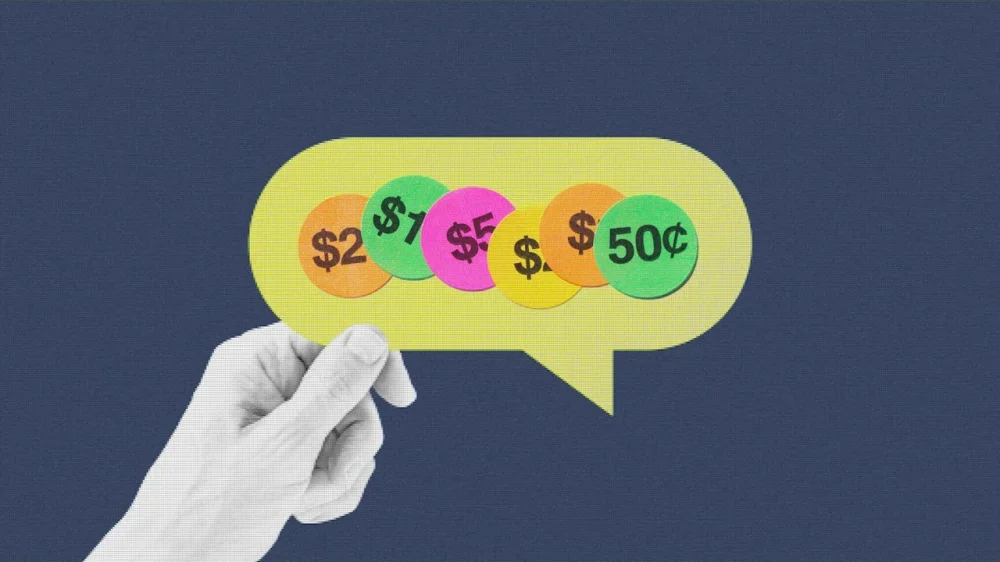
Black Friday isn’t what it once was. Less than 15 years ago, it was fairly common for people to wake up at ridiculously early hours to drive to a store, where they would stand in line, waiting for the doors to open in order to grab the best deals. Those people still exist, but not in the numbers they used to, thanks to the convenience of online shopping (and the early start to holiday deals). But as artificial intelligence becomes more entrenched in people’s habits, it could have an increasingly large role in Black Friday (and Cyber Monday). And 2025 could be something of a test case for the technology. The average consumer is expected to spend $1,595 on holiday gifts this year, according to Deloitte. That’s 10% less than 2024, a figure that highlights the importance shoppers will be placing on bargains this year. And a growing number of consumers will be relying on AI to help them find those deals. Some 33% of the people Deloitte spoke with in its 2025 Holiday Retail Survey said they plan to use AI as part of their holiday shopping—double the number who did last year. Many say the tech could assist them with inspiration and product discovery. That could benefit retailers who have already embraced AI in their recommendation engines, as well as those planning to roll it out. “Consumer adoption of gen AI shows that expectations are shifting toward personalization and efficiency,” Deloitte wrote. “Shoppers now expect instant recommendations tailored to their preferences, budgets, and recipients, raising the bar for retailers’ digital experiences. To meet holiday shoppers’ expectations, retailers could consider embedding AI-powered gift finders, style assistants, or deal copilots directly into their sites or apps.” A separate study from marketing automation platform Klaviyo found that 56% of consumers say they’ll use AI tools during Black Friday and Cyber Monday. AI can do a lot more than help people think of creative gifts, of course. Gen AI models like ChatGPT can research prices and recommend the best deal, in some cases even making the purchase for you. And a growing number of people are taking advantage of that. Traffic from AI platforms to retail sites during Prime Days and other sales in July was up by 4,700%, according to Adobe Analytics. And the company is predicting an increase in AI usage of between 515% and 550% this holiday season, compared to 2024. Thinking of enlisting a GenAI to help you find deals? Here’s how you’ll want to go about it. Make your list. Check it twice Chatbots aren’t a lot of good without specifics. You’ll need to know exactly what you’re looking to buy if you’re planning to use AI for price comparisons. Using the broadest example, telling ChatGPT you’re looking for the best price on, say, a Barbie or a blender is akin to calling a Best Buy or GameStop and saying you want to know their best price for a game console. The $60 no-name brand that has a Tetris clone might technically be the correct answer, but that does you no good if you really wanted a PlayStation 5. Set the AI loose Ask your chatbot to find the best deals for your specific product. Again, details matter, so be sure to offer as much granularity as you can about the product. (To go back to the PS5 example, do you want the PS5 with a disc drive? What amount of internal storage do you want? Do you want a PS5 Slim or Pro or some other model?) It’s also worth asking the chatbot to suggest additional ways to save, such as applicable cash-back apps (like Rakuten), promo codes, or coupons. Fact check the results Prices change all the time during the holiday season, so just because ChatGPT says Store X is the best deal, you’ll still want to check that site’s website to verify the amount your AI assistant quoted is still valid. At the very least, using AI to help you shop will quickly eliminate some options and, ideally, free up some of your time, letting you spend less of November and December hunting for deals and more enjoying the season. View the full article
-
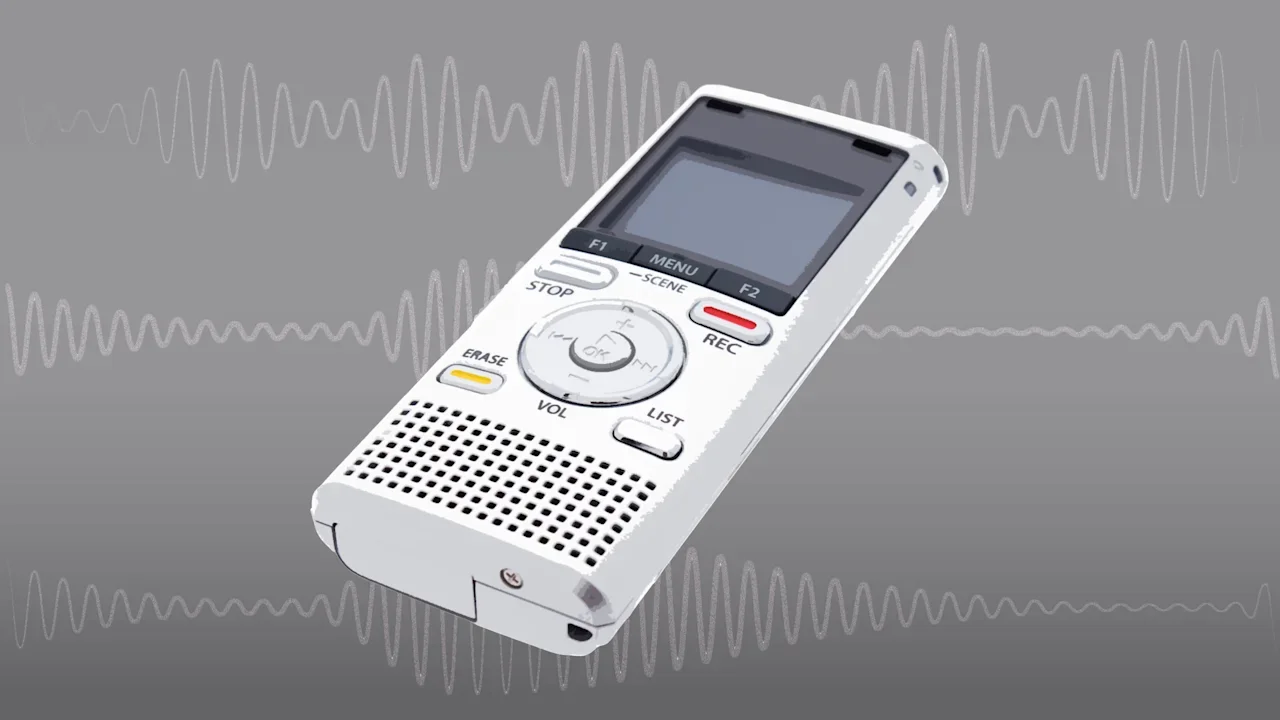
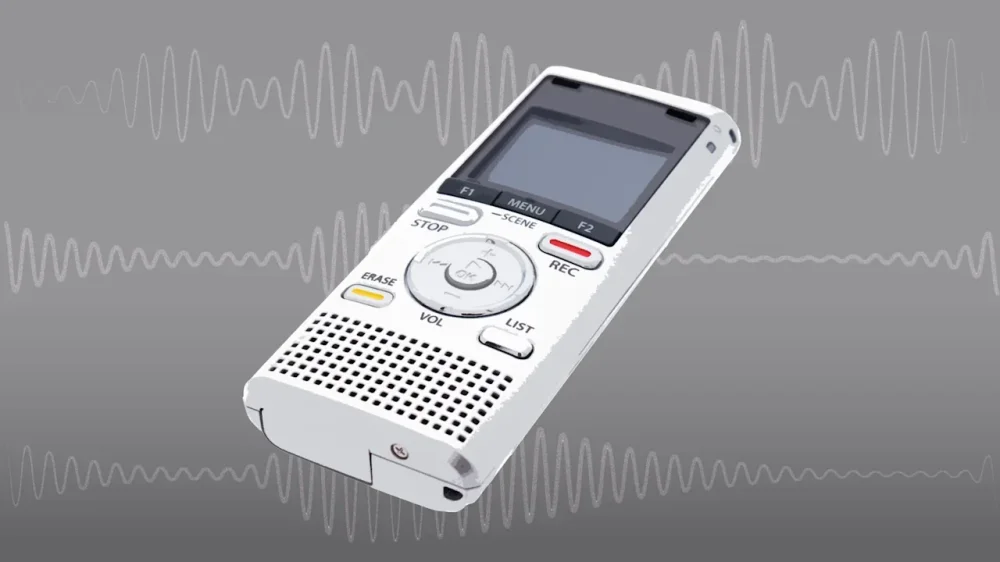
From my earliest days as a journalist, I’ve always prized my dictaphone. It sounds quaint now, but I actually remember excitedly keeping up with advancements in the field. Sony’s ICD-TX50 was a particular revelation for me in 2012, with its tiny OLED display and world’s-thinnest 6.4mm frame. There was no sleeker way to show up to Tokyo press conferences. In recent years, though, my dictaphone collection has taken on a new, less physical form. Google’s Pixel phones have been a revelation for journalists, offering real-time, on-device transcription through the Recorder app. I’ve often found myself bringing a Pixel along to a press event even if I wasn’t actively using it as a phone at the time—the ability to get an automatic transcript once your recording is done has been an incredible timesaver. But now a new wave of hardware, buoyed by the AI revolution, has been changing my habits once again. While the jury is out on a lot of hyped AI devices, some startups have locked in on voice recording as one of the few serious use cases. These aren’t like the Humane AI Pin or the much-mocked Friend pendant—they’re gadgets with a focused, real-world use case. The devices I’ve been using a couple of recorders from Plaud for several months—the Plaud Note and the Plaud NotePin—and testing them against a product from a newer Japanese startup called Notta. At least for now, I’ve found that both companies’ devices offer a significant upgrade over the Pixel for working journalists. The Plaud Note is an incredibly thin audio recorder that can magnetically attach to an iPhone or a newer Pixel through an included leather case. There’s a simple record button, as well as a switch for a mode that lets you record phone calls through audio vibrations. (Obviously, you should make sure of the legality in your jurisdiction before using this feature.) The NotePin, meanwhile, is a small pill-shaped device that attaches to various magnetic accessories like a clip or a wristband. It’s designed for hands-free use, as opposed to holding the Plaud Note out toward a subject or resting it on a desk. Both devices feel very well-built, with solid metal cases. Power and recording status is indicated on each through a tiny LED in the A of the “Plaud” logo. The Note is a little easier to use than the NotePin thanks to its tactile round power button; the NotePin relies on an invisible capacitive surface that you have to hold down until you hear a vibration, which isn’t quite as convenient in situations where you’re scrambling to start a recording. The NotePin does have a usability advantage of its own through its magnetic USB-C charging adapter, however. The Note is so thin that it requires a proprietary pogo-pin cable, which I’m not sure I trust myself not to lose at some point. Overall Plaud has designed some attractive hardware, but given that every phone has a microphone built in, the app is what sets the product apart. Once your phone is paired to one of the devices, transferring audio files is simple and quick over Wi-Fi, and then you have to upload them to Plaud’s cloud servers for processing. This can take several minutes depending on the length of the file, though it’s still much faster than manually transcribing. What I’ve really appreciated in the chaotic aftermath of press conferences is how Plaud automatically generates a summary of the recording and identifies speakers, so you can dial right into the most important parts and verify the quotes for yourself. The auto setting works well, but you can also choose from specific templates and AI models like GPT-5, Gemini 2.5 Pro, and so on. Plaud’s free plan offers 300 transcription minutes a month. You can top up with 600 extra minutes for $12.99, or there’s a $100 annual “Pro” plan with 1,200 minutes a month. The unlimited plan will set you back $240 a year. Meanwhile, the Plaud Note and NotePin each cost $159 themselves. I think this is reasonable pricing for anyone using this as a professional service. I did find Plaud’s app to be a little fussy in use, however, requiring a fair amount of interaction on the part of the user when it comes to uploading files and selecting how they ought to be processed. Despite its access to several AI services, I also thought the lack of in-app translation was an obvious miss. The Notta option That’s what got me interested in a Japanese startup called Notta, which is making a very similar product to the Plaud Note called the Notta Memo. I suspect each company may have related supply chain contacts in China, because the resemblance really is uncanny—even the magnetic leather cases and charging cables are near-identical. The Notta Memo does add a tiny monochrome OLED screen that shows useful information like recording status, and more importantly reminds me of my Sony dictaphone. (Plaud has since released a “Note Pro” model with a similar display, though I haven’t yet tested it.) Personally I think the Notta Memo looks sleeker, with a black finish and a geometric, quilted diamond texture. While Notta’s app is similar to Plaud’s, I also preferred its design. Files begin transcribing automatically after transfer, and you can also translate them right within the app itself, which saves an extra step when you’re on the move. I used the Notta Memo while reporting at some recent sports events in Tokyo and the process of recording directly on the device, uploading the file and getting a translated, annotated transcript that I could check myself was seamless. Notta slightly undercuts Plaud with subscription pricing, charging $98 a year for 1,800 minutes a month or $200 for the unlimited plan, and the Notta Memo device itself is $149. Notta’s free plan only offers 120 minutes a month, though, and doesn’t support longer recordings or transcript translation, which complicates the comparison for anyone unsure of how much they’ll use it. Worth the cost Overall, any one of these devices is going to be a serious investment. But for working journalists or other professionals—maybe lawyers or consultants—where voice recordings are a daily need, I actually think they’re all quite compelling. If you have a Pixel phone, sure, you might get by with the built-in transcripts most of the time. But the advantages of having dedicated hardware are real. You can press the record button at any time regardless of what you’re doing on your phone. The NotePin is a unique form factor that expands the situations in which you can rely on being able to record. Call recordings, meanwhile, straight-up aren’t supported in phone operating systems. The hype around AI has led to a lot of hardware startups that haven’t been able to live up to it. But one thing AI is indisputably very good at is understanding language, and these voice recorders are perfect for the task. If there’s a use case for AI-first hardware right now, it’s this. View the full article
-
A way to understand why Google AI Mode ranks web pages, and how to adapt to those changes. The post AI SEO: How To Understand AI Mode Rankings appeared first on Search Engine Journal. View the full article
-
This would be a good time to start thinking about what the world might look like when we're on the other side of the upcoming AI crash. The post Editorial: AI is optional. Connectivity is not. Prepare accordingly. appeared first on Wi-Fi NOW Global. View the full article
-
How do I control my emotions? I get asked that question a lot. As an emotional intelligence coach, I’ve received thousands of emails from readers over the years who get caught up in a cycle of emotional thinking, which leads them to say or do things they later regret. Often, this results in harm to their closest relationships, professional and personal. Here’s the thing: Emotions aren’t bad. They’re what make us human, and that’s a good thing. The key isn’t taking emotions out of the equation. Rather, you want to balance emotions and rational thinking, so you can look back and be proud of what you’ve said or done. To help with this, I recommend using simple self-talk expressions. These can help shake you from that vicious cycle of overly emotional thinking and restore balance. Here are five short phrases that will help you develop your emotional intelligence, the ability to understand and manage emotions effectively. (Sign up here for my free email emotional intelligence course.) What advice would you give? When you face an emotionally charged situation, it’s easy for emotions to cloud your judgment and cause you to say or do something you later regret. But when you ask yourself, “What advice would I give someone else in this situation?” you take yourself out of the hot seat. You think more clearly, with more balance. To help you use this framework effectively, try to imagine yourself a few years down the road. Whether you faced the challenge successfully or not doesn’t matter; it’s past you. Now, imagine how you handled it and what consequences it led to. This will help you stimulate your thinking and answer the question more effectively. Mistakes are part of the process Everyone makes mistakes. But when you view mistakes not as failures but as part of the process of learning, you manage expectations and help others to benefit from them. When you train others, this framework can help you prepare for mistakes. For example, you might allocate more time or resources, because you know mistakes are coming. It’ll also help you be more patient with those you are training, which helps build trust and psychological safety. Additionally, reminding yourself that mistakes are part of the process helps you and the people you train to see the bigger picture. You both see mistakes as learning opportunities, and leverage them as such. Be the change This expression is usually attributed to Mohandas Gandhi, but the first official record of it is found in a book chapter written by a high school teacher in Brooklyn: Be the change you want to see. The basic lesson goes like this: You can’t force someone else to change. But you can provide a model for them to learn from. This is effective because researchers have shown that people learn not so much through reinforcement (rewards and punishments), but much more through observing others. When you remind yourself to be the change, not only do you set a positive example, you focus on what you can control (your own behavior) instead of getting frustrated by what you have no control over (the actions of others). At the same time, though, you increase the chances that those around you will change over time, too. Experiences over things As a business owner with four kids, I’ve found that by prioritizing experiences over things you can learn more, remember more, and get more out of life. To be clear, “things” aren’t bad in themselves. The problem is the more stuff you have, the more stuff you want. (I like to call this “more disease.”) This sends you down a cycle of always wanting more, and that’s a recipe for unhappiness because you’re never satisfied. In contrast, experiences become a part of you. You create memories that change what you think about, how you act, the decisions you make. When an experience is over, its effects continue—they mold who you are as a person. You can use that three-word motto to reframe your view of work. It’s not just to provide things; it’s to provide time for more experiences. But you also have to use that time, because once it’s gone, it’s gone forever. So, don’t buy more stuff. Do more stuff. Attack the problem. Not the person I hate to admit it, but I tend to be passive-aggressive. Maybe you struggle with the same habit, or you know someone who does. You know, someone who says they’re okay when they clearly aren’t. Or, they pout or give the silent treatment when they don’t get their way. Or, they simply agree to a decision but then don’t do their part to make that decision a success. There’s a reason people like me start heading down that passive-aggressive path. Usually, I’m trying to cope with negative feelings like frustration or disappointment. This phrase reminds me that my behavior isn’t helping the situation; worse yet, it’s harming my relationship. Here’s where this short phrase can be extremely helpful: Attack the problem. Not the person. This phrase helps me focus on being more active—attacking the problem—by telling the person why I feel the way I do. What’s more, I can now work with them to find a solution to the problem. Or, at least I feel better at supporting the decision we’ve agreed upon because I’ve had the chance to fully express my feelings. So, the next time you find yourself becoming a victim of your own emotions, remember the following phrases: What advice would you give? Mistakes are part of the process. Be the change. Experiences over things. Attack the problem. Not the person. Do so, and you’ll bring your emotions back to balance. You’ll make better decisions. And you’ll reduce regrets as you make emotions work for you, instead of against you. —Justin Bariso This article originally appeared on Fast Company’s sister publication, Inc. Inc. is the voice of the American entrepreneur. We inspire, inform, and document the most fascinating people in business: the risk-takers, the innovators, and the ultra-driven go-getters that represent the most dynamic force in the American economy. View the full article

-
Some companies see leadership and managerial training as an investment. Others, however, provide very few resources for the transition from individual contributor to leaders. For most of the latter companies, managerial training is a one-off event. Take a seminar or two, and off you go. Sometimes you get a company that offers executive coaching or mentorship to their C-suites. But for many first-time (and even some middle) managers, they’re often left to fend for themselves. This is the problem that leadership coaching startups are trying to solve. The answer, they believe? AI. While founders of these startups acknowledge the limitations, many are adamant that AI can help break the barriers, democratizing a perk that companies often reserve for the very few at the top. In this paid Premium story, you’ll: Learn how AI and human coaching differ in function, and how they can complement each other. Understand how AI can help solve the gaps that are common in today’s leadership development. Identify AI’s limitations as a coach and trainer. Most organizations don’t provide managerial training Ian Gover is a trained industrial psychologist with over 25 years of experience in human resources. Initially, he was resistant to the idea of AI having any part in coaching and mentoring. That is, until he started to dig deeper into the data—and realized he was part of a group that he calls “the fortunate few.” “I got amazing training from the companies I worked for,” he tells Fast Company, starting from a “30-day, high-immersive sort of leadership programming” to having access to coaches and mentors when the company promoted him. He soon learned, however, that those experiences were rare and far between. He quotes a Gartner study that found 85% of new managers receive no formal training. That’s when a switch flipped in Gover’s brain. He realized that he was asking the wrong question: It’s not whether AI can replace humans for this type of learning. It’s about how AI can potentially help the majority of managers, who receive very little initial and ongoing support from organizations. Eventually, that led to Gover cofounding Rypple, a platform that aims to help managers by providing them with an AI-driven “leadership team.” This includes a range of AI assistants that can help managers with tasks like meeting preparation and follow-ups, and point managers to relevant resources that tackle a topic they might be struggling with. There is also a role-play component, where managers can rehearse difficult conversations with an AI assistant and receive feedback on what went well and what they could have done better. All of these interactions build a context-specific and personalized leadership profile, and can analyze patterns and suggest opportunities for growth. Viewing human and AI coaching as two different tools Like Gover, Leon Wever experienced first-hand benefit of one-on-one coaching during his stint as a corporate lawyer. Wever was eager to bring coaching into more working environments, which led him to cofound Coachello. Unlike most AI-coaching startups, Coachello actually provides a hybrid model that incorporates human and AI coaching. Their customers can access coaches that are credentialed through the International Coaching Federation and have access to AI tools. These tools help with role-plays, training sessions, and dashboards that track behavior change progress, competencies, and skill gaps. Wever believes that human and AI coaching are two distinct tool that provide different benefits. “Technically, AI cannot resonate from experience, and it cannot care for another human being,” he says. What AI can do, he explains, is provide an assessment or a reflection tool, and enrich the human coaching experience. For example, AI can live record your human coaching session. The next time you do something to apply your learning from the coaching session, it can record and suggest feedback. Say you’re working on having a difficult conversation with a direct report for the first time. After your human coaching session, you might role-play a potential scenario with an avatar. AI can analyze your performance based on the takeaways and feedback that you receive from your human coach. Your human coach will then have access to that information the next time you meet. In this instance, Wever explains, AI can actually enrich human coaching by making it more accurate. The opportunity to provide on-demand, 24/7 support For James Cross, cofounder of Tenor, going into the AI-leadership space was about solving the lack of time and scalability problem that many companies face when it came to leadership development coaching. When it comes to interpersonal skills that managers need to possess, the former Workday VP explains: “We know that humans need to practice and retain those skills . . . That’s what AI is really good at.” However, there’s only a limited number of qualified coaches in the world, and many are unable to provide 24/7 support. Cross believes that COVID expanded the meaning of what it means to be a manager. “They’re being expected to do more with less headcount,” he says, and middle managers and frontline managers are bearing the brunt of it. But with AI, he explains, a manager can tap into an on-demand support, “almost like a really good HR business partner and executive coach who knows the business, [and] knows you and your team.” He believes this to be especially beneficial for frontline managers in industries like manufacturing and distribution. “I think tech company managers are fairly well supported,” he observes. In most instances, “you’re only ever a Slack message away from your HR team. But if you’re a manager at a large grocery store chain, you’re having to deal with these dynamic situations in the moment. You don’t have direct HR support.” Cross says many of these managers are working in a fast-paced environment while dealing with issues like lateness, hygiene, and personal problems. They can turn to AI coaches for suggestions on what they might want to do at that specific moment. For example, say an employee has been late several times in a row, managers can ask AI for suggestions on how they might want to approach this conversation in a sensitive way. The more they do that, the more AI picks up on patterns and insights that the managers might not be aware of. Cross finds that once they get over the hurdle of the idea of talking to an AI, “managers are often more receptive to AI feedback” than they would be to feedback from a human manager. That’s because “there’s no emotion attached to it,” he explains, and they see it as something that’s logical and contextual to them. Acknowledging AI’s limitations All three cofounders acknowledge that while AI has its strengths, it also has its limitations. Tenor, for example, has specific guardrails in place. The moment a manager starts to ask AI for advice on certain topics, it directs them to speak to an actual human. What AI determines as off-limits will be different for every customer—Cross believes that managers should discuss termination, health concerns, or specific personal problems with another human in the company. Dr. Marais Bester, a Netherlands-based occupational psychologist for software firm SHL, said that it would be a risk for a company to rely on AI as a “one-stop-shop for all learning and leadership growth.” After all, “human beings are weird, unique, wonderful and unpredictable,” he says. In his opinion, a hybrid model is ideal. This might look like a human coach building a development plan, and using AI to supplement where necessary. For example, say the human coach doesn’t have the time to analyze every single person’s psychometric testing results. The person that is being coached might use AI to do that, inputting only the information that they’re comfortable with. Kseniia Aksenova, a customer service manager at The Pokémon Company International, observed one downsides of using AI coaching. She found that it didn’t provide any surprising or unique insights. “It just gave me something that I was thinking of already,” she says. “It didn’t give me much of a new perspective that I was trying to get.” At the time Aksenova was using an AI coach, she was going through some personal and professional issues that she wanted to work through. The solutions that she received from the AI coach were ones she already thought of. It was up to her to do a lot of the critical thinking herself. Only then was she able to work with the AI coach and obtain the new insights that she was looking for. AI as a tool to democratize learning Gover is hopeful that in the future, AI can be a tool to democratize learning and coaching. For his team at Rypple, “the thing that excites us every single morning is really that idea of what happens if we are able to level that field.” It’s not about making every manager “the world’s best expert in every single leadership topic, he explains. “But what if we are able to actually improve the capability and capacity of a material part of that community of managers that are struggling out there right now? What does it mean if we can provide leadership and management opportunities to those who have historically been left out of those discussions and conversations?” Gover ponders. The main message, he insists, shouldn’t be about AI replacing human coaches. “It’s about increasing access to all of these leadership trade secrets that only the few and fortunate have had the privilege to access,” he explains. “Now’s the time to open it up and make it available.” View the full article

-
Unlock the power of LinkedIn posts to generate more leads and close bigger deals. Discover effective founder-led marketing strategies. The post How Founders Are Turning Their LinkedIn Posts Into Larger Sales Deals [Webinar] appeared first on Search Engine Journal. View the full article
-
I spent several years of my career in the uncomfortable role of middle manager. On one side, I had executives asking me why my team couldn’t “do more,” and on the other side, my employees told me they were stretched too thin. It was an endless tug-of-war. I was both the enforcer of company expectations and the advocate for my team’s needs. At times, my role felt at complete odds with itself. Executives push for efficiency and growth, while employees look for empathy and stability. Middle management, understandably, feels like a pressure cooker. The shifting role of middle management My role as a middle manager was many years ago. Today’s middle managers have the added pressure of potentially becoming obsolete. Big companies like Amazon, Google, and Citigroup have opted to make their management teams leaner. Not to mention the looming threat of AI. With flattening org charts and AI-driven efficiencies, the role of middle management has changed. They’re no longer the roles that “keep things moving.” Instead, they’re responsible for people: managing culture and communication across departments and locations. Yet even though the expectations and job descriptions have changed, many of the underlying limitations of middle management haven’t. Middle managers often have limited authority to implement changes. Yet, somehow, they have unlimited accountability for outcomes. Unlimited accountability that often leads to burnout, especially when managing people. I spoke to one former middle manager who said that she felt like she had to compensate for her employer’s unsustainable growth practices. “I had to choose between screwing people over or shielding my team,” she said. “It was emotionally draining.” Eventually, she quit and took a new job as a non-manager. The reimagined role of middle management To survive in the new world of middle management, you have to acknowledge that you’ll mostly be a people-manager rather than a task-manager. To succeed in this type of role, you’ll need to do all of the following: Set the right expectations with upper management, making your team’s bandwidth and capabilities clear. Push back strategically and learn to frame conversations around outcomes (“If we do X, here is the impact on Y”). Protect your team’s trust by being transparent, admitting the limitations of your authority, and advocating for fair workloads. Protect your own boundaries by caring for your team without carrying the burden of everyone’s problems. For many companies, middle management is the only way to get ahead (and earn more money). Yet it’s an increasingly risky role for companies that see the job only as task-based, not people-based. Those employers are most likely to lay off managers during rough economic times or when AI can replace tasks. Take on a middle manager role with your eyes fully open. If the company doesn’t value a people-based role, you might want to find a new job elsewhere. Otherwise, you’ll find yourself underappreciated, constantly pulled in different directions, and at risk for losing your job. View the full article

-
Below, Jodi-Ann Burey shares five key insights from her new book, Authentic: The Myth of Bringing Your Full Self to Work. Jodi-Ann is a writer and critic on race, culture, and health equity. Her essays appear in various arts, business, and literary publications. She created and hosts the prose and poetry salon Lit Lounge: The People’s Art, as well as the Black Cancer podcast. What’s the big idea? Authentic is more than a critique of the empty promise of being authentic at work. It is an invitation to question the structural realities of what it takes to be a person at work. To begin, we must take seriously the health and wellbeing of workers most impacted by harmful policies, performative practices, and opportunistic rhetoric about representation and inclusion. Listen to the audio version of this Book Bite—read by Jodi-Ann herself—below, or in the Next Big Idea App. 1. Center the voices of those most impacted. For years, I’ve heard the phrase, “bring your full, authentic self to work” to support diversity, equity, and inclusion initiatives. In public, I’ve heard workers of marginalized identities talk about their desire to be more authentic and the barriers preventing us from letting our “full self” flourish. In private, however, I’ve witnessed friends and colleagues scoff at the idea of workplace authenticity, saying something along the lines of, “Yeah, right,” or “They don’t want that,” or “They don’t even know what that means.” I wrote this book to raise the volume of those conversations. The reality is that the more of ourselves we give, the more institutions take from our careers, health, and well-being, and therefore the more we risk our livelihoods and lives. The stickiness of the “bring your full authentic self to work” narrative relies on the erasure and silence of those workers who are most harmed by fair-weathered inclusion policies and practices. But we cannot understand how work works without talking to Black people and other people of color, people with disabilities, women, queer people, and especially those of us sitting at the intersections of marginalized identities. These are the identities companies cyclically like to say they value, while targeting us with discrimination, bullying, abuse, and inequities in pay and opportunity. 2. Collective access, not reasonable accommodation. I have a spinal cord injury and must take care of my body in a way that minimizes neuropathic pain flares. Before the global COVID-19 pandemic, my employer made it very difficult for me to meet my access needs. Remote work policies were restricted to two designated days per week. The conference room policy allowed teams to book rooms anywhere on campus, which made my meeting-to-meeting commute chaotic. My co-workers questioned and judged why I took on-campus meetings remotely from my desk or carried a heating pad with me wherever I went, or why I fatigued so quickly walking from building to building. When a colleague tested positive for COVID-19, just one email shut down our whole campus. Around the country and the world, work, school, and life moved online—for years. Remote work and other so-called “reasonable accommodations” previously denied to disabled workers because it was too expensive, too complicated, and bad for productivity and morale, soon became standard procedure. “How companies pivoted during the COVID-19 pandemic revealed what had always been possible.” Employers restructured jobs, made spatial modifications, and provided personal protective equipment. Relaxed policies allowed workers to reduce their schedules or flex their work hours. This restructuring did not reach everyone. The pandemic affected office workers and frontline service workers unevenly. People who could not work remotely bore the brunt of death and disease because employers and legislators failed to protect them. Still, the COVID-19 pandemic began an experiment of collective access at an unprecedented scale. The support and structure we need as disabled workers are not “accommodations,” as we’ve learned to call them. Our access needs must be met to do our jobs. It is unnecessary (and prone to unchecked, unlawful discrimination) for companies to define and determine what is reasonable. Without a doubt, how companies pivoted during the COVID-19 pandemic revealed what had always been possible to ensure disabled workers can have their access needs met. Unfortunately, all those learned lessons seem to have already been lost. Just a few years later, many employers have eliminated access practices, forced compliance through threats of termination, and enacted other punitive measures to constrain an empowered workforce. Ableism hurts us all. 3. No sector is immune to inequity. It’s common to make for-profit companies the boogeymen of inequitable, hostile workplaces. I’ve spent most of my career working at mission-driven organizations. Early in my career, I worked as a teacher and administrator in charter schools. I spent five years in the global health and development sector. And I worked at a women-focused start-up. Each organization grounded its work in a progressive mission for equity, but that did not exempt these industries from the very same practices of discrimination, bullying, and abuse better known to characterize so-called Corporate America. Institutions that contradict their own missions can corrupt the part of our authenticity fulfilled by mission-driven work. Instead of nurturing possibility, it breeds cynicism—not just toward one institution, but the entire sector. Authenticity isn’t just who we are, but what we believe in: our mission and purpose in our careers. We must include practices and policies across sectors to better understand workplace inequities and their impacts on all workers. 4. Being more authentic cannot change company culture. Every worker—any person—would want the space and safety to be themselves. We want to express ourselves without contorting who we are. This is especially true for workers subjected to historical and active identity-based discrimination. Institutions often define authenticity by markers of difference. These accoutrements of identity can include hairstyles, clothing, pronouns, assistive objects, religious paraphernalia, or the words we speak. But inclusion takes more than just wheelchair ramps, pronoun pins, or inclusive dress codes. “We want to express ourselves without contorting who we are.” As workers, we exchange our talent and time for wages. There are much larger institutional levers impacting our professional lives than self-expression—wage theft, pay inequity, workplace fissuring, technological and managerial surveillance, occupational segregation, racism, sexism, and other forms of structural violence. Redefined as individual acts of self-expression, authenticity narratives abstract unjust and unlawful labor practices that perpetuate workplace discrimination. 5. Community is our greatest resource. Employee resource groups (ERGs) are employee-led identity-based groups that provide formal channels for connection and collaboration. These groups are “sponsored” by employers, in that they are acknowledged, supported, and sometimes funded. ERGs are a lifeline for marginalized and underrepresented employees. No matter what our rank, department, office location, state, or region, we turn to ERGs for a place to belong. As corporate DEI programs evolve, more than 90 percent of Fortune 500 companies have active ERGs today. I always found the “resource” part of employee resource groups a bit curious. Who are the resources for? As workers, whatever space we’ve carved out for ourselves belongs increasingly to the business. Institutions rely on ERGs to support their workforce at large, demonstrate their commitment to diversity, and comply with federal EEO mandates. ERGs help institutions attract and recruit more people of color, women, and other marginalized professionals. Our lived experiences serve critical parts of the business function: sensitivity readers, product innovation, and PR damage control. Do ERGs have the capacity to agitate for the kind of protections we need, as workers, to be our full, authentic selves? Can ERGs provide safety for workers in the form of labor protections? ERGs are projects of representation. By design, their power to ensure material labor protections is limited. ERGs appear union-like but cannot act in ways that are “dealing with” the organization. They cannot negotiate on the terms and conditions of employment. They cannot hold, act on, or represent collective worker grievances. They cannot engage in any collective bargaining with the employer. No organization-sponsored employee group can be structured to truly empower its workforce. To be more authentic, we need community, protection, and a definition of authenticity that goes beyond projects of representation. Enjoy our full library of Book Bites—read by the authors!—in the Next Big Idea App. This article originally appeared in Next Big Idea Club magazine and is reprinted with permission. View the full article

-
The reform will reinforce a new drive by employers to step up workplace health provisionView the full article
-
Hyper-independence looks like your best employee. The one who never says no, stays late, and carries the team on their back. Leaders often interpret it as strength, but researchers and workplace experts warn it is often a coping mechanism that masks burnout, erodes collaboration, and stalls leadership growth. The behavior has gained cultural visibility. On TikTok, the hashtag “hyper-independence” has racked up millions of views in videos tagged “hyper-independence is a trauma response” and “signs of hyper-independence.” For many viewers, the content is striking because they assumed this was simply how success was achieved, not a survival strategy with hidden costs. That viral visibility makes it even more important for workplaces to recognize the pattern and promote healthier interdependence, rather than rewarding the unsustainable behaviors it reinforces. The academic lens mirrors that. A May 2025 study in the Research Journal of Psychology found a significant link between childhood trauma and hyper-independence among university students, reinforcing that the trait develops as a survival mechanism rather than pure ambition. In workplace contexts, the pattern plays out more quietly: rising stars burn out, teams fragment, and leadership pipelines falter. What Hyper-Independence Looks Like at Work On the surface, hyper-independence resembles high performance. Employees take on extra projects, work late, and avoid asking for help, appearing to be model contributors. Licensed psychotherapist and workplace mental health expert Topsie VandenBosch explains that this pattern is reinforced by decades of being rewarded for self-sufficiency. “One of the most common misconceptions hyper-independent performers hold is that their value lies in their ability to carry everything themselves,” she said. “Their value in the workplace is based on how much they can take on without asking for help.” That misconception is what makes the behavior difficult to detect. Employees continue to take on more than they can sustain, while concealing the strain leaders need to see. What appears to be resilience is often an early stage of burnout. The Hidden Costs to High Performers, and Their Teams Modeling Unsustainable Behavior The individual impact extends outward. When one employee takes on everything alone, colleagues often adjust. Some mimic the behavior, believing this is the path to recognition, while others disengage, sensing there’s no space to contribute. “When hyper-independence goes unaddressed, it doesn’t just burn people out, it sends a signal to others that this is the behavior that gets rewarded,” said Laurie Territo, head of Learning and Development at Altera and a former senior talent leader at Intel. “Teams either disengage or self-select out, which erodes culture and drains organizational creativity.” Eroding Engagement This pattern shows up in engagement numbers. Gallup’s 2025 State of the Global Workplace report found that manager engagement declined from 30% to 27%, while individual contributor engagement remained flat at 18%. Researchers note that disengaged managers often create disengaged teams, compounding the problem. “When managers hold everything themselves, they’re not only setting themselves up for burnout, they’re disengaging their team,” Territo added. “People don’t stay where they’re underutilized or feel their contributions don’t matter.” Stalled Upward Mobility At the individual level, hyper-independence halts career growth. Leaders who refuse to delegate never develop the trust, collaboration, or coaching skills required for senior roles. DDI’s Global Leadership Forecast notes that 81% of new leaders lack delegation proficiency, a gap that experts say fuels burnout and blocks upward mobility. The ripple effects are organizational. Teams fracture, rising stars plateau, and companies lose both performance and potential. VandenBosch cautions that what starts as one individual’s over-functioning rarely stays contained. “Hyper-independence looks like an individual issue until one person’s burnout triggers a chain reaction that spreads throughout the entire organization,” she said. The Shift From Survival to Sustainable Leadership Researchers and leadership experts point to interventions that can reduce the risks of hyper-independence while building healthier performance systems. Model Vulnerability at the Top According to Harvard Business Review, when managers admit challenges and ask for support, their teams are more likely to collaborate and less likely to carry burdens alone. The findings highlight the role leaders play in normalizing vulnerability as a strength. Redefine What Gets Rewarded Experts also point to performance systems. “You extol the virtues of people who are doing that well, by celebrating them. That’s how you consciously create the culture, by spotlighting and rewarding the people who are modeling that healthy interdependence,” said Stew Friedman, organizational psychologist at Wharton and founder of the Wharton Leadership Program. VandenBosch added that one overlooked but powerful lever is to reward leaders not just for their own output, but for how effectively they activate and grow others. “Organizations should create reward systems that celebrate leaders for how well they activate, grow, and develop their people, not just for what they personally deliver,” she said. Building Delegation and Trust Training plays a role as well. Leadership development programs that focus on delegation, collaboration, and feedback can help shift high performers from survival patterns to growth-oriented leadership skills. What Companies Can Do Next Experts highlight several steps organizations can take to reduce hyper-independence risks and build healthier performance systems: Elevate collaboration above heroics. Redesign recognition systems so that collaboration, coaching, and developing others are valued more highly than solo output. Equip managers to model vulnerability. Provide frameworks and language for leaders to admit challenges and ask for help, signaling that interdependence is strength, not weakness. Make delegation and talent growth core metrics. Embed trust-building, delegation, and people development as measurable competencies for leadership progression. Even with its viral rise, hyper-independence still masquerades as high performance. Left unchecked, it burns out top performers and weakens leadership pipelines. Experts say the real measure of strength isn’t how much one person carries, but how effectively leaders grow and multiply the performance of others. Companies that reward collaboration and development over heroics won’t just prevent burnout, they’ll safeguard their future talent. View the full article

-
Nobody sitting with perfect posture in a room of button-down shirts, looking at a slide that says “leverage strategic capabilities,” is doing their best work. They’re just not. You know what they’re doing instead? They’re nodding pleasantly, wondering the last time they went to the bathroom, and trying to figure out when to jump into the conversation with an agreeable, jargon-filled platitude. This is good for no one. I have been a management consultant for over a decade, serving many Fortune 500 clients, and I have spewed my share of jargon. I understand the instinct. We want to telegraph our competence and we want to fit in, and therefore, we put on “business theater.” Unfortunately, when we perform, people can often tell. Take Princeton researcher Daniel M. Oppenheimer’s landmark study, cleverly titled, “Consequences of Erudite Vernacular Utilized Irrespective of Necessity: Problems with Using Long Words Needlessly.” He found a consistent negative relationship between language complexity and judged intelligence. In other words, unnecessary jargon makes us sound dumb. This kind of “performative professionalism” is harming how we’re perceived, but it also harms our ability to truly connect with others. No doubt, connection is critical for business performance. Gallup’s research shows that employees with a best friend at work are significantly more likely to engage customers and internal partners, get more done in less time, support a safe workplace, innovate and share ideas, and have fun while at work. It’s also critical for our own happiness given more than half of Americans are considered lonely. Whether it be jargon, dress, platitudes, or generally making our work look “like how we’ve always done it,” it’s all a form of muting ourselves; rounding our corners. Sure, we may feel like we fit in if we equate “fitting in” with “blending in,” but often that’s not truly what we’re after—we’re after connection. And it’s very hard to connect if you don’t first let others see who you are. For clarity, the problem has never been with professionalism in its truest sense—doing high-quality work, on time, with kindness and decency (which, for the record, has absolutely nothing to do with the fabric of your pants). The problem has always been in the performance—the tamping down of our humanity, creativity, and the confidence to say the company strategy needs an actual point of view, rather than rolling out “Our strategy is to exceed our KPIs and outperform for our shareholders.” I’ll admit it’s hard to break free from these norms. I have done an “in my head” eyeroll many times in jargon-filled meetings (I’m like 90% sure they were in my head) and then added more jargon myself. It felt easier to play along. But the more I’ve given up the game—the more I’ve simply, kindly, clearly said what was in my head; the more I’ve worn T-shirts to work; the more I’ve shared openly about my life with colleagues and been genuinely interested in theirs—the happier I’ve become. Have some people judged me for it? Thought I was too casual? Maybe. Oh well. I will gladly take their judgment in exchange for my comfort. If you, too, are feeling the urge to unbutton that top button (or maybe you’re reading this in sweatpants and are ready to get others on board), here are five ways to experiment with being less “professional” at work: Run the alien test. Like a fish unaware of the water it’s swimming in, it can sometimes be hard to spot the performative professionalism around us. It can help to ask, “If an alien from an advanced civilization were to observe this norm or behavior, would it make sense to them? Or would it seem silly?” For example, aliens would see the merit in wearing comfortable clothes to keep us warm at work, but would not see the point in ties. “Dangly nooses to appear smart? Very odd.” Getting rid of the pomp and circumstance allows us to connect with others under our facades; it tells others that they can also be themselves; and it saves a lot of time, money, and discomfort! Has anyone ever liked paying for dry cleaning? Talk like a human. Instead of saying “leverage” say “use.” Instead of “action item” say “to do.” Even “employee engagement” is little more than “human happiness” in a suit. For one day, put a note next to your computer that says “dejargonify” and see if you can go the whole day without using terms that would end up on business jargon bingo such as “circle back.” And simultaneously, experiment with sharing your perspective with more clarity and confidence (e.g., “What I see is . . .”) When we stop worrying about sounding smart and impressing each other, we can focus on actually being smart—on sharing profound ideas, simply stated, rather than mediocre ideas, elaborately cloaked. Humanize your space. Whether you work in an office, at home, or in another setting, experiment with changing the visual cues around you to make you feel more yourself. You might have fidget toys, an old-fashioned fountain pen, or maybe a cozy blanket on your chair. Photos and trinkets that remind you that you are more than an employee can help ground you throughout the day. These items will not only make you feel more grounded, but they’re conversation starters for others to get to know you as well. Dress for joy. For the same reason you wouldn’t show up to a wedding in a tracksuit, it’s smart to be aware of your organization’s norms around dress. And yet, it might be worth pushing a boundary or two. Try dressing first for joy, comfort, and function. What colors make you happy? What items make you feel best about your body? What clothes help you do your best work? Even if you work in a hyper-professional environment, you can always experiment with a fun sock. Because feeling good in our clothes takes us a bit closer to feeling good in our skin. And while there’s a business case to be made—happy employees are up to 20% more productive—to me, the more compelling case is that when we’re happy . . . we’re happy. And that’s plenty a goal unto itself. Model humanity. So often we feel the need to show up “professionally” because that’s what we see others do. If we want to shift the culture, then the best place to start is by shifting what we model for others. If it feels safe, experiment with showing up to a meeting with wet hair. Maybe you exercised, showered, and jumped on the call because you didn’t want to sacrifice your health for the sake of professionalism. Or perhaps you eat during a meeting if you’re hungry. Share a little about what’s happening in your life outside work. In doing so, you’ll cultivate a workplace where people don’t feel the need to hide their humanity, their needs, and alongside those things, the best of themselves. Show yourself and others that we can be humans at work. Because we are. View the full article

-
A vibe shift, and possibly moreView the full article
-
Financiers extend olive branch to the city’s new leader after earlier scepticism View the full article