ResidentialBusiness
Administrators
-
Joined
-
Last visited
Everything posted by ResidentialBusiness
-
 Programme helps fund vehicles for disabled people View the full article
 -
Executives discussing options including shorting basket of artificial intelligence stocks or using derivatives to transfer riskView the full article
-
Gilts investors have long suspected that Labour would abandon its manifesto promises View the full article
-
Deindustrialising regions hope for investment and jobs, but much will depend on how the extra money is spentView the full article
-
Russian glide bombs are now capable of hitting Ukrainian targets up to 200km awayView the full article
-
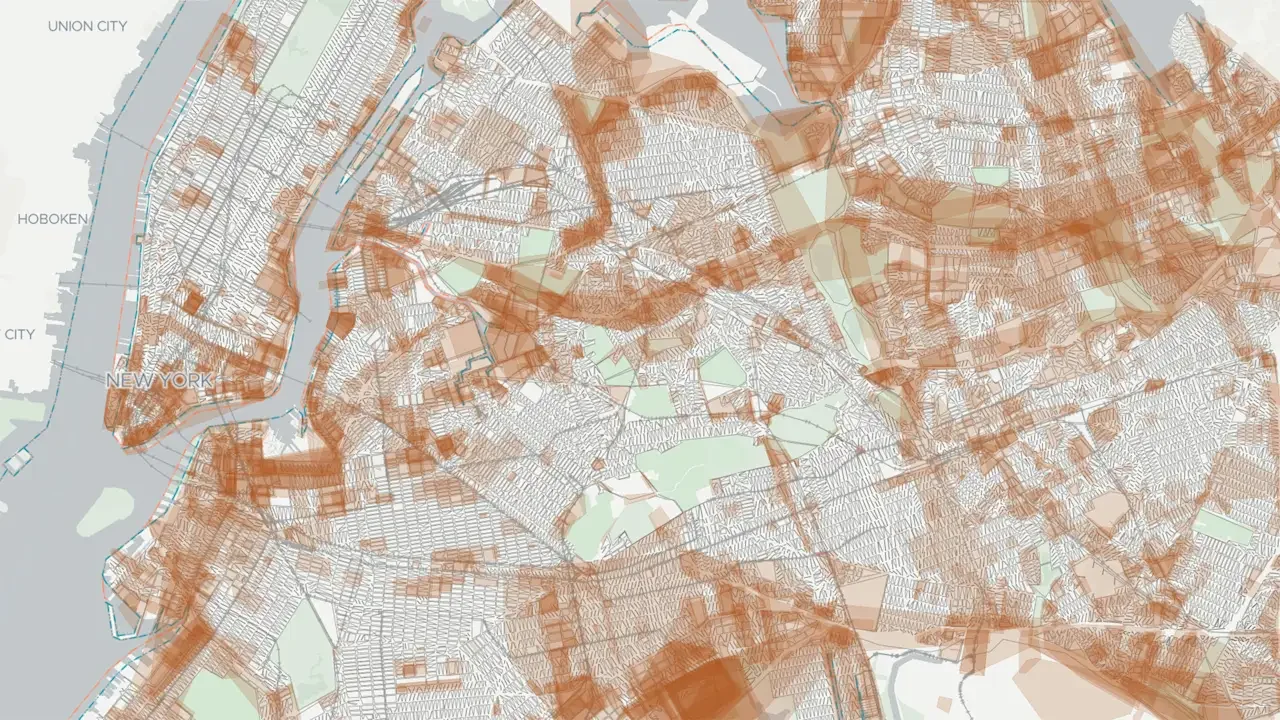
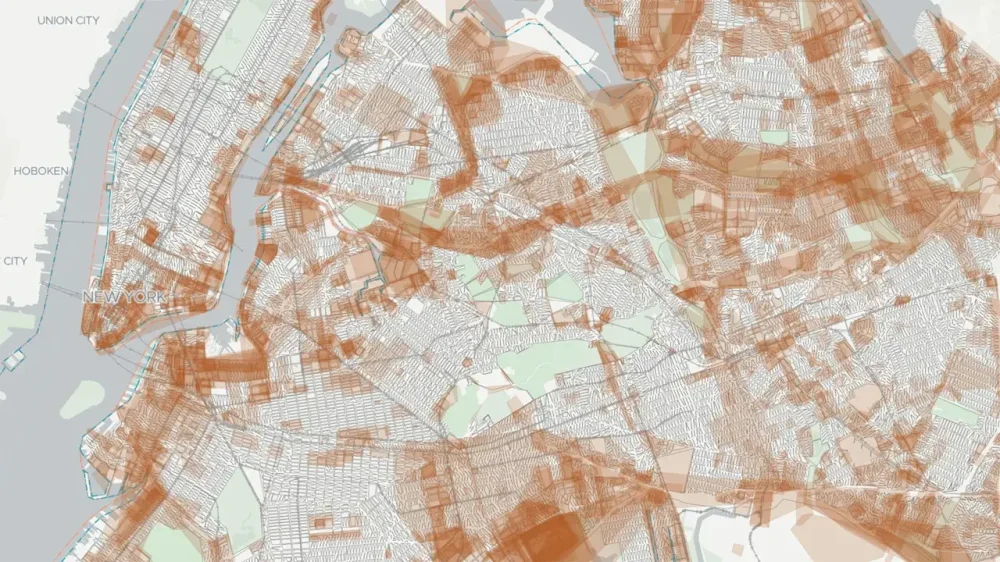
There are many, many maps of New York City. There are the decor maps, sold on Amazon, and the tourist maps, which mostly focus, erroneously, only on Manhattan. There’s the iconic subway map, as well as the MTA’s new version. There’s the Eater and Grubhub maps, which tell us where to eat. And then there’s the map that really matters: the official legal map for the city, which quite literally rules the streets of the city, complete with boundaries and widths. It’s also the map that doesn’t currently exist, at least in one singular and easy-to-use form. That’s changing, though. On Tuesday night, New Yorkers appeared poised to approve Proposal 5, a measure that will push the city to create a unified official map representing its five boroughs for the first time. The effort should help officials finally catch up with unification efforts, which began more than a century ago in 1898, when areas throughout modern-day Queens, Brooklyn, Staten Island, Manhattan, and the Bronx were combined to form one city government. While the city has streamlined most operations, New York’s maps were never synthesized into one document, scattering authority over these official charts across the city and resulting in thousands of paper topographical documents. Today, the diffuse nature of these official maps slows down housing construction, adding another hurdle to solving the city’s extreme housing crisis, advocates argue. The passage of the proposition means that these paper maps will finally be distilled into a single visualization and eventually digitized. The goal is to speed up any city process that typically requires verification with an official city map or updating a city map to mark a change to street geography. The creation of a unified city map should also help officials more accurately represent the city’s waterfront, particularly as climate change alters the coastline. Plus, it should help eradicate the problem of “paper streets”– streets that are still recorded on official paper maps, but no longer exist in real life. Fast Company chatted with Casey Berkovitz, who is on staff at the Charter Revision Commission, which was charged with considering New York’s official city charter and putting forth ballot initiatives, including the now-passed map proposal. Earlier this year, the group found that changes to the current map were, in their words, “overdue.” This interview was edited for clarity and length. Rebecca Heilweil: Can you explain what people voted for? Casey Berkovitz: Today in New York City, we have a very archaic system in which the official city map is spread out across five separate borough offices. On paper we think it’s about 8,000 paper maps across the five boroughs. This is really an artifact of a time before, not just digitization, but also borough consolidation. The five boroughs became one city in 1898, but the borough presidents maintained jurisdiction over things like street maintenance through the middle of the 20th century. The city just never updated to consolidate its official city map into one unified map. Certainly as digitization and the internet have become more widespread in recent decades, the city never moved to modernize, either. This measure would do both. Rebecca Heilweil: Growing up here, I was familiar with all sorts of New York City maps. There’s the lot numbers maps, there areConEdison maps, and there’s school zone maps. Will all of those kinds of functions that the city provides, and which are mapped spatially, end up on this map? Will it show everything related to municipal activity? Casey Berkovitz: When we talk about the official city map, we refer to a pretty specific function, which is the map of things like street borders, street widths, property lines, in some cases, waterfront borders, which hasve to do with construction and infrastructure. There are other maps like you mentioned. There are school district maps and city council districts and community districts all on down the line that are obviously important and frequently interact with the official city map, but that are their own distinct maps and that wouldn’t be affected by this proposal. Rebecca Heilweil: Can you talk a little bit about the digital aspect of it? What is that going to look like when people hear “digital map”? They might think Google Maps. Casey Berkovitz: We actually already have the vast majority of what a digital city map would look like online, but doesn’t have any binding authority because it is not the official city map laid out in the city charter [Editor’s note: This unofficial map is available here]. In terms of what it would mean for New Yorkers today, if you want to build housing infrastructure, or any number of things, many of those functions require either confirming on the city map or updating the city map. These are things like property lines or the width of a street or the grade of a street that have impacts on what you can build. Those functions can take months or years because they require going to each individual borough map office, finding the right paper map, confirming what it looks like, and changing what it looks like. That’s a long process. There are frequently long queues at those borough offices to do those sorts of things. That adds, again, months or years to the process of building important infrastructure and housing. Not all of those functions would become instantaneous with the digital map, but they would be significantly faster than the process today of finding the individual paper fragment of a map and updating or confirming the information that’s on it. Rebecca Heilweil: How long is switching to a unified map system going to take? Casey Berkovitz: Taking that many paper maps […] unifying it, confirming the information, will take time as well from five borough offices to one central office. Granting it the official status as a city map will require essentially a zoning action to grant it that official status. That’s another benchmark in the timeline moving forward over the next couple of years. Rebecca Heilweil: What are some of the design considerations or, I don’t want to say aesthetics, but things that in terms of what this map should actually look like that you’re thinking about? There are so many different types of maps and so many different ways of representing things. Casey Berkovitz: The important thing here is that street and property lines are clear, that street widths are clear, and that changes over time are visible. In the preview map today, we have overlays of where there have been changes to the city map over time so that New Yorkers who are interested can see where streets have been remapped or de-mapped over time. Rebecca Heilweil: Can you talk a little bit about what you anticipate the biggest challenge being, moving forward? Casey Berkovitz: It is a lot of paper maps to unify and to make sense of. They are amazing historic documents and certainly, we’ll want to take good care of them and preserve them, even if they’re no longer the official binding government document. Balancing care for the physical maps with efficiency of unifying them and digitizing them is going to be relatively important. It’s going to take a dedicated effort from city staff. Rebecca Heilweil: What should I have asked you that I didn’t about New York’s upcoming digital map? Casey Berkovitz: This is pretty in the weeds, but it may be interesting to people who are interested in maps is that New York City actually has a number of what are called paper streets that are streets that exist on the city map today, but are not real streets in real life. A number of the construction or zoning actions that would be sped up by the unified and digitized map related to, if you either want to get rid of a paper street in order to do construction there or if you want to otherwise change the street kid. The other thing that is maybe a little more broadly applicable is how the map modernization intersects with the climate crisis. New York City has 520 miles of waterfront, along the bay and then along the rivers. Particularly as the climate has changed, waterfront borders have changed […] This proposal might make a big difference … either in development or resiliency efforts, where the paper maps when they were created genuinely do not reflect where the actual waterfront border is today. View the full article
-
Decline in Asian markets led by companies most exposed to demand for artificial intelligenceView the full article
-
Home price modeling changes hurt FOA's third-quarter interim results but it was in the black between January and September on a continuing operations basis. View the full article
-
Chancellor due to meet representatives from Lloyd’s of London, Hiscox and ConvexView the full article
-
Political flashpoint emerged during Biden administration as clients claimed they were denied service for political reasonsView the full article
-
Major changes to curriculum also include teaching about fake news and climate changeView the full article
-
Voters are filling in their ballots today to choose who will lead America’s largest city for the next four years. New York being a center of global finance and business means that its local elections will always attract some degree of attention outside of the five boroughs, but the city’s mayoral race this year has garnered far more national interest than usual. That’s in large part thanks to Zohran Mamdani, the assemblymember from Queens who was virtually unknown outside of New York before he launched his campaign a year ago. Mamdani went viral early in the race with entertaining person-on-the-street videos in the wake of Donald The President’s second presidential election victory. With support from an energized base of younger voters, he rode that wave to a primary election victory against former Governor Andrew Cuomo in June. Since then, the national headlines about Mamdani and the broader race for mayor haven’t stopped, which is to say that no shortage of eyeballs will be focused on New York’s election results as they begin to pour in on November 4. Most polls have shown Democrat Mamdani with a comfortable lead over his two main opponents: Cuomo, who is running as an independent, and Guardian Angels founder Curtis Sliwa, the Republican on the ballot. If Mamdani coasts to victory as expected, he would be the first Muslim mayor of New York and, at 34, the youngest person to lead the city in more than 100 years. How can I track the New York City mayoral election results? News outlets with real-time decision desks offer the fastest way to see how the election is unfolding. We’ve rounded up some resources below: NPR (via Associated Press) New York Times CNN Decision Desk HQ Election polls close at 9 p.m. ET. This story is developing… View the full article
-
For me, part of the appeal of TikTok is seeing smaller, less polished videos from people who don't fashion themselves as influencers. But what do I know? The company has announced it is holding its first U.S. awards show later this year. It seems the Oscars-ification of short form video is here. In a blog over on the TikTok site, the company said the show, fittingly called the TikTok Awards, will be held in the Hollywood Palladium in Los Angeles on Dec. 18, 2025, and will "honor the creators who have inspired, entertained, and connected communities across the country." To that end, the site also says it will invite users to "vote for their favorite creators" starting on Nov. 18. So, how will all of this go down? Who is nominated for the TikTok Awards?TikTok says it will have announce nominees in 14 categories, including Creator of the Year, Video of the Year, Breakthrough Artist of the Year, and Muse of the Year, whatever that means. But don't assume you can put forward any old channel for an award. Towards the end of its announcement post, TikTok included a "Meet the Nominees" section that makes it clear the company has already chosen the competitors—and it might not be anyone you recognize. As someone who has spent a total of 13 hours on TikTok over last week (the things I admit for this job), I only recognize one of them. To be fair, the company says there are "more to come," so it's possible someone I recognize will get added to the list of options. Regardless, it seems like the nominees are being chosen by some internal board, so your mileage may vary on whether you agree with the picks. Personally, I'll admit that a lot of my favorite channels are journalists, spicy comedians, and political commentators, so it's possible they're not showing up here due to an effort to appear apolitical and family friendly. (Justice for Dave the cat, though). You can vote Voting for the TikTok Awards will start on Nov. 18, and the company says you can cast your votes using the in-app TikTok Awards hub. While it's currently unclear how you'll find the hub, my guess is it will show up as a pop-up over your feed when you first open the app, as it did with prior TikTok giveaways. I'm sure nominated creators will also be quick to link users to the hub. It's unclear at the moment how many votes users will get to cast. Some sites, like Crunchyroll, like to let users vote on their awards once per day, likely to encourage engagement or discourage dummy accounts. Whether TikTok will implement a similar system remains to be seen. How to watch the TikTok AwardsIf all you want to know is who wins, then you'll be able to watch the TikTok Awards themselves live on Dec. 18 starting at 6 p.m. PT, with a "red carpet livestream" starting an hour before. If you're comfortable watching from your phone, you'll be able to tune in via the TikTok app, but for better TV integration, TikTok says Tubi will also host the program. If you happen to show up late, Tubi will also have an archive of the Awards available to watch on demand "the next day." Can I go to the TikTok Awards In Person?While TikTok is promising "an immersive IRL experience with interactive moments," it's not posting any links to purchase tickets, which means the event is likely invite-only. That's probably important for creator safety, but a bummer for anyone looking to help bring "the For You Feed to life," as TikTok puts it. Are these really the First TikTok Awards?While 2025 is the first year the U.S. has had TikTok Awards, prior years have seen them come to countries including Korea, Japan, Australia, and Brazil. Likely, the delay has been due to the app's uncertain future in the U.S., but with a final deal now reached transferring control of the company to U.S. entities, it's likely TikTok is looking to make up for lost time by amping up its presence in the country. So, will you be watching the TikTok Awards? Personally, I'm not sure they jibe with what I like most about the app—there's a whole category celebrating people who sell via commission with the TikTok shop, something I immediately scroll by whenever I see it—but it could be a funny way to spend an evening, I suppose. So, basically the same approach I take with the Oscars—and at least it should make for some good hot takes on the accounts I do watch. View the full article
-
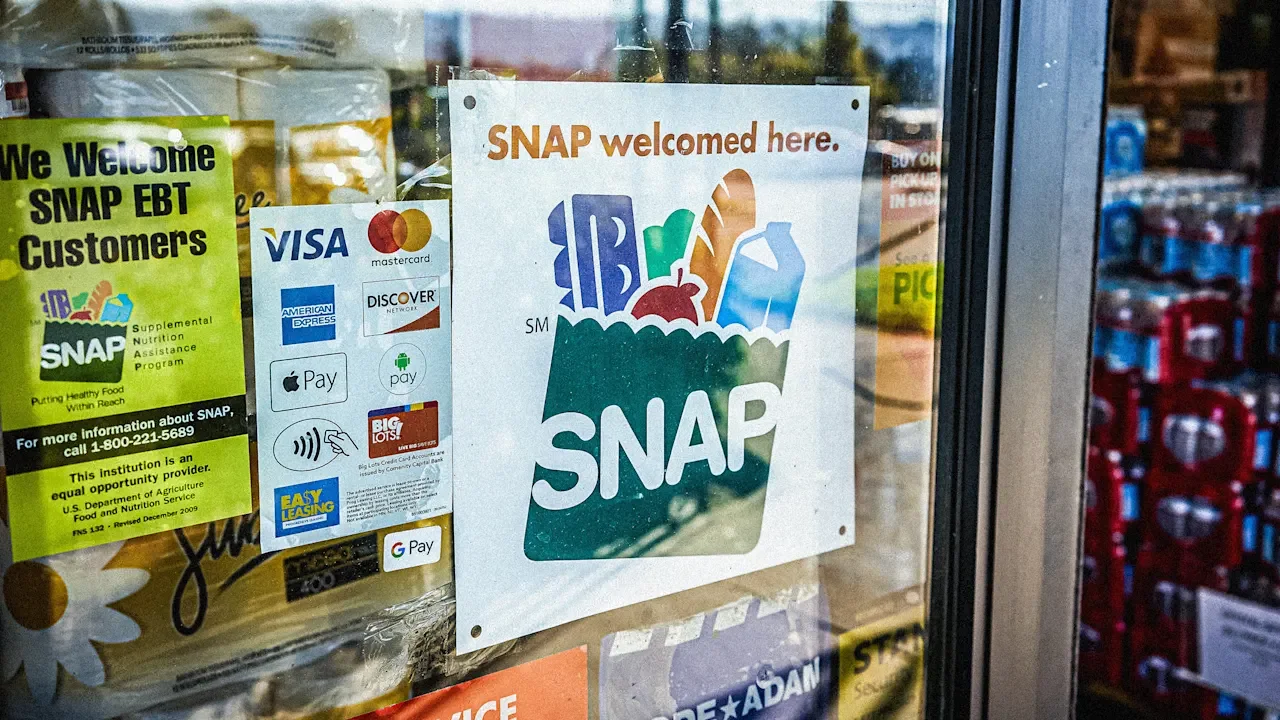
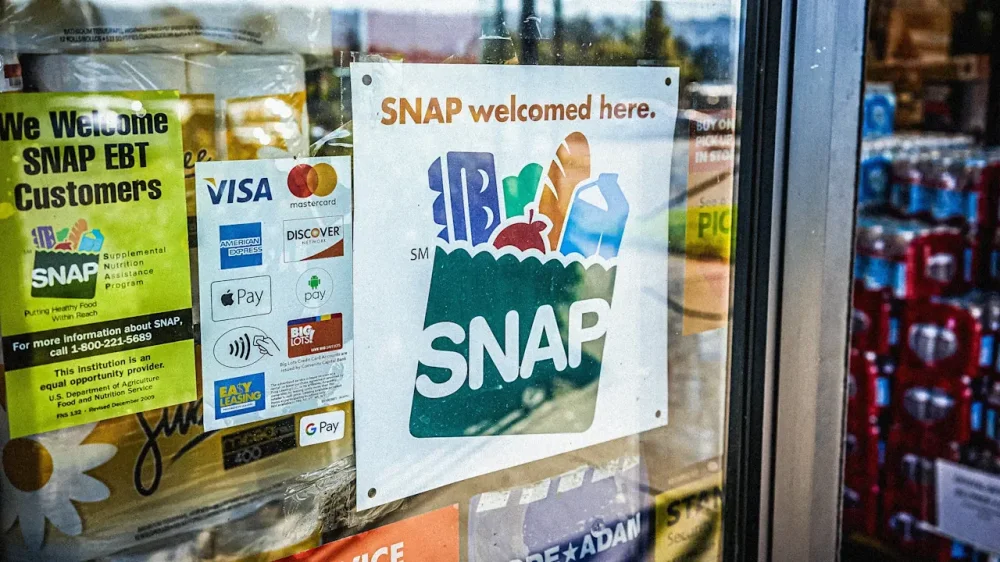
Restaurants, food banks, nonprofits, and other organizations have stepped up to offer assistance to the 41 million Americans who have been thrust into limbo this month regarding SNAP benefits that have been halved. But retailers are prohibited from offering discounts on groceries. The U.S. Department of Agriculture (USDA) has sent notices to retailers alerting them that they can’t offer special discounts to customers affected by the lapse in funding. Despite skepticism about the authenticity of these reports, the USDA confirmed the veracity of the notice to Fast Company, though a spokesperson didn’t provide any additional comment. “You must offer eligible foods at the same prices and on the same terms and conditions to SNAP-EBT customers as other customers, except that sales tax cannot be charged on SNAP purchases,” the notice reads. “You cannot treat SNAP-EBT customers differently than any other customers.” The USDA has sent out these notices despite the government shutdown that began last month. ‘EQUAL TREATMENT RULE’ The USDA appears to be invoking the “equal treatment rule” in an unprecedented way: The rule was intended to ensure that retailers couldn’t discriminate against SNAP recipients by charging them more for eligible items. Now, the USDA wants to ensure that grocery stores don’t charge these customers less for eligible items. What’s also unusual is that grocery stores, at their discretion, regularly offer discounts to customers for a variety of reasons — including designated discount days for seniors. ACTION FOR SNAP VIOLATIONS It’s unclear what penalties, if any, the USDA will impose on retailers who ignore this rule and offer discounts to SNAP beneficiaries. However, a discount apparently is considered a SNAP violation, and the Food and Nutrition Service within the USDA is tasked with monitoring such violations. “FNS takes immediate administrative action to ensure stores that violate SNAP rules no longer participate in the program,” reads a March 2025 fraud notification letter sent to retailers and posted on the USDA website. “Retailers that commit program violations will face consequences, including losing the ability to accept SNAP benefits. Retailers who commit program violations may also be subject to monetary penalties, fines, and/or criminal prosecution.” RETAILERS THRUST INTO LIMBO Some locally-owned grocery stores had promised discounts to SNAP recipients, along with DoorDash and Instacart, which deliver groceries for hundreds of grocery store chains. DoorDash sees no issue in waiving or reducing service and delivery fees for SNAP beneficiaries, as the company announced it would do previously, a company spokesperson told Fast Company. The company is among a group of pilot retailers for online SNAP that received a blanket regulatory waiver issued by FNS that waives the equal treatment requirement, said the spokesperson, who shared a copy of that notice. Instacart also received a similar waiver from FNS and had offered SNAP customers a 50% off their next grocery order, though a company spokesperson didn’t explicitly confirm to Fast Company whether it would continue with this offer. At least two retailers had offered discounts to struggling customers and retracted them after receiving the notice from the USDA, according to Catherine Rampell, an MSNBC anchor, in a post on the X platform. View the full article
-
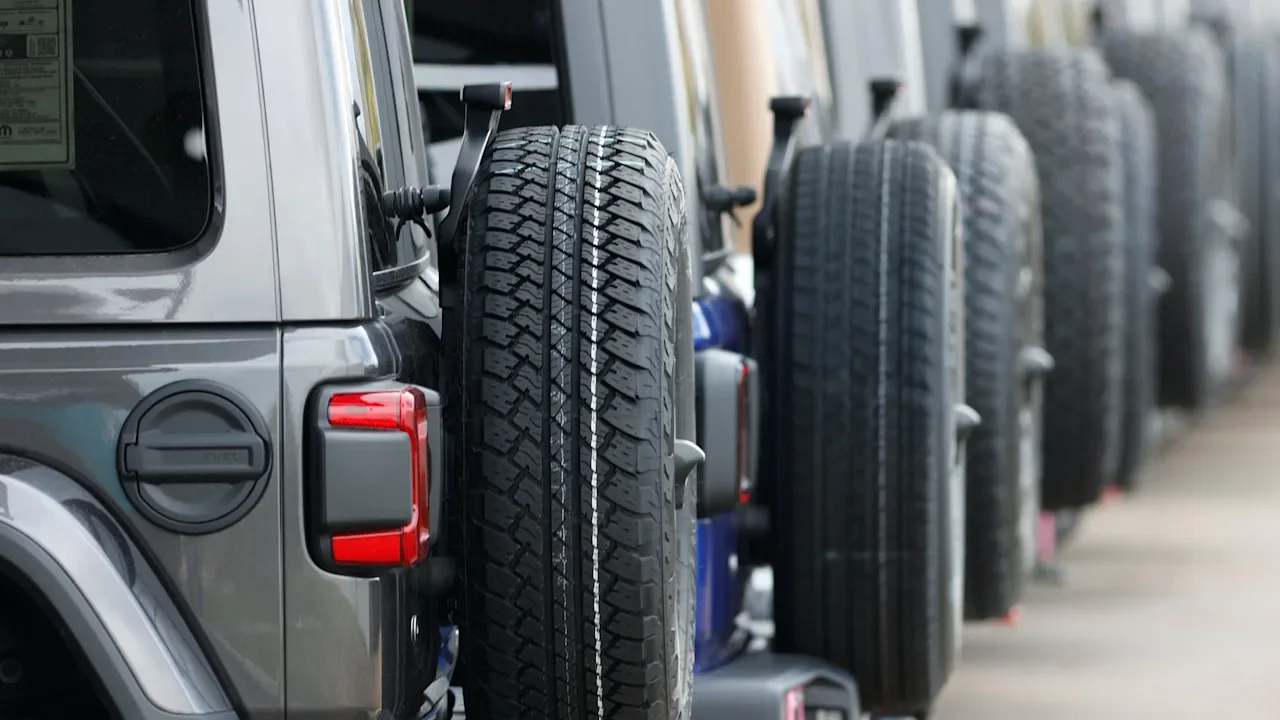
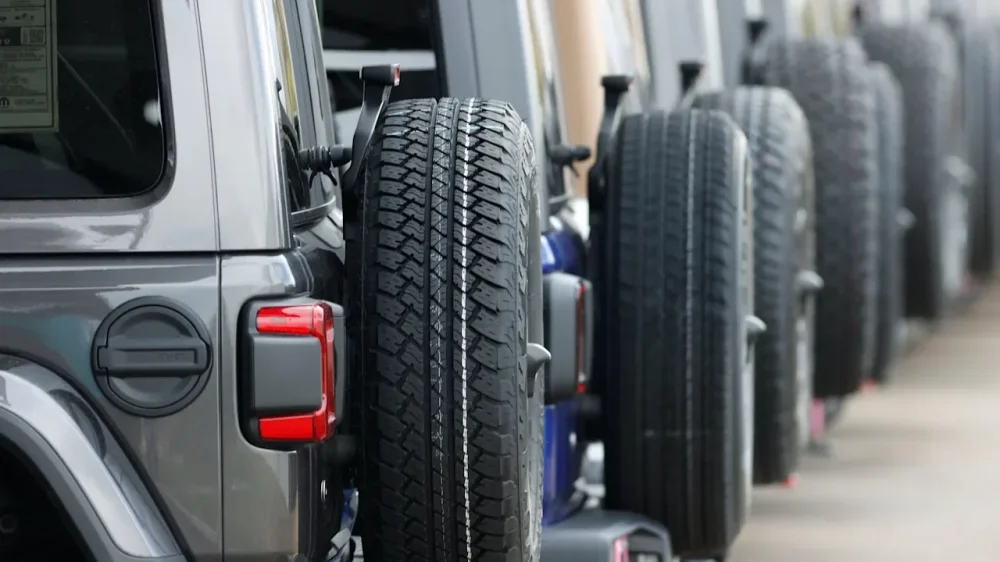
Chrysler is recalling more than 320,000 Jeep plug-in hybrid vehicles due to a faulty battery that can fail and lead to a fire, U.S. traffic safety regulators said. Chrysler, which is owned by Netherlands-based Stellantis, is aware of 19 reports and 1 injury potentially related to the issue. Owners of the vehicles, which include 228,221 Jeep Wranglers model years 2020-2025 and 91,844 Jeep Grand Cherokees model years 2022-2026, are being advised to park the vehicles outside and away from structures until a remedy for the problem is determined. Vehicle owners are also being told not to charge their vehicles, the National Highway and Traffic Safety Administration said. Interim notification letters are expected to be mailed to vehicle owners by December 2, 2025, with additional letters to be sent once the final remedy is available. The number for the recall is 68C and owners may contact Chrysler customer service at 800-853-1403. Vehicle Identification Numbers for this recall will be searchable on NHTSA.gov beginning November 6, 2025. Vehicles that were previously recalled for the same issue under previous recalls will need to have the new remedy performed, the NHTSA said. The batteries were manufactured by Auburn Hills, Michigan-based Samsung SDI America. View the full article
-
Apple dropped iOS 26.1 on Monday, introducing some small but meaningful changes to iPhones. But just one day after changing how alarms work, and adding options to adjust the look of Liquid Glass, the company is back at it with another update: iOS 26.2. To be clear, iOS 26.2 is not currently available to the public. Instead, Apple is now beta testing this version of iOS, allowing developers to trial the software against their apps, and report any and all issues back to Apple. While anyone can technically download this new software, I wouldn't recommend it. iOS 26.2 is not intended for public use, and, as such, it might introduce problems on your device. If you'd like to beta test iOS 26.2, I'd encourage you to at least wait for Apple to ship the public beta version, which should arrive soon. As to be expected, iOS 26.2 doesn't appear to be a major update. Apple clearly added most of the features and changes it had in mind with iOS 26, and a handful of new features and adjustments with iOS 26.1. Still, iOS 26.2 does bring some changes, even with the first beta. Here's what's new, at least at this time: Liquid Glass slider for the Lock Screen clockWith iOS 26.1, Apple added an option to adjust the look of Liquid Glass. With it, you can choose from two options: "Clear," the iconic Liquid Glass look, or "Tinted," which increases opacity of the elements, and turns Liquid Glass into more of a Frosted Glass. While this is a helpful addition for users who didn't like the look of Liquid Glass, some wanted Apple to go a step further, and add a slider to more finely adjust the look of the glassy design. It seems Apple has done just that with iOS 26.2, but not for the system-wide Liquid Glass UI. Instead, with this new version, you get a slider to adjust the look of your Lock Screen clock: This Tweet is currently unavailable. It might be loading or has been removed. Alarms for remindersReminders are an indispensable part of my iPhone. I rely on them on a daily basis to make sure I keep up with important tasks. However, reminder alerts are as present as any other notification on your iPhone. If you frequently watch your notifications, that's just fine, but if you don't check your iPhone so much, or you use Focuses or Do Not Disturb, it can be easy to miss a reminder—and easy to forget to do the thing you were reminding yourself to do. iOS 26.2 has a solution: alarms for reminders. When you set a reminder as "Urgent" while running iOS 26.2, you'll see a pop-up asking for permission to to schedule alarms and timers. The idea is, rather than rely on a simple alert, the Reminders app can play an alarm when your reminder is due. I imagine that will help avoid forgotten reminders: You might miss a short ping, but you probably will hear if your iPhone is continuously blaring. Sleep Score updatesIf you have an Apple Watch running watchOS 26, you can take advantage of Apple's new Sleep Score feature. Sleep Score looks at your sleep duration, bedtime, and sleep interruptions to assign you a score to summarize how well you slept. Duration can go up to 50 points, bedtime up to 30, and interruptions up to 20, culminating in a highest possible score of 100. With iOS 26.2 and watchOS 26.2, Apple is adjusting the Sleep Score metrics, which should hopefully make it a bit more accurate for users at a glance. Here's how it changed, as noted by MacRumors: Very Low: 0–40 (previously 0–29) Low: 41–60 (previously 30–49) OK: 61–80 (previously 50–69) High: 81–95 (previously 70–89) Very High: 96–100 (previously 90–100) In addition, "Excellent" is now "Very High," to keep the naming scheme more consistent. Podcasts changesApple is introducing three new changes for the Podcasts app in iOS 26.2. You'll see all three in a pop-up menu the first time you open the app post-update. First, all Podcasts in English will come with chapters by default. Podcasters can include these chapters themselves, or, if none are available, the app will generate them automatically with AI. If podcasters don't want their episodes to have chapters, they can disable the feature on their end. The app will also collect any podcasts mentioned during the show you're listening to in one location, so you can easily find those other podcasts if interested. Similarly, podcasters can roundup any links they want to share in one place, including with timestamped entries in the transcript of the episode. The app may automatically create these links too, based on the contents of the episode. EU users are getting Live TranslationLive Translation is a promising new feature for AirPods owners running iOS 26. When you're wearing your AirPods, and you start talking to someone who speaks a different language than you do, your iPhone will translate their words on the fly, and you'll hear what they're saying in your target language through your AirPods. Apple isn't the first company to offer this feature and it isn't perfect, but it's great to have it nonetheless. However, EU users running iOS 26 or iOS 26.1 can't use Live Translation. Apple cited the region's Digital Markets Act as the reason it couldn't bring Live Translation to the EU, but the company seems to have sorted out whatever logistical and bureaucratic issues it had been dealing with: Once iOS 26.2 drops, AirPods users in the EU will be able to use Live Translation, too. View the full article
-
Transportation Secretary Sean Duffy predicted Tuesday that there could be chaos in the skies next week if the government shutdown drags on and air traffic controllers miss a second paycheck. There have already been numerous delays at airports across the country—sometimes hours long—because the Federal Aviation Administration slows down or stops traffic temporarily anytime it is short on controllers. Last weekend saw some of the worst staff shortages and on Sunday, flights at Newark Liberty International Airport in New Jersey were delayed for several hours. Duffy and the head of the air traffic controllers union have both warned that the situation will only get worse the longer the shutdown continues and the financial pressure continues to grow on people who are forced to work without pay. FAA employees already missed one paycheck on Oct. 28. Their next payday is scheduled for next Tuesday. “Many of the controllers said, ‘A lot of us can navigate missing one paycheck. Not everybody, but a lot of us can. None of us can manage missing two paychecks,’” Duffy said. “So if you bring us to a week from today, Democrats, you will see mass chaos. You will see mass flight delays. You’ll see mass cancellations, and you may see us close certain parts of the airspace, because we just cannot manage it because we don’t have air traffic controllers.” Most of the flight disruptions so far during the shutdown have been isolated and temporary. But if delays become more widespread and start to ripple throughout the system, the pressure will mount on Congress to reach an agreement to end the shutdown. Major airlines, aviation unions, and the travel industry have been urging Congress to end this shutdown as soon as possible by voting to support the clean funding resolution that Republicans have proposed. The U.S. Travel Association said in a letter to Congressional leaders this week that the economy has already lost more than $4 billion because of the shutdown, and the industry worries the impact will get significantly worse if the shutdown continues into the holiday travel season. “With Thanksgiving, the busiest travel period of the year, imminently approaching, the consequences of a continued shutdown will be immediate, deeply felt by millions of American travelers, and economically devastating to communities in every state,” the U.S. Travel Association said. Normally, airlines strive to have at least 80% of their flights depart and arrive within 15 minutes of when they are scheduled. Aviation analytics firm Cirium said that since the shutdown began on Oct. 1, the total number of delays overall has not fallen significantly below that goal because most of the disruptions so far have been no worse than what happens when a major thunderstorm moves across an airport. But on Sunday, only about 56% of Newark’s departures were on time, and the Orlando airport reported that only about 70% of its flights were on time, according to Cirium. As of midday Tuesday, there have been 1,932 flight delays reported across the United States, according to www.FlightAware.com. That is lower than what is typical although the FAA did say that flights in Phoenix were being delayed Tuesday morning because of staffing shortages. Strong winds are also causing delays at the Newark and LaGuardia airports Tuesday. —Josh Funk, AP transportation writer View the full article
-
While FHFA reduced most of the single-family low-income goals, the MBA wants the refinance target for Fannie Mae and Freddie Mac cut as well, its letter said. View the full article
-
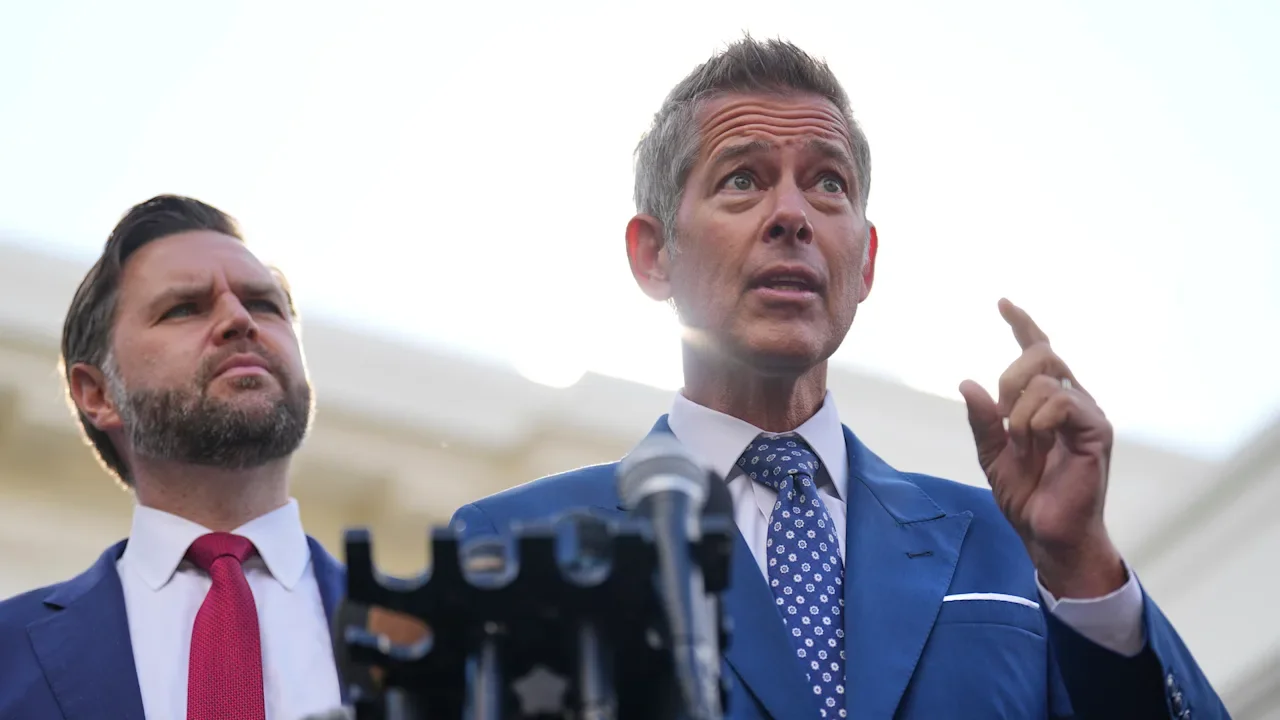
Results from New York to Virginia will give signal of electorate’s mood in president’s second term View the full article
-
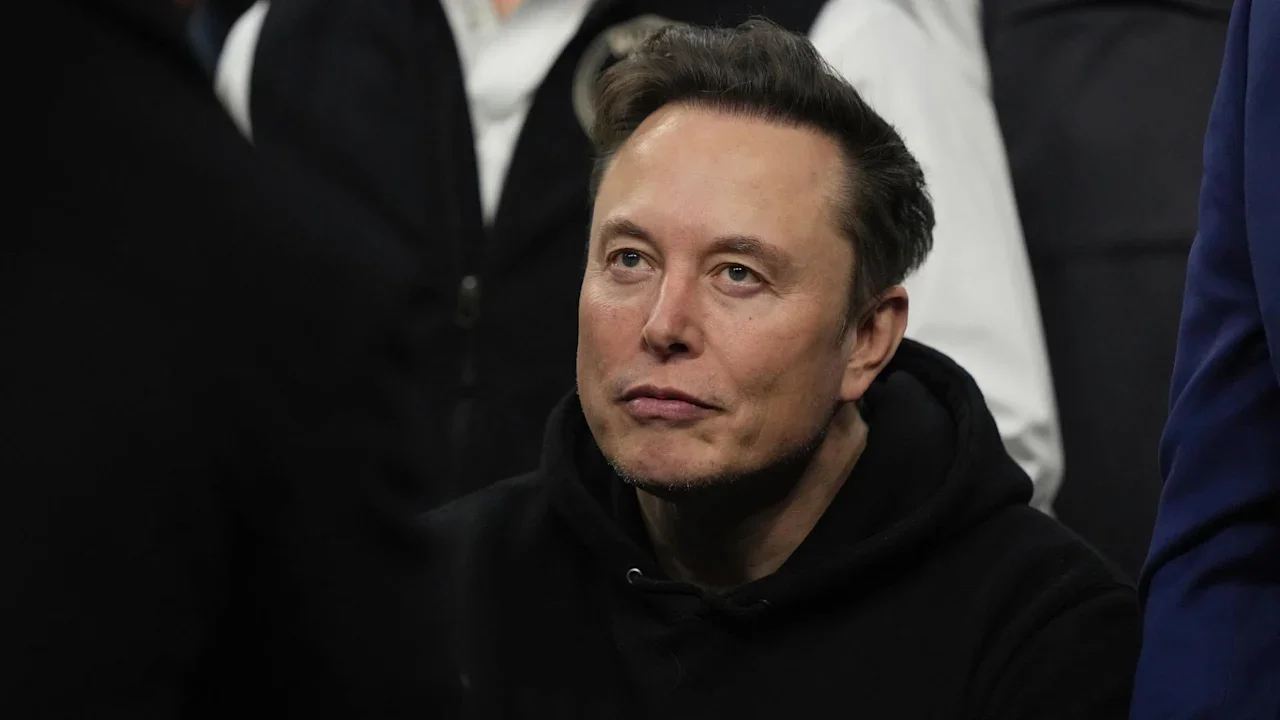
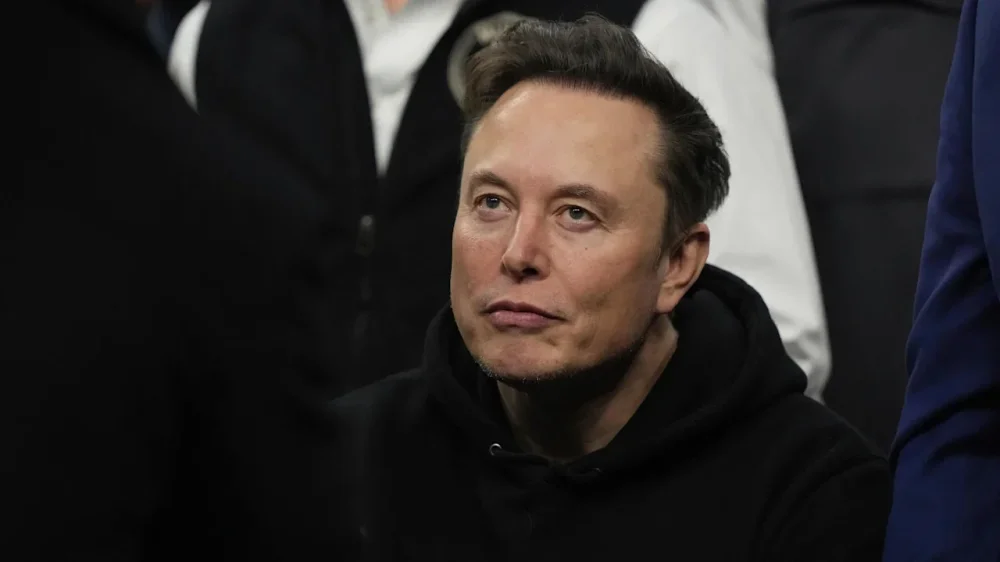
Norway’s sovereign wealth fund, one of Tesla’s biggest investors, said Tuesday that it will vote against a proposed compensation package that could pay CEO Elon Musk as much as $1 trillion over a decade. There will be more than a dozen company proposals up for a vote Thursday during Tesla’s annual meeting, but none have generated more division than Musk’s potentially massive pay package. “While we appreciate the significant value created under Mr. Musk’s visionary role, we are concerned about the total size of the award, dilution, and lack of mitigation of key person risk consistent with our views on executive compensation,” said Norges Bank Investment Management, which manages the country’s Government Pension Fund Global. “We will continue to seek constructive dialogue with Tesla on this and other topics.” The fund has a 1.16% stake, the sixth largest holding among institutional investors. Baron Capital Management, which holds about 0.4% of Tesla’s outstanding shares, said Monday that it will vote in favor of the compensation package. “Elon is the ultimate ‘key man’ of key man risk. Without his relentless drive and uncompromising standards, there would be no Tesla,” wrote founder Ron Baron. “He has built one of the most important companies in the world. He’s redefining transportation, energy, and humanoid robotics and creating lasting value for shareholders while doing it. His interests are completely aligned with investors.” Musk is the company’s largest investor, holding 15.79% of all outstanding shares. Tesla management has proposed a compensation arrangement that would hand Musk shares worth as much as 12% of the company in a dozen separate packages if the company meets ambitious performance targets, including massive increases in car production, share price, and operating profit. View the full article
-
The latest case comes after at least three other zombie lawsuits in the past year, with the owner of the loan in question claiming $173,000 in past-due interest. View the full article
-
Cautious comments from top bank executives add to jittery sentiment on Wall StreetView the full article
-
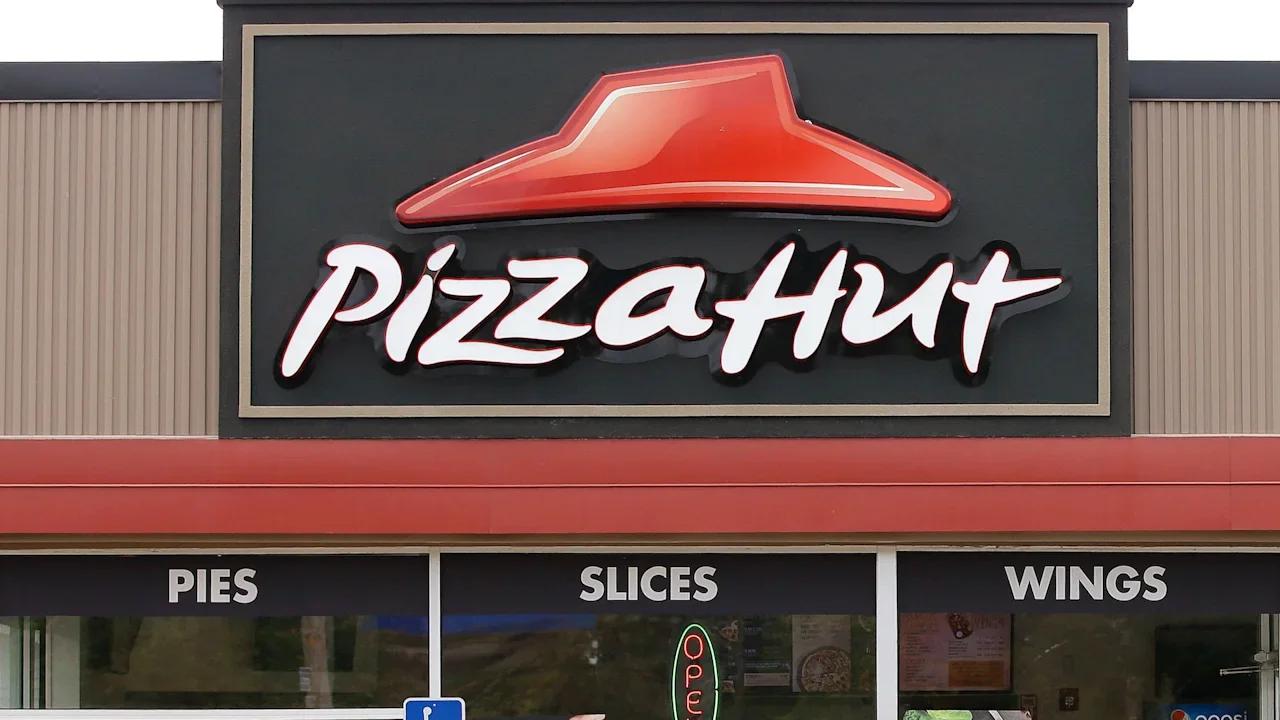
Pizza Hut could soon be up for sale. Yum Brands, Pizza Hut’s parent company, said Tuesday it’s conducting a formal review of options for the brand, which has struggled to compete in a crowded pizza market. Yum CEO Chris Turner said Pizza Hut has many strengths, including a global footprint and strong growth in many markets. Pizza Hut has nearly 20,000 stores in more than 100 countries, and its international sales were up 2% in the first nine months of this year. China is its second-largest market outside the U.S. But Pizza Hut gets nearly half its sales from the U.S., where it has around 6,500 stores, and U.S. sales fell 7% in the same period. Pizza Hut was long saddled with large, outdated dine-in restaurants at a time when consumers wanted fast pickup and delivery. In 2020, one of Pizza Hut’s largest franchisees filed for bankruptcy protection and closed 300 stores. Pizza Hut now controls 15.5% of U.S. pizza chain sales, down from 19.4% in 2019, according to Technomic, a food service consulting company. “The Pizza Hut team has been working hard to address business and category challenges; however, Pizza Hut’s performance indicates the need to take additional action to help the brand realize its full value, which may be better executed outside of Yum Brands,” Turner said in a statement. “To truly take advantage of the brand we’ve built and the opportunities ahead, we’ve made the decision to initiate a thorough review of strategic options.” Yum has not set a deadline for the completion of the review. The company said it will not make any further comments on the review. Yum Brands shares were up nearly 7% in early afternoon trading Tuesday. The company also owns KFC, Taco Bell, and Habit Burger & Grill. Yum said Tuesday that its third-quarter revenue rose 8% thanks to strong sales at both KFC and Taco Bell. Pizza Hut was founded in 1958 in Wichita, Kansas, by two brothers who borrowed $600 from their mother to open the store. They chose the name because their sign only had room for eight letters. Pizza Hut’s familiar red roof debuted in 1969, and by 1971, it was the top pizza chain in the world by sales. PepsiCo acquired Pizza Hut in 1977 but spun off its restaurant division — which became Yum Brands — in 1997. Domino’s, with its focus on delivery and carryout pizza, has since become the world’s largest pizza chain, with 21,750 stores. The news of Pizza Hut’s uncertain future comes the day after another 1950s-era dine-in icon, Denny’s, announced it was being sold to an investor group and taken private. Like Pizza Hut, Denny’s has also struggled with customers’ shift to delivery and growing competition in casual dining options. —Dee-Ann Durbin, AP business writer View the full article
-
Responding to posts on social media claiming that ChatGPT will no longer offer legal or health advice, OpenAI is clarifying that "model behavior remains unchanged" and there is "not a new change to our terms." The clarification follows a since-deleted viral post from betting platform Kalshi, which claimed "JUST IN: ChatGPT will no longer provide health or legal advice." Since then, concerned users have repeated the claim, while others have attempted to push back against it. The confusion likely stems from an Oct. 29 update to OpenAI's Usage policies, which appeared to add a stipulation that users cannot use OpenAI for "provision of tailored advice that requires a license, such as legal or medical advice, without appropriate involvement by a licensed professional." While it would be easy to read that as meaning the AI will no longer give advice on those topics, the reality is a bit more complicated. In fact, the previous usage policy already banned "activities that may significantly impair the safety, wellbeing, or rights of others," with its first example of one such activity being "providing tailored legal, medical/health, or financial advice without review by a qualified professional." However, this was hidden under a subsection targeted at those building with the OpenAI API, and so might have been missed by average consumers. While the new usage policy keeps the same rules, the change was that it now merges them into one, unbroken list, meaning that while the rule is still targeted primarily towards developers and businesses, it is now more visible to everyone. Technically, this also makes it clearer that the rule applies to everyone and not just those using the OpenAI API to build an app, but average users are unlikely to see a change. The important words here are "provision" and "providing." The terms, as written, don't necessarily ban the average person from getting legal and health advice from ChatGPT, but instead discourages developers and hospitals or law offices from using the chatbot to give specific advice to a client without first checking in with a licensed professional. As an average person doing background research, you're unlikely to bump up against it, and there's no language indicating a change to the chatbot's functionality. In short, the update is intended as a rewording, not a change to rules, enforcement, or functionality. This is backed up by OpenAI's statement, which comes from the company's head of health AI Karan Singhal, and says "ChatGPT has never been a substitute for professional advice, but it will continue to be a great resource to help people understand legal and health information." Despite this, responses to OpenAI's statement denying a change to model behavior still claim to have seen more difficulty looking certain topics up, although it's important to note that OpenAI's release notes don't indicate any new model developments having been made since the update to the company's usage policies. On an anecdotal note, I was able to get ChatGPT to offer me advice on how to fight a traffic ticket in court, as well as suggest brands for a supplement a user said the model refused to provide specific advice about following the new policy update. Credit: Michelle Ehrhardt While I cannot test every possible use case, the situation seems clear to me. Are you using ChatGPT or the OpenAI API to give others specifically tailored legal or health advice, without review by a licensed professional? If so, the same rules apply as before. If not, you're unlikely to see a change in your results. View the full article
-
Jens Stoltenberg says move will avoid forced sale of shares in Amazon, Microsoft and Alphabet over their work for IsraelView the full article