ResidentialBusiness
Administrators
-
Joined
-
Last visited
Everything posted by ResidentialBusiness
-
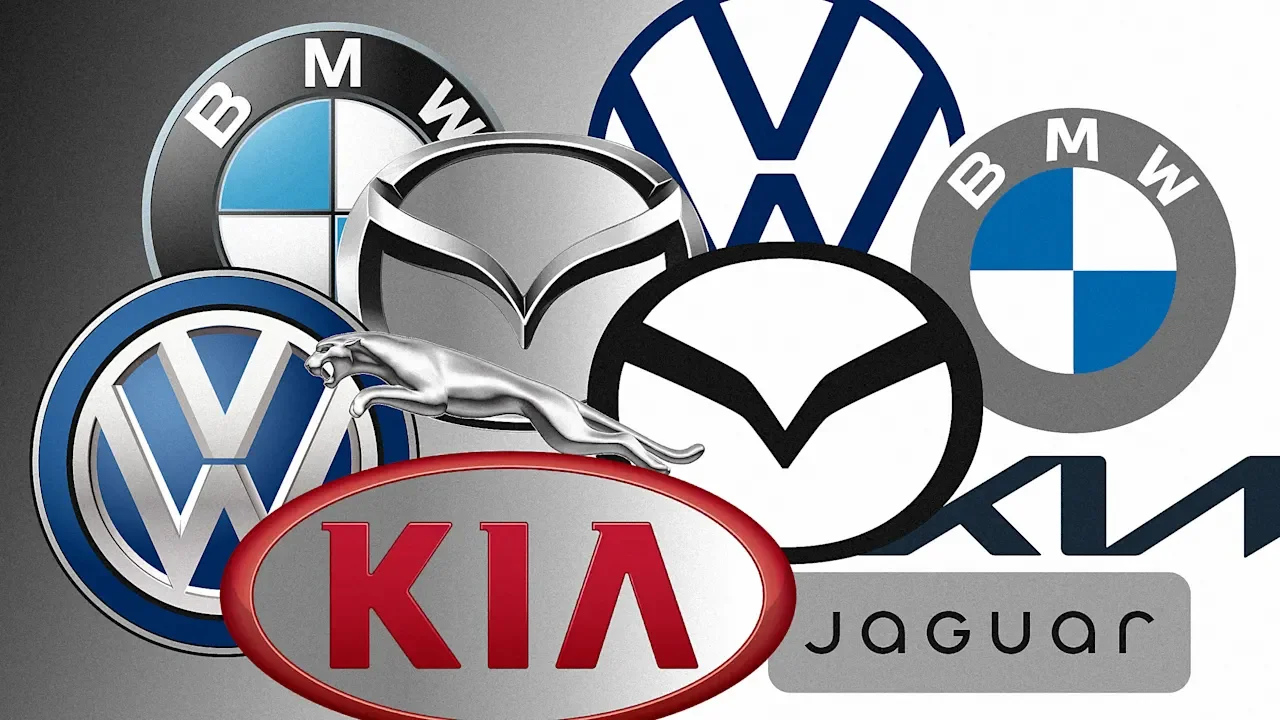
 Japanese auto manufacturer Mazda has released a simplified new logo, and it has bigger implications than your typical brand refresh. It’s indicative of a broader branding—or should we say blanding—trend that’s taking over the car industry. Mazda Motor Corp. rolled out a new, flatter version of its logo at the Japan Mobility Show 2025 in October that did away with the dimensional, beveled silver chrome effect the logomark used to have in favor of a solid black line. The new M mark is more angular, too, evoking a pair of wings that was first introduced in 1997. The company says it designed the flat new logo for improved visibility, especially in digital environments. That also makes it late to the party. Yesterday’s bland is today’s car brand A dozen car brands have flattened their logos in roughly the past half dozen years, and Mazda is now the latest. Toyota did so in 2019; Rolls Royce in 2020; BMW, Cadillac, Kia, Nissan, and Volvo in 2021; Audi and Bugatti in 2022; and Genesis and Jaguar Land Rover in 2023. Jaguar famously introduced its new, lighter logo with a mix of upper- and lowercase letters in 2024; and this March, Lamborghini toned down the sheen on its bull-and-shield logo. Bentley, which updated its winged B logo in July, kept the chrome look but simplified the mark. It’s not flat, but it’s more minimalist. Overall, a “blanding” and flattening of car branding has swept through the industry years after the trend hit graphic design more broadly. Out are chrome, 3D, skeuomorphic logos designed to look like car badges. In are logos meant to be rendered at small sizes on screens. Sans serif? It’s electric Now de-chromed, these new logos are thinner and lighter, and they come as automakers adapt to a more electric future. At the same show where it unveiled its new, flat logo, Mazda also showed off a pair of futuristic-looking hybrid concept cars. Its first EV is expected in 2027. Graphically, the updated logos of legacy automakers are going up against those of EV newcomers such as Tesla and Rivian, which use sleek, futuristic-style fonts inspired by the typography of 20th-century science fiction, like Blade Runner and Back to the Future II. It’s possible that legacy car brand logos are getting updated to visually signal contemporary relevance in those markets as well. Ironically, the trend toward flat logos better designed for digital expression comes even as carmakers are getting rid of touchscreens in their vehicles in favor of old-school, analog knobs and dials. As automakers reconsider the screens in car interiors, they may one day reconsider their flat, digital-first logos too. For now, the flat-logo look reigns supreme. View the full article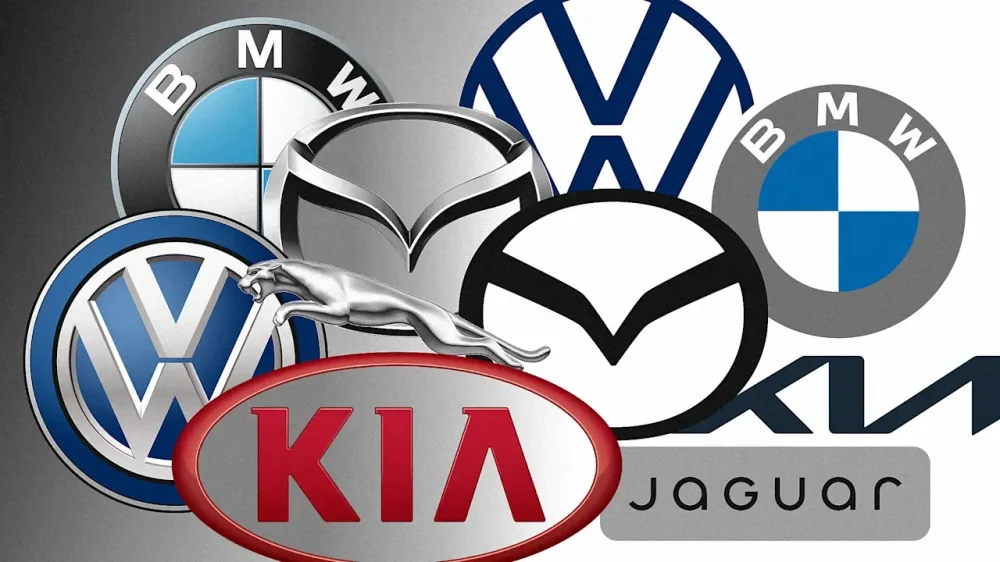
-
Chancellor lays groundwork for further tax rises in speech weeks ahead of BudgetView the full article
-
The 9-to-5 is fading, replaced by a fragmented cycle of early logins, late-night pings, and weekend catch-up. Microsoft’s latest Work Trend Index shows the “infinite workday” is no longer an edge case. It’s the norm for many knowledge workers. Unfortunately, it seems the pandemic-era “triple peak” work pattern—morning, afternoon, and an evening spike—has stuck. After-hours activity is rising. Meetings after 8 p.m. are up 16% year over year, and by 10 p.m. nearly one-third of active workers are back in their inboxes. Weekends are not off-limits: Among those working weekends, about 20% say they check email before noon on Saturday and Sunday. During the week, prime focus windows are being eaten alive. Half of meetings land between 9 and 11 a.m. and 1 and 3 p.m.—the very hours when many people are naturally sharpest. What feels like productivity is quietly fueling burnout, chaos, and replaceability The risk is fatigue and focus. When communication never sleeps, neither does context-switching, a leading cause of mental exhaustion. Microsoft’s telemetry finds employees are interrupted, on average, every two minutes during core work hours—adding hundreds of pings a day among heavy-communication users. It’s no surprise that nearly half of employees (48%) and more than half of leaders (52%) say work feels chaotic and fragmented. Samantha Madhosingh, a leadership consultant and executive coach with a background as a psychologist, says the issue is exacerbated by “flexi-working” while working remotely and trying to do it all. She says remote working “makes it difficult for folks to have the strong structure and boundaries around their workday. And I see people really struggling. They’re struggling to remain organized, to stay focused, and to not burn out.” At Lifehack Method, we’ve seen this up close as we coach busy professionals to reclaim their time and do meaningful, fulfilling work. When new clients arrive, most are drowning in what feels like “normal” work like an overflowing inbox, constant notifications, and a booked-up calendar. We’ll ask them, “When’s the last time you had two uninterrupted hours to do your actual job?” The answer is usually nervous laughter. But when they start putting up strategic boundaries, the turnaround is dramatic. Here’s how to set new boundaries around the infinite workday so that you can not only survive but thrive. What Frontier Firms do differently Some 53% of leaders say productivity must climb, yet 80% of the global workforce reports lacking the time or energy to do their jobs. That mismatch—rising demand versus human bandwidth—creates a capacity gap that organizations are racing to close. Microsoft’s “Frontier Firms,” which are early adopters deploying AI across the org, report better sentiment and headroom: 71% of workers at these firms say their company is thriving (versus 37% globally), and 55% say they can take on more work (versus 20% globally). Many leaders plan to upskill existing employees (47%) and use AI as digital labor (45%). Microsoft CEO Satya Nadella repeatedly posted on LinkedIn in August 2025 highlighting new AI tools that free people from drudgery and give them more time for high‑impact work. He wrote that GPT‑5 integrated into Microsoft 365 Copilot has become part of his “everyday workflow,” adding a layer of intelligence across apps, and praised the new =COPILOT() function in Excel that lets users “analyze, generate content, and brainstorm directly in the grid.” But AI is only part of the fix. It can automate tasks, but it can’t make your choices for you. Your scarcest asset isn’t talent—it’s time. Go a month without clear goals or let each week fray into constant notifications, and you quietly become easier to replace. That’s because reactive work, jumping at every @mention or ping, keeps you busy without moving the needle. Push back on norms for big results Teams that tame the infinite workday reject the “normal” flow of work and actively redesign their calendars. For example, Shopify periodically purges calendars of recurring meetings with more than two people. Meta and Clorox have meeting-free days. Dropbox has core collaboration hours, a four-hour block of synchronous time across its workforce that relieves the pressure of all-day meetings and lets employees decline meetings outside this window. GitLab runs on asynchronous workflows (a favorite trick here at Lifehack Method) to reduce urgency and alleviate stress. If you’re not in a position to flip the switch company-wide, here are some individual power moves: Swap meetings for screencasts. Most 30-minute info-transfer meetings could have been an email, or at least a shorter meeting. Record a Loom or Clipchamp, send it off, and let people listen at 1.5x speed. Boom—you just gifted yourself and your team back half an hour. Trade 1:1s for weekly office hours. You become more accessible, employees get a pressure valve for urgent problems, and you solve a pile of small issues in two to five minutes instead of bloating everyone’s calendar with half-hour blocks. The best leaders use office hours as a speed bump. If someone really needs a private 1:1, they’ll earn that time after showing up in office hours first. Set a “win-win” communication policy. Uncertainty kills productivity. People don’t need instant replies, they need predictable ones. Instead of winging it (aka defaulting to chaos), publish a simple rule: “I check email at 9 a.m., 12 p.m., and 3 p.m.,” or “I don’t take meetings on Mondays because I’m with clients.” The magic is in the head-nodding clarity. People stop expecting and start respecting. Close the floodgates. There should be moments when people can reach you and moments when they can’t. Otherwise, you’re drowning 24/7. The best way to enforce those on/off cycles? Plan your week in advance. If you don’t, the week will make a (bad) plan for you. Which leads to the next suggestion: Make weekly planning a ritual, not a wish. Pros don’t win with fancy hacks, they win by doing the boring basics consistently. Thousands of our clients at Lifehack Method use weekly planning as their “tip of the spear.” If you want to win the week, you’ve got to plan the week. Prioritize your physical and mental health, before it’s too late. Madhosingh warns that “work cannot take over your entire day and life. For a lot of people, that’s what ends up happening. They don’t know when to stop. Ultimately, your brain or your body will shut you down. . . . People end up really physically ill and sick because they’re not taking care of themselves.” The infinite workday isn’t your destiny If you don’t set boundaries, your tools will set them for you, and they’ll always choose “chaos.” That’s why the most competitive professionals and companies in 2026 won’t be the ones who can stay logged in the longest. They’ll be the ones who deliberately carve out time for deep work, compress their collaboration windows, and enlist AI to strip away drudgery. The infinite workday is real, but it’s not inevitable. You can either accept it as the new default, or treat it as the wake-up call it is. Leaders who redesign their calendars, enforce boundaries, and invest in human focus will not only outlast the chaos, they’ll outperform it. View the full article

-
In recent years, leading artificial intelligence labs and startups have released AI software designed for tasks of ever-growing complexity, including solving PhD-level math problems, reasoning through complex questions step-by-step, and using tools like web browsers to carry out intricate tasks. The role of AI engineers in making that happen is well-documented—and often well-compensated. But less publicized is the role of a growing army of freelance experts, from physicists and mathematicians to photographers and art critics, enlisted by companies specialized in AI training, itself a multibillion-dollar industry. Those companies say human wisdom is essential to create sample problems, solutions, and grading rubrics that help AI improve its performance in a wide range of fields. “As long as AI matters, humans will matter,” says Aakash Sabharwal, vice president of engineering at AI training company Scale AI. Scale AI recently made the news when Meta announced plans to invest $14.3 billion in the company—and hired away its then-CEO Alexandr Wang to lead a new “Superintelligence” lab focused on AI research. But the company remains a top player in the field, recruiting expert AI trainers in a wide variety of subjects and building digital environments Sabharwal compares to “flight simulators for AI,” where humans can help machines learn everything from sending business emails to writing code. “Way more PhDs” The modern AI training industry grew out of earlier work to create labeled training data teaching computers to identify objects in photos or spot social media posts in need of moderation. “The early days of how people thought of this industry was what you’d call commodity labeling, like cat/dog, cat/dog, cat/dog,” says Matt Fitzpatrick, CEO of AI training company Invisible Technologies. More recently, as generative AI models became available, human workers helped steer the software to correctly answer questions about topics like high-school level mathematics and communicate with virtual fluency in a variety of languages. Companies like Scale and Invisible have also built relationships with big businesses to help them fine-tune AI technology that can deliver insights based on their own needs and internal data. And now, as leaders of AI companies regularly boast of their chatbots’ prowess at tackling advanced math and science problems, human experts are working behind the scenes to test their limits and push their knowledge levels forward. “You’ve seen a real change in the seniority and expertise set of the expert pools,” says Fitzpatrick. “Way more PhDs, way more master’s [degrees].” Hyper-specificity Exactly what training firms provide to AI companies varies from task to task. It can include a mix of AI prompts and ideal answers, rubrics for evaluating AI responses, and corrections to the AI’s current best attempts. Trust is also an implicit part of the product: As Holger Mueller, a principal analyst and vice president at Constellation Research, points out, it has taken some time for big businesses to trust AI companies with their own data—including for fine-tuning purposes. And many AI training companies decline to publicly share a list of clients, citing confidentiality, with even training workers often not told exactly which company’s AI they’re working to improve. Another big part of what training firms deliver is access to vetted pools of experts, and the promise that they can produce training data in even obscure areas on short notice, which is critical given the AI industry’s pace of growth. It’s not unusual for a client to expect Invisible to line up 50 experts in, say, computational biology overnight, with the expectation they’ll deliver usable training data within a week, Fitzpatrick says. Despite reports that some AI companies have begun directly hiring experts themselves to train their systems—OpenAI has reportedly hired more than 100 former bankers from top Wall Street institutions to help teach its systems to do at least entry-level financial analysis—Fitzpatrick and other training company leaders say the specialized nature of their work, involving managing both technically sophisticated training platforms and large numbers of human workers, generally makes it hard for AI labs to do themselves. “The vast majority of our work is hyper-specific experts for short sprints at a time,” he says. “It’s a complicated thing to do in house.” That means that Invisible, which announced a $100-million funding round in September, along with its competitors, have all also devoted time to building robust recruitment and evaluation pipelines for human experts—often complete with AI tools of their own to speedily screen and onboard those experts and assess their progress. And clients are likely doing their own assessments of the data they get back. It’s not unusual for AI companies to solicit training data from multiple companies and compare the results, Fitzpatrick says. Intellectual curiosity The market for freelance experts with the time and knowledge necessary to train AI in obscure fields is, itself, naturally competitive, with training company executives boasting of their expert contractors’ credentials the way college presidents might brag about a new class of elite undergrads. One AI training company, Mercor, currently has listings posted seeking “recreation workers” at $60 to $80 per hour, a “bilingual Spanish marketing expert” at $20 to $60 per hour, “legal experts” at $90 to $120 per hour, and Ireland-based “general practitioners” in medicine at $160 to $185 per hour, among numerous other listings. And in many areas of knowledge, the bar steadily rises to get assigned to projects, according to Mercor product manager Osvald Nitski. “Software engineers are now required to have either experience in some niche programming language or incredibly strong scores on competitive coding challenges,” Nitski says. “We’re now sometimes sourcing named individuals, because the bar that needs to be met is so high that there are limited number of people in the world who actually meet it.” Mercor, which on October 27 announced a $350 million Series C round at a $10-billion valuation, says it pays more than $1.5 million per day to its experts, with average pay above $85 per hour. More than 30,000 experts are signed to Mercor’s platform, according to the company. And while the pay no doubt motivates experts, many of whom are working full-time in their fields, to enter the AI training arena, some are also motivated by intellectual curiosity and the desire to help hone software they hope can one day assist in their work or tackle outstanding problems. “A harder problem” Alice Chiao, an emergency medicine physician who serves as an expert for Mercor, says she hopes that AI can automate some of the drudgery, like charting and scribing, of medicine and thus help doctors better connect with their patients. She says her AI training work includes asking the systems to answer medical questions that may have stumped her in her practice—the kind of puzzling scenarios that pop up when real-world patients differ from textbook examples. “We input these things and try to see where a model might fail,” she says. “And then we create an ideal response—you know, based on this finding, I would have ranked this differential diagnosis higher.” Chiao emphasizes that she doesn’t anticipate the AI she trains replacing her or her fellow physicians. Rather, she sees the technology’s assistance helping to restore a level of human interaction that’s often disappeared from medical practice. “I do not think that training the AI is training a replacement,” she says. “I think that it has the significant potential to enhance the patient-physician relationship, which has eroded to a point where most physicians are not happy with the quality of patient-physician conversation and dialog that they get anymore.” Another AI training company, Micro1, focuses on talent in finance, medicine, law, and engineering fields, says founder and CEO Ali Ansari. Average rates paid by the company hover around $100 an hour, though it varies between subject areas, with about 70% of experts making between $70 and $210 per hour, he says. Micro1, which in September announced a $35 million Series A round at a $500-million valuation, also operates an AI recruiter that can vet potential candidates and even help share job listings on platforms like LinkedIn. Finding talent is a critical part of its operations. Part of the company’s goal, Ansari says, is to make sure that in-demand experts will not only perform well at a certain training task but have a good time doing it. “We want to be able to predict how much an expert will enjoy a certain job as well, which is, in fact, actually a harder problem,” he says. A social calling One expert that works with Micro1 is Mark Esposito, a professor of economics and public policy at Harvard University. He now serves as Micro1’s chief economist but began his association with the company by training AI to answer policy questions. That’s something he sees as important in ensuring AI doesn’t give misguided advice to users looking to make important decisions. “You don’t want any policymaker to be dealing with information that is grossly incorrect,” he says. “So that’s why I think there’s a bit of a social calling for this, in making sure that you’re really training models ethically, because they might really help people make a decision in the real world.” Edwin Chen, CEO of AI training company Surge AI, speaks to a similar sort of calling, saying he’s dreamed of helping craft artificial general intelligence (AGI)—essentially, truly thinking machines—since he was a child. “Instead of playing the startup game, we’re a lot closer to a research lab,” he says. “And the only thing that matters to us is whether we succeed in building AGI.” Still, the company recently boasted it’s making more than $1 billion in annual revenue, and Chen says pay rates for some of the experts it works with can reach as high as $500 per hour, with the company website citing contributions by Supreme Court litigators, Oxford linguists, Navy SEALs, and Olympic athletes. The proportion of specialized experts among the AI training workforce has grown over time, but people with more general knowledge still contribute as well, Chen says. That’s unlikely to change, he adds, since AI tools do need steady training on even basic problems. And even if AI continues to do better with hard problems and take on more roles, it’ll still need human guidance, as standards for its performance will continue to grow. This means AI is unlikely to make its human teachers obsolete any time soon. “As they get used more and more, the capabilities increase, the applications increase, and so it’s no longer okay for models to be at 80% accuracy—you need to be at 99.99999% or whatever it is,” Chen says. “And at the same time, as the models get smarter and smarter, you always need humans to steer and align them.” Historically, some AI training companies have faced complaints from less-expert training contractors of unpredictable hours, difficulties getting paid, and other issues familiar to gig economy workers. Others, including Scale AI, have since said they’ve taken steps to address complaints or otherwise emphasized their commitment to fair pay. And in general, work in the AI training field seems likely to grow as long as businesses continue to invest in deploying AI, as training companies expand into enterprise work and even work with robotics companies to help AI understand how to move about in the physical world. View the full article

-
More buildings are being converted into apartments in the U.S. than ever before, and it’s not just old offices that are finding new use. After the COVID-19 pandemic disrupted relocation patterns and work arrangements nationwide, suddenly vacant city office space seemed like prime real estate for housing. But it’s actually hotels more than any other building type that are driving the spike in conversions now: Hotels made up 37% of all apartment conversions in 2024, followed by offices at 24%, industrial at 19%, schools at 8%, and other at 12%. New sourcing to meet newfound growth This shift in sourcing comes at a time when a record number of converted apartments are hitting the market. 24,735 such units were completed in 2024, according to a new report from the property management and apartment listing site Rent Cafe. That’s up about 50% from 2023, when 16,513 apartments were converted. That trend is expected to continue. There are currently 181,000 apartment conversions currently in development, according to the report. While office-to-apartment conversions are on the rise, some office buildings present design challenges that stand in the way of adaptive reuse, like utilities that aren’t wired for multifamily residential use, or a lack of windows, which would fail to meet residential codes for bedrooms. The process for redesigning a hotel into a residential space is much more streamlined by comparison, as it already has a base infrastructure of single unit residences, much like the apartment complex it will become. That similarity suggests that converting the space would require less rewiring, less HV/AC installation, less tear downs, and less time and money for the developer. Hotels under pressure The rise in hotel-to-apartment conversion is driven less by design, though, than by economic factors. The American Hotel & Lodging Association (AHLA) said in its 2025 report that U.S. hotel industry is experiencing a period of stagnation because of operating costs that are growing faster than related revenue as travel patterns normalize post-pandemic. Some hotel owners, then, are choosing to sell. According to the Rent Cafe report, most of the hotels that converted were more vulnerable to market uncertainty. Hotels that cater to the wealthy are doing just fine, though, which makes sense considering the K-shaped recovery from the pandemic recession. People who can’t afford their rent can’t afford to travel either, and the buildings that once made up the infrastructure of these industries are adapting to the times. Hotels that once catered to middle-class travelers are now making a play for middle-class renters. View the full article

-
Ahrefs' Brand Radar data shows that brand mentions are an important factor in AI search visibility. The post Ahrefs Data Shows Brand Mentions Boost AI Search Rankings appeared first on Search Engine Journal. View the full article
-
These are the top 50 countries with the biggest proportion of AI Overviews worldwide. We pulled data from our search index and calculated how many keywords appear in AI Overview queries compared to regular search queries that appear in SERPs…Read more ›View the full article
-
One of the most striking aspects of Sarah Wynn-Williams’s best-selling memoir, Careless People, about her years at Meta, is the way she portrays Sheryl Sandberg. Contrary to Sandberg’s carefully crafted public image as a levelheaded advocate for working women and their families, she is shown to be narcissistic, mercurial, and hypocritical. Whether you see Wynn-Williams’s book as an important exposé of Big Tech culture or a hit job by a disgruntled former employee, it’s hard to escape the sense that Sandberg’s public persona was more fantasy than reality. The image of a fabulously wealthy executive and doting mother living her best life every hour of the day was always a bit over the top. There is clearly something unhealthy about the idealized images that we are constantly inundated with, as well as those equally curated versions that so many feel compelled to post on social media. Beyond the obvious psychological toll, the pressure to project constant perfection undermines the gritty, unglamorous work required to perform at a high level. The value of hacking away We’re all familiar with the eureka moment from the movies. The hero, when confronted with a seemingly insurmountable challenge, suddenly stops and has a moment of epiphany. He slams his fist on the table—he’s finally got it. The camera pushes in tight on his determined face as a montage depicting a frenzy of activity plays out, bringing the plan to life. As anybody who is involved with creative work will tell you, that’s a myth. Things don’t really work that way. Sometimes you get hit with an idea while driving your car or something, and might stop to write down a few notes. But most of the time you’re just hacking away, working and reworking ideas, most of which don’t amount to much. Kevin Ashton, the tremendously creative engineer who came up with the idea for RFID chips, put it well in his book, How to Fly a Horse: “Creation is a long journey,” he wrote, “where most turns are wrong and most ends are dead. The most important thing creators do is work. The most important thing they don’t do is quit.” One of the most useful things anybody ever told me about creativity is that “you have to let the muse know that you’re serious.” You have to be there, every day, doing the crap work until you come across something worthwhile. Most people never do that, because crap takes courage. You have to dare to be crap. The power of doing the minimum One of the best ideas I’ve ever had came to me at the end of college. I had been a Division I wrestler, so I never had much trouble staying in shape. But now I was embarking on a professional life that I knew would involve a lot of sitting in an office. I had seen friends who went completely to pot after just a few years. The idea I had was to commit to working out five minutes a day—without fail. Of course, five minutes a day wouldn’t keep me in shape, but it would make sure that I showed up, and that’s half the battle. I later learned that Jake Tapper has a similar idea about writing. He commits to writing 15 minutes per day, and he’s written a number of bestsellers. The truth is that people don’t get out of shape because they go to the gym and don’t work out hard enough. They get out of shape because things happen in their lives and they don’t go for two weeks and that somehow turns into 10 years. The same is true about writing, learning a language, or almost anything else: Do the minimum and the maximum will take care of itself. Of course, in our hyper-optimized theatrical world, we rarely hear that basic truth. Our social media feeds are full of “gonzo workouts,” wacky diets, and “secrets” that will unlock a more successful, fulfilling life. But the truth is that while going extreme might feel rewarding for a few weeks or even a few months, in the long run it’s consistency that matters. So don’t fall for internet hype and FOMO. If you want to achieve something meaningful, think about what’s the minimum you can commit to and start there. The more you lower the activation energy, the more consistently you’ll be able to try new things and push the envelope. Sometimes you need to not be productive Like most people, I occasionally get blocked, which is incredibly frustrating. While sometimes my mind seems to be positively buzzing with ideas, other times I either feel that my brain is stuck in molasses or I’m fixated on something going on in my life and no new ideas seem to be able to work their way in. In both cases, I’ve found that the best way to get over these difficult periods is to not worry about them and do my best to relax and quiet my mind. That’s more difficult than it sounds, because being blocked can be maddening. But sometimes the most productive thing you can do is to recognize when to stop struggling. My friend Lu Ann Cahn wrote a great book about this called I Dare Me. Hitting middle age and feeling stuck in her job as an Emmy-winning TV news anchor, she set out on a mission to do something new every day for a year. What she found was the simple act of doing something different—even just taking a different route to work—rewires and refreshes your brain. So when you’re feeling stuck on a project, the best thing to do is often to step away and do something else, at least for a few hours. Meet a friend for coffee, go to the gym, read a book, watch a movie, or do whatever will help you take your mind off of what you’re doing. I’ve found that once I stop trying to force ideas, they can start flowing again. Learning to muddle through You don’t have to go far to find someone advising you to “live your perfect life”: from self-help books and TED Talks urging us to “find our why” to people posting pictures of their spouses and children on social media while praising the perfection and nonstop joy their loved ones bring them—and then, strangely enough, announcing their divorce six months later. Compare that to how best-selling author and TV anchor Fareed Zakaria describes his work: “Thinking and writing are inextricably intertwined,” he says. “When I begin to write, I realize that my ‘thoughts’ are usually a jumble of half-baked, incoherent impulses strung together with gaping logical holes between them.” That’s much closer to reality. Whether it’s writing a book or starting a business, you start off with an idea and that idea is always wrong. Sometimes you’re off by a little, and sometimes you’re off by a lot, but it’s always wrong. Your job isn’t to be right, but to embark on a Bayesian process of becoming less wrong over time. Eventually, you get it to the point that it can impact the world. The truth is that the world is a messy place. Marriages are hard. Kids are frustrating. Even stories of incredible success often contain within them tales of heartbreaking desperation. That’s why we need to look at the carefully cultivated images of perfection with a jaded eye, because they will distract us from the necessary struggles required to do something worthwhile. Not all who wander are lost. View the full article
-
Kinsta announced that customers will no longer have to pay for bandwidth caused by bot traffic. The post Kinsta Managed WordPress Host Won’t Charge For Bot Traffic appeared first on Search Engine Journal. View the full article
-
Chancellor says ‘national interest’ more important than ‘political expediency’View the full article
-
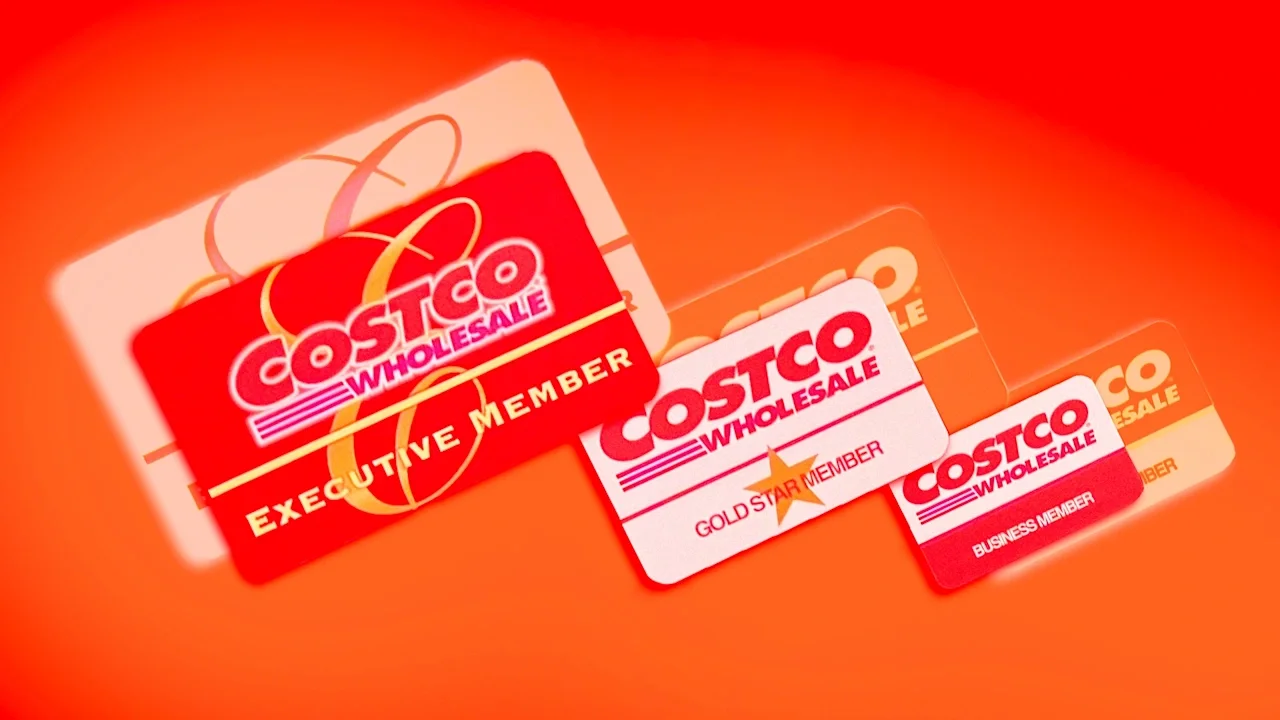
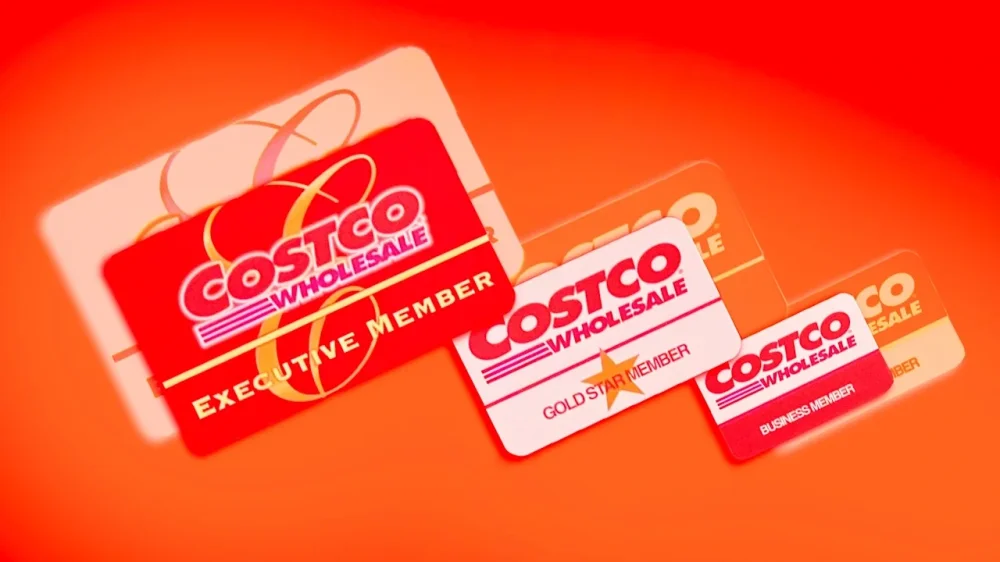
Costco is famously adored by its fans, and its leadership wants the discount big-box chain to remain beloved. Costco co-founder and former CEO James Sinegal so fervently believes in keeping customers happy that he’s driven to profanity to express the strength of his feelings. “You can’t say ‘People are our most important product,’ and hang signs all over the place that say ‘People are our most important product,’ and then treat them like shit…. Your customers or your suppliers are going to see that you don’t really mean it,” he recently told an interviewer. Which is why a recent policy change by the retailer is so fascinating. Starting this month, Costco began enforcing a new benefit for “executive tier” members, who pay $130 annually rather than the $65 for Gold or Businesses membership. Those who pay extra now get an extra hour to shop in relative peace in the morning (except for Saturdays, when they only get an extra half hour), separate from the hoi polloi at the chain’s often crowded stores. It might sound like a small change, but it illustrates not only a key choice business leaders committed to customer happiness, like Sinegal, have to make but also something fascinating about the direction the U.S. economy seems to be heading as a whole. The plus sides of tiered pricing From a straight revenue maximization perspective, the new rules make sense. Executive tier members make up 47 percent of Costco shoppers but drive 73 percent of its revenue. Add to that fierce competition from the likes of Sam’s Club and BJ’s, and locking in more customers with a premium membership is a clear economic win. “Costco’s early-access benefit for Executive Members represents more than a customer perk—it’s a smart application of behavioral economics. By leveraging exclusivity and loss aversion, Costco creates perceived value that can justify the $65 premium between membership tiers,” explains Fortune. “Industry analysts suggest the move could accelerate Executive Membership conversions.” And obviously, the new perks delight many premium members. “It is such a relaxing shopping environment and not survival of the fittest,” enthused one Reddit user. “I could make a return without waiting in the giant line and then went and spent $200 elsewhere. Win, win!” wrote another. Not everyone is happy with Costco’s new policy But for every pleased premium member, there is another shopper unwilling and unable to pay double to shop at Costco. They are not so pleased. “I immediately canceled my membership for a 100 percent refund. The company breached the terms in which I took out the membership. I burned up a gallon of gas to get there at what was the normal time, had trouble walking and no consideration. I was told to wait 1/2 hour. I’ll stick with BJ’s and continue to be treated with respect,” grumbled one on Facebook. Some Costco workers also complained about the move to open earlier to cater to premium members. “We struggle to get open [at] 9:45. I can imagine it’s going to be fun every morning in merchandising,” reads one representative Reddit comment. As Sinegal himself observed, people notice when you don’t treat them with respect. For some employees and customers, a move to tiered membership clearly treats some people with more respect than others. Goodbye middle class, hello premium pricing Only time will tell whether Costco loses more customers like the irate Facebook poster above than it gains from new premium memberships. But other business leaders considering offering premium services that make the experience of their product relatively worse for other customers should be mindful of these tradeoffs. It’s a decision that more and more leaders seem to be weighing. As management consultant Daniel Currell noted in a fascinating essay in The New York Times on the rise of pricey upgrades at Disney theme parks, companies are increasingly looking for ways to cater to—and extract more profit from—their most upmarket customers. More and better data and AI assistance enable companies to target and reach these customers. But the real driving force behind the rising popularity of premium pricing is a fundamental shift in the American economy. “That middle class has so eroded in size and in purchasing power—and the wealth of our top earners has so exploded—that America’s most important market today is its affluent,” he writes. What Costco’s new policy says about the economy Currell observes that while a lot of core economic data, like unemployment and household income levels, have looked good on paper over the last few years, consumers have reported feeling incredibly negative. It’s a puzzle, he says, that may be partially explained by tiered pricing like Costco’s new policy. People notice when you “treat them like shit.” And watching others with more resources literally skip to the front of the queue certainly makes many people feel like shit. It might be good short-term business strategy to say the hell with it, let them stew, and pocket the proceeds. The question of what this bitter dynamic will do to a business—and a nation—longer term remains to be seen. —Jessica Stillman This article originally appeared on Fast Company’s sister publication, Inc. Inc. is the voice of the American entrepreneur. We inspire, inform, and document the most fascinating people in business: the risk-takers, the innovators, and the ultra-driven go-getters that represent the most dynamic force in the American economy. View the full article
-
More than 78% of companies are using AI at work. Much of its use has centered on hiring and recruiting. But AI’s influence is quickly seeping into other parts of doing business. For HR teams that are strapped for resources and with burgeoning demands on their time, AI is significantly reducing the burden of administrative work: More than 90% are already using AI to screen résumés, using the tech to communicate with or evaluate applicants. But now employers are experimenting with plenty of other use cases for AI tools. Fast Company reached out to a number of tech companies to find out how they are deploying AI beyond hiring and recruiting. As one human resources leader put it, many of them have started to view AI as a “copilot for HR operations.” In this Premium story, readers will learn: How AI is becoming the new HR portal Why AI can enhance the much-dreaded performance review process Practical, on-the-ground, achievable methods to integrate AI into your company’s workflow in a way workers actually want Internal HR chatbots At professional services firm Genpact, an AI assistant known as HRpedia serves as the “first port of call” for all HR-related questions. Nearly 40,000 employees have used it—more than half of whom have done so more than once. HRpedia offers advice specific to each person, based on their role and where they are located, and helps field inquiries about a range of employee concerns. “It makes employees’ lives easier by running transactions like checking for leave balances, verifying employment details, or raising a help desk ticket seamlessly,” as well as providing coaching for real-life situations, says Piyush Mehta, the company’s chief human resources officer (CHRO). Genpact has also devised a tool that compiles metrics on attrition, demographics, and compensation, enabling managers to quickly pull relevant data as needed. Other companies have developed similar chatbots that provide quick responses to common—and recurring—questions about paid time off and other benefits. “Open enrollment is a large stressor for many employees,” says Heidi Barnett, who oversees talent acquisition at Isolved, a workforce software management firm. “Our research found that 72% of employees say it’s overwhelming, and over half would consider leaving after a poor experience.” Now that the company has introduced an AI-powered recommendation engine, Isolved employees can get personalized guidance based on their health needs and financial status. At data solutions company Safe Software, workers now have access to a custom benefits GPT, which has been trained on internal documents that outline benefits and company policies. “Not only has this tool minimized the time our team used to spend answering questions, but it [has] enabled our staff to develop a greater understanding of our benefits,” says CHRO Bonnie Alexander. Data suggests that more people do want to use generative AI, like LLM chatbots, at work. According to McKinsey data from earlier this year, more than 40% of U.S. workers want greater access to generative AI tools. Performance management and employee engagement The performance management process can be a source of frustration for employees and managers alike. While HR leaders insist human judgment is critical to those discussions, they also believe AI can address some of the pitfalls of traditional reviews, which are often time-consuming and subjective—and may fail to capture the full picture of an employee’s performance. Isolved, for example, is trying to bolster performance reviews with additional data that the company claims can help mitigate bias. “We’ve integrated AI into our performance management process, where it supplements traditional feedback with data-driven insights,” Barnett says. That could mean incorporating the results of employee engagement surveys or metrics that capture how individual teams are making progress on company-wide goals. When data storage company Pure Storage conducts performance reviews, employees and managers can use the company’s internal AI tools to get a detailed view of all their work, rather than simply focusing on their most recent achievements. That takes the form of a written summary of their work over the course of the calendar year, along with supporting documentation collected by the AI-powered platform Glean. Pure Storage is also investing in an AI coaching service to help managers pinpoint goals and areas of improvement for their direct reports. As employees feel increasingly detached from their work, many companies want to show they are invested in their well-being, which includes acting on feedback they receive through surveys and other mediums. A number of companies say AI has helped them effectively synthesize responses to employee engagement surveys. “AI is becoming a critical tool to both consolidate thousands of different comments, while highlighting trends in ways that could not be done before,” says Sonja Wilkerson, chief people officer at climate tech company Bloom Energy. For AI analytics platform AI Squared, using artificial intelligence in this way has enabled the AI integration company to detect patterns and figure out how to act on employee feedback—for example, determining whether certain pain points or culture issues are more prevalent within a particular team. Career development and upskilling AI has already upended the education sector, for better and for worse. In the workplace, companies are leveraging it to expand learning and development opportunities for their employees. The learning platform at Genpact, known as Genome, analyzes an employee’s portfolio of work and recommends skills like Python or supply chain demand planning, and, in turn, uses that information to surface learning and certification programs that might be a fit. Genome suggested, for example, that a young analyst at Genpact take a learning module for Databricks, the popular data analytics platform that allows companies to keep their proprietary data secure while developing customized AI agents. “She took it, and within weeks, she was applying it on a client project,” Mehta says. That’s the kind of career acceleration AI can and is enabling.” Genpact has also launched AI agents that draw on the expertise of its leaders to help employees navigate challenges that might arise in the course of their work—enabling them to, say, practice client conversations before an important meeting. At Pure Storage, Glean has enabled the company to build new learning and development offerings for its employees by drawing on institutional knowledge. In less than two months, it used Glean’s technology to analyze the marketing of its product launches and create learning modules that cater to employees across the organization, from the sales department to the finance team. The future of AI at work Generative AI has empowered companies to automate routine tasks that require limited human intervention. But looking ahead, many of them are thinking about how they can get more creative with AI, or find new use cases across performance management and employee engagement. Cybersecurity company Arctic Wolf is looking into how AI might be utilized for employee sentiment analysis. Tekion, a cloud-native auto retail platform, intends to use AI to surface new opportunities for its employees and support their career development. And Genpact wants to give managers more data on how their teams are performing, and how that tracks with employee engagement. Mehta contends, “AI will become part of everyday workflows—not something you log into once in a while.” View the full article

-
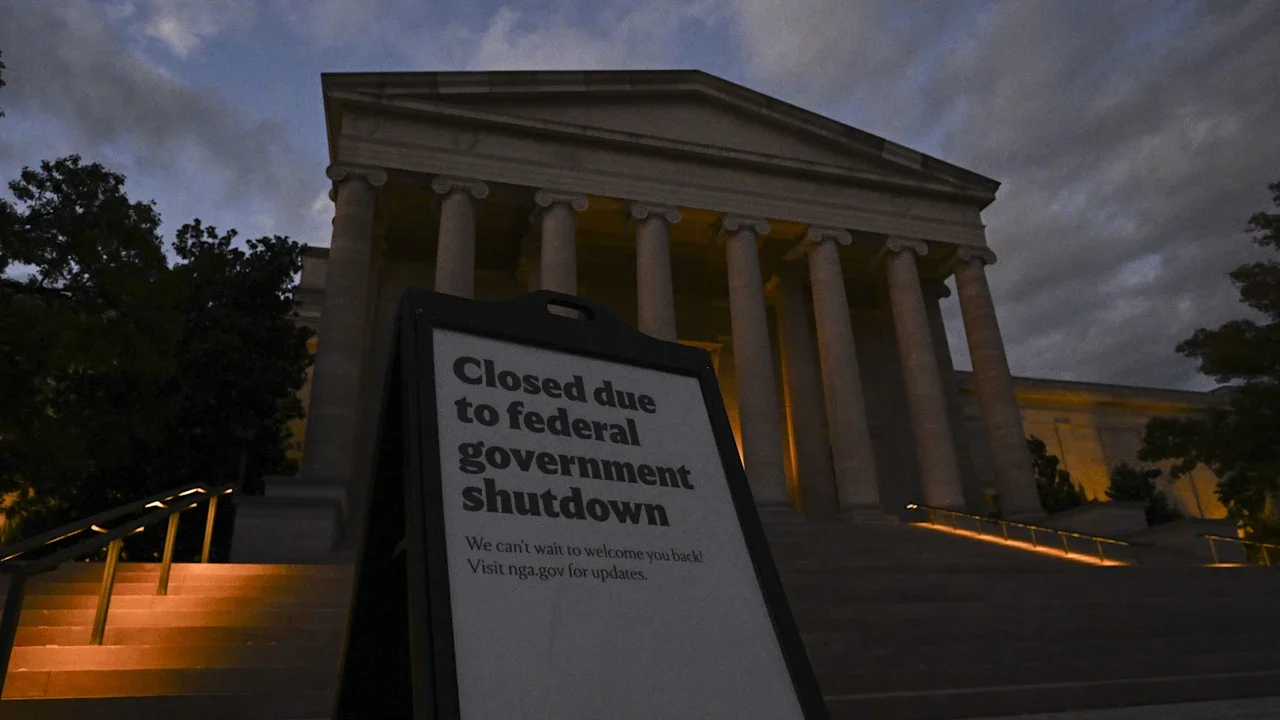
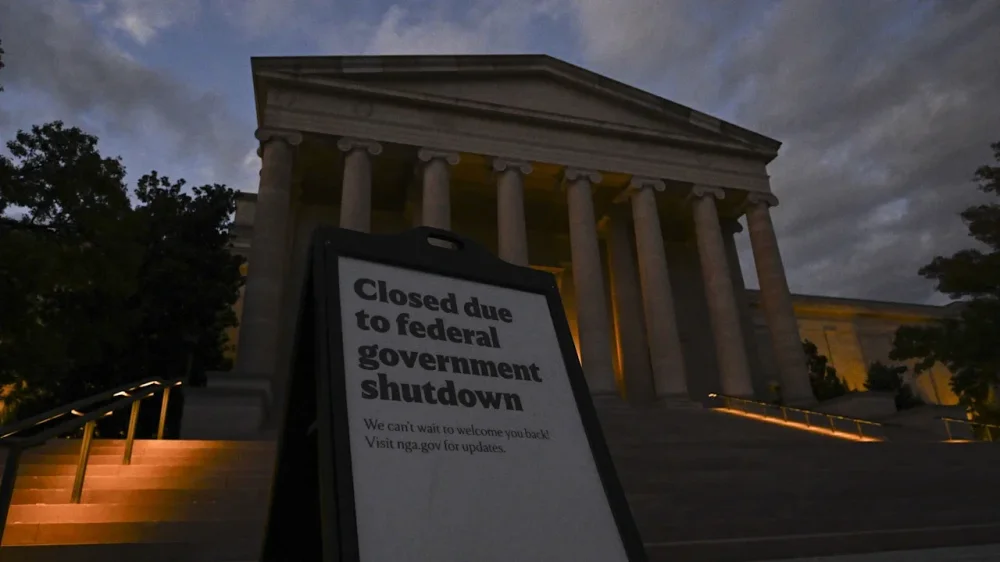
Amid a historic shutdown, the technology that keeps the government running, has, largely, kept running. Official websites are online. Internal software is mostly working. And security experts continue to monitor potential cyberthreats. But as the 35-day closure stretches on, the situation could grow more dire, several current and former government officials told Fast Company, threatening the systems and teams that help support tax filing, healthcare systems, airports, and a lot more. Without new funding from Congress, government IT offices can, in the short term, keep a number of essential workers in the office and draw on other funding sources, like, for example, earnings from selling services to other federal agencies to stay online. Tech teams often rely on contractors to run their platforms, and those contracts are sometimes paid out in advance, providing an extra source of support. (Those resources vary, depending on the agency.) But such stopgaps will last only so long, experts warned. And as the shutdown drags on, desperately needed upgrades to federal tech systems will fall behind, making them a lot harder to run. Tech workers will start looking for jobs in the private sector instead. Keep in mind that the U.S. government already has a hard time managing its tech. Federal agencies are running behind on upgrading websites, improving software, and providing experiences to online users that are not frustratingly horrible. The government is also chronically short on technology workers, including tens of thousands of cybersecurity professionals. Many of the people who leave the private sector to work on government technology take a pay cut, often under the assumption that, at the very least, they’ll have better job security in the public sector. Now the shutdown is slowing down government tech projects and making the prospect of taking a federal job even less appealing. That’s a major threat to the stated goals of the The President administration and the Department of Government Efficiency, which include attracting technology talent, improving government software, and increasing the U.S. government’s use of AI. “Consistent operations are crucial for maintaining a stable and effective workforce across all industries, not just the federal government,” Jenny Mattingley from the Partnership for Public Service told Fast Company. “When employees face financial uncertainty from delayed paychecks during government shutdowns—which is layered on top of substantial workforce cuts this year—it undermines workplace morale and impedes their ability to perform effectively.” She added, “These factors collectively foster conditions that make it difficult to attract and keep skilled technology professionals, which hinders technological advancement and modernization efforts in government.” How shutdowns impact government tech offices Like elsewhere in government during a shutdown, federal IT offices have to select a handful of workers who are considered “essential” to keep software running, one current government official told Fast Company. These include people who focus on keeping applications operational and secure. But this approach has flaws, since it’s relatively easy for a federal agency to lose some critical employees to furlough status while maintaining contractors who are assigned only to “less essential tasks.” Agencies will sometimes keep a list of employee furlough codes and funding sources, which outline whether they’re exempt from a shutdown or supported by another funding source, another government tech official explained. There might also be a separate list of people who are then recalled from furlough to work without pay, though they’re immediately exempt. The administration seems to be exempting more people from the shutdown than usual in order to blunt the impact of the government closure, the official told Fast Company. Agencies do try to anticipate government shutdowns and plans, a former Treasury official said. Federal agencies don’t receive all their funding from congressional appropriations, and sometimes have other funds they can use to keep IT offices open. But as the shutdown drags on, agencies have to prepare for more drastic action. About 25 days into the last government shutdown, the Treasury IT office had begun considering turning off technology platforms used across its employee base, the official said. Projects designed to modernize aging systems, or introduce new technology, are also impacted. A former chief information officer of a federal agency told Fast Company that during the last two government shutdowns, employees focused on core operations, infrastructure, and other support were exempted from the shutdown. But anyone working on new technology development was furloughed. The current shutdown is “compounding delays on critical modernization efforts” and creating “serious impacts” that will only grow, the source said. Similarly, a tech official at the State Department said that while they expect the agency to be okay—given the agency’s dependence on contractors—a shutdown can be “brutal” when there are problems with an “ancient” government app. There are also latent cybersecurity concerns. Theoretically, the government retains the ability to pull employees for an “all hands on deck” situation, one official said. But there can still be risks. For instance, during this shutdown, this official’s team learned of a vulnerability that had to be patched immediately. While the team implemented the fix, it couldn’t communicate with furloughed IT staff who could explain how the update might impact other agency systems. On the one hand, workers are not checking their emails or, more generally, performing government activities, which means they’re less likely to fall victim to phishing attempts, sources told Fast Company. On the other, the shutdown could make the federal government a bigger target. Not paying people could also be a counterintelligence risk, since it becomes easier to offer employees money for information, warned David Nesting, a former White House modernization expert. Shutdown could draw tech workers away Government technology workers, including those who focus on IT, cybersecurity, and artificial intelligence, have typically been paid less than what they would otherwise make in the private sector. The highest-level positions denoted on the General Schedule, the main pay guidance for federal workers, have a base of around $162,000; top tech salaries can be several mutiples of that. Federal agencies have also put a strong emphasis on requiring employees to come back to the office. Still, government roles have always had one big advantage: job security. But shutdowns damage the government’s reputation as a stable workplace. Just like in the private sector, the most experienced and capable experts are the ones who can find work elsewhere first, Nesting said. “There is absolutely a risk that cybersecurity workers will decide, out of necessity, or just getting fed up with the way they’re being treated, that now is the right time for them to consider a career move,” Nesting said. “This creates a huge challenge for agencies trying to retain cybersecurity talent and persuade potential new hires that this won’t happen to them, too, in a year.” Kshemendra Paul, a former government tech official and public administration expert, speaking in his personal capacity, told Fast Company that the past few administrations have seen a deterioration of the federal budget process, which requires both houses of Congress and the president coming together to agree to fund government activity, making shutdowns more likely. Each shutdown further damages employee confidence. “Shutdowns are damaging morale. It increases cynicism, it increases skepticism of change. It makes change initiatives that are aimed at improving cybersecurity, improving information sharing, improving citizen experience, better managing government resources, reducing fraud and waste . . . so much harder,” Paul said. “They’re already hard to begin with in the government, but then it’s like you are working in a pool of molasses.” View the full article
-
Over the years, I have conditioned myself to only be able to focus in 25-minute increments, a timer counting down in my peripheral. The five-minute break following? It’s like a reward. It is now accepted wisdom that taking regular breaks during the workday makes one more productive. How long those breaks should be, however, depends on which productivity method you are subscribed to. Recently, a University of Cambridge mental health researcher has suggested that longer breaks could, in fact, be more effective at tackling those afternoon slumps. “The most productive people work for about 52 minutes at a time and then take 17-minute breaks,” Olivia Remes shared on Instagram. The “52/17 rule” has been around for a while, promising to increase productivity and work-life balance, but Cambridge’s social post has renewed discussion about it. “This is much better than working for long stretches,” adds Remes, who has a PhD degree in public health and primary care from Cambridge. The brain is a muscle that, like every other, can be overstretched. Incessantly being bombarded with emails and Slack messages, juggling calendars and jumping at the Microsoft Teams ringtone, hopping on and off and back on Zoom, and fielding work texts . . . all can cause information and cognitive overload. As many don’t have the option to work less, a number of productivity hacks have emerged instead—from the MTR framework and time blocking to my beloved Pomodoro method. But, even armed with all these hacks and tools, or leaning on AI to take off some of the mental load, it can still feel like an uphill battle to focus even for a few hours a day. That’s why it’s not only important when we take these breaks, but how we take them. Remes says the researchers found that while practicing the 52/17 method, “the most productive people, during their breaks, completely disconnected from technology.” No sneaking in a few emails or scrolling on X or TikTok. “Instead, they completely disconnected and gave themselves a chance to relax and to rest,” she adds. So it’s not just the 17 minutes—it’s how you use them. (Or don’t use them.) Of course, unplugging is easier said than done. Particularly in a work environment that may not offer the flexibility to pause outside of designated break times, or might question why you’re doing a crossword puzzle during the middle of the workday. Even if you can’t set a timer for the entire 17 minutes, stepping away from your desk each hour to get coffee, do a lap around the office, or simply stare out the window and think about what you’ll have for dinner might just make a difference. View the full article

-
Enea's unique and unprecedented approach to offload could represent a breakthrough for operators laser-focused on QoE. Don't miss the webinar. The post Webinar: Intelligent traffic steering between mobile & Wi-Fi networks – featuring Enea appeared first on Wi-Fi NOW Global. View the full article
-
AI search traffic went up 527% in just a year. Here are some more AI SEO statistics—with sources. View the full article
-
Until fairly recently, I admit that YouTube Shorts weren’t a priority in my social media mix. Then I scheduled a YouTube Short for a Buffer blog I was writing, and happened to check the analytics. 1,436 views in just a few days — that’s more than all my other videos combined. Taking a deeper look at my analytics, it’s clear that YouTube Shorts are doing all the heavy lifting: This power performance of these bite-sized videos is not just anecdotal. According to Buffer’s data, engagement on YouTube Shorts is on the rise (from 3.95% to 4.71%), with usage skyrocketing from 5.6K to 147K in just 18 months. YouTube Shorts offer a unique opportunity for creators to reach a wider audience, promote longer videos, and even increase subscribers. Now, the question becomes: what should I post? In this blog, I’ve rounded up 25 YouTube Shorts ideas so that you’re never short (see what I did there?) of content. Jump to a section: 25 ideas for YouTube Shorts What kind of content performs best on YouTube Shorts? Quick tips to help you grow your audience Keep growing your channel, one YouTube Short idea at a time More YouTube resources FAQ 25 YouTube Shorts ideas to boost viewsIf you’re looking for inspiration for your next short-form video, here are 25 creative ideas and content suggestions to help your content stand out and engage viewers in bite-sized bursts. Repurpose content from your Instagram ReelsIf you’re already posting on TikTok or Instagram Reels, you’ve got a head start because you can repurpose existing videos and your best-performing clips to your YouTube channel. Just be sure to adapt your captions, pacing, or audio to fit the YouTube audience and platform best practices. Pro tip: Buffer makes it super easy to cross-post from one convenient dashboard. Here’s the Buffer team celebrating 22 million ARR: On Tiktok On YouTube Shorts Share short clips from your existing YouTube channel videos This one has my name all over it. My shorts strategy is to take short clips from podcast episodes and turn them into shorts. If you’re creating long-form video, extract your most engaging or thought-provoking moments and repackage them as bite-sized teasers. A bonus is that these videos stand alone and encourage viewers to check out the full-length version. Short: Highlight engaging sections from your other long-form content Other long-form videos like podcasts, webinars, and livestreams often contain powerful moments that are worth turning into shorts. And, let’s be honest, not everyone is going to watch the full video of the existing content, so giving your audience quick, digestible takeaways means you can reach more people. Share a typical day in your life Viewers love authenticity. A short “day in the life” gives people a glimpse behind the curtain — the wins, the chaos, the little details that make you human. It’s relatable content that builds trust and a deeper connection with your audience. ⚡️ Pro tip: Hop on the “Imma Be” trend by pairing your content with Black Eyed Peas’ song and a flip transition. Create previews of paid, exclusive content If you offer premium videos, memberships, or courses, use shorts to share quick previews. Tease a key moment or lesson to show the value your paid content delivers. Share behind-the-scenes content Behind-the-scenes moments show the heart of your work and who you are — the process, the bloopers, the not-so-Instagram-worthy efforts behind the final product. Businesses and creators use this format to humanize their brands and give viewers a reason to feel personally connected. Create product showcase and review videos Short, snappy product showcases or reviews work best when you focus on honest impressions and quick takeaways. Show products in action, highlight key features, and share what you genuinely think. Creating content that paysWhen done right, promotional shorts shouldn’t feel like ads, but recommendations from a trusted friend. Use them to highlight what makes your product or partnership genuinely valuable. Better yet, if you’re a brand, partner with a creator who would be a natural fit. Show off your workspace Your workspace says a lot about your personality and process — and people want to see that. A quick tour or update on your setup can inspire others, offer practical ideas, and pique people’s curiosity. As someone who works from home, I’m a sucker for a little workspace sneak peek. Share a how-to video Quick tutorials are among the most-watched shorts formats, so it’s worth seeing if you have a helpful hack to share as a how-to video. Choose one simple topicExplain it clearlyKeep your steps tight and visualShare user-generated contentFeature your fans, followers, or customers in a short. User-generated content celebrates your community and encourages others to join in. It builds a cycle of engagement, authenticity, and trust that algorithms and audiences love. Research by Massive found that 81% of consumers find user-generated content more trustworthy than professionally created branded content or content from influencers. Show a before and after Transformation videos are just so satisfying, am I right? Best of all, before-and-after content can fit almost any niche, from renovations to design projects, fashion, makeup looks, art projects, fitness journeys, or a skill you’ve been practicing. Answer FAQsShort-form frequently asked questions (FAQs) help you connect directly with whatever’s on your audience’s mind. This is a great way to provide value quickly and show you’re actually listening to your community. Brands can also use FAQs to counter common objections and provide more information about their products and services. ⚡️ Pro tip: Pick one question at a time and answer it conversationally. You can also have some fun with your FAQs. The short video below answers a couple of questions, but it made me smile, so I had to share. Share bite-sized information and fun facts about your nichePeople love learning something new, especially when it’s quick and surprising. Share fun facts, insights, or myths about your industry to spark curiosity and start conversations in the comments. (You have to watch this one. Science is fun!) Participate in a viral trend and make it specific to your niche Trends move fast, but the trick is to make them yours. Use viral sounds, challenges, or memes, then layer in your unique angle. And don’t just tap into a trend for the sake of it. Make sure it aligns with your brand and content strategy. ⚡️ Pro tip: Trending video formats (like the “daily lives” short video below) often start on TikTok and Instagram, so keep an eye on those platforms to see what you can repurpose for shorts. ✨Looking to stay on top of the current trends? Check out our lists of the top trending audio on Instagram and TikTok. Create a video series Just like with your favorite TV programme (Survivor, anyone?), consistency + continuity = viewer engagement and anticipation. Video series offer a structured narrative or theme, encouraging viewers to return for each new installment. Turn your Shorts into a consistent series, like “One-Minute Marketing Tips” or “Weekly Design Fix.” Share mini vlogs Mini vlogs are a trending way to tell your story (often in under 60 seconds). All you need to do is capture real-life snippets — a morning routine, a quick project update, an idea, or a day on location — and share them in a relaxed, natural way. Buffer's Kirsti Lang loves vlogging. Here's how she does it on YouTube: Share a personal or business story Your personal journey is powerful and engaging content. Share a quick story about an idea, challenge, lesson learned, or moment of growth. Being open about your experiences humanizes your brand and can inspire others with similar aspirations. Bust a common myth or misconception in your niche Short myth-busting videos are highly shareable because they often surprise people. As an example, start with a bold statement (“You don’t actually need X to do Y”) and then explain the truth clearly and confidently. You can also include on-screen text that spells out “Myth” vs. “Reality.” Complete a challenge or task against the clock Give yourself 30 or 60 seconds to complete a task that’s relevant to your niche. It adds tension and fun, making your video more watchable from start to finish (and we know the YouTube Shorts algorithm loves to see viewers watch to the end). Create a transformation timelapse Timelapses work beautifully in shorts, showing change, motion, and creativity all at once. They’re meant to condense a lot of footage into a short space of time, which makes for great short-form content. ✨For help creating your timelapse content, we rounded up the best video editing software for you.Feature a smart or funny audience commentIf you spend any time in the comments section of YouTube Shorts, you’ll know how hilarious and on-point audiences can be. As a creator or brand, why not showcase your best comments in a comedy skit? Share your YouTube analytics insights in a ShortTransparency is magnetic, so don’t be shy to share what’s working for you — growth tips, view milestones, or lessons learned from your analytics. Conduct street-style interviews with strangers, colleagues, or your audienceAsk one interesting question relevant to your niche and audience, and capture short, spontaneous responses. Of course, always ask for consent before filming or posting anything. Ask a simple, engaging question as a flash poll Pose a one-line question that invites instant participation and encourages comments. When the comment section is alive, it tells the algorithm that people are engaging, which boosts your visibility. What kind of content performs best on YouTube Shorts?Let’s be honest, even goldfish now probably have better attention spans than humans. Here are the five key characteristics that set high-performing short-form videos apart and keep people watching. If you need help with your opener (the most important part), this comprehensive guide to scroll-stopping hooks can help. Engaging video storytellingYes, it’s possible to tell an entire story in just a few seconds. Think of your short like a tiny blockbuster: you need a hook that grabs attention, a quick middle that keeps it fun or surprising, and a satisfying ending. High-quality visuals and audioIf you’re anything like me, blurry footage and muffled sound often leads to a hard swipe. The good news is that you don’t need a Hollywood setup to create decent YouTube Shorts. Natural light, a steady hand (or tripod), and a quick cleanup in your favorite editing app can make your Shorts look *chef’s kiss*. Relatability and authenticityYou know that creator who feels like they could be your funny coworker or your brutally honest bestie? That’s the vibe we’re going for. Viewers love it when you show up as you — in all your unfiltered, imperfect, and totally human glory. There’s no perfect formula for authenticity, so just tell your story, your way. You’ll see this is a common thread in the YouTube Shorts ideas above. Clear call-to-action (CTA)If you don’t tell people what to do next, they’ll just keep scrolling. It’s up to you to guide your audience to take that next step, like: “Hit that like button,” “drop your thoughts below,” or “check out the link for the full story.” Optimization for platform and audienceEach platform’s algorithm is unique, so use your analytics to pay attention to what works: the ideal video length, trending sounds, or how your audience engages. Sprinkle in strong keywords, snappy captions, and a thumbnail that stands out. 🔭There’s no need for the YouTube algorithm to be a complete mystery. Here’s your 2025 guide to the YouTube algorithm (+7 ways to boost your content).Quick tips to help you grow your target audienceKeep your YouTube Shorts ideas in Buffer’s Create SpaceThere’s nothing worse than having an amazing content brainwave and then forgetting it because you didn’t write it down. If you have great ideas for YouTube Shorts but aren’t ready to film and schedule them just yet, you can save your video ideas in your Create Space on your Buffer dashboard. Save time and stress by scheduling your Shorts in advanceAs I mentioned earlier, I’m fairly new to sharing YouTube Shorts. What’s made it manageable for me is batch-scheduling in advance (thanks, Buffer). After recording a podcast series, I normally have four shorts to share (one for each episode). As soon as they’re available, I schedule one to go out per week with a link to the full episode. Sure, I’m not exactly flooding the feed with content, but scheduling one YouTube Short per week keeps me consistent and helps get more eyes on the podcast. 🎬Here are 2 ways to schedule YouTube Shorts in 2025.Post when your target audience is most likely to be onlinePosting your YouTube videos and YouTube Shorts when you’re most likely to get views could give your content the boost it deserves. According to our data, the best time to post YouTube Shorts is Wednesday at 4 p.m., followed by 4 p.m. on Thursday and 4 p.m. on Monday. 👀Looking to get even more eyes on your content? Check out these 13 ways to get more views on YouTube in 2025 (with examples). Keep growing your channel and reaching new audiences with these YouTube Shorts ideasYouTube Shorts are one of the fastest ways to get your content in front of new eyes, and with these 25 ideas for YouTube Shorts at your fingertips, you’ll never run out of inspiration (be sure to bookmark this blog). The real magic, though, comes from showing up consistently. Scheduling shorts is one of the easiest ways to stay on track and grow your channel — and tools like Buffer make it even easier by helping you plan, post, and keep your content flowing and your audience growing. In my previous blog on scheduling YouTube Shorts, I committed to scheduling one piece of short-form content per week, and I’m proud to say that I batch-created and scheduled two months’ worth of Shorts last night. Here’s to more 1,000+ impressions! More YouTube resources 2 Ways to Schedule YouTube Shorts in 2025 13 Ways to Get More Views on YouTube in 2025 (With Examples)A 2025 Guide to the YouTube Algorithm (+7 Ways to Boost Your Content)When is the Best Time to Post on YouTube? We Analyzed 1 Million Videos to Find OutFAQ on YouTube Shorts ideasWhat is the best topic for YouTube Shorts?There’s no one answer to this question because the best topic is one that genuinely connects with your audience. If you’re stuck for video ideas, educational how-tos, quick tips, relatable humor, and behind-the-scenes moments all perform well. When in doubt, just focus on what your viewers care about. How many views on shorts to make $1000?It varies widely. Shorts monetization depends on factors like watch time, audience location, and engagement. Because YouTube shares revenue from Shorts ads across all creators, you typically need millions of views to earn around $1,000. Here’s a guide on how to monetize YouTube Shorts. What kind of content performs best on YouTube Shorts?The YouTube Shorts algorithm looks at average video watch time, overall engagement, and the percentage of viewers who watch instead of swiping away. With this in mind, it’s important to grab your audience’s attention early and keep it. What is the best niche for YouTube Shorts?The best niche is one you can stay consistent with and truly enjoy. Successful content creators often find a sweet spot between what they love, what they know, and what people search for. For example, I’m a freelancer who’s passionate about helping fellow freelancers, so that’s my content niche. What's trending on YouTube Shorts?Trends change fast, so keep an eye on trending audio clips, challenges, and remixable content. Whatever trend train you hop on, make sure it fits your brand, and be sure to add your own content to stand out. View the full article
-
Being a manager is never easy. And if you have never supervised others, the feat can be even more daunting. Managers are often spinning several plates: leading by example, setting and exceeding goals for your team, keeping workflow moving, providing support, and keeping employees motivated, engaged, and productive . . . all while adhering to your company’s objectives. If you haven’t done it before, it can be overwhelming. It’s almost like having to activate an entirely new part of your brain. Luckily, experts say creating “boss brain” is within anyone’s reach, regardless of leadership experience . . . or lack thereof. Listen and react to the feedback of your team To develop a leadership mentality, it doesn’t necessarily start by trying to muster up more confidence. Rather, it can start by simply listening to your new direct reports. Show them that you care. Ask your team specific questions about their well-being, and identify ways to alleviate some of the challenges they are facing. According to the 2025-2026 Aflac WorkForces Report, “fewer than half [48%] of employees believe their employer cares about them, down from 54% in 2024, and nearly 1 in 5 employees [18%] believe their company doesn’t care about their mental health at all,” says Matthew Owenby, chief strategy officer and head of human resources at Aflac in Columbus, Georgia. Part of developing “boss brain” means also developing your empathy muscle. Zero in on direct reports’ individual strengths Another component of a manager’s role is to meet goals. But when you’re first becoming a boss, it helps to get more granular and specific with your direct reports. Discover ways to best leverage people’s individual strengths. And then, share their accomplishments, pointing out to the rest of the organization how their contributions strengthen the team and the overall organization. “Done effectively, this can foster a sense of camaraderie, shared accountability and, ultimately, belonging—which is vital to a healthy and productive workplace,” Owenby adds. The same workplace survey revealed that when employees have a strong sense of purpose, they are more likely to report job satisfaction, be more engaged, have strong relationships with colleagues and superiors, and be less likely to experience workplace stress and burnout—all of which contribute to employee retention, he notes. Recall what it was like not to be a boss As a newly minted boss, you understand the feelings and challenges of being an employee. “Managers who were recently individual contributors have a unique perspective because they can empathize with the employees they are responsible for overseeing,” Owenby says. To develop the “manager mindset,” he says it’s important to zero in on what a manager’s role is: to ensure the team is engaged and that members have what they need to do their best work. After all, you were in their very position not too long ago. Use that insight to your advantage—it’s one that folks who’ve been in leadership for years or decades may be less in touch with. A leadership mentality is “about showing up with purpose, inspiring others, and staying curious about what’s happening outside your bubble,” says Katrina Cole, principal program manager and chief of staff in Total Rewards and Technology Human Resources at AT&T. The transition from team member to boss can be tricky. Cole, who’s based in Plano, Texas, says staying true to yourself is a step in the right direction. “It is definitely a shift, and my advice is to keep the friendships, but be clear about your new role. Set expectations and create boundaries, but continue to lead with empathy.” Take it step by step Sometimes the only way to build leadership skills is to just . . . do it. Build confidence with small daily wins that help your team succeed. Don’t be afraid to ask questions, notes Owenby, as you’re not expected to know everything. “Confidence comes from doing. Every time you coach someone, make a tough call, or drive a result, you are reinforcing your ability to lead,” Cole adds. She says that leadership is a journey, not a destination. “If you’re just starting out, remember that your mindset matters more than your résumé. Lead with purpose, act with urgency, and never stop learning.” Amy Morin, a psychotherapist in Marathon, Florida, and author of 13 Things Mentally Strong People Don’t Do, agrees. “Confidence is gained by taking action,” she emphasizes. “Take small steps toward acting like a confident leader. Every time you do, you begin to shift the way you see yourself. You also shift the way other people see you.” Understand the psychological shift Cole says “boss brain” is a fun phrase, but it’s more than just flipping a switch. It’s about changing how you see your role. “You’re not just responsible for your own work anymore. You’re responsible for helping others succeed and understanding the value of their contributions.” From her experience, Cole says leaders who create space for honest conversations and clear expectations tend to outperform those who rely on authority. “We teach managers to lead from wherever they are, be transparent, and stay adaptable, especially in our fast-moving, market-based culture.” “It’s important to ensure people feel heard and validated,” Morin says. “Asking questions regularly and checking in invites them to discuss issues.” View the full article
-
Below, coauthors Bruce Schneier and Nathan Sanders share five key insights from their new book, Rewiring Democracy: How AI Will Transform Our Politics, Government, and Citizenship. Bruce is a security technologist, teaching at the Harvard Kennedy School and the Munk School at the University of Toronto. He is also a board member of the Electronic Frontier Foundation and Chief of Security Architecture at Inrupt, Inc. Nathan is a data scientist affiliated with Harvard’s Berkman Klein Center. He is focused on making policymaking more participatory, with his research spanning machine learning, astrophysics, public health, environmental justice, and more. What’s the big idea? AI can be used both for and against the public interest within democracies. It is already being used in the governing of nations around the world, and there is no escaping its continued use in the future by leaders, policy makers, and legal enforcers. How we wire AI into democracy today will determine if it becomes a tool of oppression or empowerment. Listen to the audio version of this Book Bite—read by Bruce and Nathan—below, or in the Next Big Idea App. 1. AI’s global democratic impact is already profound It’s been just a few years since ChatGPT stormed into view and AI’s influence has already permeated every democratic process in governments around the world: In 2022, an artist collective in Denmark founded the world’s first political party committed to an AI-generated policy platform. Also in 2022, South Korean politicians running for the presidency were the first to use AI avatars to communicate with voters en masse. In 2023, a Brazilian municipal legislator passed the first enacted law written by AI. In 2024, a U.S. federal court judge started using AI to interpret the plain meaning of words in U.S. law. Also in 2024, the Biden administration disclosed more than two thousand discrete use cases for AI across the agencies of the U.S. federal government. The examples illustrate the diverse uses of AI across citizenship, politics, legislation, the judiciary, and executive administration. Not all of these uses will create lasting change. Some of these will be one-offs. Some are inherently small in scale. Some were publicity stunts. But each use case speaks to a shifting balance of supply and demand that AI will increasingly mediate. Legislators need assistance drafting bills and have limited staff resources, especially at the local and state level. Historically, they have looked to lobbyists and interest groups for help. Increasingly, it’s just as easy for them to use an AI tool. 2. The first places AI will be used are where there is the least public oversight Many of the use cases for AI in governance and politics have vocal objectors. Some make us uncomfortable, especially in the hands of authoritarians or ideological extremists. In some cases, politics will be a regulating force to prevent dangerous uses of AI. Massachusetts has banned the use of AI face recognition in law enforcement because of real concerns voiced by the public about their tendency to encode systems of racial bias. Some of the uses we think might be most impactful are unlikely to be adopted fast because of legitimate concern about their potential to make mistakes, introduce bias, or subvert human agency. AIs could be assistive tools for citizens, acting as their voting proxies to help us weigh in on larger numbers of more complex ballot initiatives, but we know that many will object to anything that verges on AIs being given a vote. “It’s likely that even the thousands of disclosed AI uses in government are only the tip of the iceberg.” But AI will continue to be rapidly adopted in some aspects of democracy, regardless of how the public feels. People within democracies, even those in government jobs, often have great independence. They don’t have to ask anyone if it’s ok to use AI, and they will use it if they see that it benefits them. The Brazilian city councilor who used AI to draft a bill did not ask for anyone’s permission. The U.S. federal judge who used AI to help him interpret law did not have to check with anyone first. And the The President administration seems to be using AI for everything from drafting tariff policies to writing public health reports—with some obvious drawbacks. It’s likely that even the thousands of disclosed AI uses in government are only the tip of the iceberg. These are just the applications that governments have seen fit to share; the ones they think are the best vetted, most likely to persist, or maybe the least controversial to disclose. 3. Elites and authoritarians will use AI to concentrate power Many Westerners point to China as a cautionary tale of how AI could empower autocracy, but the reality is that AI provides structural advantages to entrenched power in democratic governments, too. The nature of automation is that it gives those at the top of a power structure more control over the actions taken at its lower levels. It’s famously hard for newly elected leaders to exert their will over the many layers of human bureaucracies. The civil service is large, unwieldy, and messy. But it’s trivial for an executive to change the parameters and instructions of an AI model being used to automate the systems of government. The dynamic of AI effectuating the concentration of power extends beyond government agencies Over the past five years, Ohio has undertaken a project to do a wholesale revision of its administrative code using AI. The leaders of that project framed it in terms of efficiency and good governance: deleting millions of words of outdated, unnecessary, or redundant language. The same technology could be applied to advance more ideological ends, like purging all statutory language that places burdens on business, neglects to hold businesses accountable, protects some class of people, or fails to protect others. Whether you like or despise automating the enactment of those policies will depend on whether you stand with or are opposed to those in power, and that’s the point. AI gives any faction with power the potential to exert more control over the levers of government. 4. Organizers will find ways to use AI to distribute power instead We don’t have to resign ourselves to a world where AI makes the rich richer and the elite more powerful. This is a technology that can also be wielded by outsiders to help level the playing field. In politics, AI gives upstart and local candidates access to skills and the ability to do work on a scale that used to only be available to well-funded campaigns. In the 2024 cycle, Congressional candidates running against incumbents like Glenn Cook in Georgia and Shamaine Daniels in Pennsylvania used AI to help themselves be everywhere all at once. They used AI to make personalized robocalls to voters, write frequent blog posts, and even generate podcasts in the candidate’s voice. In Japan, a candidate for Governor of Tokyo used an AI avatar to respond to more than eight thousand online questions from voters. “We don’t have to resign ourselves to a world where AI makes the rich richer and the elite more powerful.” Outside of public politics, labor organizers are also leveraging AI to build power. The Worker’s Lab is a U.S. nonprofit developing assistive technologies for labor unions, like AI-enabled apps that help service workers report workplace safety violations. The 2023 Writers Guild of America strike serves as a blueprint for organizers. They won concessions from Hollywood studios that protect their members against being displaced by AI while also winning them guarantees for being able to use AI as assistive tools to their own benefit. 5. The ultimate democratic impact of AI depends on us If you are excited about AI and see the potential for it to make life, and maybe even democracy, better around the world, recognize that there are a lot of people who don’t feel the same way. If you are disturbed about the ways you see AI being used and worried about the future that leads to, recognize that the trajectory we’re on now is not the only one available. The technology of AI itself does not pose an inherent threat to citizens, workers, and the public interest. Like other democratic technologies—voting processes, legislative districts, judicial review—its impacts will depend on how it’s developed, who controls it, and how it’s used. Constituents of democracies should do four things: Reform the technology ecosystem to be more trustworthy, so that AI is developed with more transparency, more guardrails around exploitative use of data, and public oversight. Resist inappropriate uses of AI in government and politics, like facial recognition technologies that automate surveillance and encode inequity. Responsibly use AI in government where it can help improve outcomes, like making government more accessible to people through translation and speeding up administrative decision processes. Renovate the systems of government vulnerable to the disruptive potential of AI’s superhuman capabilities, like political advertising rules that never anticipated deepfakes. These four Rs are how we can rewire our democracy in a way that applies AI to truly benefit the public interest. Enjoy our full library of Book Bites—read by the authors!—in the Next Big Idea App. This article originally appeared in Next Big Idea Club magazine and is reprinted with permission. View the full article
-
Chancellor pledges to take ‘fair choices’ to reduce debt, protect NHS and cut cost of living in BudgetView the full article
-
Most people still measure performance in hours. They pack their calendars as full as possible, track time down to the minute, and take pride in squeezing more into each day. However, the best performance comes from harnessing rhythm—the alignment of energy, capacity, and focus. It’s what turns effort into flow. In the industrial age, managing time made sense: productivity was tethered to factory shifts and desk schedules. But in today’s BANI—brittle, anxious, nonlinear, incomprehensible—world, hours spent no longer translate neatly into value created. The leaders who thrive now are those who sense and harness the rhythms of their team. Energy rises and falls across the day. Caregiving cycles alter capacity. Strategies unfold in waves of preparation, concentration, and delivery. When these rhythms reinforce one another, performance compounds; when they diverge, even the most talented teams struggle. The challenge is that most of these clashes remain invisible. We think they’re the result of individual personality traits or bad luck. The reality is that they’re systemic patterns that quietly drain performance. Here are the three invisible problems affecting your team, along with strategies for addressing them. 1. Biological misalignment It’s 8:30 a.m. and the leadership team gathers for its weekly meeting. The Early Birds are full of energy and ready to make decisions. The Night Owls are still warming up and contribute less than they could. By midafternoon, the balance shifts, yet decisions have already been made. Every team includes a range of chronotypes. Some people do their clearest thinking before breakfast; others hit their creative peak late in the day. Standard nine-to-five routines privilege one end of that spectrum and leave the rest operating below their best. Chronobiology research highlights the effect. Social jetlag, the mismatch between biological and social clocks, impairs alertness and cognitive function. Teams experience more rework, slower problem-solving, and thinner creativity when the shared schedule maps poorly to people’s natural peaks. AbbVie Norway, part of the global biopharmaceutical company AbbVie, set out to improve low employee satisfaction with work-life balance and strengthen its ability to attract and retain top talent. Leaders restructured work design so employees could align their hours with their natural rhythms, holding meetings only between 10 a.m. and 4 p.m. and allowing full flexibility as long as results were delivered. The changes paid off—turnover and sick leave dropped sharply, work-life balance satisfaction rose from 58% to 95%, and AbbVie Norway has been named one of Norway’s Best Workplaces multiple times by Great Place to Work. What to do when biology and schedule pull apart Rotate the clock: alternate early and later starts for recurring meetings. Separate information from decisions: share context asynchronously; save live sessions for debate and commitment. Map energy windows: ask people to mark their sharpest 90–120 minute blocks and protect them. Design quiet blocks: build in predictable meeting-free hours each week. Publish your own rhythm: when leaders model their preferred windows, others feel safe to do the same. The payoff comes in the form of increased participation, high-quality ideas, and better decisions. Teams spend more time progressing the work and less time recovering from poorly timed interactions. 2. Life-stage and relationship cycles It’s Wednesday afternoon, three weeks before the launch. A product lead is caring for an aging parent. A colleague is coparenting a toddler with alternate-week custody. Both are very committed and highly skilled. Both have a capacity that ebbs and flows in cycles that their work plan doesn’t account for. As a result, there’s a buildup of unnecessary stress, and cracks start to appear in their relationship. Capacity rarely follows a flat line. Parenting schedules, eldercare demands, study commitments, personal health, and community roles all create repeating patterns. Teams thrive when these patterns are visible and part of planning. Our own work carries this reality. Camilla alternates between weeks of intense caregiving and weeks with greater availability. David structures his day around defined windows of care for his disabled son. These rhythms shape when deep work and collaboration can happen, and they strengthen performance when leaders plan accordingly. In 2011, the Norwegian Association of Lawyers began a cultural transformation to align work hours with employees’ natural rhythms and personal responsibilities. Led by Secretary General Magne Skram Hegerberg and supported by the Life Navigation framework, the organization symbolically buried its wall-mounted clock-in machine, replacing rigid time-tracking with a focus on outcomes and skills. Employees were encouraged to align their working hours with their chronotypes and caregiving needs, with start times ranging from 6:30 a.m. to 2:30 p.m. Productivity doubled in some areas, and creativity and problem-solving flourished. To make peak energy hours visible, some employees even used a plush toy frog on their desk to signal “do not disturb.” What to do when life rhythms shape capacity Sequence the load: assign heavier tasks to higher-capacity weeks. Create coverage by design: pair people or build small pools for critical responsibilities. Signal the cycle: encourage sharing of simple, recurring capacity patterns. Match work mode to the week: plan collaboration-heavy activities for higher-capacity periods. Build recovery in public: name decompression phases so rest appears as part of the plan. The payoff comes in the form of higher loyalty, sustained delivery, and less firefighting. People stay, grow, and contribute at a high level across various life stages, rather than stepping away. 3. Strategic mistiming It’s Friday morning at the quarter’s end. Finance is closing the books, sales is finishing a sprint, and HR is finalizing reviews. Then the C-Suite leadership unveils a flagship initiative and asks for all hands on deck. The purpose of the initiative is strong, but its launch comes at the lowest energy point of the team’s cycle. Organizational habits often set the drumbeat: quarter-end pushes, annual summits, weekly status rituals. Strategy, meanwhile, moves in waves that benefit from different kinds of energy—exploration and framing, concentrated build, high-tempo collaboration, delivery, and learning. Peak efforts flourish when the strategic wave and human energy crest together. At GuldBoSund, a nursing home and rehabilitation center in Denmark, staff redesigned daily routines around residents’ preferred rhythms rather than a fixed schedule. One resident enjoys coffee and breakfast at 5:30 a.m., while others sleep until 9:30. Staff also adjusted their own shifts to better match their personal energy cycles, coordinating care so that residents’ needs were always met. The outcome: residents experienced higher quality of life, and staff took fewer than two sick days a year on average—including night-shift workers. The example shows that when human rhythms are respected, well-being and performance strengthen each other. What to do when timing blunts strategy Plot an energy calendar: map recurring highs and lows and overlay strategy waves. Concentrate the peaks: design a few shared surges instead of scattering intensity. Stage the build: use short “rhythm sprints” before high-stakes moments, then cooldowns to consolidate learning. Anchor the why for co-location: mark the specific moments when being in-person creates outsized value. Measure cadence as well as milestones: track rhythm health with metrics such as rework, decision latency, and recovery time. The payoff comes in the form of stronger execution at the moments that matter, with a team resilient enough to repeat success across cycles. Make the invisible visible: a mini-playbook Rhythm becomes central to team performance once it becomes visible. Leaders can set the tone with a few simple practices: Rhythm mapping. Run a short survey or whiteboard session that asks three questions: When does focus feel strongest? When does collaboration feel easiest? Where do we lose flow? Turn the answers into a one-page map for the team. Shared cadence charter. Agree the weekly and monthly rhythm: deep-work spans, meeting windows, response expectations, and decision rituals. Keep it light and visible; update as the work evolves. Quarterly rhythm review. Look back on the past cycle: Where did energy surge or dip? What clashed? What flowed? Adjust the next cycle accordingly. Leader rhythm transparency. Publish your own focus windows, collaboration preferences, and recovery practices. Model the behaviour you want the team to adopt. Recovery as a capability. Teach practical reset rituals, such as after-action reviews that end with gratitude, shorter meetings with clear outcomes, brief meeting-free blocks after launches, and flexible Fridays during lower-demand periods. These moves require little budget and deliver immediate benefits: clearer attention, fewer collisions, and more consistent progress. The leadership edge The three invisible problems—biological misalignment, life-stage and relationship cycles, and strategic mistiming—act as a significant drag on the performance of teams. Rhythm-aware leadership treats energy, capacity, and timing as strategic assets. It sets the conditions for wiser decisions, leaps of innovation, and a sustainable pace of working. Organizations that move in rhythm build trust faster, integrate new technology more smoothly, and retain the people they need for the long run. Managing time sharpens efficiency. Leading with rhythm creates a strategic advantage. The best leaders combine both. View the full article

-
World’s largest sovereign wealth fund is a top-10 investor at US electric vehicle makerView the full article
-
Collapse of automotive parts supplier puts spotlight on arcane practice of working capital finance View the full article
-
It’s five answers to five questions. Here we go… 1. Should you put fan fiction on your resume? I saw someone online saying that they write fan fiction at Ao3 and so on their resume they put “independent fiction writer” or “independent online publishing project” without explaining what they write or that it’s at Ao3. They say that if you’re asked about it in an interview, you can answer with, “I prefer to keep my personal creative work separate from my professional identity, but I’ve used it as a way to improve my writing, editing, and consistency over time.” This seems like a really bad idea to me, but is it? Yes, it’s a bad idea. If you prefer to keep your personal creative work separate from your professional identity, then you shouldn’t put it on your resume! Anything on your resume is assumed to be fair game for interviewers to ask about, since by definition you’re offering it up as evidence of your qualifications — so if you then refuse to discuss it, it’s going to come across really badly. Moreover, the fact that you’ve written things isn’t in itself a qualification; they need to see that it’s good writing, by seeing samples of it or at least by seeing that it was vetted and published by someone qualified to judge it. So at an absolute minimum it won’t help you at all — because for all they know the writing doesn’t really exist, since you’re not willing to talk about it (thereby negating the point of including it in the first place) — but beyond that it likely to actively count against you by making you look shady or just … off. 2. My boss told me what I did was “unacceptable” I work as a middle manager in a large corporation. A few weeks ago, I received a notification that an intern we were expecting wouldn’t be available for a few more weeks. I flagged it for my manager, received his approval, and approved as well. My manager is now on leave until the end of the year, and his manager has been the new go-to. During my weekly update, I included this request/approval, and it was not received well. My grandboss told me it was unacceptable that I had not included details about this intern’s delay sooner. He asked to see the request itself and where my boss had provided approval. I sent those over right away and realized that when I sent the notice to my boss, I had sent the entire request but hadn’t been super clear about how long the delay would be. I said this to my grandboss and apologized. I admit that I shut down after hearing him call my mistake unacceptable. Every explanation I had just seemed like an excuse, so I gave short answers. He insinuated that I had not read the email in full, because how else would I think this wasn’t a huge deal, and commented on how this proves what he’s been saying and that I needed leadership training. (This was news to me.) I have no problem owning a mistake, and I understand that I am ultimately the one at fault. But I am at a loss on how I could have responded in this situation that would allow me to stand up for myself while also accepting the mistake. It seems as though he just wanted me to grovel. My boss had not flagged any performance issues with me, but I’m concerned this indicates that my work is seen as poor. This is not the first time I have worked directly with my grandboss. Before this, I would have said we had a good working relationship. Any tips on how I could have handled this better? Do I approach him again? Do I bring this up when my manager returns? How big a deal is it actually that an intern is starting a few weeks later than planned? Interns aren’t usually crucial to business operations, and a few weeks delay in anyone’s start date isn’t normally a disaster unless they need to immediately take on essential, time-sensitive work (which isn’t typically the case for interns). So first, do you even agree with your grandboss that this is a big deal? Would your boss agree, if she knew about it? Does your boss’s boss have a history of overreacting to things? Or of being super controlling (and so his ire here might be more about not being kept in the loop on something relatively minor, rather than about the delay itself)? Because this sounds fundamentally like a weird reaction. Separate from that, though, I’m not sure exactly what you shutting down and giving short answers looked like, but it’s possible that it came across differently than you’d want — such as uninvested, unconcerned, or even rude. Ideally you’d have said, “I didn’t think pushing out the start date by a few weeks would interfere with any projects, and since I thought Jane was looped in, I didn’t realize it was something I should flag for you earlier. I’ll handle anything like that differently going forward.” You could still say that now, but more important is probably talking with your boss when he returns, explaining what happened, and asking for his help in understanding where his boss was coming from, what that leadership training comment was about, and whether there are issues with how your grandboss sees your work more broadly (because his comments implied that, and that’s something you’ve got to dig into now). 3. My former boss is telling people I was fired for working 2 jobs — I wasn’t I was heavily recruited to join a company earlier this year. Shortly after I started, I knew it was a mistake. My training was passed off to other (overworked) members of my team who had no time, the manager of my team was always unavailable for questions, and the whole environment was toxic and unstable. My one-on-one meetings with my boss were either canceled or only a few minutes long, with a “you’re doing fine!” I poured a ton of time and effort in to get up to speed quickly but, after only a few months, had an abrupt meeting put on my calendar with the manager and HR to let me know I wasn’t a good fit. Although unexpected, I was definitely not heartbroken to leave the chaos behind. My issue is that I have remained friends with several of my colleagues who still work there, and one let me know that today in an all-hands meeting, that manager said I was let go because I was working two jobs at once, which absolutely was not true. That job took up so much time, there was no way I could have juggled two jobs even if I had wanted to. I’m puzzled as to why she would make up this lie, and why she would bring it up now to the entire team after I’ve been gone for six months. It’s really bothering me, but I’m thinking it’s not worth addressing with her. Thoughts? It’s worth addressing; she’s spreading false information about you! It’s possible that it’s intentional, or maybe things are so chaotic there that she’s confusing you with someone else, or maybe she really thought that for some reason — who knows. But it’s reasonable to email her, cc’ing HR, and saying something like, “I’ve been alerted that you’re telling employees that I was fired for working two jobs at once, which is unequivocally not the case. I did my best while I was there and was disappointed when it didn’t work out, and I am requesting confirmation from the company that you are not misrepresenting the circumstances of my departure.” Alternately, skip the manager and just send it straight to HR. You could also have a lawyer handle this for you, pointing out that lying about the facts of your firing is defamation, but I don’t know that it’s worth paying a lawyer to deal with it unless you also plan on using this company as a reference, which I’m guessing you don’t. 4. I don’t know if my office has anywhere private for me to pump I work in a very small department of a large organization, and I’ll be going on maternity leave in January. I know that when I return, legally my job has to provide me with a space to pump that is available when I need it, private/not accessible to the public or coworkers, and not the bathroom. The big issue I’m seeing: there’s really no space that meets those requirements in our small, quirky, historical building. While some people have offices with doors that shut, those coworkers all work busy and unpredictable schedules with lots of virtual meetings, and I don’t think that booting a coworker out of their office would work other than in a pinch very occasionally. Our conference rooms all have glass doors, and we don’t even have a supply closet or break room I could use. I know that there is a chance my plans for pumping/breastfeeding don’t work out, but I am wondering if this is an issue I should raise now, or wait until the beginning of the year (but at least six weeks before my return date) when I have a better idea if this is an accommodation I’ll actually need? I generally like to try and problem solve before bringing something to my boss, but right now my only options are to request that some not insignificant work be done in our building to create a space for me (very unlikely to happen due to budget constraints), request that they provide a room for me elsewhere on campus (okay but not appealing because I’d have to walk 5-10 minutes to another building each time I needed to pump), or request a work-from-home accommodation/hybrid schedule due to pumping (which I’d love and I’ll have childcare so that wouldn’t be a conflict, but I doubt would be granted even though my work could be done remotely and I’d be willing to come in a few hours a day). For what it’s worth, I do think our HR department is very reasonable on most things, but this is not an issue where I can think up a simple solution that will make everyone happy. The simplest solution would be to make one of the conference rooms private by covering the glass in the door. It’s not on you to solve — it’s up to them to figure out how to meet their legal obligations — but it does make sense to ask about it now so they have time to come up with solutions. When you do, you can say, “I’m not sure what’s available as a private space, but one idea I had was to cover the glass on one of the conference rooms for privacy and use that.” (Also, if that is what they settle on, make sure there’s a system for ensuring it remains available to you; a covered glass window won’t matter if the room is in use when you need it.) 5. Can I avoid my boss at the company party? Is it really necessary to spend time with your manager at a company’s casual party? The management has been horrible with me by giving me two people’s worth of work and then deducting my bonus because I couldn’t action it all on time. I only want to say “hi, how are you?” and that’s it. But last year when I did that, he said people noticed and a big drama could be caused. Could there be any problems or HR-related issues for me if I avoid him? I cannot leave the job for at the moment. Normally it would be absolutely fine and unremarkable to just pleasantly greet your manager at a party but not hang out talking to him, unless you’re doing something that makes it very obvious that you’re going out of your way to avoid him like ignoring him in a three-person conversation or otherwise pointedly snubbing him. If nothing like that happened, it’s extremely odd that he even noticed it, let alone that it caused drama! That said, if he complained about it last year, then your life will probably be easier if you spend five minutes talking with him this year before excusing yourself to get a drink and then just happening to find yourself in conversation with people who are not him for the rest of the party. HIs behavior is weird, but there’s no gain in standing on principle if a five-minute conversation will satisfy him. The post should you put fan fiction on your resume, can I avoid my boss at the company party, and more appeared first on Ask a Manager. View the full article
-
Some investors grow concerned that region’s markets could be hit by downturn in US tech sectorView the full article