ResidentialBusiness
Administrators
-
Joined
-
Last visited
Everything posted by ResidentialBusiness
-
 As more and more drivers purchase electric vehicles, some people have voiced concerns about how the EV boom could further strain our aging, stressed electricity grid. More EVs means more electricity demand, which could require costly infrastructure upgrades or limit when drivers can charge if demand is too high. But one long-talked about promise of EVs is that they could actually make our electricity grid more resilient. Through bidirectional charging, EVs could essentially act as batteries parked outside your home, powering houses so that they don’t need to rely on outside electricity. They could also even send energy back to the grid. A handful of EVs can already power your home during an outage, including the Ford F-150 Lightning. And Ford is expanding how its EV drivers can take advantage of bidirectional charging. Through its Home Power Management program, F-150 Lightning owners can use their trucks to power their homes when electricity prices from the grid are high, easing energy burdens and saving people money on their monthly bills. It also gives customers the ability to send energy from the trucks back to the grid, in some instances earning them money from their electricity company for doing so. “We see an opportunity here where our vehicles can be part of the solution rather than compounding the problem,” Dave McCreadie, director of Ford’s EV-Grid Integration Strategy and Business Development, said during a recent press briefing on the program. The rollout is currently limited, but Ford expects to expand a Home Power Management pilot in 2026. At a time when EV sales are lagging and EV tax credits have expired—and as homeowners across the country are seeing their energy bills increase—Ford hopes potential customers see these features as another benefit to owning an EV. A personal power plant to lower energy bills Backup power has been a feature in the F-150 Lightning since its release in 2022. After major hurricanes like Helene in North Carolina and Beryl in Texas, F-150 Lightning owners used their trucks as generators, allowing them to keep the lights on and the refrigerator running when the power went out. A fully charged F-150 Lightning can power a home for three days; if that power is rationed, it can last up to 10 days. Backup power only works when the grid goes down. Home Power Management, however, allows EV owners to use their trucks to power their homes even when the grid is up and running. The idea is that customers can charge their EVs overnight during offpeak hours, when electricity rates are low. Then, when demand peaks and rates go up, they can use their EV to power their homes. That both offsets a homeowner’s electricity bills and frees up power from the grid to go elsewhere. The home in question is now essentially “invisible” to the grid, the automaker explains. In June 2024, Ford partnered with Baltimore Gas & Electric (BGE) and Sunrun, a home solar and battery company, to launch the country’s first vehicle-to-home pilot program, allowing EV owners to use their vehicles to power their homes anytime, not just during an outage. Brian Foreman, an F-150 Lightning owner in Highland, Maryland, was the first customer to do so, essentially turning his EV into his own personal power plant. Ford didn’t share exactly how much Foreman saved on his electricity bills, but says that customers can save an average of $42 per month, or $500 per year, by using the vehicle-to-home capability. “When most people would be concerned, ‘I’ve got an electric vehicle, my electricity bill is going to go up,’ well now you have this offset. Your vehicle is actually working for you in your driveway while it’s parked,” said Ryan O’Gorman, senior manager of energy services business strategy and delivery at Ford. Brian Foreman Sending energy to the grid—and making money In the summer of 2025, Foreman joined two other BGE customers for another pilot, this time one that allowed customers to use their F-150 Lightnings to send power to the grid. This turns the EVs into “distributed power plants,” per the utility company, which also paid customers for the energy they shared. Instead of just saving customers money on their electricity bills, this next step in Ford’s Home Power Management program lets EV owners make money through their EVs. The participants could earn up to $1,000 for the power they provided between July and September. Using your F-150 Lightning to power your home during peak energy demand or to send power to the grid does require extra equipment: an inverter called the Home Integration System, created by Ford and Sunrun. That equipment is also needed if you want to use your truck to provide backup power during an outage, so some customers already have it installed. The Home Integration System costs $3,895, and installation can be another $3,000, though those prices vary. That expense is on top of the price to buy and install a home EV charger. Some Ford customers received a free charger and installation through the automaker’s Ford Power Promise program, but for those that missed out on that opportunity, a level 2 Ford Charge Station Pro costs another $1,310 plus installation, which can vary from $200 to $1,000, depending on any wiring upgrades your home needs. That means there is an upfront cost to eventually being able to offset your energy bills or make money by providing power through your EV. But Ford says its F-150 Lightning is cost competitive to buying a 10-kilowatt stationary backup generator for your home—plus, it’s a generator you can drive around. Looking ahead for Ford Currently, a handful of customers in just nine states are using Ford’s Home Power Management capabilities, including Maryland, Georgia (where Ford did a six-month pilot program with energy provider Southern Company focused on commercial fleets), and Vermont (where energy expert Peter Schneider tested the program with Ford, using it to power his home, and reduce grid strain, during extreme heat there this past summer). Getting this system set up requires working with utility companies, which have to provide approval and permits for EVs to be interconnected with the grid in these ways. Automakers also work with utilities to communicate about peak demand, with software that automatically charges an EV at grid-friendly times. “Ford trying to maintain communications with hundreds and even thousands of electric utilities across the country is an untenable business solution,” McCreadie said. “We found that other automakers were having the same problem.” Ford worked with BMW and Honda to create ChargeScape, a joint venture that launched in 2024, which basically acts as “connective tissue,” McCreadie explained, to link utilities and automakers, and integrate EVs into the grid. Though vehicle-to-home and vehicle-to-grid charging is a goal for the EV industry at large, Ford says it’s ahead of the pack with its recent pilot programs. Ford and Michigan-based DTE Energy have also recently launched a new program piloting the vehicle-to-home capabilities, starting with a group of 15 Ford employees. Through that pilot, DTE Energy will pay participants for using their EVs to power their homes during times of high electricity demand. But EV owners don’t have to do anything themselves; the system is entirely automated. DTE Energy will send notifications to ChargeScape to schedule when participants EV’s provide power for their homes. Though it’s only available to Ford employees right now, the automaker says it’s working with DTE to hopefully expand the program to the general public later on in 2026. View the full article
-
You know a theory is janky when even its Wikipedia page has “(pseudoscience)” in its title. That’s the case with so-called “biorhythms,” or periods of 23, 28, and 33 days that supposedly predict how mentally, physically, and actively on-point you’ll be on any given day. The concept of biorhythms is all over social media and has been for years, so you might think there's some legitimacy to it, but it's essentially hogwash. There are, however, other ways to track your “peaks” in productivity that are more scientifically sound. The difference between a biorhythm and circadian rhythmThe idea behind biorhythms is that over the course of month-long periods, your physical, emotional, and intellectual aptitudes fluctuate rhythmically, up and down, so you should be attuned to your personal schedule and act when each of them is at the top of one of its cycles. The first problem here is pretty obvious: Not only does this thinking dictate that you can or should be productive only once a month or so, but it gives you permission to coast when you perceive yourself to be on the low end of one of these so-called rhythms. If you're patiently waiting for a biorhythm to spike, your responsibilities and tasks can add up, which will leave you with a bunch of stuff to do—and much of it, left alone for so long, will likely have become urgent. Scientists have looked into this and deemed it balderdash, but the enduring belief in this phenomenon has led to some money grabs wherein influencers or other hucksters try to sell you products that can help you “hack” your own biorhythm to maximize your energy, productivity, and happiness. Now, you might have heard of circadian rhythms and assumed biorhythms are roughly the same thing. In fact, they're quite different. Per the National Institute of General Medical Sciences, circadian rhythms are the physical, mental, and behavioral changes that flow along a day-long cycle and they’re triggered by light and dark. There’s a whole science behind it (chronobiology), but what it amounts to is this: You get tired when it gets darker, your body sleeps at night, and you should be awake in daylight to get stuff done, ideally feeling alert. You can put a lot of energy into “hacking” your rhythm, but it’s all the obvious stuff: Sleep at night, don’t exert yourself or look at your phone before bed, go outside in the morning, stick to a schedule, etc. Biorhythms aren’t real, but circadian rhythms are. You’ll be more productive if you get consistent and good sleep. You don’t need to track peaks and valleys or subscribe to hokey apps to master this. Instead, focus on getting quality sleep and maximizing what you are doing during those precious daylight hours. If you're still looking for a structure to fill the void left by the false promise of biorhythms, let's get into the Yerkes-Dodson Law. The Yerkes-Dodson lawSome peaks and valleys are worth tapping into. The Yerkes-Dodson law models the relationship between stress levels and performance, showing how experiencing some stress and urgency can make you more productive. It’s been around since 1908, when psychologists Robert Yerkes and John Dillingham Dodson discovered it, and looks like a curve when it’s mapped out on a matrix, just like supposed “biorhythms” do. It looks like an upside-down U; on the left, you have your low-stress moments, on the right you have your high-stress moments, and in the middle, you have your peak, or the time when you’re just stressed enough to be productive but not totally overwhelmed. The Y-axis shows peak performance at the top and worst performance at the bottom, so you’ll notice that your poor performance times are aligned with having too little and too much stress. When you don’t have enough stress, you’ll be uninterested in your task. When you have too much, you’ll be too anxious to get it done well. The hypothesis Yerkes and Dodson came up with came around after studying the effects of electric shocks on mice’s ability to perform tasks. As stress increases, ability also increases—to an extent—because you have motivation. So there is, in fact, a "rhythm" that counts for something, and that's the way your interest and stress fluctuate. You don't need to spend any money on an app or self-help book, but you should pay attention to how interested you are in a task at a given time—plus how motivated you feel in that moment. When no one is coming over to visit, for instance, you probably aren't as interested in cleaning your house as you would be if their arrival was in a day. You don't have stress or urgency. On the other hand, if they were arriving in 30 minutes and your place was a mess, you'd be so stressed you might not know where to start. The peak time to clean, then, might be the morning before they get there. You're interested and motivated, but not freaking out. Apply that same thinking to any task you need to accomplish. Pay close attention to how you feel in the lead-up to doing it so you can identify your own peak stress and peak productivity times. It helps to prioritize your to-dos and schedule your days and weeks thoroughly. Parkinson's Law goes hand in hand with Yerkes-Dodson, for instance. It says that the longer you give yourself to do something, the longer you'll naturally take to get it done, so you should give yourself less time overall. Having a smaller window in which to work on pressing tasks will up the urgency, aligning you more with the peak of Yerkes-Dodson. Pre-plan your weeks using prioritization techniques like the Eisenhower Matrix and task batching, thinking about when you'll have just the right amount of urgency to motivate you to do each task. View the full article
-
AI tools can help teams move faster than ever – but speed alone isn’t a strategy. As more marketers rely on LLMs to help create and optimize content, credibility becomes the true differentiator. And as AI systems decide which information to trust, quality signals like accuracy, expertise, and authority matter more than ever. It’s not just what you write but how you structure it. AI-driven search rewards clear answers, strong organization, and content it can easily interpret. This article highlights key strategies for smarter AI workflows – from governance and training to editorial oversight – so your content remains accurate, authoritative, and unmistakably human. Create an AI usage policy More than half of marketers are using AI for creative endeavors like content creation, IAB reports. Still, AI policies are not always the norm. Your organization will benefit from clear boundaries and expectations. Creating policies for AI use ensures consistency and accountability. Only 7% of companies using genAI in marketing have a full-blown governance framework, according to SAS. However, 63% invest in creating policies that govern how generative AI is used across the organization. Source- “Marketers and GenAI- Diving Into the Shallow End,” SAS Even a simple, one-page policy can prevent major mistakes and unify efforts across teams that may be doing things differently. As Cathy McPhillips, chief growth officer at the Marketing Artificial Intelligence Institute, puts it: “If one team uses ChatGPT while others work with Jasper or Writer, for instance, governance decisions can become very fragmented and challenging to manage. You’d need to keep track of who’s using which tools, what data they’re inputting, and what guidance they’ll need to follow to protect your brand’s intellectual property.” So drafting an internal policy sets expectations for AI use in the organization (or at least the creative teams). When creating a policy, consider the following guidelines: What the review process for AI-created content looks like. When and how to disclose AI involvement in content creation. How to protect proprietary information (not uploading confidential or client information into AI tools). Which AI tools are approved for use, and how to request access to new ones. How to log or report problems. Logically, the policy will evolve as the technology and regulations change. Keep content anchored in people-first principles It can be easy to fall into the trap of believing AI-generated content is good because it reads well. LLMs are great at predicting the next best sentence and making it sound convincing. But reviewing each sentence, paragraph, and the overall structure with a critical eye is absolutely necessary. Think: Would an expert say it like that? Would you normally write like that? Does it offer the depth of human experience that it should? “People-first content,” as Google puts it, is really just thinking about the end user and whether what you are putting into the world is adding value. Any LLM can create mediocre content, and any marketer can publish it. And that’s the problem. People-first content aligns with Google’s E-E-A-T framework, which outlines the characteristics of high-quality, trustworthy content. E-E-A-T isn’t a novel idea, but it’s increasingly relevant in a world where AI systems need to determine if your content is good enough to be included in search. According to evidence in U.S. v. Google LLC, we see quality remains central to ranking: “RankEmbed and its later iteration RankEmbedBERT are ranking models that rely on two main sources of data: [redacted]% of 70 days of search logs plus scores generated by human raters and used by Google to measure the quality of organic search results.” Source: U.S. v. Google LLC court documentation It suggests that the same quality factors reflected in E-E-A-T likely influence how AI systems assess which pages are trustworthy enough to ground their answers. So what does E-E-A-T look like practically when working with AI content? You can: Review Google’s list of questions related to quality content: Keep these in mind before and after content creation. Demonstrate firsthand experience through personal insights, examples, and practical guidance: Weave these insights into AI output to add a human touch. Use reliable sources and data to substantiate claims: If you’re using LLMs for research, fact-check in real time to ensure the best sources. Insert authoritative quotes either from internal stakeholders or external subject matter experts: Quoting internal folks builds brand credibility while external sources lend authority to the piece. Create detailed author bios: Include: Relevant qualifications, certifications, awards, and experience. Links to social media, academic papers (if relevant), or other authoritative works. Add schema markup to articles to clarify the content further: Schema can clarify content in a way that AI-powered search can better understand. Become the go-to resource on the topic: Create a depth and breadth of material on the website that’s organized in a search-friendly, user-friendly manner. You can learn more in my article on organizing content for AI search. Source: Creating helpful, reliable, people-first content,” Google Search Central Dig deeper: Writing people-first content: A process and template Train the LLM LLMs are trained on vast amounts of data – but they’re not trained on your data. Put in the work to train the LLM, and you can get better results and more efficient workflows. Here are some ideas. Maintain a living style guide If you already have a corporate style guide, great – you can use that to train the model. If not, create a simple one-pager that covers things like: Audience personas. Voice traits that matter. Reading level, if applicable. The do’s and don’ts of phrases and language to use. Formatting rules such as SEO-friendly headers, sentence length, paragraph length, bulleted list guidelines, etc. You can refresh this as needed and use it to further train the model over time. Build a prompt kit Put together a packet of instructions that prompts the LLM. Here are some ideas to start with: The style guide This covers everything from the audience personas to the voice style and formatting. If you’re training a custom GPT, you don’t need to do this every time, but it may need tweaking over time. A content brief template This can be an editable document that’s filled in for each content project and includes things like: The goal of the content. The specific audience. The style of the content (news, listicle, feature article, how-to). The role (who the LLM is writing as). The desired action or outcome. Content examples Upload a handful of the best content examples you have to train the LLM. This can be past articles, marketing materials, transcripts from videos, and more. If you create a custom GPT, you’ll do this at the outset, but additional examples of content may be uploaded, depending on the topic. Sources Train the model on the preferred third-party sources of information you want it to pull from, in addition to its own research. For example, if you want it to source certain publications in your industry, compile a list and upload it to the prompt. As an additional layer, prompt the model to automatically include any third-party sources after every paragraph to make fact-checking easier on the fly. SEO prompts Consider building SEO into the structure of the content from the outset. Early observations of Google’s AI Mode suggest that clearly structured, well-sourced content is more likely to be referenced in AI-generated results. With that in mind, you can put together a prompt checklist that includes: Crafting a direct answer in the first one to two sentences, then expanding with context. Covering the main question, but also potential subquestions (“fan-out” queries) that the system may generate (for example, questions related to comparisons, pros/cons, alternatives, etc.). Chunking content into many subsections, with each subsection answering a potential fan-out query to completion. Being an expert source of information in each individual section of the page, meaning it’s a passage that can stand on its own. Provide clear citations and semantic richness (synonyms, related entities) throughout. Dig deeper: Advanced AI prompt engineering strategies for SEO Create custom GPTs or explore RAG A custom GPT is a personalized version of ChatGPT that’s trained on your materials so it can better create in your brand voice and follow brand rules. It mostly remembers tone and format, but that doesn’t guarantee the accuracy of output beyond what’s uploaded. Some companies are exploring RAG (retrieval-augmented generation) to further train LLMs on the company’s own knowledge base. RAG connects an LLM to a private knowledge base, retrieving relevant documents at query time so the model can ground its responses in approved information. While custom GPTs are easy, no-code setups, RAG implementation is more technical – but there are companies/technologies out there that can make it easier to implement. That’s why GPTs tend to work best for small or medium-scale projects or for non-technical teams focused on maintaining brand consistency. Create a custom GPT in ChatGPT RAG, on the other hand, is an option for enterprise-level content generation in industries where accuracy is critical and information changes frequently. Run an automated self-review Create parameters so the model can self-assess the content before further editorial review. You can create a checklist of things to prompt it. For example: “Is the advice helpful, original, people-first?” (Perhaps using Google’s list of questions from its helpful content guidance.) “Is the tone and voice completely aligned with the style guide?” Have an established editing process Even the best AI workflow still depends on trained editors and fact-checkers. This human layer of quality assurance protects accuracy, tone, and credibility. Editorial training About 33% of content writers and 24% of marketing managers added AI skills to their LinkedIn profiles in 2024. Writers and editors need to continue to upskill in the coming year, and, according to the Microsoft 2025 annual Work Trend Index, AI skilling is the top priority. Source: 2025 Microsoft Work Trend Index Annual Report Professional training creates baseline knowledge so your team gets up to speed faster and can confidently handle outputs consistently. This includes training on how to effectively use LLMs and how to best create and edit AI content. In addition, training content teams on SEO helps them build best practices into prompts and drafts. Editorial procedures Ground your AI-assisted content creation in editorial best practices to ensure the highest quality. This might include: Identifying the parts of the content creation workflow that are best suited for LLM assistance. Conducting an editorial meeting to sign off on topics and outlines. Drafting the content. Performing the structural edit for clarity and flow, then copyediting for grammar and punctuation. Getting sign-off from stakeholders. AI editorial process The AI editing checklist Build a checklist to use during the review process for quality assurance. Here are some ideas to get you started: Every claim, statistic, quote, or date is accompanied by a citation for fact-checking accuracy. All facts are traceable to credible, approved sources. Outdated statistics (more than two years) are replaced with fresh insights. Draft meets the style guide’s voice guidelines and tone definitions. Content adds valuable, expert insights rather than being vague or generic. For thought leadership, ensure the author’s perspective is woven throughout. Draft is run through the AI detector, aiming for a conservative percentage of 5% or less AI. Draft aligns with brand values and meets internal publication standards. Final draft includes explicit disclosure of AI involvement when required (client-facing/regulatory). Grounding AI content in trust and intent AI is transforming how we create, but it doesn’t change why we create. Every policy, workflow, and prompt should ultimately support one mission: to deliver accurate, helpful, and human-centered content that strengthens your brand’s authority and improves your visibility in search. Dig deeper: An AI-assisted content process that outperforms human-only copy View the full article
-
The world’s largest retailer has announced massive job cuts before the holidays. On Tuesday, Amazon said in a memo to staff that it will lay off 14,000 employees. Here’s what you need to know about the Amazon layoffs, and why these aren’t the last jobs that Amazon will likely cut in the future. What’s happened? On Tuesday, Amazon’s senior vice president of people experience and technology, Beth Galetti, announced the company was eliminating “approximately 14,000” positions. Galetti sent a memo about the layoffs to Amazon employees, which was then published to the Amazon website. The headcount reduction of 14,000 positions is less than the up to 30,000 job cuts that Reuters had reported in the hours before Galetti’s memo was made public. However, it still represents one of the largest single layoff rounds of 2025. It also comes just days after competitor Target announced it was laying off 1,800 corporate roles. Amazon did not say which 14,000 jobs would be eliminated, but the memo specified that they would be “corporate workforce” positions, suggesting Amazon’s warehouse workforce is safe from the cuts. But that is to be expected as Amazon would be unlikely to reduce its warehouse staff ahead of the busy holiday season. According to PitchBook, Amazon has a total workforce of more than 1.5 million employees. Why is Amazon laying off 14,000 employees? In the memo, Galetti stated that the layoffs are a continuation of Amazon CEO Andy Jassy’s September 2024 directive to strengthen Amazon’s culture and teams. In 2024, that strengthening resulted in a return-to-office (RTO) mandate. In 2025, strengthening your culture apparently means cutting your workforce. “The reductions we’re sharing today,” Galetti’s memo states, “are a continuation of this work to get even stronger by further reducing bureaucracy, removing layers, and shifting resources to ensure we’re investing in our biggest bets and what matters most to our customers’ current and future needs.” But Galetti continued, explaining that the main driver for the cuts is—you guessed it—artificial intelligence. “The world is changing quickly,” Galetti said. “This generation of AI is the most transformative technology we’ve seen since the Internet, and it’s enabling companies to innovate much faster than ever before (in existing market segments and altogether new ones).” Because of this, Galetti said that Amazon is convinced it needs to become a leaner company with “fewer layers.” The “layers” here are people. Amazon could cut even more jobs next year While the 14,000 job cuts Amazon announced today are devastating to the workers and their families who are affected, Amazon may not be done cutting positions. In the memo, Galetti added that “looking ahead to 2026,” Amazon expects to hire in key areas, “while also finding additional places we can remove layers.” How has Amazon’s stock price reacted? While the layoffs are devastating to the workers losing their jobs, Wall Street often sees layoffs as a good thing. That’s because laying off a large number of workers is usually the fastest way for a company to cut costs and thus increase its bottom line. But if Amazon was hoping to see a stock price boost from its layoff announcements this morning, the company is going to be disappointed. As of this writing, Amazon’s stock price (Nasdaq: AMZN) is relatively flat in premarket trading. It’s up just half a percent to around $228.22 per share. As a matter of fact, Amazon’s stock price for 2025 hasn’t moved much. Year to date, the company’s share price is up just 3.4%. That’s compared to the Nasdaq’s 21% gain in the same period. Amazon is expected to share its third-quarter 2025 financial results on Thursday, October 30. View the full article

-
Google added a very useful feature to the Google Search Console Insights report named query groups. It does what it is named, it groups similar queries together as one, so you can see how your site is performing for that specific topic, instead of individual queries.View the full article
-
Those who are bearish on US democracy should not extend their pessimism to the economyView the full article
-
Knowing when to refresh content versus create new pages comes down to user value, topical focus, and measurable SEO outcomes. The post Ask An SEO: Is It Better To Refresh Content Or Create New Pages? appeared first on Search Engine Journal. View the full article
-
Early in my career, I was fortunate to cross paths with a mentor who changed how I saw design—and myself. He ran a small studio whose influence reached far beyond its size. He led with a quiet confidence and quick wit, showing how intelligence and humility could coexist in the creative process. I was passionate about the craft, but there was still so much more to learn about the tools, and about business. He taught me how to infuse storytelling into design. How to navigate constraints. How to bring meaning to every project, not just the ones that sparked instant excitement. He reminded me that creativity thrives on play and curiosity, and that if you lose joy in the process, the work suffers. Those experiences taught me that mentorship is about passing down not just skills, but a way of seeing and approaching the work. The guru form of mentorship—the close, sustained one-to-one relationship between an experienced guide and an eager apprentice—has given way to something more imaginative and community-based. For me, much of that evolution has been visible through creative networks like AIGA that champion connection and professional growth. In addition, platforms like ADP List help creatives solve problems and refine their portfolios through focused, 20-minute feedback exchanges. Inclusive group-based initiatives such as Break the Wall blend workshops, one-on-one meetings, and targeted training to build confidence and open doors for underrepresented creatives. This new wave of mentorship redefines how we learn from each other in a post-pandemic world when proximity is no longer a given. It challenges the belief that deep creative growth depends on shared physical space, replacing it with something more fluid and democratic. How are these new approaches enriching creative mentorship, and what do we risk losing along the way? The Demise of Guru Mentoring During the era of the hands-on mentor, you didn’t just learn what someone did. You absorbed how they thought, often through shared experiences. When I joined Fifty Thousand Feet in 2004, the lessons my mentor taught me became the foundation for how I approached creative leadership and helped grow the practice. I learned that mentorship doesn’t stop with one relationship; it becomes part of how you lead—and help others to lead. When more experienced designers remind their teammates that trust is as essential to great design as aesthetics, mentorship becomes collective. It becomes how we grow together. When the pandemic hit, creative studios went quiet. Overnight, our way of working, defined by proximity and spontaneity, was replaced by screens and schedules. We lost the informal learning that happens in passing: the sketch on someone’s desk, the overheard critique, the unplanned spark of collaboration. Many leaders tried to re-create that closeness through digital tools. We held virtual check-ins and all-hands meetings. But something was missing. The energy of shared space, the easy conversations, the sense of momentum, was hard to replicate. Collaboration became more intentional, but less organic. In that absence, the creative industry began searching for new models that could sustain connection and growth in a hybrid world. The Rise of New Mentorship Models What followed was a burst of experimentation. Across the industry, new forms of mentoring have gained momentum since the pandemic, combining structure with flexibility and access. Micro mentorship has become a favorite starting point. These short, focused sessions meet creatives where they are, helping them refine portfolios, shape presentations, or overcome creative blocks. The approach trades hierarchy for immediacy. For younger designers, it opens the door to multiple mentors instead of one. For mentors, it offers the chance to share expertise in moments that matter most. At the same time, peer learning communities are reshaping how creatives connect. These networks erase titles and encourage reciprocity. One week you are the mentor, the next you are the learner. Younger professionals bring fresh fluency in tools and culture, while veterans share hard-won perspectives. That exchange keeps creative cultures evolving. Even traditional apprenticeship models are changing shape. Adobe’s Creative Apprenticeship, for instance, links aspiring designers with more than 200 creative leaders and 35 agency partners. It borrows the rigor of the studio system but scales it globally. Meanwhile, digital communities of practice have become the connective tissue of the industry. Organized around disciplines or shared challenges, they create space for ongoing dialogue, workshops, and portfolio exchange. Together, these models show that mentorship did not vanish in the pandemic. It adapted. It became faster, more open, and more human in its reach. The Benefits of Peer Learning and Community New forms of mentorship break down barriers of geography, hierarchy, and privilege. A designer in Nairobi can now receive feedback from a creative director in New York. A freelancer can find a sense of belonging in a global online forum. They also diversify the voices shaping creative careers. Traditional mentorship often reflected proximity—who sat near whom, who belonged to which agency, who got noticed. Community-based mentorship opens the door to people with different experiences, disciplines, and perspectives. That diversity fuels innovation by exposing creatives to new ways of thinking and working. Peer and micro-mentorship also allow for real-time feedback rather than waiting for annual reviews or rare moments of contact. They make mentorship a living part of the workday. And perhaps most importantly, they distribute the emotional labor of mentorship. Instead of depending on one relationship, creatives can build a constellation of guides, akin to a network that evolves as their career does. What We Risk Losing Yet efficiency has its costs. The quiet accumulation of trust and shared history that forms the long arc of mentorship is harder to replicate online. Tacit knowledge, the kind that comes from watching how someone handles conflict or reads a room, can be difficult to transfer in a virtual environment. There is something to be said for the value of serendipity, too. In-person work creates unplanned learning: the overheard insight, the offhand comment that sparks an idea. Virtual platforms tend to optimize for structure, not discovery. Without care, mentorship risks becoming transactional, something to schedule rather than something to live. Blending the Old and the New But we don’t have to lose the good things about one-to-one mentorship. The future of creative mentorship might not be about choosing one model over another. It’s about synthesis. The one-to-one relationships that shaped generations of creatives can coexist with today’s distributed, community-driven systems. The key is to preserve the human connection at the heart of mentorship while expanding who gets to participate. For creative leaders, that means being intentional about creating the conditions where mentorship thrives. Make it part of your culture, not an HR program. Pair senior and junior talent on projects and encourage them to exchange feedback in both directions. Create small circles or pods where peers can learn from each other. Recognize mentorship in performance reviews, not just deliverables. Use digital platforms for access, but keep curiosity, trust, and generosity as your operating principles. Mentorship is how creative culture renews itself. Whether it happens across a desk or across a screen, it remains the most human way we learn to create, lead, and grow. View the full article

-
Google has expanded access to the Google Business Profiles' what's happening feature to multi-location restaurants and bars in the United States, the United Kingdom, Canada, Australia, and New Zealand. When it launched in May it was only available for single-location restaurants.View the full article
-
Google Ads has supposedly added more integration between the main Google Ads platform and reporting and the niche Local Service Ads platform. Some can now see conversion tracking actions in the Google Ads interface.View the full article
-
Google is rolling out map pin clicks in the Google Ads and Google Local Service Ads reporting. This can be found under Campaigns view, then under Segment, and then under Click Type.View the full article
-
Google's John Mueller was asked what is the best CMS, content management system, is for SEO and ranking well on Google Search. John replied that all the modern CMS platforms are fine and there are no big differences, SEO-wise, between any of them.View the full article
-
Turn one piece of content into many. Learn a 5-step multimodal content strategy to expand reach, repurpose efficiently, and improve AI visibility. View the full article
-
Robyn Denholm urges investors to support billionaire chief’s package ahead of crucial November 6 voteView the full article
-
Step-by-step YouTube SEO guide with tactics, AI updates, Shorts optimization, and downloadable checklist. View the full article
-
In January 2025, subway riders at the 59th Street-Lexington Avenue station in Manhattan noticed a surprising new addition: spiked metal partitions between each fare gate. Some commuters called the partitions “silly and foolish.” Others said they were “a waste of money.” Over the past nine months, the Metropolitan Transportation Authority has rolled out the same spiked partitions to 183 stations across the subway network, with more on the way. Like spikes on a handrail prevent people from sitting on it, these metal screens (which the MTA calls “sleeves”) are designed to prevent people from hoisting themselves over the turnstiles. They’ve also turned what was already an inhospitable system into an actively hostile public space. The MTA argues it has good reason to take these measures. About 40% of the agency’s operating budget comes from fares and tolls, meaning every tap and every swipe helps keep trains and buses running. But many riders aren’t paying at all. In 2024, fare evasion on the subway cost the agency around $350 million, though it topped $1 billion if you include unpaid buses, trains, and tolls. At 59th Street-Lexington Avenue, the spiked partitions, which were custom-made specifically for the New York subway, seem to have worked. According to an April 2025 MTA press release—four months after installing the mechanisms—fare evasion at the station dropped by roughly 60%. There is no way of knowing, however, if the drop is due to the “sleeves” or the other measures the MTA introduced at that station, including turnstiles with larger “fins,” and new “anti back-cocking” mechanisms to prevent people from squeezing in through the turnstile without paying. It is also possible that offenders simply moved on to a nearby station that hasn’t been retrofitted with these anti fare-evasion designs. Earlier this year, the MTA began piloting modern, glass-paneled gates at a limited number of stations, combined with gate guards now stationed at more than 200 locations. These efforts helped the MTA collect $5 billion in fare revenue in 2024, up $322 million from the previous year. The apparent success poses two uncomfortable questions: Should we accept a fortified, unwelcoming subway if it really does deter people from jumping the turnstile? And is there really no better way to get people to pay? Flickr A worldwide challenge Fare evasion is a global headache with no standardized solution, and different cities have taken different approaches to stopping it. In Paris, officials have relied on a growing army of fare inspectors and hefty fines. Transport for London, which lost more than $170 million in revenue to fare dodgers in the capital city in 2023, is considering adding AI-enabled, extra-tall ticket barriers to trap offenders. Meanwhile, Queensland, Australia, recently slashed train and bus fares from as much as $6.23 to a flat 50 cents, and fare evasion plummeted. New York’s MTA, for its part, has mostly favored enforcement. In 2022, it convened a Blue-Ribbon Panel on Fare Evasion to recommend solutions. The panel’s report suggested promoting the city’s Fair Fares program (which offers half-priced MetroCards to low-income residents), partnering with public schools to teach students transit etiquette, redesigning fare gates as part of a 2025-2029 Capital Plan, and posting gate guards to deter evasion. A spokesperson for the MTA told Fast Company that the agency’s “aggressive strategy” stems directly from those recommendations, but declined to specify whether any education and outreach campaigns have been implemented so far. For now, the retrofitted gates and guards appear to be working: Subway fare evasion across the entire network dropped by 30% in 2024. Flickr “How far do we have to go?” The New York City subway—rat-infested and delay-prone as it may be—is one of the city’s most vital public spaces. It may lack the allure of a park, or the quiet of your local public library branch, but it brings millions of people together across class, race, and borough lines. “The subway is known as a place that generates community, where you see people different from you, sometimes even start conversations,” says Setha Low, a professor of anthropology at the City University of New York. “Making it into a fearful environment, making it less inclusive, isn’t going to help the MTA get people back on the subway.” The spiked walls haven’t yet reached Low’s local station in Brooklyn, but when shown a photo of the spiked sleeves at Barclays Center, she drew comparisons to the kind of barbed wire she’s seen across Latin America, where she conducted fieldwork for 15 years. The problem, she says, isn’t just that the measures look hostile, it’s that they reflect a growing citywide aesthetic. Hostile architecture—a term describing exclusionary urban design like spikes on flat surfaces or benches with dividers to deter sleeping—first spread across New York in the 1970s, when the city was facing budget crises and rising homelessness. Over the past decade, it has multiplied and morphed. Inside Moynihan Train Hall on Madison Avenue, and in Low’s own subway station in Brooklyn, benches have disappeared altogether—a strategic decision from the city to prevent unhoused people from sleeping in public spaces (see also the MTA’s new leaning benches). “I walked 30 blocks down Madison Avenue the other day, and there wasn’t one place to sit down,” Low says. From the city’s perspective, these new subway barriers are efficient. They maintain order, improve safety, and protect revenue. But that logic comes with a cost. “I think it’s legitimate to think about the psychological impact of how we internalize these surveilled, parceled structures all around us,” says Jon Ritter, a clinical professor of architecture at New York University. “Assuming [the spiked partitions] work as deterrents, it raises the question: How far do we have to go to achieve the public good of fare collection?” Unsplash Going beyond infrastructure Not everyone jumps a turnstile for the same reasons. A 2019 study of the Transantiago system in Santiago, Chile, grouped fare evaders into four types: those who evade as protest, those who do it because the risk is low, those who see no value in paying, and those who simply forget. Milad Haghani, a researcher and principal fellow in urban resilience and mobility at the University of Melbourne in Australia, has developed his own understanding of the factors at play. These include how difficult it is to physically evade a fare, the quality and reliability of the service, the cost of the fare relative to the local minimum income, and the perceived likelihood of getting caught. The MTA’s current strategy—taller gates, spiked partitions, human guards—addresses only the first factor: physical difficulty. “It makes fare evasion harder,” Haghani says, “but it doesn’t address why people choose to evade in the first place.” He adds that when service quality is poor, people often justify evasion as a form of protest. And in New York, where locals regularly complain about unreliable weekend service or aging infrastructure that floods during storms, the MTA is giving them plenty to protest about. (Did we mention the rats?) In July, the MTA celebrated a small victory after its spring survey reported 57% subway rider satisfaction—its highest since 2022. What was left unsaid, however, was that more than 40% of riders remain dissatisfied. “If the goal is genuinely to reduce fare evasion,” says Haghani, “physical enforcement has to be paired with improving service and restoring trust. Passengers are far less likely to avoid paying when they believe the fare is fair.” Until the MTA finds a way to improve its service and restore trust, the spikes might have to do. But if they also stop New Yorkers from feeling like the subway is a safe and inclusive space for everyone, there might be an even bigger price to pay. View the full article

-
Job losses come as chief executive oversees a cost-cutting drive amid increased AI spendingView the full article
-
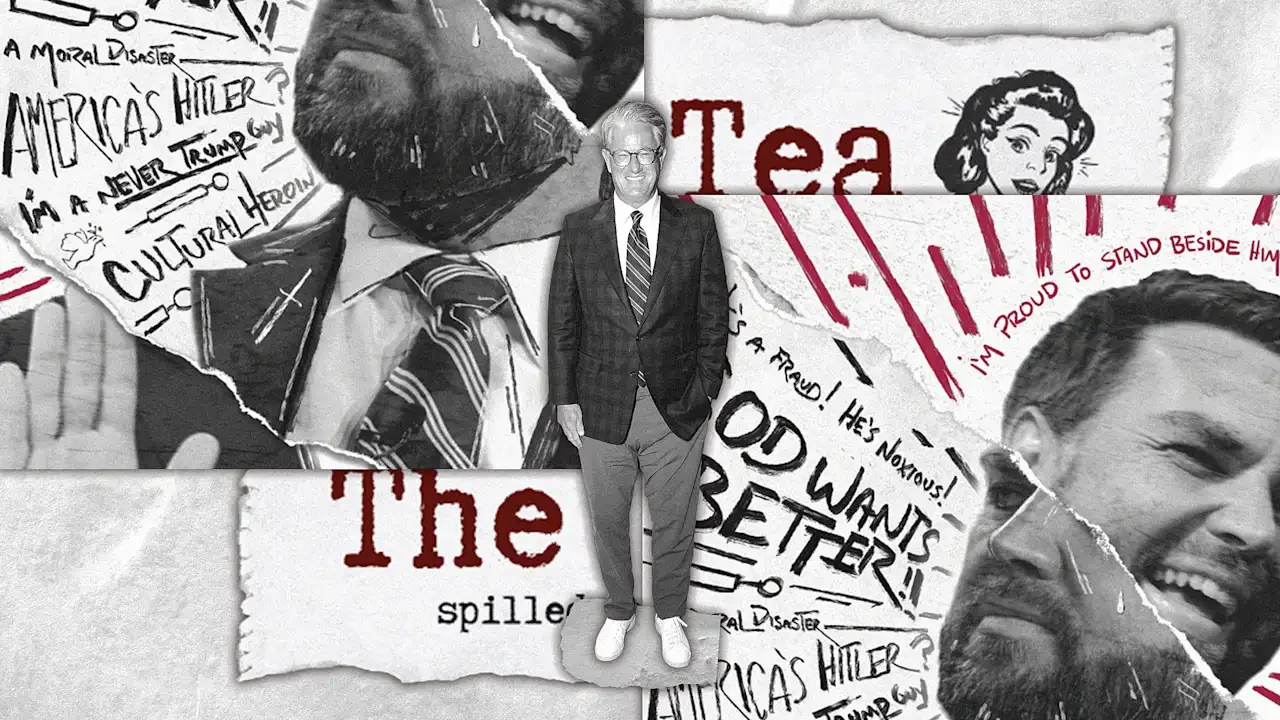
Morning Joe host Joe Scarborough is ready to spill the tea in a new newsletter. Called The Tea, Spilled by Morning Joe, the revamped newsletter for the popular morning show on the network that will soon be called MS NOW (the name change is official on November 15, the network says) took its inspiration from the world of print magazines. It’s designed to be part of a larger flywheel to grow and connect with the show’s audience. “We wanted something that was visually arresting, that was simple, elegant, and that people could read and get insight from,” Scarborough tells Fast Company. The newsletter will be sent in the early afternoon, Monday through Friday, and feature daily, original illustrations from illustrator Natalie Sanders. Scarborough says if the secret to Julia Child’s cooking is butter, butter, and butter, the secret to the newsletter will be “white space, white space, and white space.” This isn’t meant to be a dense newsletter. “I don’t want picture, block of text, picture, block of text, picture block of text,” Scarborough says, adding that editor Graydon Carter’s work at Vanity Fair and the newsletter Air Mail “was a bit of an inspiration for me.” “I liked how he still focused on the visual,” he says. As MSNBC’s outgoing parent company, Comcast’s NBCUniversal, splits into two, its cable portfolio—consisting of MSNBC, CNBC, Oxygen, E!, SyFy, and the Golf Channel—is becoming an independent company called Versant. That means for the first time in its 30-year history, MSNBC is operating independently from NBC News. Per the breakup agreement, the liberal-leaning cable news and opinion network has to drop the “NBC” from its name, hence the rebrand to MS NOW, an acronym for “My Source for News, Opinion, and the World.” It has built out its own Washington bureau for news gathering and signed a multiyear deal with the London-based Sky News for international coverage, and the shows are adapting to a future in which an increasing number of people watch clips online instead of on traditional TV. Standing on its own also means MS NOW shows will need to build deeper relationships with their audiences and find new revenue models at a time when cable subscribers continue to cut their cords. Already, the network is building a live events business as a new revenue line, and the Morning Joe newsletter shows how it’s building new digital products to be integrated with the show. The Tea extends the Morning Joe brand into the afternoon, with each issue including one daily video from the morning’s show, and it also gives the hosts a direct line to their audience. Subscribers will get exclusive invites to virtual town halls with Scarborough, cohosts Mika Brzezinski and Willie Geist, and others, and each issue will include a form for reader questions that the network says will be answered in future issues or shows. Scarborough says the look of the newsletter is “a bit more avant-garde than any cable news show,” and considering he’s no longer working for a traditional TV news conglomerate parent company, like GE or Comcast, he’s rethinking the tone and approach he can take with the newsletter. Scarborough says he told MSNBC president Rebecca Kutler that “we’re going to be taking chances, and I can’t have people freaking out every day.” He tested the network’s front office in a mock-up prototype newsletter that dropped an f-bomb in the daily quote section. The only questions they got back from the mock-up issue were technical, like about wrapping the text around the images, but there were no qualms about the expletive. “That is like, whoa, we’re not in Kansas anymore, baby,” Scarborough says. “I do want something that is going to be culturally relevant, politically relevant, wherever that may be, and they’re giving us freedom to do that.” He describes the mentality of Versant as that of a startup and says it’s “radically different than what we’ve seen over the past 20 years.” When considering names for the newsletter, Scarborough says he and his team considered names that played off Morning Joe, like The Press, but The Tea seemed to better capture the tone he was going for. “Everybody said, ‘Oh no, no, no, we can’t do that. It’s not serious enough.’ I go, ‘Exactly,’” Scarborough says. View the full article

-
As a mother of two little girls, I expected that puberty would be a tempestuous time for our family, full of emotional roller coasters and bodily changes. I just didn’t expect it to happen so soon. When my oldest daughter turned 9, her pediatrician said she could get her period within the year. I was blindsided: When I was growing up, girls expected to get their periods around the age of 13. I rushed out to buy a pack of menstrual pads to keep in her backpack, in case she gets her first period in school, and ordered The Care and Keeping of You, the iconic puberty guide that has sold 8 million copies since it debuted in 1998. I’m far from the only flummoxed parent. Generation Alpha girls—the oldest of whom are just entering middle school—are expected to go through puberty between six months and two years earlier than their parents. But don’t panic. Help has arrived in the form of Less Awkward, a company that provides resources that allow children, parents, and schools to better navigate puberty. Less Awkward is the brainchild of a pediatrician, Cara Natterson, who has written extensively about puberty (including serving as the medical consultant on The Care and Keeping of You), and a puberty educator, Vanessa Kroll Bennett, whose career has been devoted to helping girls build self-esteem. In the past, parents could look back at their own adolescence as a guide for what might happen to their children, but today’s kids are experiencing adolescence differently than any previous generation. And while there’s an abundance of resources for early childhood, it’s far harder to find reliable information about how to navigate this brave new world of puberty. Many parents today are looking for reliable parenting information beyond books, and through other forms of media such as apps, podcasts, Instagram, and TikTok. Dr. Becky Kennedy, a guru for parents of young children, has mastered the art of speaking to Gen Z and millennial parents on social media and through her new AI-powered app that provides parents with answers tailored to their specific problems. Natterson and Bennett are following a similar playbook, picking up where Dr. Becky leaves off, and guiding families through the transitions children will face between the ages of 8 and 18. It’s an approach that seems to be resonating with parents, who are willing to pay to use these services. Natterson and Bennett started Less Awkward in 2021 as a podcast called This Is So Awkward. And as their audience has grown to more than 2.5 million listeners a month, so have their ambitions. They recently turned Less Awkward into a full-fledged resource for parents with puberty-aged children, including a $10 a month hub that gives them access to videos, workshops, and even an AI chatbot that allows parents to ask specific questions and receive answers trained on Less Awkward content. And this year, they’re expanding into schools with a curriculum meant to improve the way kids learn about puberty. Given the relative lack of resources for parents of tweens and teens, Natterson and Bennett want to provide trustworthy, evidence-based advice that is tailored to the very unique circumstances today’s kids are facing. But it turns out, this is also a recipe for a new kind of parenting business. “There is this wide open lane,” Bennett says. “We wanted to fill it quickly because we believe we can change a child’s trajectory if we can surround them with empathy and community during these years, rather than ignoring or judging them.” The Brave New World of Puberty Over the past five years, the media has been flooded with unsettling stories about how puberty is shifting earlier. In 2022, The New York Times reported that girls were developing breasts as young as 6. Last year, NPR described how more girls were getting their periods before the age of 9. Parents everywhere began to panic. Doctors have been observing this trend for several decades now. In 1997, Marcia Herman-Giddens, then a physician’s associate in the pediatric department at Duke University Medical Center, published a longitudinal study of 17,000 girls, which found that they were hitting puberty at the age of 10, a year earlier than girls in the 1960s. Many studies since have found that all over the world, puberty in girls has dropped by about three months per decade since the 1970s. We see a similar pattern, though less extreme, in boys. Researchers don’t fully understand why this is happening. But newer studies—the ones which newspapers have covered in recent years—suggest that earlier puberty may be the result of obesity, childhood stress, and the use of hormone-disrupting chemicals in our personal care products. All of this set off alarm bells. As puberty experts, Natterson and Bennett are very familiar with these studies. But as they saw the panic this news provoked among adults, they were concerned about how little attention people were paying to the kids going through this new experience of puberty. “There was so much Monday morning quarterbacking about what’s causing this earlier puberty,” Bennett says. “What we cared about was the 45 million kids going through puberty right now. They need reliable information from adults who aren’t freaking out.” When they looked around, they couldn’t find many resources for parents and kids trying to navigate these years. Natterson, who helped write the updated version of The Care and Keeping of You, arguably the most influential puberty guidebook on the market, believed that families were craving more knowledge and guidance—particularly since puberty itself is evolving. But while there is an abundance of resources about each stage of early childhood, there are relatively few resources for tweens and teens. “The parent industry drops kids like hot potatoes after kindergarten,” Natterson says. Natterson and Bennett have theories about why this is the case. For one thing, many adults today dealt with the trials of puberty on their own, without much support from their parents or communities, so they assume their job is to distance themselves from their children during these years. There are also many cultural stereotypes that teenagers are intolerable, prone to violent mood swings, and rude to adults. Even some doctors and psychologists avoid working with adolescents. “It’s an intimidating stage of life,” Bennett says. “It’s unpredictable. And people are scared of dealing with young people’s reactions.” Dr. Rebekah Fenton, who specializes in adolescent medicine (and has no connection to Less Awkward), observes that many pediatricians are not very comfortable speaking with teens, and she wishes there were more resources for them to learn how to speak with older patients. “When we’re dealing with older children who are seeing changes in their own bodies, we really should be having conversations with them directly,” she says. “But there’s a gap in our training when it comes to learning how to speak with teens.” Making It Less Awkward Less Awkward began as a pandemic project. In 2021, in the midst of the lockdown, Natterson and Bennett poured their energies into launching a podcast targeted at parents called This Is So Awkward. They began by covering the basics of puberty today, like when a girl can expect to get her period, how to talk to tweens about sex, and why kids experience emotional swings. The show quickly developed an audience, racking up hundreds of thousands of listeners, and Natterson and Bennett began to tackle more complex and nuanced questions about the sociocultural impacts of earlier puberty. For instance, even though girls’ bodies are developing faster, they are not more emotionally mature; yet other people might sexualize them because they look older than they are. “When strangers on the street are sexualizing 9-year-olds, this has an impact on their mental health and self-esteem,” Bennett says. “But we don’t need to assume that young girls are going to have these negative outcomes. There are plenty of things we can do to intervene.” Soon, Natterson and Bennett were flooded with requests to conduct workshops at schools and other organizations. It wasn’t long before they couldn’t keep up with these requests. Their solution was to write a book so they could get their ideas into the hands of more people. In 2023, they published This Is So Awkward: Modern Puberty Explained. It explains the science of puberty as well as covers their approach to parenting, which is all about staying connected to children during this period and creating spaces for conversation. Fenton believes it is critical to offer parents and kids more information about puberty and thinks it is good that Less Awkward is creating resources that are easy to digest. “The main resource families have access to these days is books, and many are very research-heavy rather than practical,” she says. “This information needs to be in a form that parents and children will be able to receive it, like social media posts, podcasts, and videos.” Now, Natterson and Bennett are thinking about how to make their content accessible across even more formats. They’ve spent the last few years building “The Hub,” a website that makes it easy for parents to access all of the Less Awkward content, organized by theme, at a price of $10 per month. If a parent is trying to help their child deal with acne or a friendship problem, they can search for the topic and find everything from short social media videos to long-form podcasts that address the issue. They’ve also built an AI tool on the site that is trained on all of Natterson and Bennett’s work, allowing parents to ask more specific questions and get Less Awkward-approved answers, tailored to their situations. This approach is similar to Dr. Becky Kennedy, who became a guru to millennials during the pandemic when she started posting short-form parenting advice videos on Instagram and TikTok. This blossomed into a book called Good Inside, and more recently evolved into an AI-powered app that answers parents’ questions on the go, using Kennedy’s methodology. Beyond the book Natterson and Bennett are now taking their content a step further and bringing it to schools. There isn’t a standardized sex education curriculum that schools across the country use today, and there is a lot of variation in terms of what content they cover. But broadly, many educators aren’t being equipped to handle the complexities of puberty in 2025—from the fact that it is happening sooner to the ways that technology is impacting childhood. They’ve launched a school-based health education course called That Health Class that provides teachers with the tools to educate kids from fourth grade to high school. They’ve tailored the content to each age, and go beyond biology to consider the sociocultural aspects of puberty. Fifth graders will learn about physical anatomy and periods, but there are also modules about body image, social media, and consent in relationships. By the time kids get to eighth grade, there is a module about sexually transmitted infections (STIs), and how to prevent them. “Sex ed is not reliable if its outdated,” Natterson says. “We’re trying to offer relatable content in whatever form a kid and their trusted adults can best receive it.” The curriculum comes with decks and videos that teachers can use in the classroom, as well as professional development content for the educators. And it also gives access to The Hub, so parents can view parallel lessons, allowing them to understand what their children are learning and engage them in conversations. “The kids need to be educated about modern puberty, but so do teachers who are teaching them,” Natterson says. While Fenton applauds Less Awkward for helping to spread knowledge about puberty and make the concept less terrifying, she hopes they—and other puberty educators—continue to make a lot of their content free. “I’m always a little worried education is available to parents who have the resources, even though every parent needs it,” she says. “We should be trying to make as much high-quality, reliable information as possible free.” If there’s one message that Bennett wants people to take away from the whole Less Awkward approach, it’s that puberty doesn’t have to be such a difficult time for children, parents, and their teachers. In her experience, it can also be a very rich time of connection between children and their parents, laying the foundation for a deeper lifelong relationship. But to get there, we need to rewrite the cultural narrative about puberty. “We all have baggage and trauma from these years,” Bennett says. “But it doesn’t have to be like this. We can rewrite the script.” View the full article

-
The influential nonbank mortgage company is calling for a "do no harm" approach to housing and finds comfort in officials' stated guardrails to that end. View the full article

-
Google's John Mueller said case sensitivity matters and SEOs shouldn't just hope it works. The post Google’s Advice On Canonicals: They’re Case Sensitive appeared first on Search Engine Journal. View the full article
-
Structured data helps search engines, Large Language Models (LLMs), AI assistants, and other tools understand your website. Using Schema.org and JSON-LD, you make your content clearer and easier to use across platforms. This guide explains what structured data is, why it matters today, and how you can set it up the right way. Table of contents What is structured data? A simple example of structured data Why do you need structured data? Is structured data important for SEO? Structured data can lead to rich results Different kinds of structured data Which structured data types matter most? Structured data for voice assistants The technical details Structured data should be a graph Beyond search: AI, assistants, and interoperability What do you need to describe for search engines? How to implement structured data Tools for working with structured data The Yoast SEO Schema structured data framework What is structured data? Structured data is a way to tell computers exactly what’s on your web page. Using a standard set of tags from Schema.org, you can identify important details, like whether a page is about a product, a review, an article, an event, or something else. This structured format helps search engines, AI assistants, LLMs, and other tools understand your content quickly and accurately. As a result, your site may qualify for special features in search results and can be recognized more easily by digital assistants or new AI applications. Structured data is written in code, with JSON-LD being the most common format. Adding it to your pages gives your content a better chance to be found and understood, both now and as new technologies develop. Read more: Schema, and why you need Yoast SEO to do it right » A simple example of structured data Below is a simple example of structured data using Schema.org in JSON-LD format. This is a basic schema for a product with review properties. This code tells search engines that the page is a product (Product). It provides the name and description of the product, pricing information, the URL, plus product ratings and reviews. This allows search engines to understand your products and present your content in search results. <!DOCTYPE html> <html lang="en"> <head> <title>Product Title</title> <meta name="description" content="Brief description of the product"> <script type="application/ld+json"> { "@context": "https://schema.org", "@type": "Product", "name": "Sample Product", "image": "https://www.example.com/product-image.jpg", "description": "Product description", "brand": { "@type": "Brand", "name": "Brand Name" }, "sku": "12345", "offers": { "@type": "Offer", "url": "https://www.example.com/product-page", "priceCurrency": "USD", "price": "99.99", "availability": "https://schema.org/InStock" }, "aggregateRating": { "@type": "AggregateRating", "ratingValue": "4.5", "reviewCount": "11" }, "review": [{ "@type": "Review", "reviewRating": { "@type": "Rating", "ratingValue": "4", "bestRating": "5" }, "author": { "@type": "Person", "name": "Jane Smith" }, "reviewBody": "Review text goes here" }] } </script> </head> <body> <!-- Your webpage content goes here --> </body> </html> Why do you need structured data? Structured data gives computers a clear map of what’s on your website. It spells out details about your products, reviews, events, and much more in a format that’s easy for search engines and other systems to process. This clarity leads to better visibility in search, including features like star ratings, images, or additional links. But the impact reaches further now. Structured data also helps AI assistants, voice search tools, and new web platforms like chatbots powered by Large Language Models understand and represent your content with greater accuracy. New standards, such as NLWeb (Natural Language Web) and MCP (Model Context Protocol), are emerging to help different systems share and interpret web content consistently. Adding structured data today not only gives your site an advantage in search but also prepares it for a future where your content will flow across more platforms and digital experiences. The effort you put into structured data now sets up your content to be found, used, and displayed in many places where people search and explore online. Is structured data important for SEO? Structured data plays a key role in how your website appears in search results. It helps search engines understand and present your content with extra features, such as review stars, images, and additional links. These enhanced listings can catch attention and drive more clicks to your site. While using structured data doesn’t directly increase your rankings, it does make your site eligible for these rich results. That alone can set you apart from competitors. As search engines evolve and adopt new standards, well-structured data ensures your content stays visible and accessible in the latest search features. For SEO, structured data is about making your site stand out, improving user experience, and giving your content the best shot at being discovered, both now and as search technology changes. Structured data can lead to rich results By describing your site for search engines, you allow them to do exciting things with your content. Schema.org and its support are constantly developing, improving, and expanding. As structured data forms the basis for many new developments in the SEO world, there will be more shortly. Below is an overview of the rich search results available; examples are in Google’s Search Gallery. Structured data typeExample use/descriptionArticleNews, blog, or sports articleBreadcrumbNavigation showing page positionCarouselGallery/list from one site (with Recipe, Course, Movie, Restaurant)Course listLists of educational coursesDatasetLarge datasets (Google Dataset Search)Discussion forumUser-generated forum contentEducation Q&AEducation flashcard Q&AsEmployer aggregate ratingRatings about employers in job search resultsEventConcerts, festivals, and other eventsFAQFrequently asked questions pagesImage metadataImage creator, credit, and license detailsJob postingListings for job openingsLocal businessBusiness details: hours, directions, ratingsMath solverStructured data for math problemsMovieLists of movies, movie detailsOrganizationAbout your company: name, logo, contact, etc.Practice problemEducation practice problems for studentsProductProduct listings with price, reviews, and moreProfile pageInfo on a single person or organizationQ&APages with a single question and answersRecipeCooking recipes, steps, and ingredientsReview snippetShort review/rating summariesSoftware appRatings and details on apps or softwareSpeakableContent for text-to-speech on Google AssistantSubscription and paywalled contentMark articles/content behind a paywallVacation rentalDetails about vacation property listingsVideoVideo info, segments, and live content The rich results formerly known as rich snippets You might have heard the term “rich snippets” before. Google now calls these enhancements “rich results.” Rich results are improved search listings that use structured data to show extra information, like images, reviews, product details, or FAQs, directly in search. For example, a product page marked up with structured data can show its price, whether it’s in stock, and customer ratings right below the search listing, even before someone clicks. Here’s what that might look like: With rich results, users see helpful details up front—such as a product’s price, star ratings, or stock status. This can make your listing stand out and attract more clicks. Keep in mind, valid structured data increases your chances of getting rich results, but display is controlled by Google’s systems and is never guaranteed. Keep reading: Rich snippets everywhere » Mobile rich results Results like this often appear more prominently on mobile devices. Search listings with structured data can display key information, like product prices, ratings, recipes, or booking options, in a mobile-friendly format. Carousels, images, and quick actions are designed for tapping and swiping with your finger. For example, searching for a recipe on your phone might bring up a swipeable carousel showing photos, cooking times, and ratings for each dish. Product searches can highlight prices, availability, and reviews right in the results, helping users make decisions faster. Many people now use mobile search as their default search method. Well-implemented structured data not only improves your visibility on mobile but can also make your content easier for users to explore and act on from their phones. To stay visible and competitive, regularly check your markup and make sure it works smoothly on mobile devices. Knowledge Graph Panel The Knowledge Graph Panel shows key facts about businesses, organizations, or people beside search results on desktop and at the top on mobile. It can include your logo, business description, location, contact details, and social profiles. Using structured data, especially Organization, LocalBusiness, or Person markup with current details, helps Google recognize and display your entity accurately. Include recommended fields like your official name, logo, social links (using sameAs), and contact info. Entity verification is becoming more important. Claim your Knowledge Panel through Google, and make sure your information is consistent across your website, social media, and trusted directories. Major search engines and AI assistants use this entity data for results, summaries, and answers, not just in search but also in AI-powered interfaces and smart devices. While Google decides who appears in the Knowledge Panel and what details are shown, reliable structured data, verified identity, and a clear online presence give you the best chance of being featured. Different kinds of structured data Schema.org includes many types of structured data. You don’t need to use them all, just focus on what matches your site’s content. For example: If you sell products, use product schema For restaurant or local business sites, use local business schema Recipe sites should add recipe schema Before adding structured data, decide which parts of your site you want to highlight. Check Google’s or other search engines’ documentation to see which types are supported and what details they require. This helps ensure you are using the markup that will actually make your content stand out in search and other platforms. How Yoast SEO helps with structured data Yoast SEO automatically adds structured data to your site using smart defaults, making it easier for search engines and platforms to understand your content. The plugin supports a wide range of content types, like articles, products, local businesses, and FAQs, without the need for manual schema coding. With Yoast SEO, you can: With a few clicks, set the right content type for each page (such as ContactPage, Product, or Article) Use built-in WordPress blocks for FAQs and How-tos, which generate valid schema automatically Link related entities across your site, such as authors, brands, and organizations, to help search engines see the big picture Adjust schema details per page or post through the plugin’s settings Yoast SEO also offers an extensible structured data platform. Developers can build on top of Yoast’s schema framework, add custom schema types, or connect other plugins. This helps advanced users or larger sites tailor their structured data for specific content, integrations, or new standards. Yoast keeps pace with updates to structured data guidelines, so your markup stays aligned with what Google and other platforms support. This makes it easier to earn rich results and other search enhancements. Which structured data types matter most? When adding structured data, focus first on the types that have the biggest impact on visibility and features in Google Search. These forms of schema are widely supported, trigger rich results, and apply to most kinds of sites: Most important structured data types Article: For news sites, blogs, and sports publishers. Adding Article schema can enable rich results like Top Stories, article carousels, and visual enhancements Product: Essential for ecommerce. Product schema helps show price, stock status, ratings, and reviews right in search. This type is key for online stores and retailers Event: For concerts, webinars, exhibitions, or any scheduled events. Event schema can display dates, times, and locations directly in search results, making it easier for people to find and attend Recipe: This is for food blogs and cooking sites. The recipe schema supports images, cooking times, ratings, and step-by-step instructions as rich results, giving your recipes extra prominence in search FAQPage: For any page with frequently asked questions. This markup can expand your search listing with Q&A drop-downs, helping users get answers fast QAPage: For online communities, forums, or support sites. QAPage schema helps surface full question-and-answer threads in search ReviewSnippet: This markup is for feedback on products, books, businesses, or services. It can display star ratings and short excerpts, adding trust signals to your listings LocalBusiness is vital for local shops, restaurants, and service providers. It supplies address, hours, and contact info, supporting your visibility in the map pack and Knowledge Panel Organization: Use this to describe your brand or company with a logo, contact details, and social profiles. Organization schema feeds into Google’s Knowledge Panel and builds your online presence Video: Mark up video content to enable video previews, structured timestamps (key moments), and improved video visibility Breadcrumb: This feature shows your site’s structure within Google’s results, making navigation easier and your site look more reputable Other valuable or sector-specific types: Course: Highlight educational course listings and details for training providers or schools JobPosting: Share open roles in job boards or company careers pages, making jobs discoverable in Google’s job search features SoftwareApp: For software and app details, including ratings and download links Movie: Used for movies and film listings, supporting carousels in entertainment searches and extra movie details Dataset: Makes large sets of research or open data discoverable in Google Dataset Search DiscussionForum: Surfaces user-generated threads in dedicated “Forums” search features ProfilePage: Used for pages focused on an individual (author profiles, biographies) or organization EmployerAggregateRating: Displays company ratings and reviews in job search results PracticeProblem: For educational sites offering practice questions or test prep VacationRental: Displays vacation property listings and details in travel results Special or supporting types: Person: This helps Google recognize and understand individual people for entity and Knowledge Panel purposes (it does not create a direct rich result) Book: Can improve book search features, usually through review or product snippets Speakable: Reserved for news sites and voice assistant features; limited support Image metadata, Math Solver, Subscription/Paywalled content: Niche markups that help Google properly display, credit, or flag special content Carousel: Used in combination with other types (like Recipe or Movie) to display a list or gallery format in results When choosing which schema to add, always select types that match your site’s actual content. Refer to Google’s Search Gallery for the latest guidance and requirements for each type. Adding the right structured data makes your pages eligible for rich results, enhances your visibility, and prepares your content for the next generation of search features and AI-powered platforms. Read on: Local business listings with Schema.org and JSON-LD » Structured data for voice assistants Voice search remains important, with a significant share of online queries now coming from voice-enabled devices. Structured data helps content be understood and, in some cases, selected as an answer for voice results. The Speakable schema (for marking up sections meant to be read aloud by voice assistants) is still officially supported, but adoption is mostly limited to news content. Google and other assistants also use a broader mix of signals, like content clarity, authority, E-E-A-T, and traditional structured data, to power their spoken answers. If you publish news or regularly answer concise, fact-based questions, consider using Speakable markup. For other content types, focus on structured data and well-organized, user-focused pages to improve your chances of being chosen by voice assistants. Voice search and voice assistants continue to draw on featured snippets, clear Q&A, and trusted sources. Google Search Console If you need to check how your structured data is performing in Google, check your Search Console. Find the structured data insights under the Enhancement tab and you’ll see all the pages that have structured data, plus an overview of pages that give errors, if any. Read our Beginner’s guide for Search Console for more info. The technical details Structured data uses Schema.org’s hierarchy. This vocabulary starts with broad types like Thing and narrows down to specific ones, such as Product, Movie, or LocalBusiness. Every type has its own properties, and more specific types inherit from their ancestors. For example, a Movie is a type of CreativeWork, which is a type of Thing. When adding structured data, select the most specific type that fits your content. For a movie, this means using the Movie schema. For a local company, choose the type of business that best matches your offering under LocalBusiness. Properties Every Schema.org type includes a range of properties. While you can add many details, focus on the properties that Google or other search engines require or recommend for rich results. For example, a LocalBusiness should include your name, address, phone number, and, if possible, details such as opening hours, geo-coordinates, website, and reviews. You’ll find our Local SEO plugin (available in Yoast SEO Premium) very helpful if you need help with your local business markup. Here are two examples of structures: Movie hierarchy Thing CreativeWork Movie Properties: name, description, director, actor, image, genre, duration Local business hierarchy Thing Organization/Place LocalBusiness Properties: name, address, phone, email, openingHours, geo, review, logo The more complete and accurate your markup, the greater your chances of being displayed with enhanced features like Knowledge Panels or map results. For details on recommended properties, always check Google’s up-to-date structured data documentation. In the local business example, you’ll see that Google lists several required properties, like your business’s NAP (Name and Phone) details. There are also recommended properties, like URLs, geo-coordinates, opening hours, etc. Try to fill out as many of these as possible because search engines will only give you the whole presentation you want. Structured data should be a graph When you add structured data to your site, you’re not just identifying individual items, but you’re building a data graph. A graph in this context is a web of connections between all the different elements on your site, such as articles, authors, organizations, products, and events. Each entity is linked to others with clear relationships. For instance, an article can be marked as written by a certain author, published by your organization, and referencing a specific product. These connections help search engines and AI systems see the bigger picture of how everything on your site fits together. Creating a fully connected data graph removes ambiguity. It allows search engines to understand exactly who created content, what brand a product belongs to, or where and when an event takes place, rather than making assumptions based on scattered information. This detailed understanding increases the chances that your site will qualify for rich results, Knowledge Panels, and other enhanced features in search. As your website grows, a well-connected graph also makes it easier to add new content or expand into new areas, since everything slots into place in a way that search engines can quickly process and understand. Yoast SEO builds a graph With Yoast SEO, many of the key connections are generated automatically, giving your site a solid foundation. Still, understanding the importance of building a connected data graph helps you make better decisions when structuring your own content or customizing advanced schema. A thoughtful, well-linked graph sets your site up for today’s search features, while making it more adaptable for the future. Beyond search: AI, assistants, and interoperability Structured data isn’t just about search results. It’s a map that helps AI assistants, knowledge graphs, and cross‑platform apps understand your content. It’s not just about showing a richer listing; it’s about enabling reliable AI interpretation and reuse across contexts. Today, the primary payoff is still better search experiences. Tomorrow, AI systems and interoperable platforms will rely on clean, well‑defined data to summarize, reason about, and reuse your content. That shift makes data quality more important than ever. Practical steps for today Keep your structured data clean with a few simple habits. Use the same names for people, organizations, and products every time they appear across your site. Connect related information so search engines can see the links. For example, tie each article to its author or a product to its brand. Fill in all the key details for your main schema types and make sure nothing is missing. After making changes or adding new content, run your markup through a validation tool. If you add any custom fields or special schema, write down what they do so others can follow along later. Doing quick checks now and then keeps your data accurate and ready for both search engines and AI. Interoperability, MCP, and the role of structured data More and more, AI systems and search tools are looking for websites that are easy to understand, not just for people but also for machines. The Model Context Protocol (MCP) is gaining ground as a way for language models like Google Gemini and ChatGPT to use the structured data already present on your website. MCP draws on formats like Schema.org and JSON-LD to help AI match up the connections between things such as products, authors, and organizations. Another project, the Natural Language Web (NLWeb), an open project developed by Microsoft, aims to make web content easier for AI to use in conversation and summaries. NLWeb builds on concepts like MCP, but hasn’t become a standard yet. For now, most progress and adoption are happening with MCP, and large language models are focusing their efforts on this area. Using Schema.org and JSON-LD to keep your structured data clean (no duplicate entities), complete (all indexable content included), and connected (relationships preserved) will prepare you for search engines and new AI-driven features appearing across the web. Schema.org and JSON-LD: the foundation you can trust Schema.org and JSON-LD remain the foundation for structured data on the web. They enable today’s rich results in search and form the basis for how AI systems will interpret web content in the future. JSON-LD should be your default format for new markup, allowing you to build structured data graphs that are clean, accurate, and easy to maintain. Focus on accuracy in your markup rather than unnecessary complexity. To future-proof your data, prioritize stable identifiers such as @id and use clear types to reduce ambiguity. Maintain strong connections between related entities across your pages. If you develop custom extensions to your structured data, document them thoroughly so both your team and automated tools can understand their purpose. Design your schema so that components can be added or removed without disrupting the entire graph. Make a habit of running validations and audits after you change your site’s structure or content. Finally, stay current by following guidance and news from official sources, including updates about standards such as NLWeb and MCP, to ensure your site remains compatible with both current search features and new interoperability initiatives. What do you need to describe for search engines? To get the most value from structured data, focus first on the most important elements of your site. Describe the details that matter most for users and for search, such as your business information, your main products or services, reviews, events, or original articles. These core pieces of information are what search engines look for to understand your site and display enhanced results. Rather than trying to mark up everything, start with the essentials that best match your content. As your experience grows, you can build on this foundation by adding more detail and creating links between related entities. Accurate, well-prioritized markup is both easier to maintain and more effective in helping your site stand out in search results and across new AI-driven features. How to implement structured data We’d like to remind you that Yoast SEO comes with an excellent structured data implementation. It’ll automatically handle most sites’ most pressing structured data needs. Of course, as mentioned below, you can extend our structured data framework as your needs become bigger. Do the Yoast SEO configuration and get your site’s structured data set up in a few clicks! The configuration is available for all Yoast SEO users to help you get your plugin configured correctly. It’s quick, it’s easy, and doing it will pay off. Plus, if you’re using the new block editor in WordPress you can also add structured data to your FAQ pages and how-to articles using our structured data content blocks. Thanks to JSON-LD, there’s nothing scary about adding the data to your pages anymore. This JavaScript-based data format makes it much easier to add structured data since it forms a block of code and is no longer embedded in the HTML of your page. This makes it easier to write and maintain, plus both humans and machines better understand it. If you need help implementing JSON-LD structured data, you can enroll in our free Structured Data for Beginners course, our Understanding Structured Data course, or read Google’s introduction to structured data. Structured data with JSON-LD JSON-LD is the recommended way to add structured data to your site. All major search engines, including Google and Bing, now fully support this format. JSON-LD is easy to implement and maintain, as it keeps your structured data separate from the main HTML. Yoast SEO automatically creates a structured data graph for every page, connecting key elements like articles, authors, products, and organizations. This approach helps search engines and AI systems understand your site’s structure. Our developer resources include detailed Schema documentation and example graphs, making it straightforward to extend or customize your markup as your site grows. Tools for working with structured data Yoast SEO automatically handles much of the structured data in the background. You could extend our Schema framework, of course — see the next chapter –, but if adding code by hand seems scary, you could try some of the tools listed below. If you need help with how to proceed, ask your web developer for help. They will fix this for you in a couple of minutes. Generators Google Structured Data Markup Helper (works, but hasn’t been updated in forever) JSON-LD Schema Generator Validators and test tools Schema Markup Validator Classy Schema Structured Data Viewer Google Search Console Enhancements report Google Rich Results Tester Bing Webmaster Tools URL Inspector WordPress Plugins Yoast SEO Local (Our Local SEO plugin adds Schema.org for your business details, like address, geo-location, opening hours, etc.) The Yoast SEO WooCommerce plugin outputs product Schema to highlight your products in search. Yoast SEO uses JSON-LD to add Schema.org information about your site search, your site name, your logo, images, articles, social profiles, and a lot more to your web pages. We ask if your site represents a person or an organization and adapt our structured data based on that. Also, our structured data content blocks for the WordPress block editor make it easy to add structured data to your FAQs and How-Tos. Check out the structured data features in Yoast SEO. The Yoast SEO Schema structured data framework Implementing structured data has always been challenging. Also, the results of most of those implementations often needed improvement. At Yoast, we set out to enhance the Schema output for millions of sites. For this, we built a Schema framework, which can be adapted and extended by anyone. We combined all those loose bits and pieces of structured data that appear on many sites, improved these, and put them in a graph. By interconnecting all these bits, we offer search engines all your connections on a silver platter. See this video for more background on the schema graph. Of course, there’s a lot more to it. We can also extend Yoast SEO output by adding specific Schema pieces, like how-tos or FAQs. We built structured data content blocks for use in the WordPress block editor. We’ve also enabled other WordPress plugins to integrate with our structured data framework, like Easy Digital Downloads, The Events Calendar, Seriously Simple Podcasting, and WP Recipe Maker, with more to come. Together, these help you remove barriers for search engines and users, as it has always been challenging to work with structured data. Expanding your structured data implementation A structured and focused approach is key to successful Schema.org markup on your website. Start by understanding Schema.org and how structured data can influence your site’s presence in search and beyond. Resources like Yoast’s developer portal offer useful insights into building flexible and future-proof markup. Always use JSON-LD as recommended by Google, Bing, and Yoast. This format is easy to maintain and works well with modern websites. To maximize your implementation, use tools and frameworks that allow you to add, customize, and connect Schema.org data efficiently. Yoast SEO’s structured data framework, for example, enables seamless schema integration and extensibility across your site. Validate your structured data regularly with tools like the Rich Results Test or Schema Markup Validator and monitor Google Search Console’s Enhancements reports for live feedback. Reviewing your markup helps you fix issues early and spot opportunities for richer results as search guidelines change. Periodically revisiting your strategy keeps your markup accurate and effective as new types and standards emerge. Read up By following the guidelines and adopting a comprehensive approach, you can successfully get structured data on your pages and enhance the effectiveness of your schema.org markup implementation for a robust SEO performance. Read the Yoast SEO Schema documentation to learn how Yoast SEO works with structured data, how you can extend it via an API, and how you can integrate it into your work. Keep on reading: Open-source software, open Schema protocol! » Conclusions about structured data Structured data has become an essential part of building a visible, findable, and adaptable website. Using Schema.org and JSON-LD not only helps search engines understand your content but also sets your site up for better performance in new AI-driven features, rich results, and across platforms. Start by focusing on the most important parts of your site, like business information, products, articles, or events, and grow your structured data as your needs evolve. Connected, well-maintained markup now prepares your site for search, AI, and whatever comes next in digital content. Explore our documentation and training resources to learn more about best practices, advanced integrations, or how Yoast SEO can simplify structured data. Investing the time in good markup today will help your content stand out wherever people (or algorithms) find it. Read more: How to check the performance of your rich results in Google Search Console » The post Structured data with schema for search and AI appeared first on Yoast. View the full article
-
Across cultures, people often wrestle with whether having lots of money is a blessing, a burden, or a moral problem. According to our new research, how someone views billionaires isn’t just about economics. Judgment also hinges on certain cultural and moral instincts, which help explain why opinions about wealth are so polarized. The study, which my colleague Mohammad Atari and I published in the research journal PNAS Nexus in June 2025, examined survey data from more than 4,300 people across 20 countries. We found that while most people around the world do not strongly condemn having “too much money,” there are striking cultural differences. In wealthy, more economically equal countries such as Switzerland and Belgium, people were more likely to say that having too much money is immoral. In countries that are poorer and more unequal, such as Peru or Nigeria, people tended to view wealth accumulation as more acceptable. Beyond economics, we found that judgments about excessive wealth are also shaped by deeper moral intuitions. Our study drew on moral foundations theory, which proposes that people’s sense of right and wrong is built on six core values—care, equality, proportionality, loyalty, authority, and purity. We found that people who highly value equality and purity were more likely to see excessive wealth as wrong. The equality result was expected, but the role of purity was more surprising. Purity is usually associated with ideas about cleanliness, sanctity, or avoiding contamination—so finding that it is associated with negative views about wealth gives new meaning to the phrase “filthy rich.” As a social psychologist who studies morality, culture, and technology, I’m interested in how these kinds of judgments differ across groups and societies. Social and institutional systems interact with individual moral beliefs, shaping how people view culture war issues such as wealth and inequality—and, in turn, how they engage with the policies and conflicts that emerge around them. Why it matters Billionaires wield growing influence in politics, technology, and global development. The richest 1% of people on Earth own more wealth than 95% of people combined, according to Oxfam, an organization focused on fighting poverty. Efforts to address inequality by taxing or regulating the rich may, however, rest on a mistaken assumption—that the public generally condemns extreme wealth. If most people instead view amassing wealth as morally justifiable, such reforms could face limited support. Our findings suggest that in countries where inequality is highly visible and persistent, people may adapt by morally justifying their structural economic system, arguing that it is fair and legitimate. In wealthier, more equal societies, people appear more sensitive to the potential harms of excess. While our study shows that most people around the world do not view excessive wealth as morally wrong, those in wealthier and more equal countries are far more likely to condemn it. That contrast raises a sharper question: When people in privileged societies denounce and attempt to limit billionaires, are they shining a light on global injustice—or projecting their own sense of guilt? Are they projecting a moral principle shaped by their own prosperity onto poorer countries, where wealth may represent survival, progress, or even hope? What still isn’t known One open question: How do these views change over time? Do attitudes shift when societies become wealthier or more equal? Are young people more likely than older generations to condemn billionaires? Our study offers a snapshot, but long-term research could reveal whether moral judgments track broader economic or cultural changes. Another uncertainty is the unexpected role of purity. Why would a value tied to cleanliness and sanctity shape how people judge billionaires? Our follow-up study found that purity concerns extended beyond money to other forms of “excess,” such as disapproving of having “too much” ambition, sex or fun. This suggests that people may see excess itself—not just inequality—as corrupting. What’s next We’re continuing to study how cultural values, social systems, and moral intuitions shape people’s judgments of fairness and excess—from views of wealth and ambition to knowledge and AI computing power. Understanding these gut-level, moral reactions within larger social systems matters for debates about inequality. But it can also help explain how people evaluate technologies, leaders, and institutions that accumulate disproportionate, excessive power or influence. The Research Brief is a short take on interesting academic work. Jackson Trager is a Ph.D. candidate in psychology at USC Dornsife College of Letters, Arts and Sciences. This article is republished from The Conversation under a Creative Commons license. Read the original article. View the full article

-
You can repeat this analysis yourself pretty easily. Just do an open database search in Brand Radar, head to the “Cited pages” report for your desired AI assistant, and export the top 1,000 cited pages. Then run the cited pages…Read more ›View the full article
-
Below, Zelana Montminy shares five key insights from her new book, Finding Focus: Own Your Attention in an Age of Distraction. Zelana is a behavioral scientist who is pioneering a transformative approach to mental health and resilience. She has built a career advising and speaking for Fortune 500 companies, global organizations, and academic institutions. Her recent clients include American Express, Coca-Cola, Estee Lauder, Bank of America, UCLA, and Big Brothers Big Sisters. She appears regularly on The Doctors, Good Morning America, The Today Show, and Access Hollywood. What’s the big idea? We live in a world that is quietly, relentlessly unraveling our attention and, with it, our capacity to think clearly, feel deeply, and live purposefully. Finding Focus is about how to come home to yourself and what matters most. Focus isn’t about what we pay attention to; it’s about how we move through the world. Listen to the audio version of this Book Bite—read by Zelana herself—below, or in the Next Big Idea App. 1. Focus is not about forcing attention. Focus is about creating the conditions for attention. We treat focus like a muscle—push harder, power through, tune out—but attention doesn’t work that way. It’s more like breath. The more we grip it, the more it slips away. Think of a snow globe. When you stop shaking it, the flakes settle. Clarity rises. Focus works in the same way. The real work of harnessing attention is not about willpower, but rather it’s about the conditions. It’s about clearing the clutter mentally, physically, and emotionally so that your attention can finally exhale. 2. We are addicted to avoiding discomfort. Let’s be honest, most of us don’t pick up our phones out of curiosity. We pick them up to escape boredom, stillness, and that quiet ache just beneath the surface. One study found that people preferred electric shocks to sitting alone with their thoughts. That’s how intolerable stillness has become. But if we want to reclaim our attention, we must reclaim our capacity to stay with the pause, the discomfort, the urge, because distraction isn’t random. It’s patterned, protective, and emotional. If we want to change it, we have to start in the discomfort. 3. Do you remember how it feels to focus? We talk about focus like it’s purely mental: a task, a strategy, a checkbox. But real focus is also a state. It’s a sensation, and when you’re in it, you feel lit up and anchored, calm but alive. The problem is that we’ve been so overstimulated, scattered, and flooded with inputs that we hardly even recognize that feeling of focus anymore. “It’s a sensation, and when you’re in it, you feel lit up and anchored, calm but alive.” That’s why I created something called The Focus Baseline. It’s a guided process to help re-attune to your own internal clarity and remember what being present feels like in your body, not just your brain. Once you feel it, you can find it again because you know what to access. That becomes your compass through the noise, chaos, and overwhelm. 4. There’s no clarity without grief. This is the quiet truth underneath so much of our distraction. When we finally slow down, put down the phone, close the tabs, and turn off the noise, the first thing that rises is not peace. It’s grief and loss. Grief over how long we’ve been on autopilot. Grief over what we’ve missed, what we’ve buried, and what we didn’t let ourselves feel. One reader wrote to me after finishing the book and said, “When I stopped distracting myself, I realized I’d been numbing the ache of being alive.” That’s it right there. Focus asks us to sit with that ache, not to fix it or outrun it. In making room for it, we give that ache less power over us, and slowly, over time, it dulls. That room and that honesty are what clear the fog. It’s what makes space for something real, and in that realness, we can reconnect with our attention and focus. 5. Hold focus and tenderness at the same time. We’ve been taught that focus means grit and control. But the most powerful, grounded people aren’t the ones who shut down their feelings to get things done. They’re the ones who know how to hold both clarity and compassion, direction and depth, presence and heart. That’s the new frontier. Not just the laser-sharp minds that are super productive, but also steady nervous systems that can handle the task switching that comes with tender focus. We don’t need more control. We need more coherence. People who can stay regulated under pressure—who can stay human under stress—are the ones who will lead us forward. “We don’t need more control. We need more coherence.” If your focus feels fractured, if your mind feels foggy, and if your days feel like a blur, know that you’re not broken, failing, or alone. It’s literally all of us, and you’re responding wisely and humanely to a world that has been at odds with our biology for far too long. But there is another way. You don’t have to outsource your attention to the loudest thing in the room. You don’t have to perform productivity while feeling completely numb. You can build a different rhythm that feels less like chasing and more like coming home. So much becomes possible when you quiet the noise inside and out and return to your life. Stay grounded, stay human, and above all, stay close to what matters. Enjoy our full library of Book Bites—read by the authors!—in the Next Big Idea App. This article originally appeared in Next Big Idea Club magazine and is reprinted with permission. View the full article